Explore the Map
Tastil
-24.4523° N, -65.9571° E
About
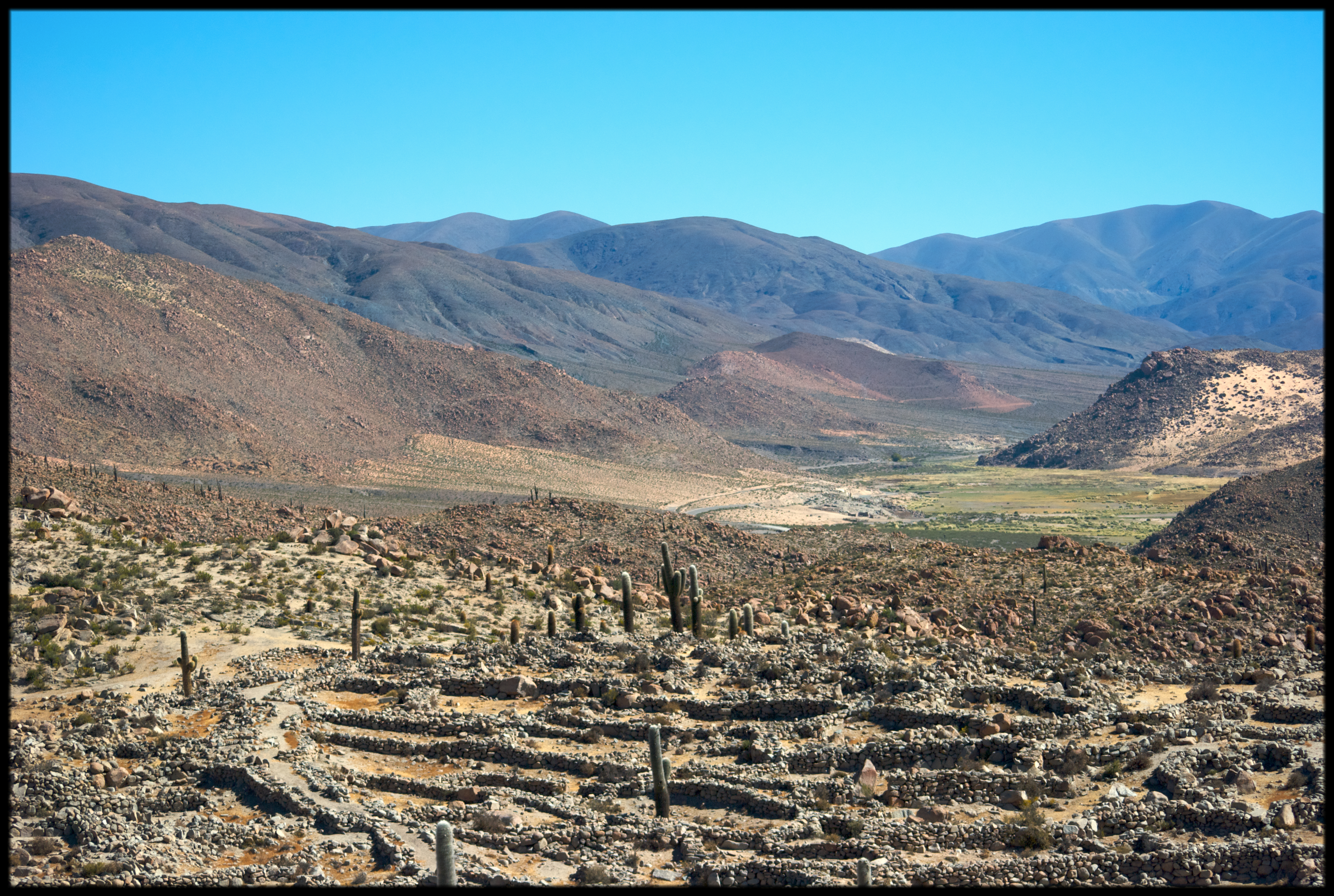
Tastil is a significant archaeological site located near Santa Rosa de Tastil, Argentina, known for its impressive sandstone construction without the use of mortar. The site, built by the Atacameño people, was a thriving town in the 15th century with over 2,000 inhabitants across 400 households. Its complex layout featured labyrinthine streets, catacombs, plazas, and a central square organized around a sacred stone, known as a wanka. Tastil's economy was based on quinoa, maize, and llama husbandry. Despite its prosperity, the town faced a siege from the Inca Empire, marking a significant historical event. Rediscovered in 1903, Tastil offers insights into pre-Inca civilizations in the Andean region and their urban planning and cultural practices.
Gallery
Explore photographs of ancient structures, artifacts, and archaeological excavations
Historical Timeline
Journey through time and discover key events in this site's history
Inca siege
15th century CE
15th century peak
15th century CE
Archaeological Features
Unique architectural and cultural elements found at this historical site
Public and Civic Structures
Burial and Funerary Structures
Religious and Ritual Structures
Domestic and Habitation Structures
Frequently Asked Questions
Plan Your Visit
Tours, travel arrangements, and practical information
More Sites in Argentina
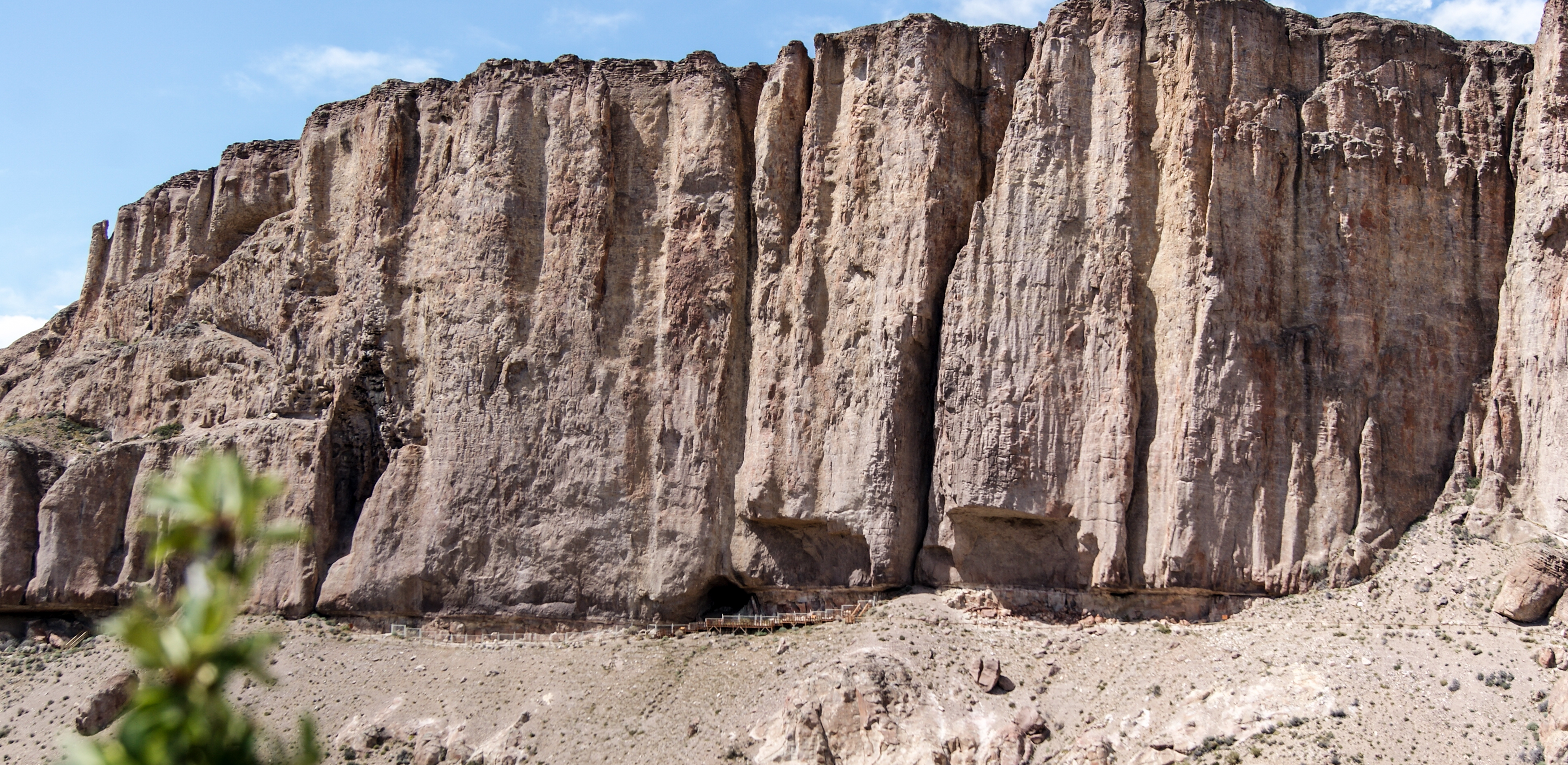
Cueva de las Manos
Cave with rock art in Patagonia.
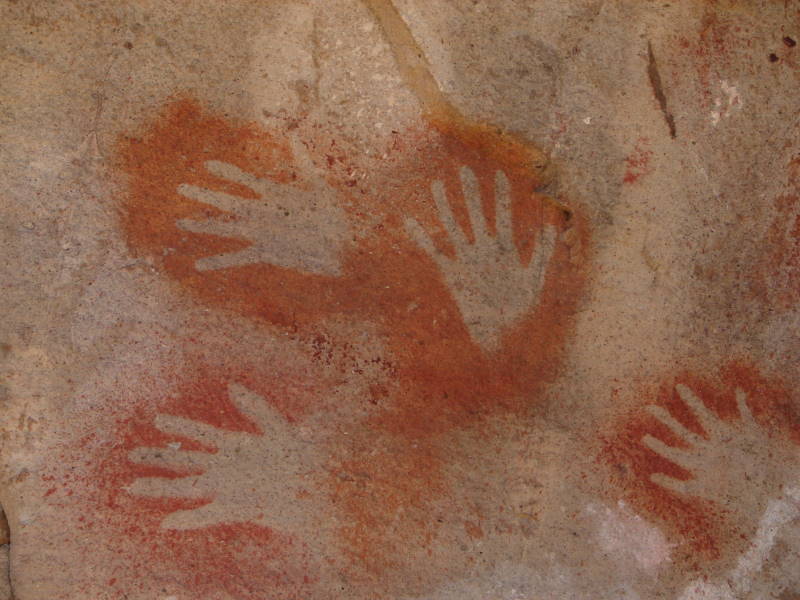
Ruins of Quilmes
Largest pre-Columbian settlement in Argentina
Pucará de Tilcara
Pre-Inca fortified town (pukara), Tilcara, Argentina
Gruta del Indio
Rock shelter with human and mega-fauna remains
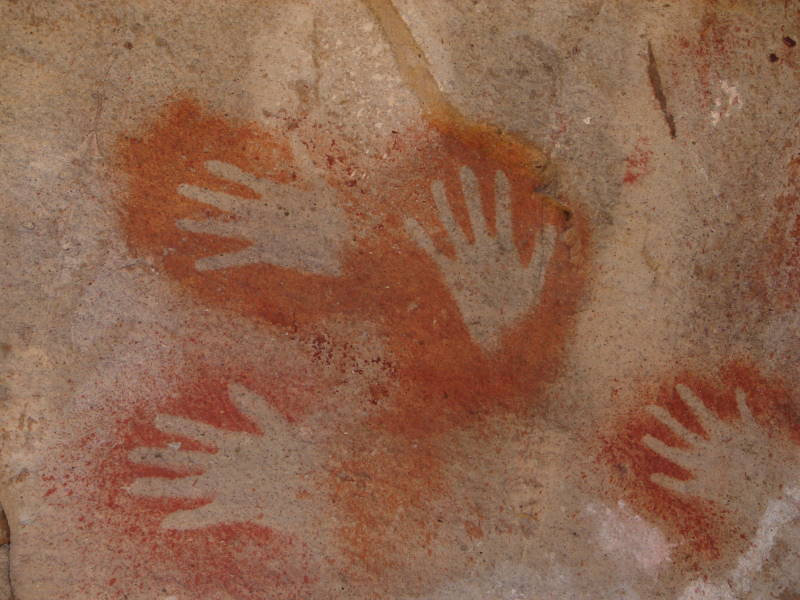
Los Toldos (Santa Cruz)
Ancient habitation site with archaeological strata.
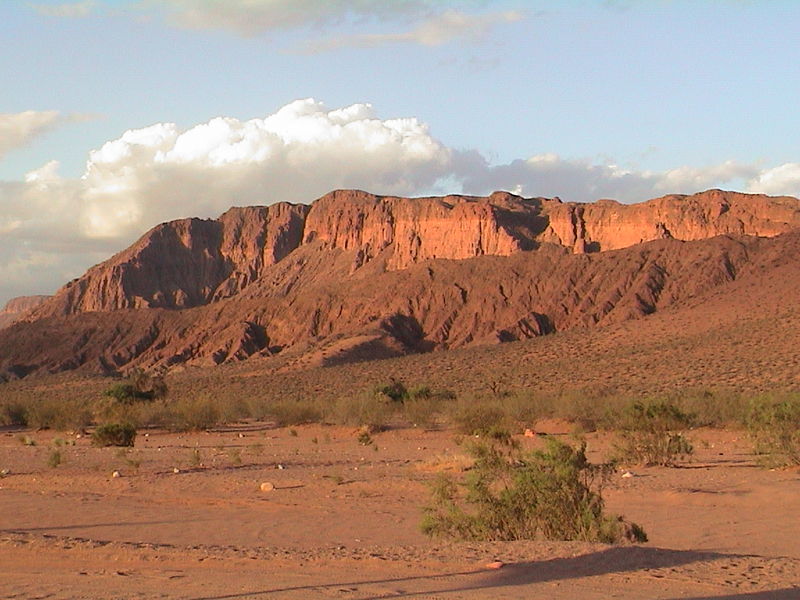
Talampaya National Park
Desert landscapes with archaeological sites