Explore the Map
Armavir (ancient city)
40.0819° N, 44.0333° E
About
The ancient city of Armavir, located near the modern village of Armavir in Armenia, served as a crucial commercial and political hub during various historical eras, most notably as the capital of Armenia under the Orontid dynasty. Archaeological evidence indicates habitation dating back to the 6th millennium BCE, with Neolithic and Bronze Age artifacts, including obsidian tools and pottery. The city underwent significant developments, including the construction of a fortress by King Argishti I of Urartu in the 8th century BCE and later, the establishment of Armavir as the Armenian capital in 331 BCE. Armavir's historical significance is further highlighted by its inscriptions from the Hellenistic period and its role as a site of cultural and religious exchange, evidenced by the temples and inscriptions found there. Throughout its history, Armavir experienced various occupations, including by the Romans, Arabs, Mongols, and Safavids, reflecting its enduring strategic and cultural importance.
Historical Timeline
Journey through time and discover key events in this site's history
6th millennium BC
1980 BC
1980 BCE
8th century BC
331 BC
331 BCE
149 BC
149 BCE
360–370
360 CE, 370 CE
591
591 CE
645
645 CE
1239
1239 CE
1603
1603 CE
Archaeological Features
Unique architectural and cultural elements found at this historical site
Defensive Structures
Religious and Ritual Structures
Artistic and Decorative Features
Domestic and Habitation Structures
Frequently Asked Questions
Plan Your Visit
Tours, travel arrangements, and practical information
Recommended Tours

More Sites in Armenia
Metsamor site
Ancient fortress with religious complex.
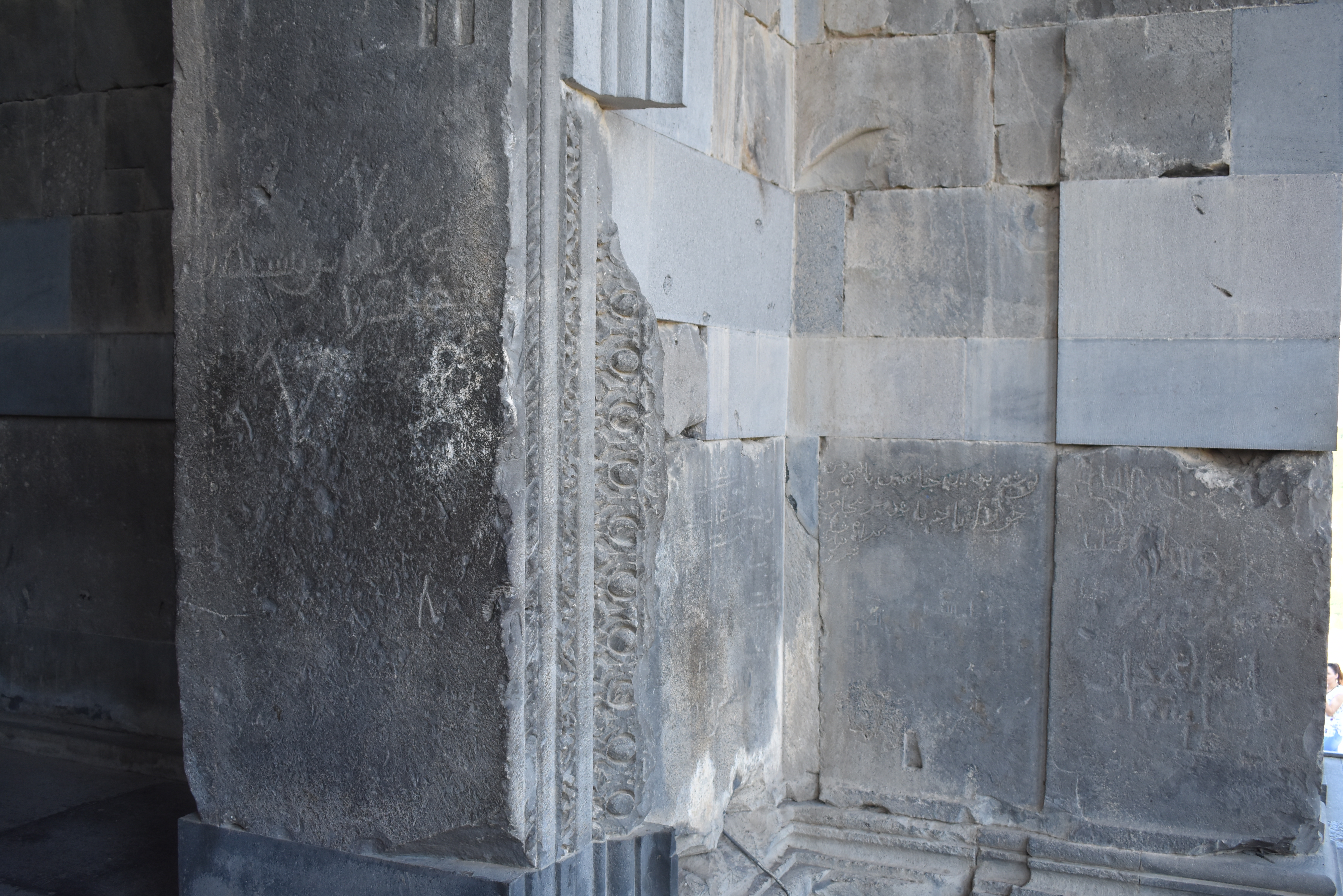
Garni Temple
Greco-Roman colonnaded temple in Armenia
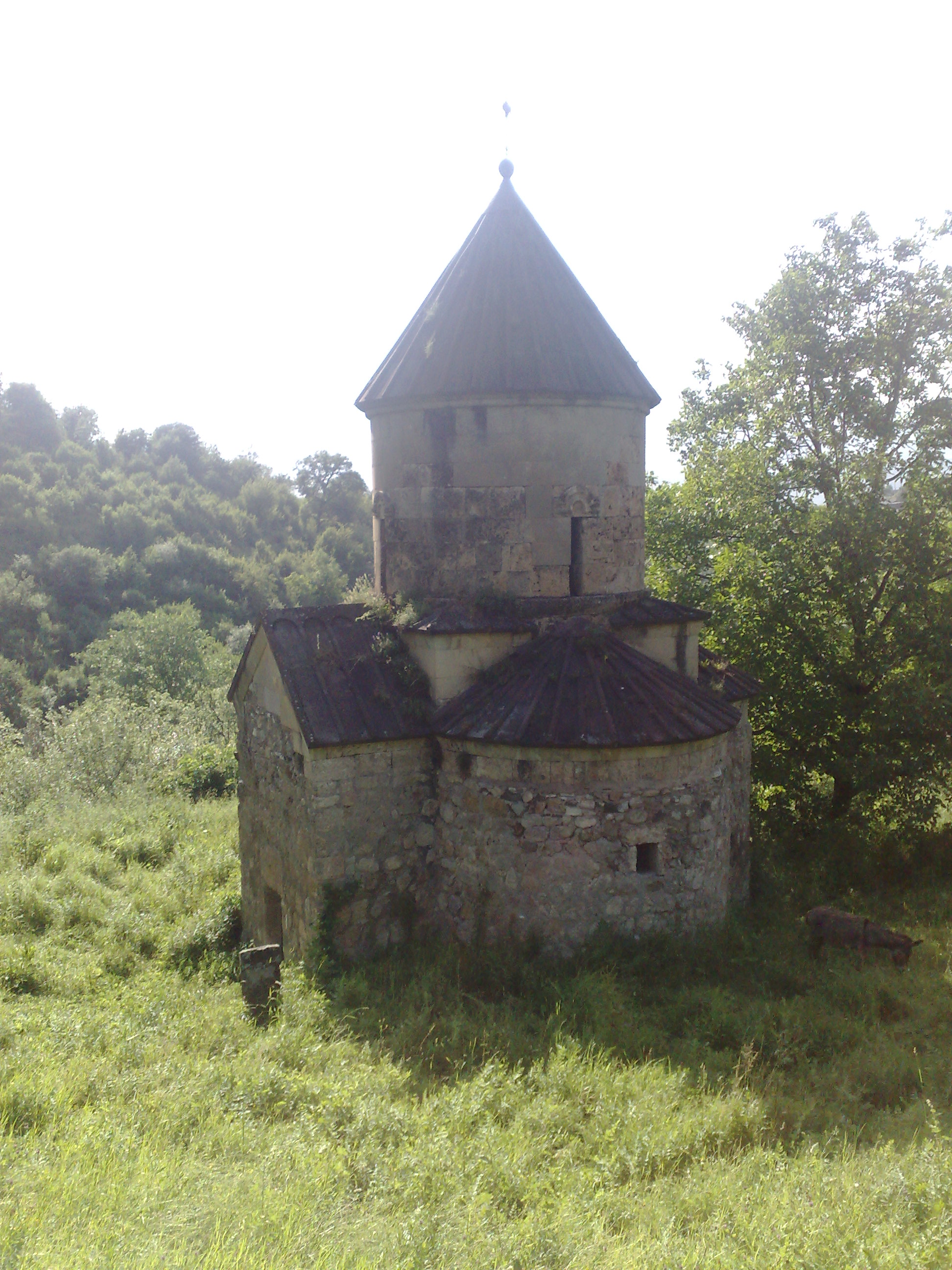
Tsrviz Chapel
Medieval Armenian chapel with historical inscriptions.
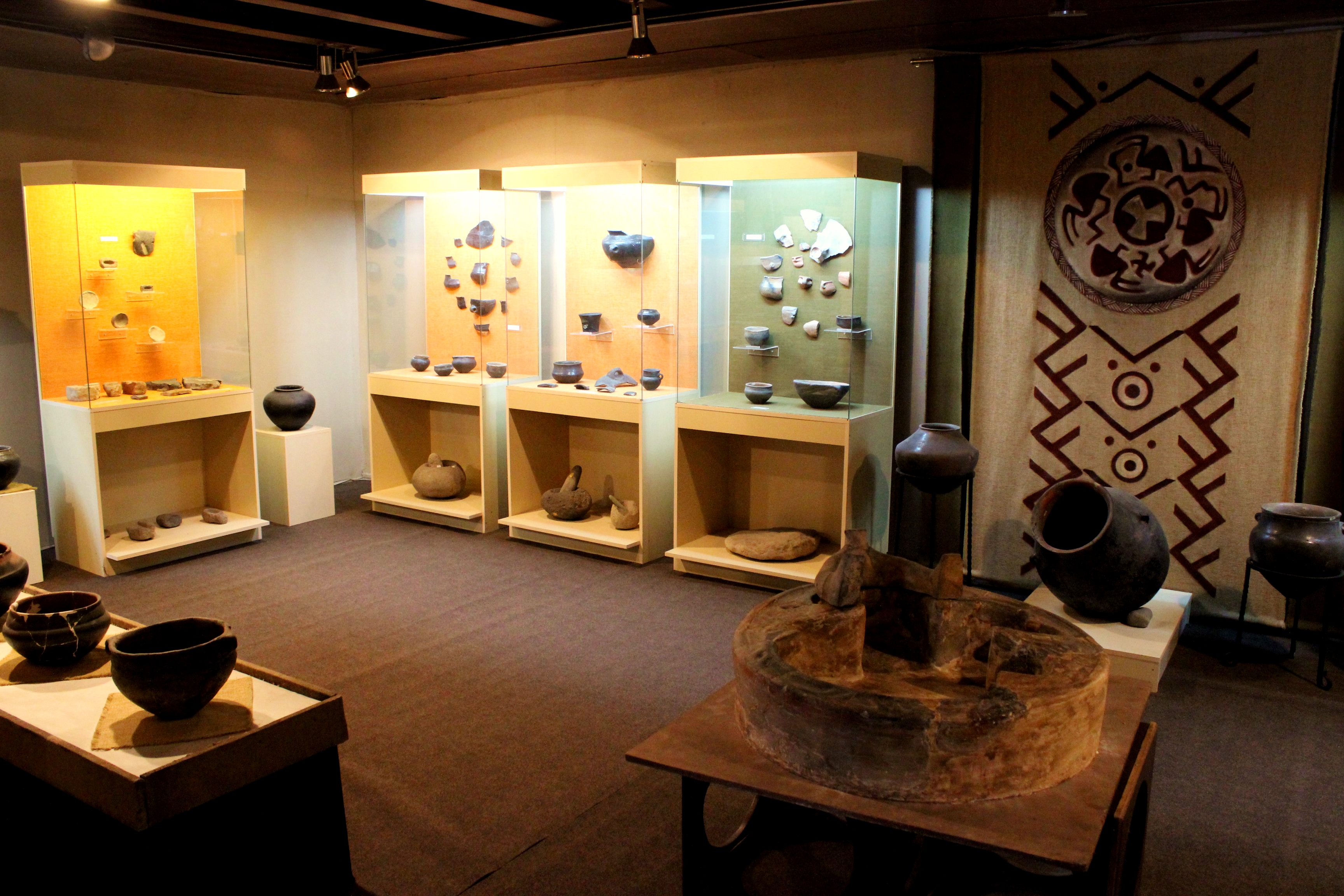
Shengavit (site)
Early Bronze Age settlement with fortifications.
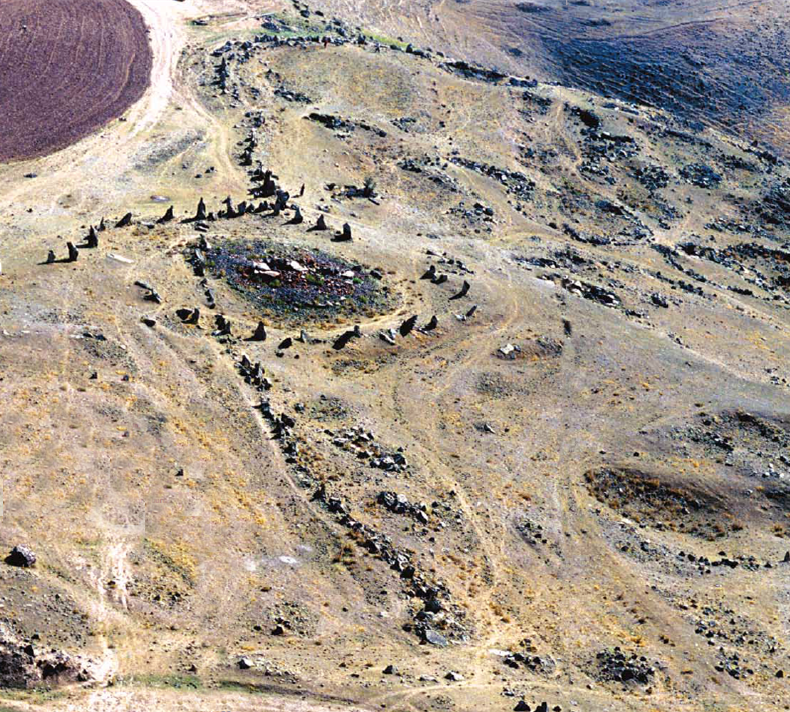
Carahunge
Prehistoric stone circle with astronomical alignments.
Artaxata
Ancient Armenian city with rich Hellenistic features