
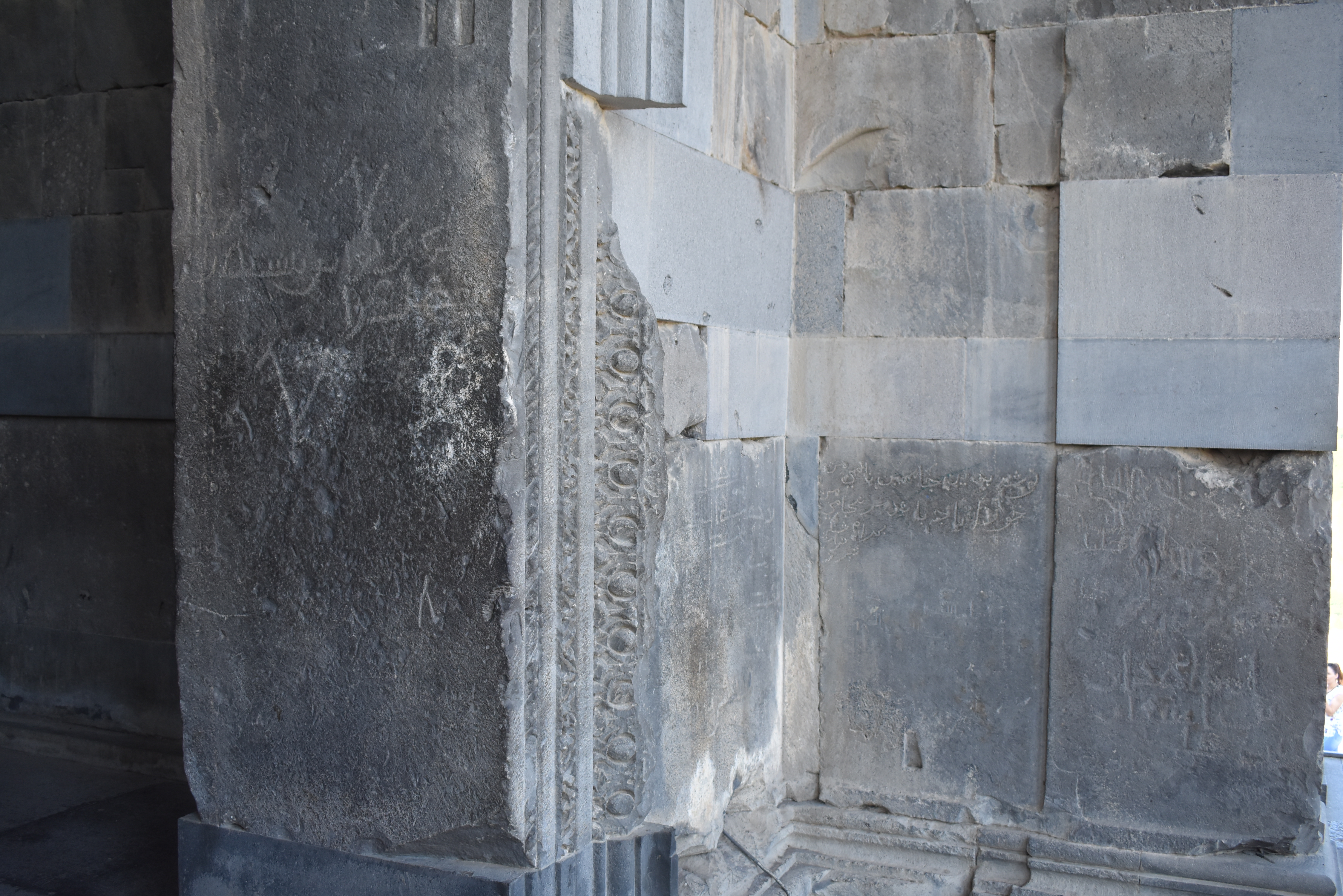
Explore the Map
Garni Temple
40.1124° N, 44.7303° E
About
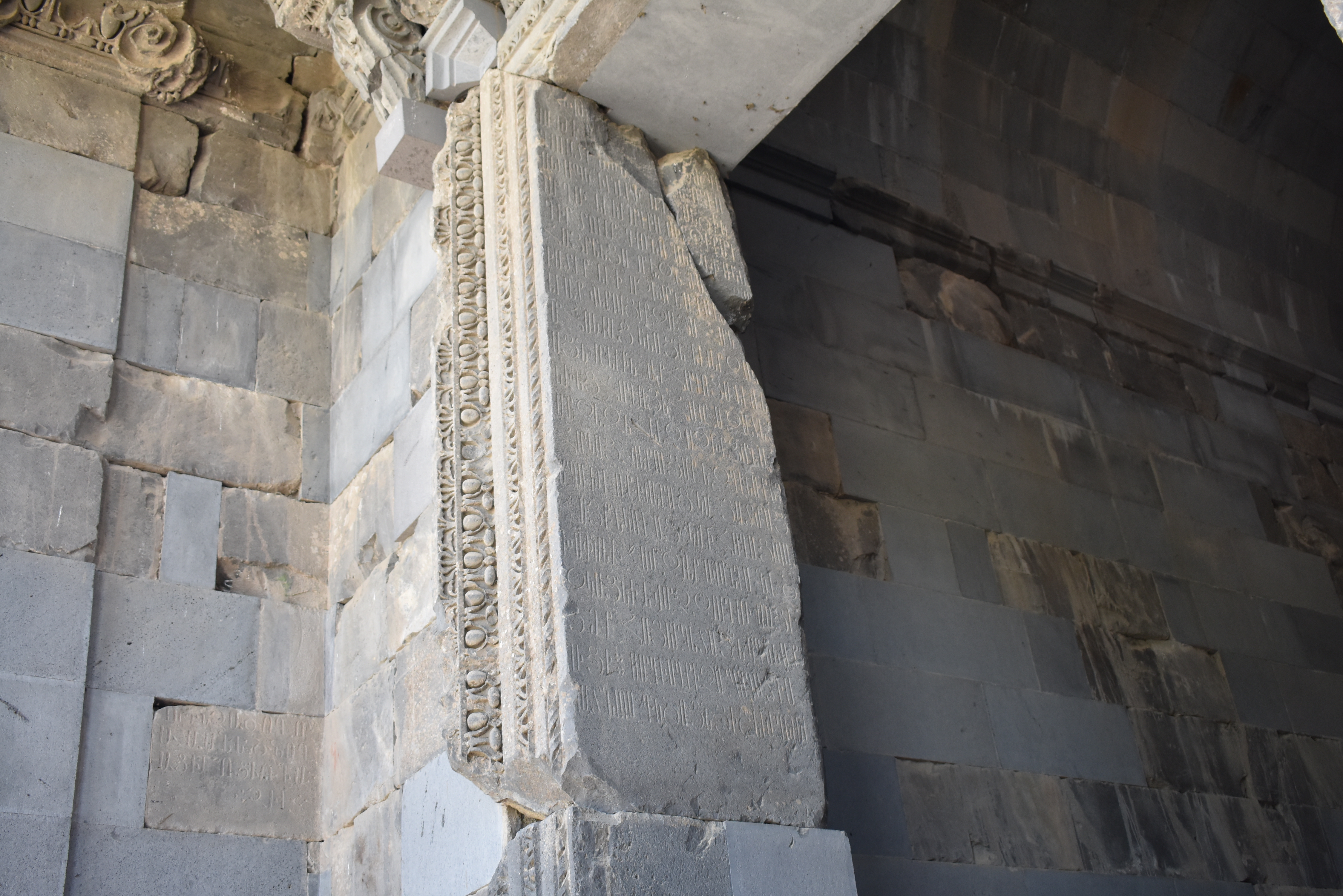
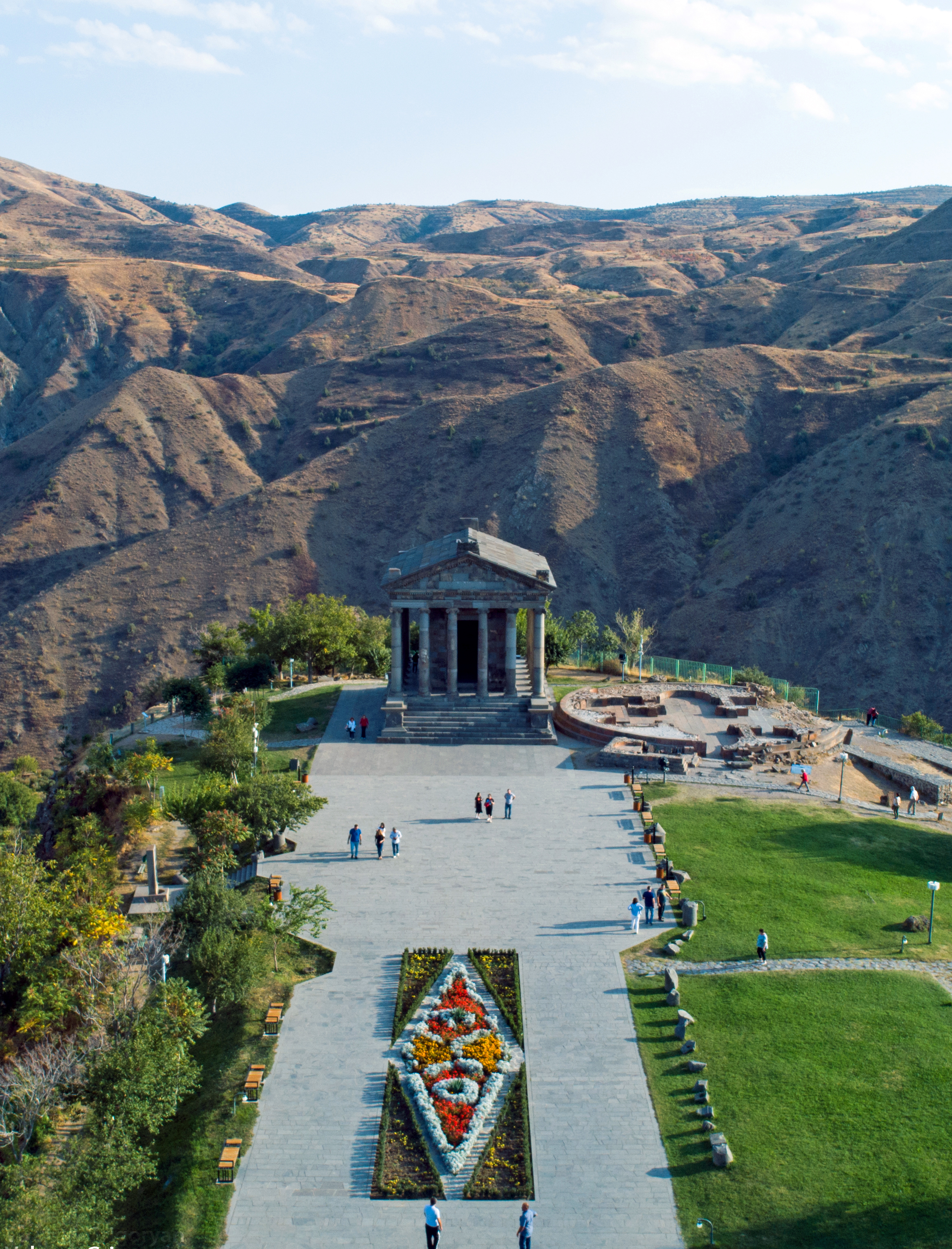
The Garni Temple is a significant archaeological site in Armenia, representing the easternmost extent of Greco-Roman architectural influence. Constructed in the 1st century CE, possibly under the reign of King Tiridates I, it was originally dedicated to Mihr, the sun god. The temple is an Ionic order structure, notable for its robust basalt construction and classical decorative elements, such as acanthus friezes and lion head sculptures. It was later converted into a royal summer residence following Armenia's conversion to Christianity and survived the destruction of pagan temples in the 4th century. The temple's collapse in the 1679 earthquake led to extensive reconstruction efforts in the 20th century. Today, it stands as the only classical temple in the former Soviet Union, highlighting its unique cultural and historical significance.
Gallery
Explore photographs of ancient structures, artifacts, and archaeological excavations
Historical Timeline
Journey through time and discover key events in this site's history
Construction of Garni Temple
77 CE
Conversion to royal summer house
4th century CE
1679 Earthquake
1679 CE
Archaeological Features
Unique architectural and cultural elements found at this historical site
Defensive Structures
Burial and Funerary Structures
Religious and Ritual Structures
Artistic and Decorative Features
Frequently Asked Questions
Plan Your Visit
Tours, travel arrangements, and practical information
Recommended Tours

More Sites in Armenia
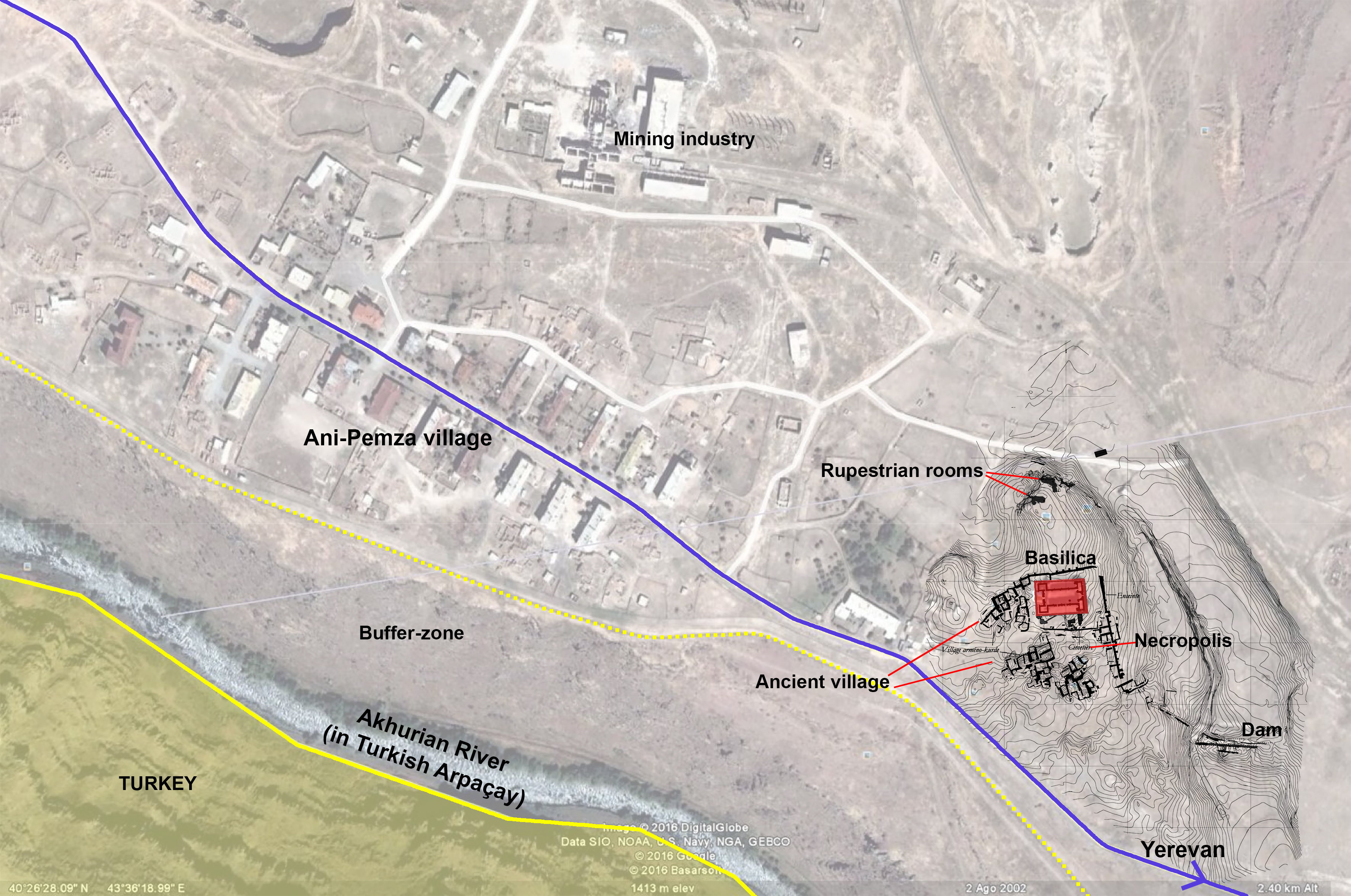
Yererouk
Early medieval Armenian basilica on a plateau.
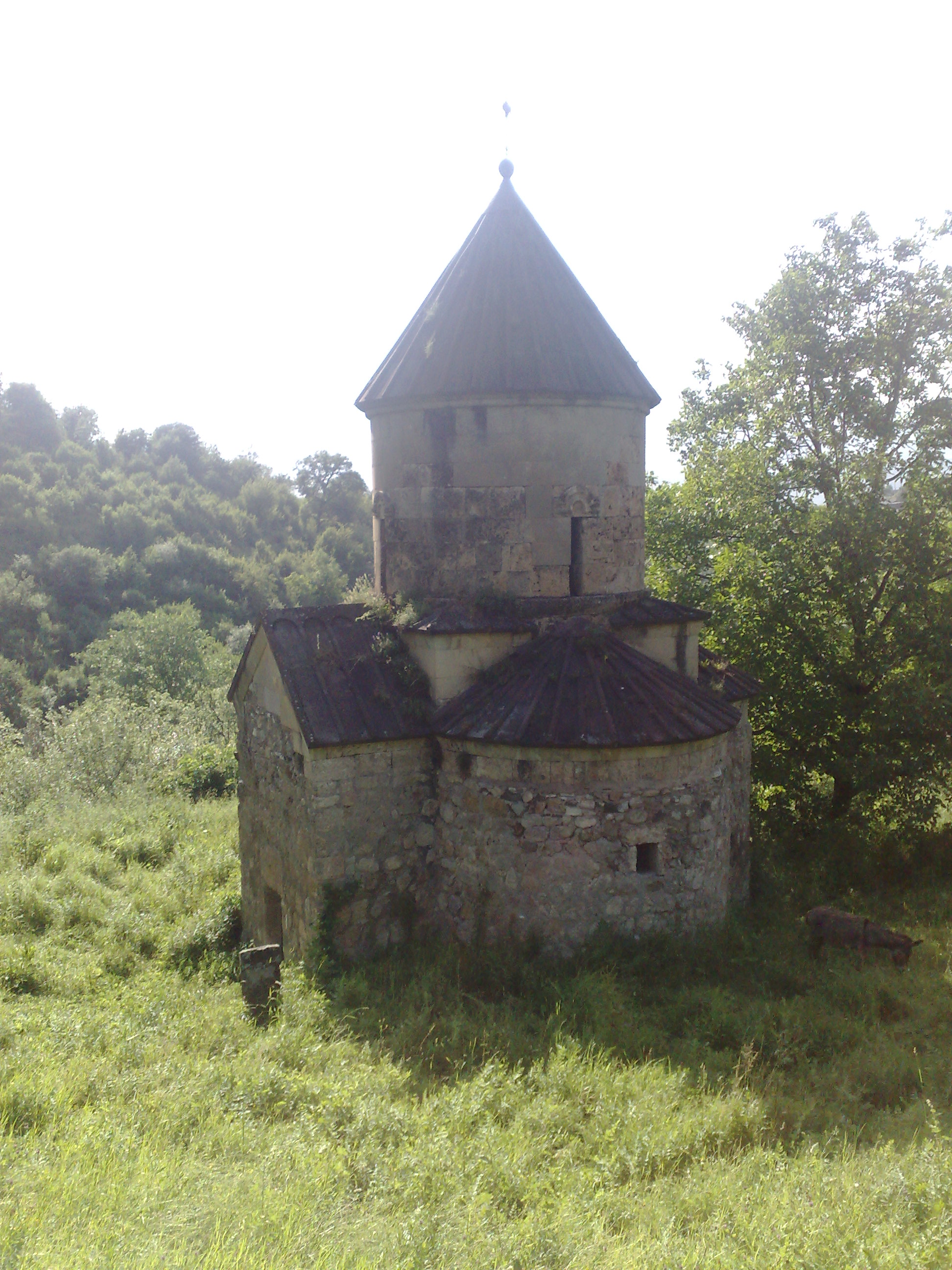
Tsrviz Chapel
Medieval Armenian chapel with historical inscriptions.
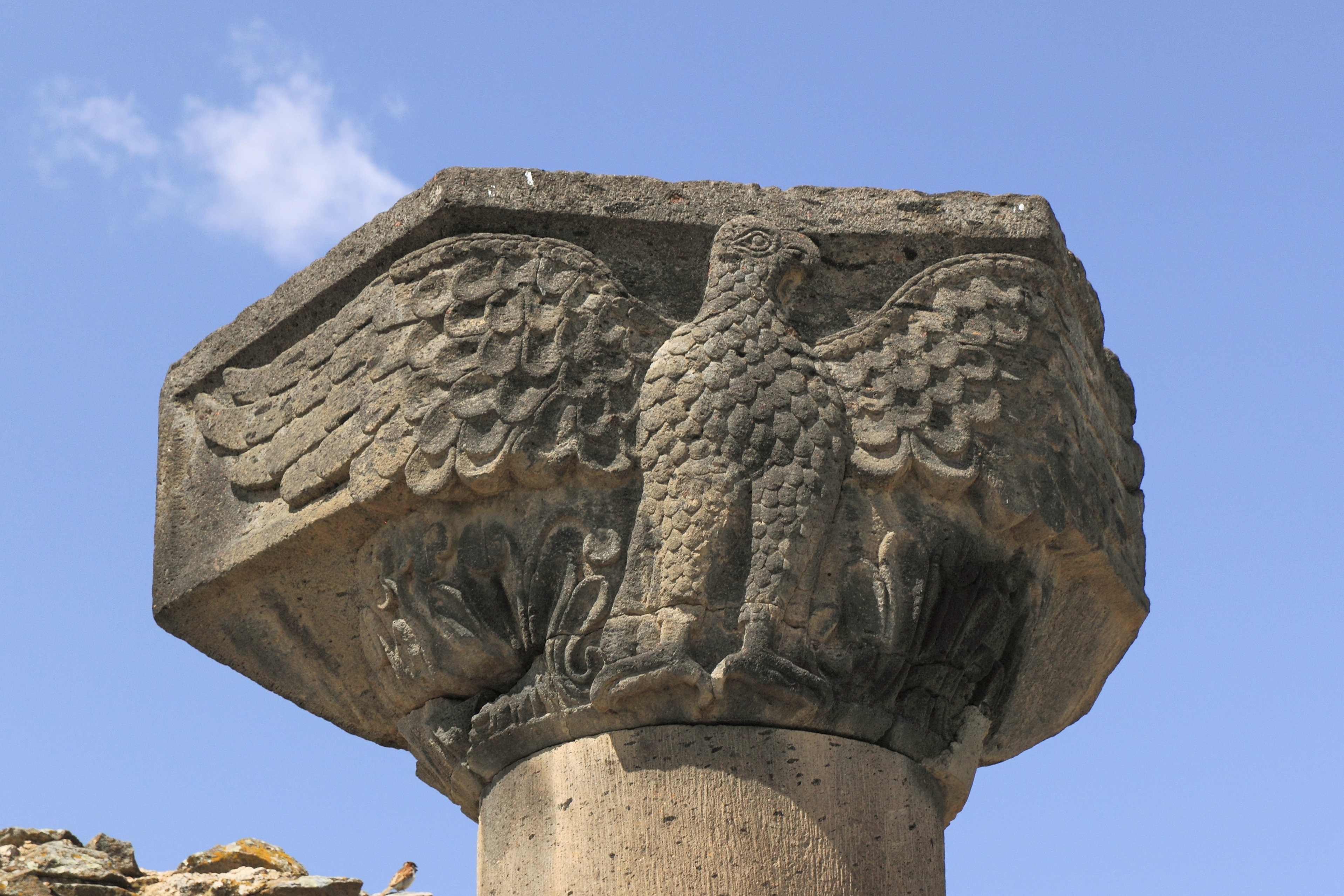
Zvartnots Cathedral
Circular medieval Armenian cathedral ruins
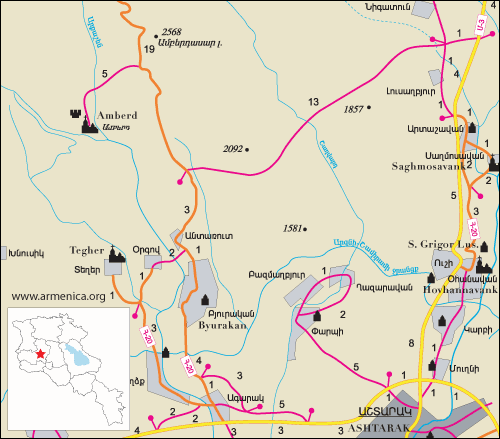
Tegher Monastery
13th-century Armenian monastery with historical ruins
Metsamor site
Ancient fortress with religious complex.
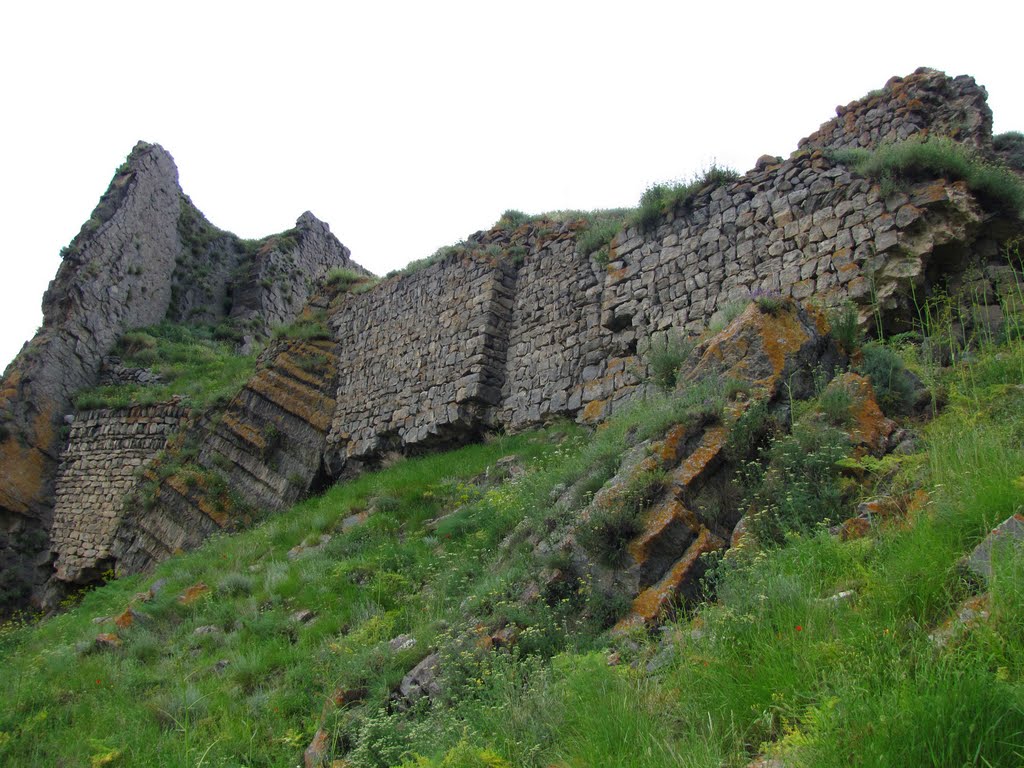
Halidzor Fortress
17th-century Armenian hilltop fortress