Explore the Map
Tsrviz Chapel
40.9131° N, 45.1934° E
About
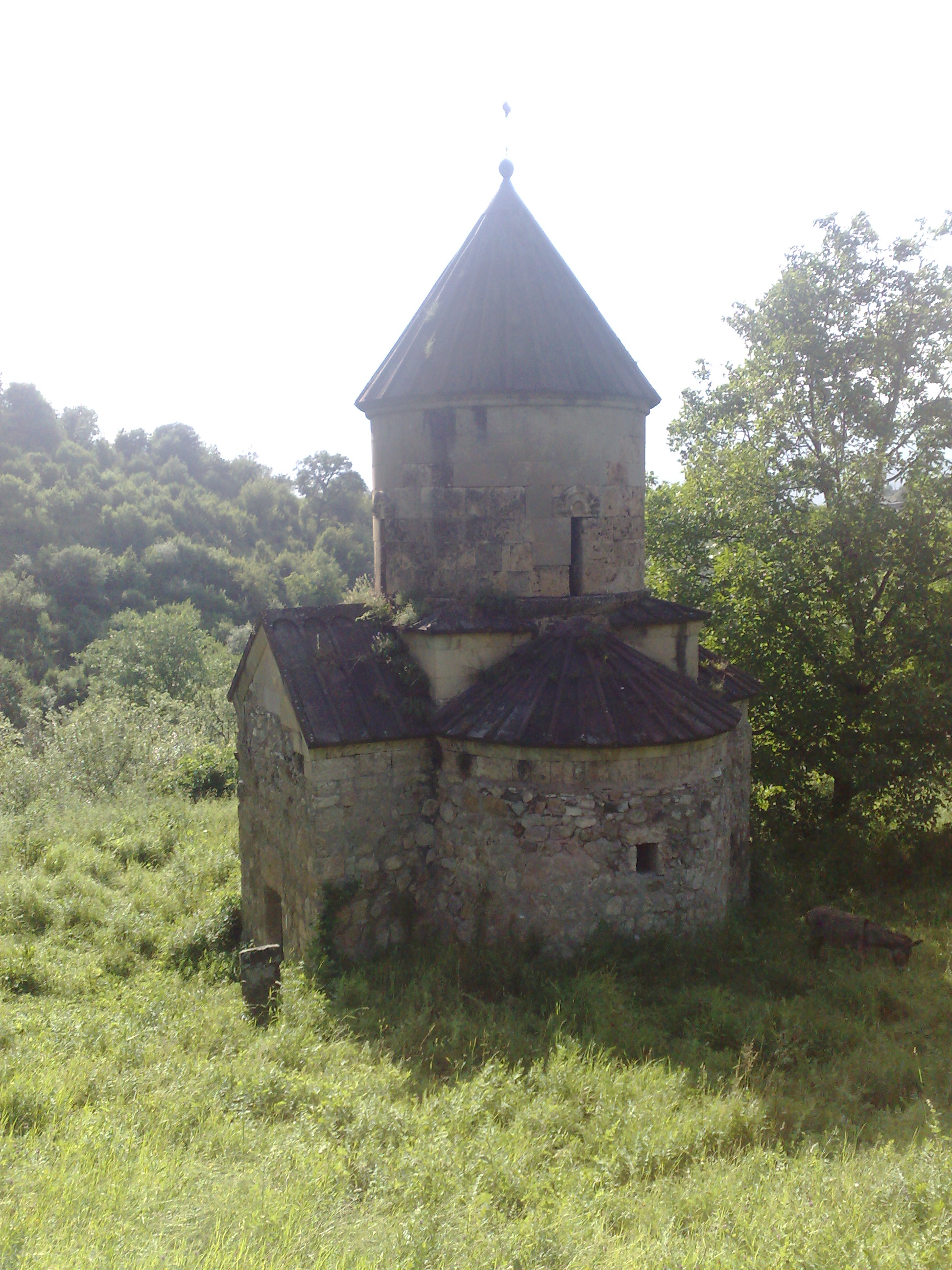
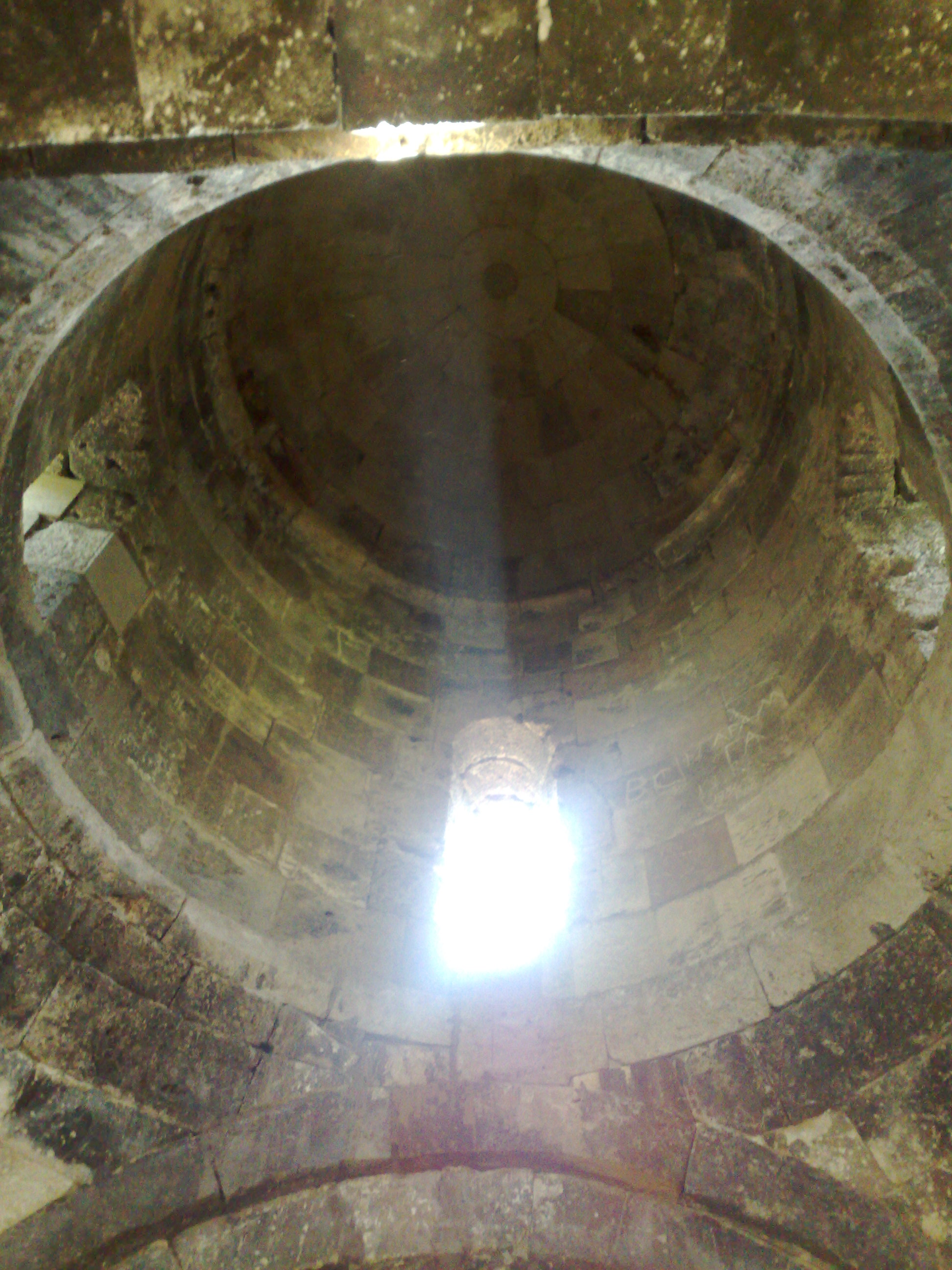
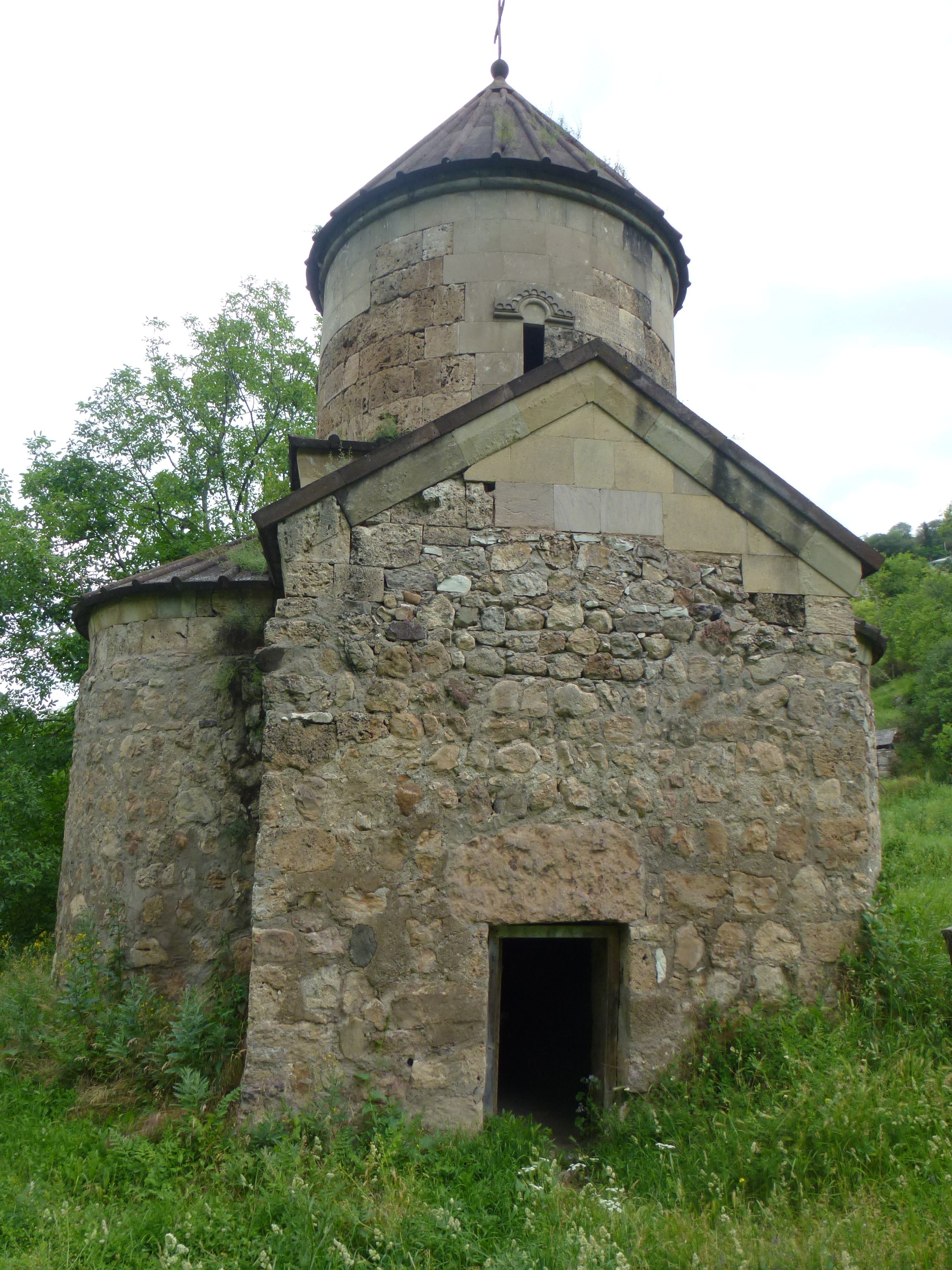
The Tsrviz Chapel, also known as Moro-Dzoro, is a significant medieval Armenian religious site located near Lusahovit in the Tavush Province of Armenia. Initially constructed in the 5th century CE, this chapel exemplifies early Christian architectural styles. It underwent significant reconstruction during the 12th and 13th centuries, highlighted by an inscription that details King George III of Georgia's tax exemptions and land grants to the monastery. The chapel's dome was notably rebuilt in 1213 CE by Ivane Mkhargrdzeli, the atabeg of the Kingdom of Georgia. The site is adorned with inscriptions and surrounded by the remains of a medieval settlement, including khachkars. The chapel was also renovated in the 1980s, reflecting its ongoing historical and cultural significance.
Gallery
Explore photographs of ancient structures, artifacts, and archaeological excavations
Historical Timeline
Journey through time and discover key events in this site's history
Chapel Construction
5th century CE
Reconstruction and Inscription
12th century CE
Dome Rebuilt by Ivane Mkhargrdzeli
1213 CE
Archaeological Features
Unique architectural and cultural elements found at this historical site
Religious and Ritual Structures
Artistic and Decorative Features
Frequently Asked Questions
Plan Your Visit
Tours, travel arrangements, and practical information
More Sites in Armenia
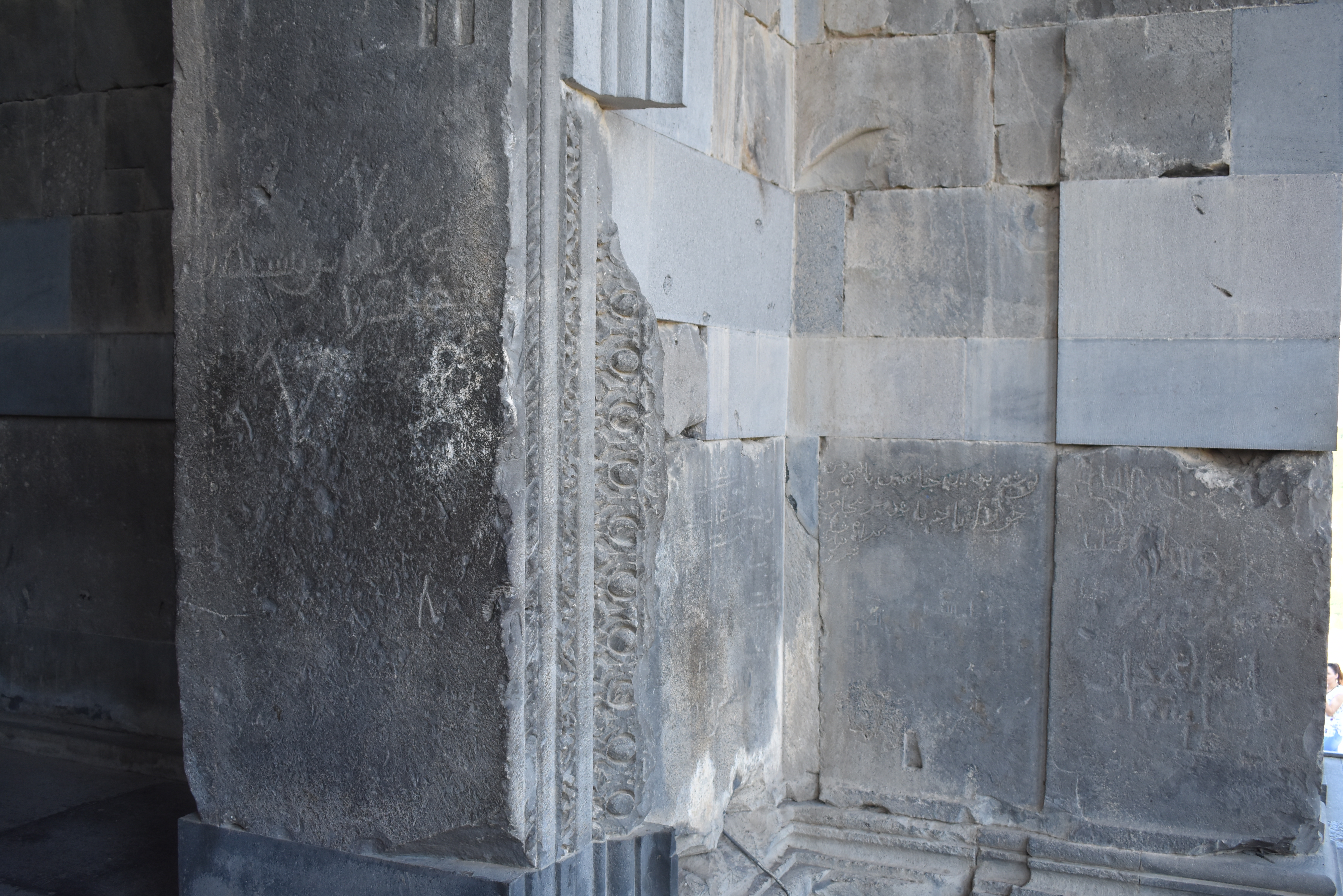
Garni Temple
Greco-Roman colonnaded temple in Armenia
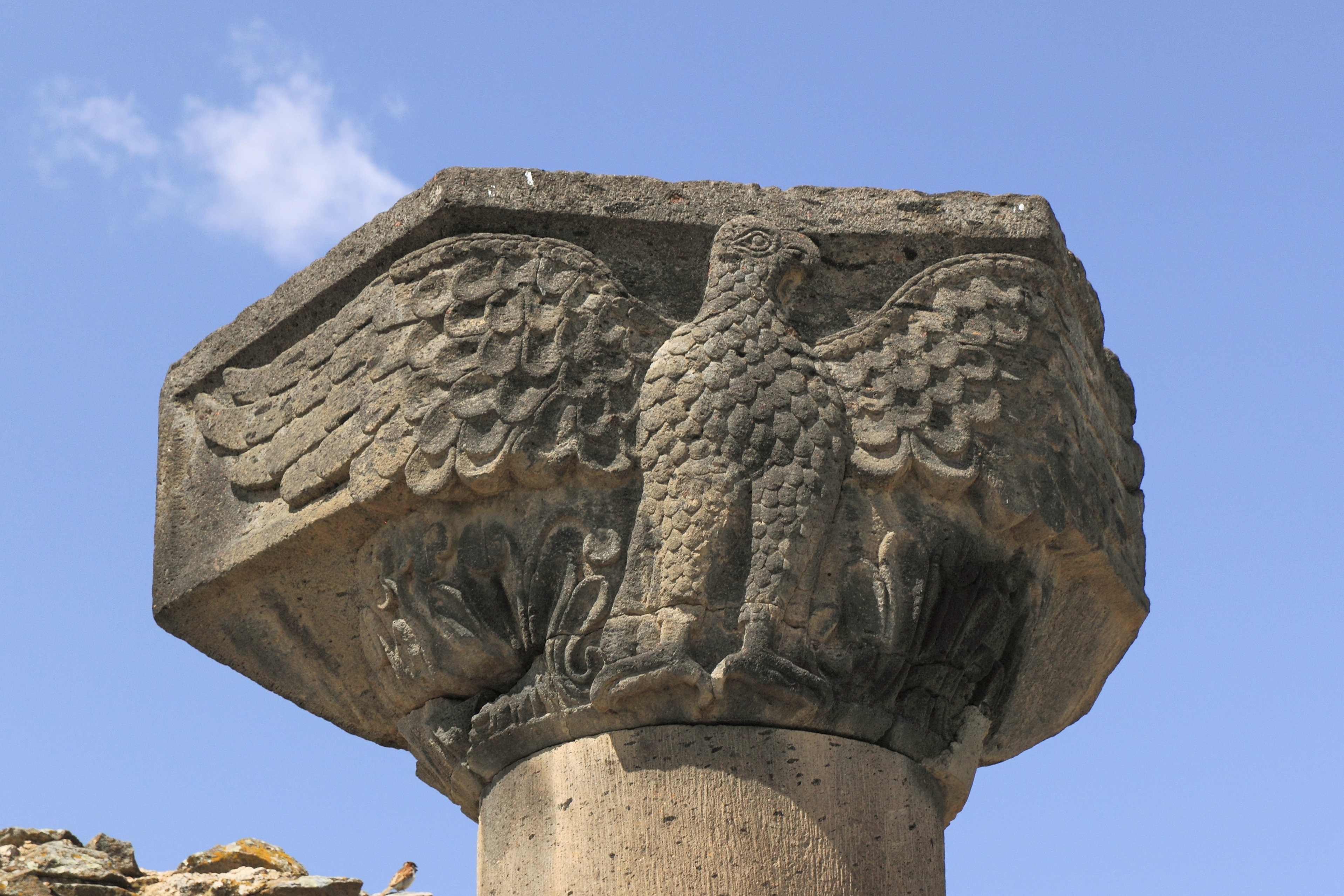
Zvartnots Cathedral
Circular medieval Armenian cathedral ruins
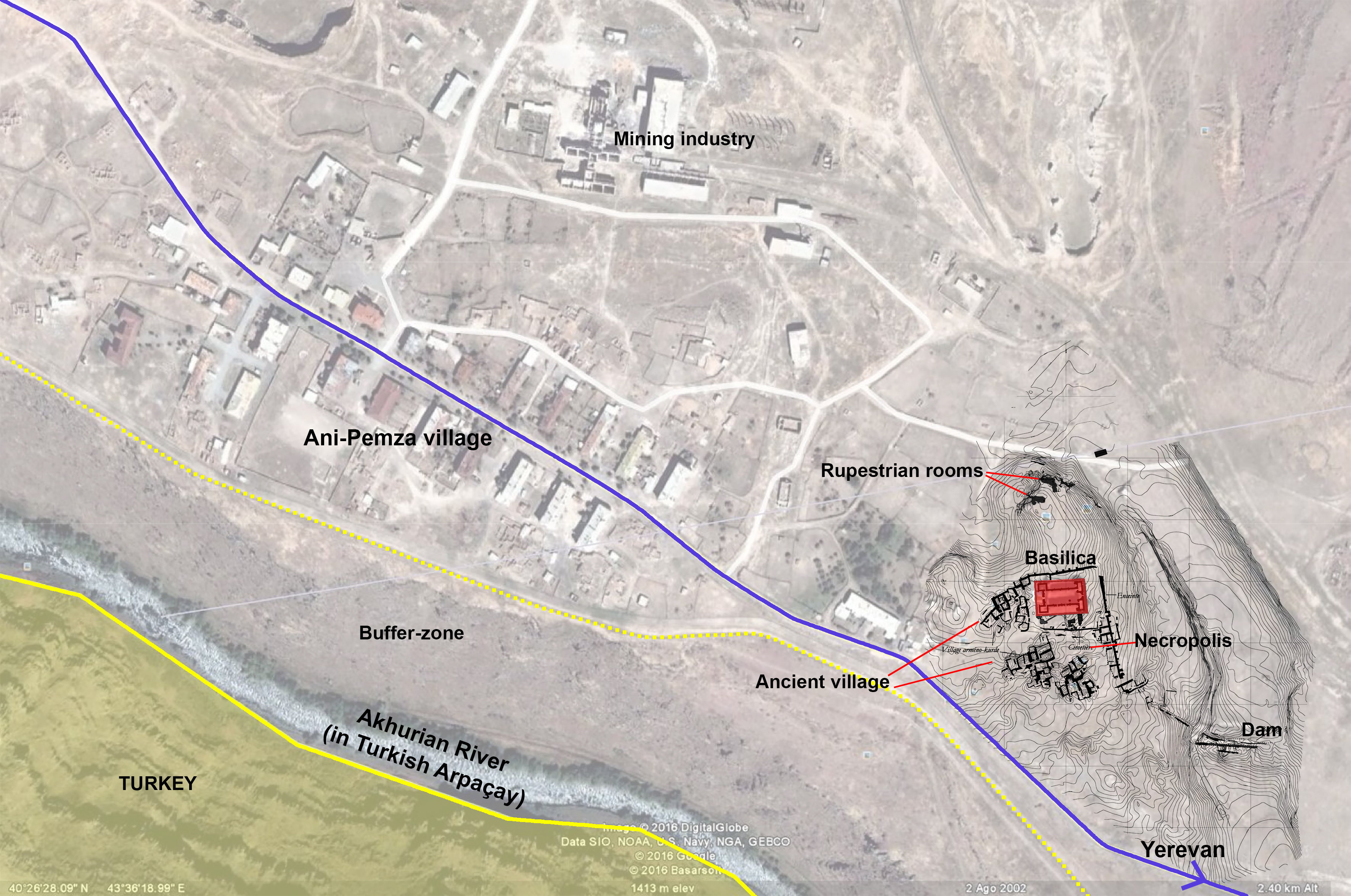
Yererouk
Early medieval Armenian basilica on a plateau.
Metsamor site
Ancient fortress with religious complex.
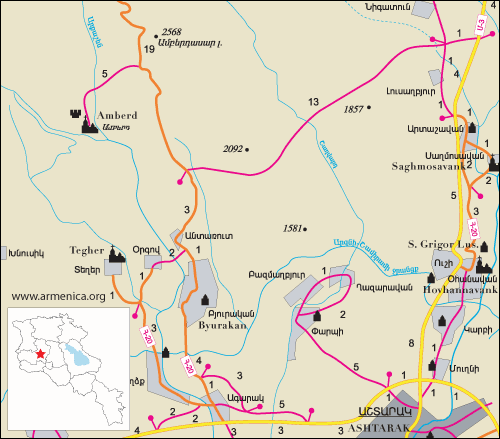
Tegher Monastery
13th-century Armenian monastery with historical ruins
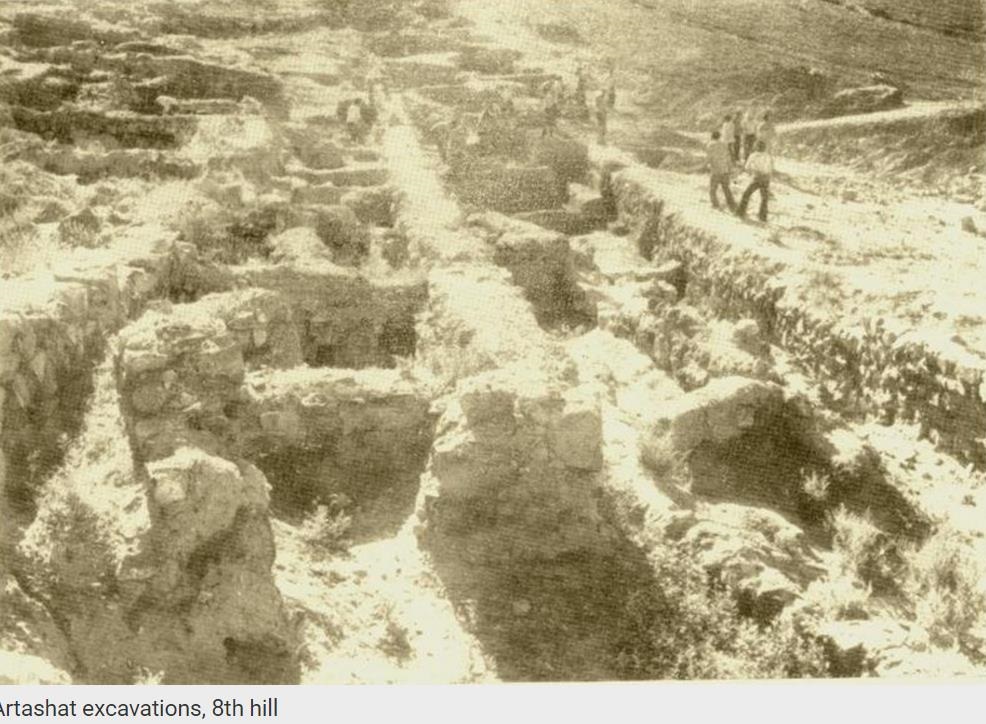
Artaxata
Ancient Armenian city with rich Hellenistic features