Explore the Map
Shengavit (site)
40.1570° N, 44.4769° E
About
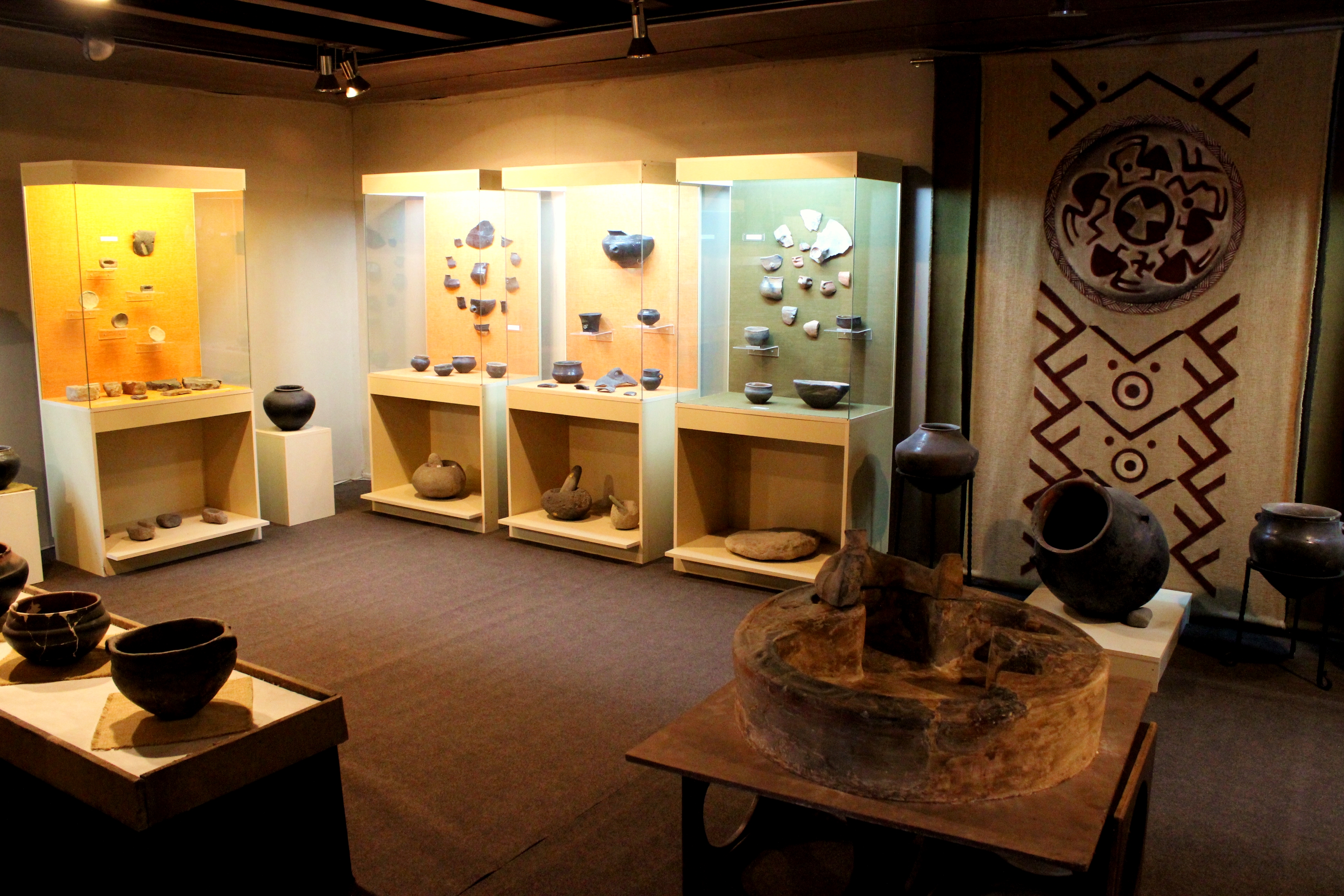
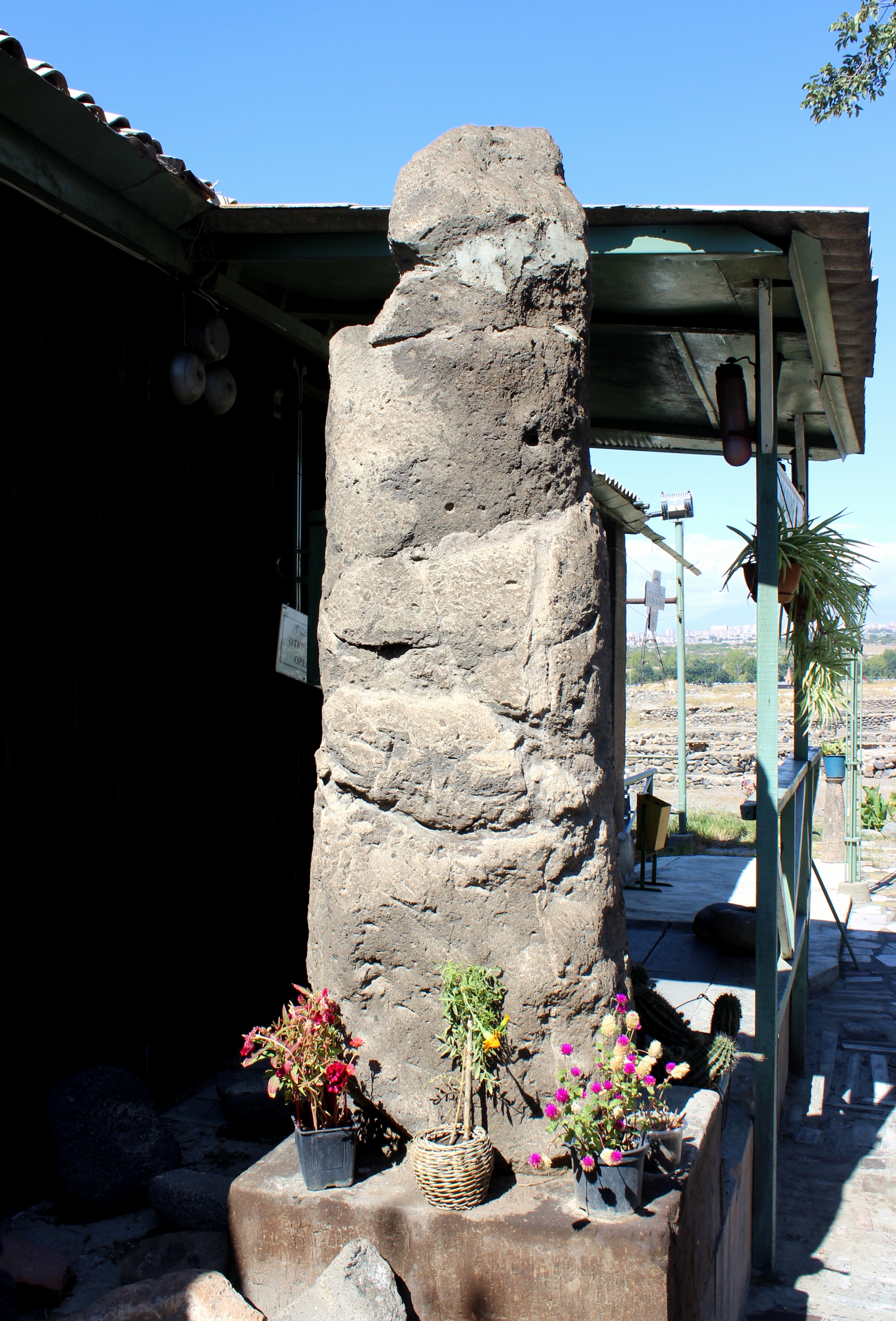
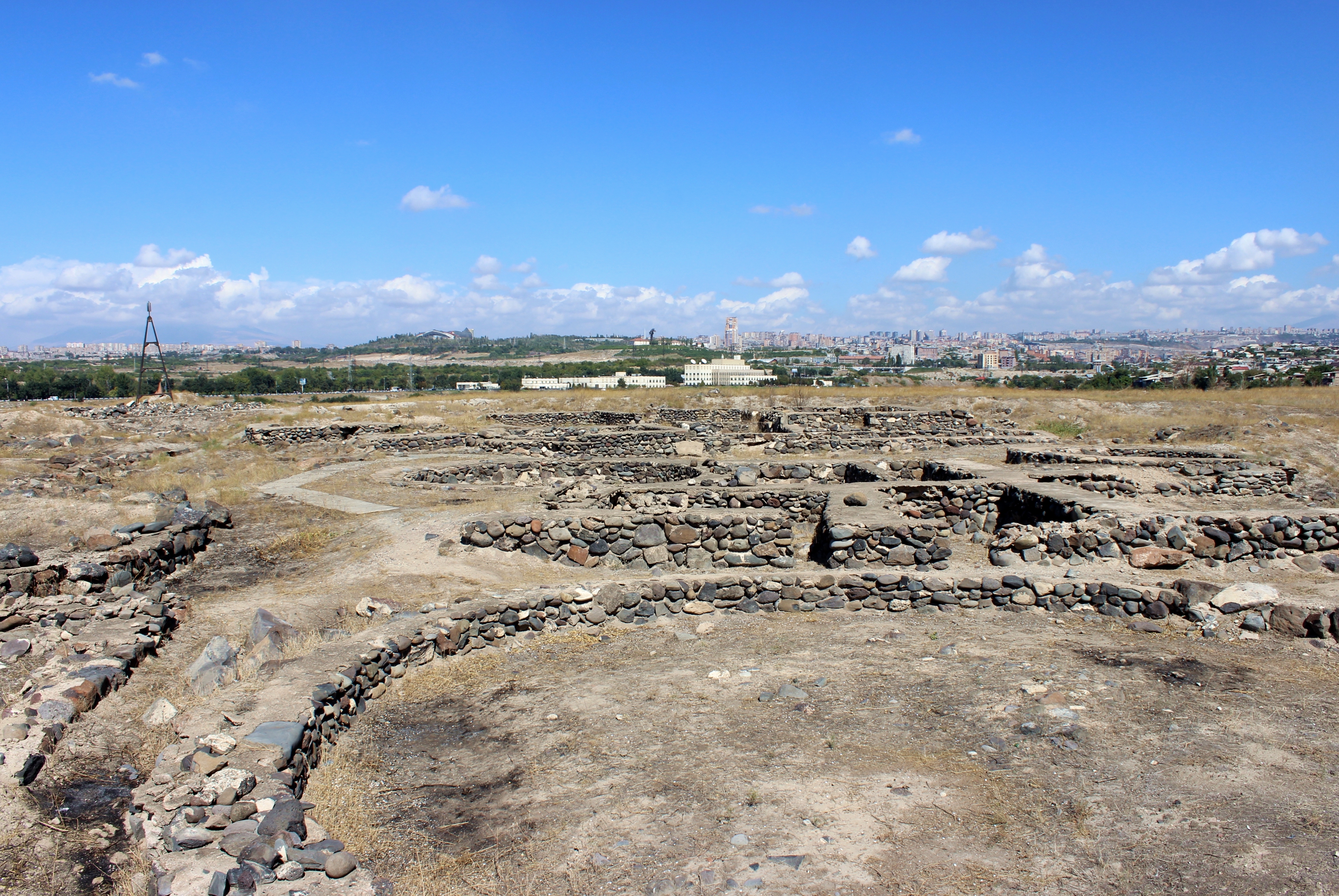
The Shengavit Settlement is a prominent archaeological site located in modern-day Yerevan, Armenia. It dates back to the Early Bronze Age, specifically the Kura-Araxes period, around 3000 BCE to 2500 BCE, with evidence of re-use until 2200 BCE. The site spans six hectares and is characterized by its substantial cyclopean stone walls, defensive towers, and unique circular and square multi-dwelling structures. Ritual installations and an underground passage to the river highlight its societal and ceremonial significance. The site also features evidence of advanced metallurgy and organized craft production, with large storage silos suggesting surplus grain production. Pottery from Shengavit serves as a type site for the Kura-Araxes culture, marking it as an important center for understanding Early Transcaucasian societies.
Gallery
Explore photographs of ancient structures, artifacts, and archaeological excavations
Historical Timeline
Journey through time and discover key events in this site's history
Settlement phase
3000 BCE
Re-use phase
2200 BCE
Archaeological Features
Unique architectural and cultural elements found at this historical site
Storage Structures
Defensive Structures
Industrial and Craft Structures
Religious and Ritual Structures
Domestic and Habitation Structures
Transportation and Communication Structures
Frequently Asked Questions
Plan Your Visit
Tours, travel arrangements, and practical information
Recommended Tours

More Sites in Armenia
Godedzor
Prehistoric settlement with obsidian artifacts
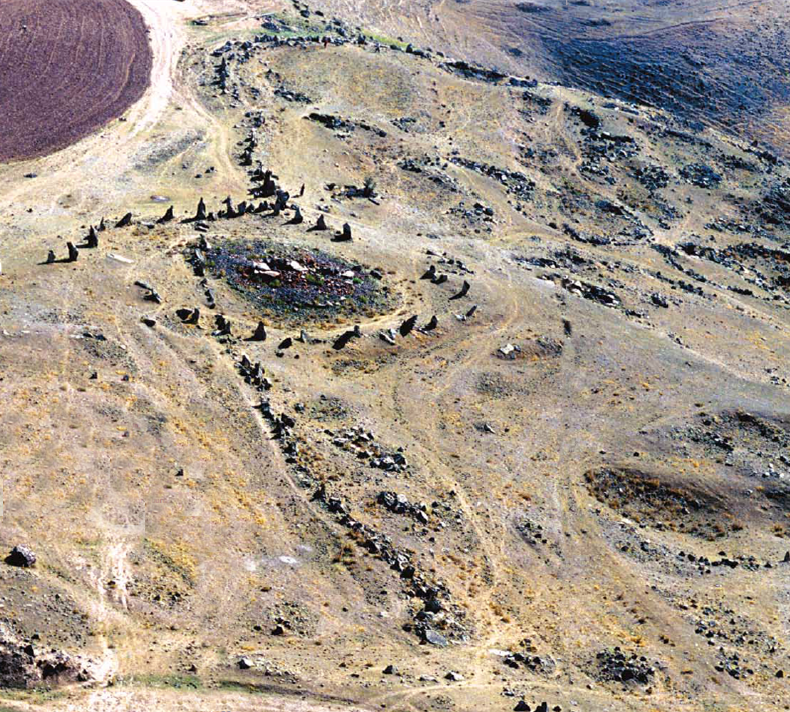
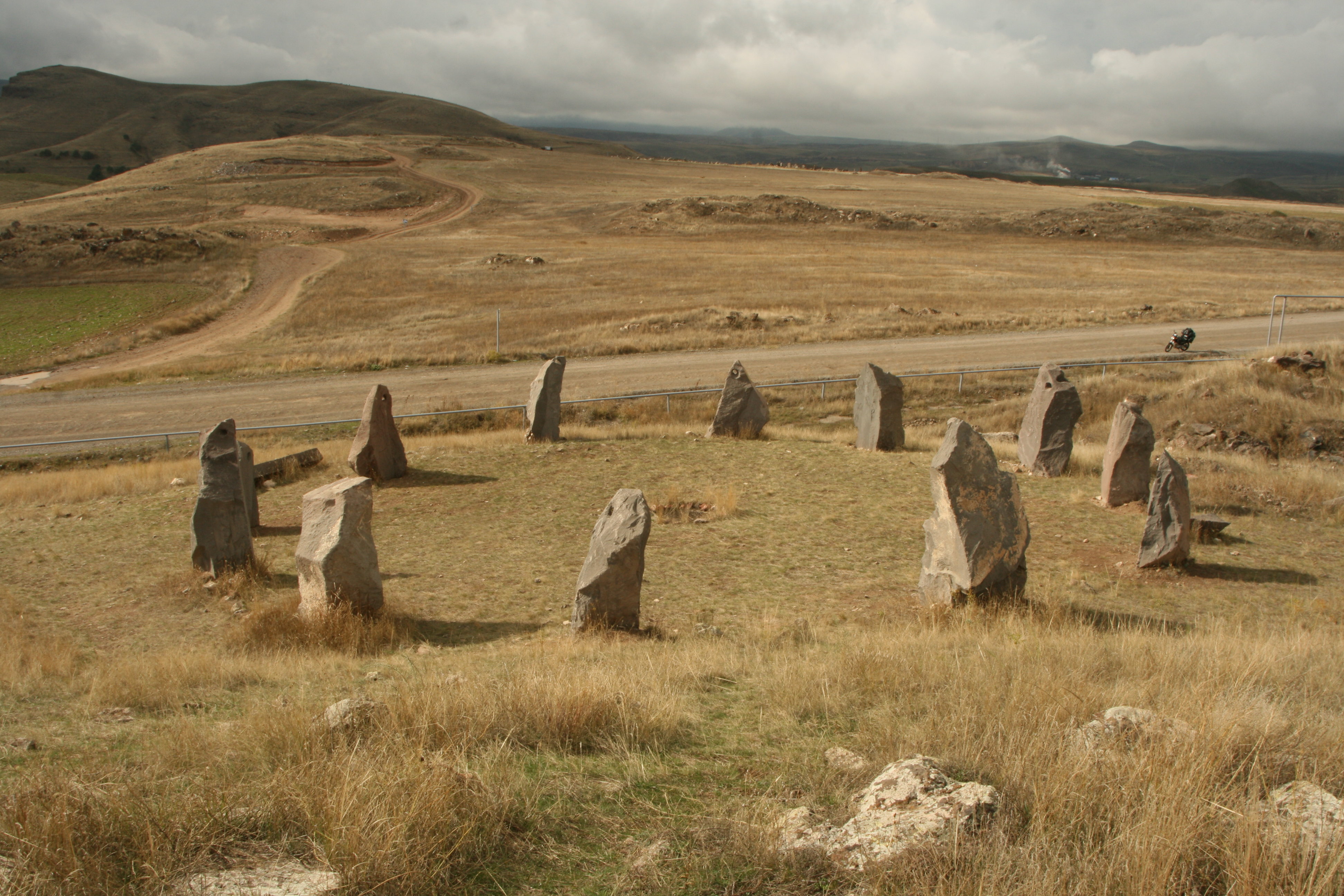
Carahunge
Prehistoric stone circle with astronomical alignments.
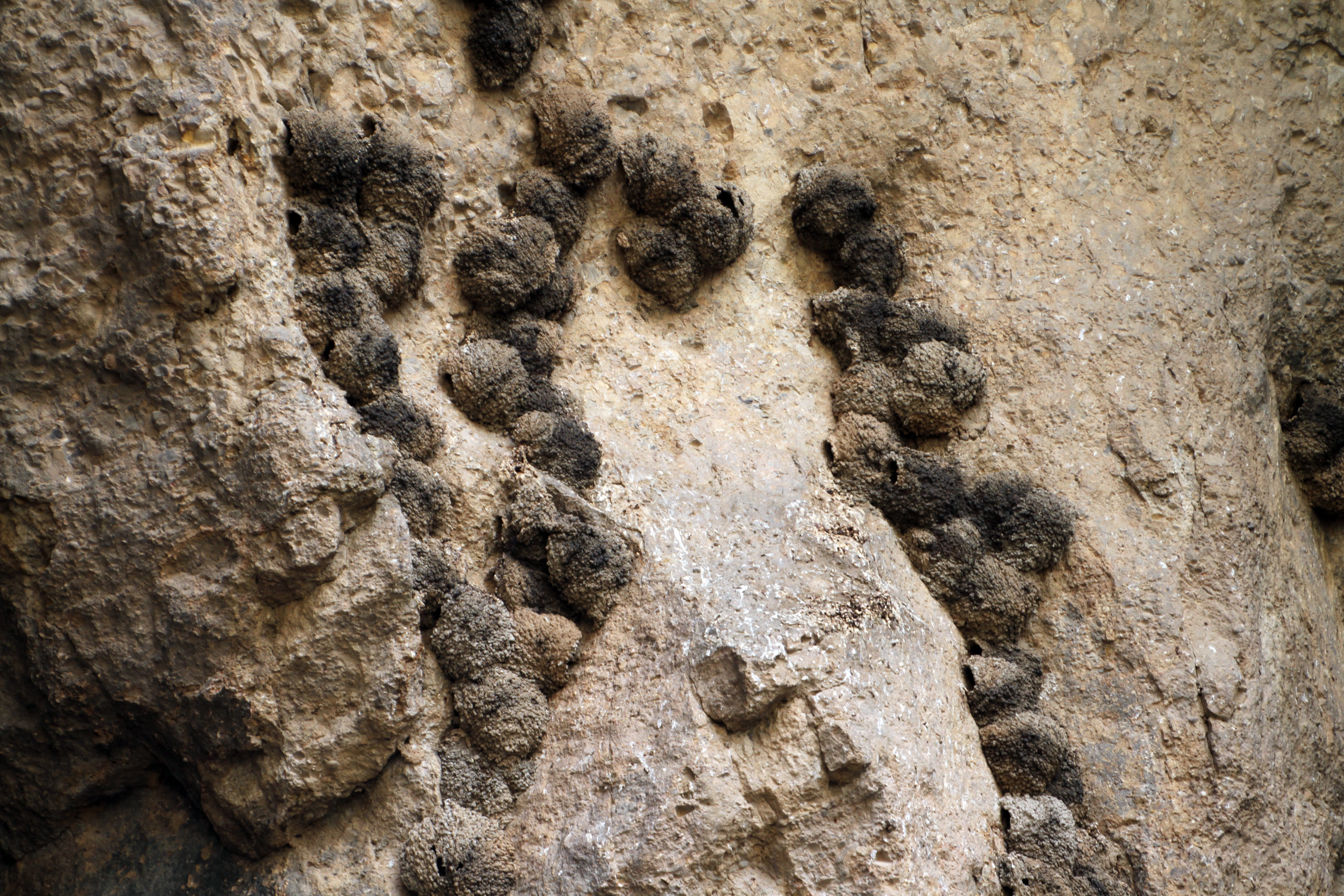
Areni-1 cave
Chalcolithic-Early Bronze Age cave settlement.
Metsamor site
Ancient fortress with religious complex.
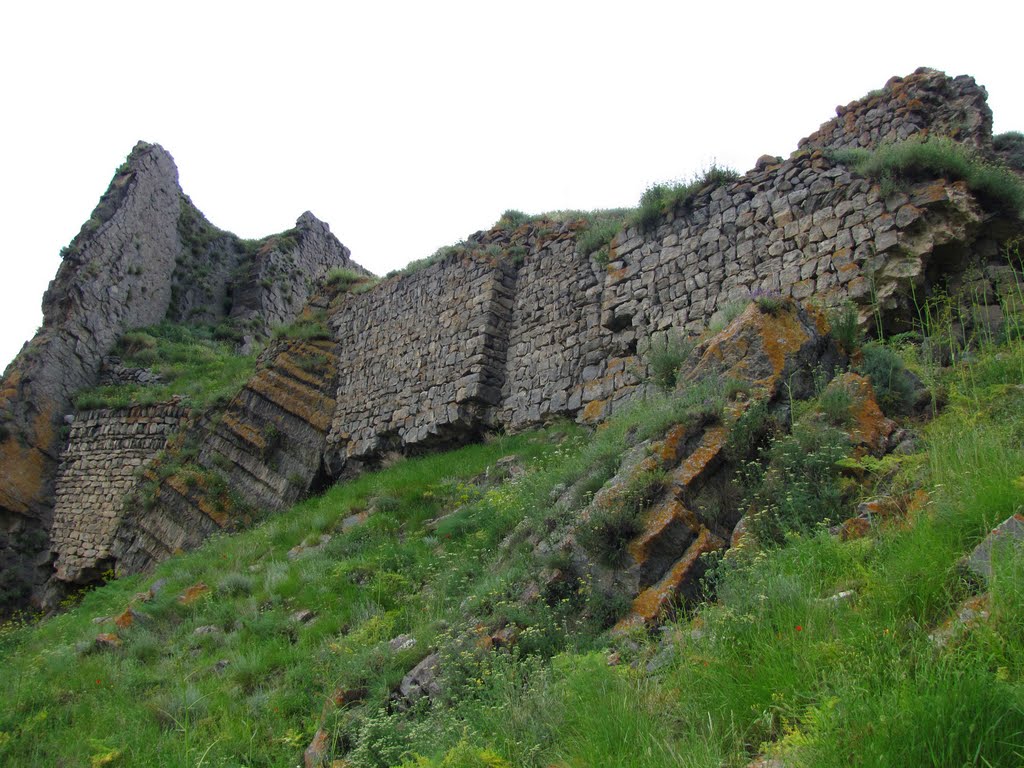
Halidzor Fortress
17th-century Armenian hilltop fortress
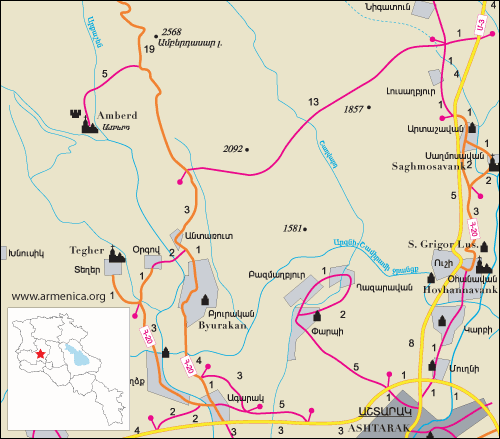
Tegher Monastery
13th-century Armenian monastery with historical ruins