Explore the Map
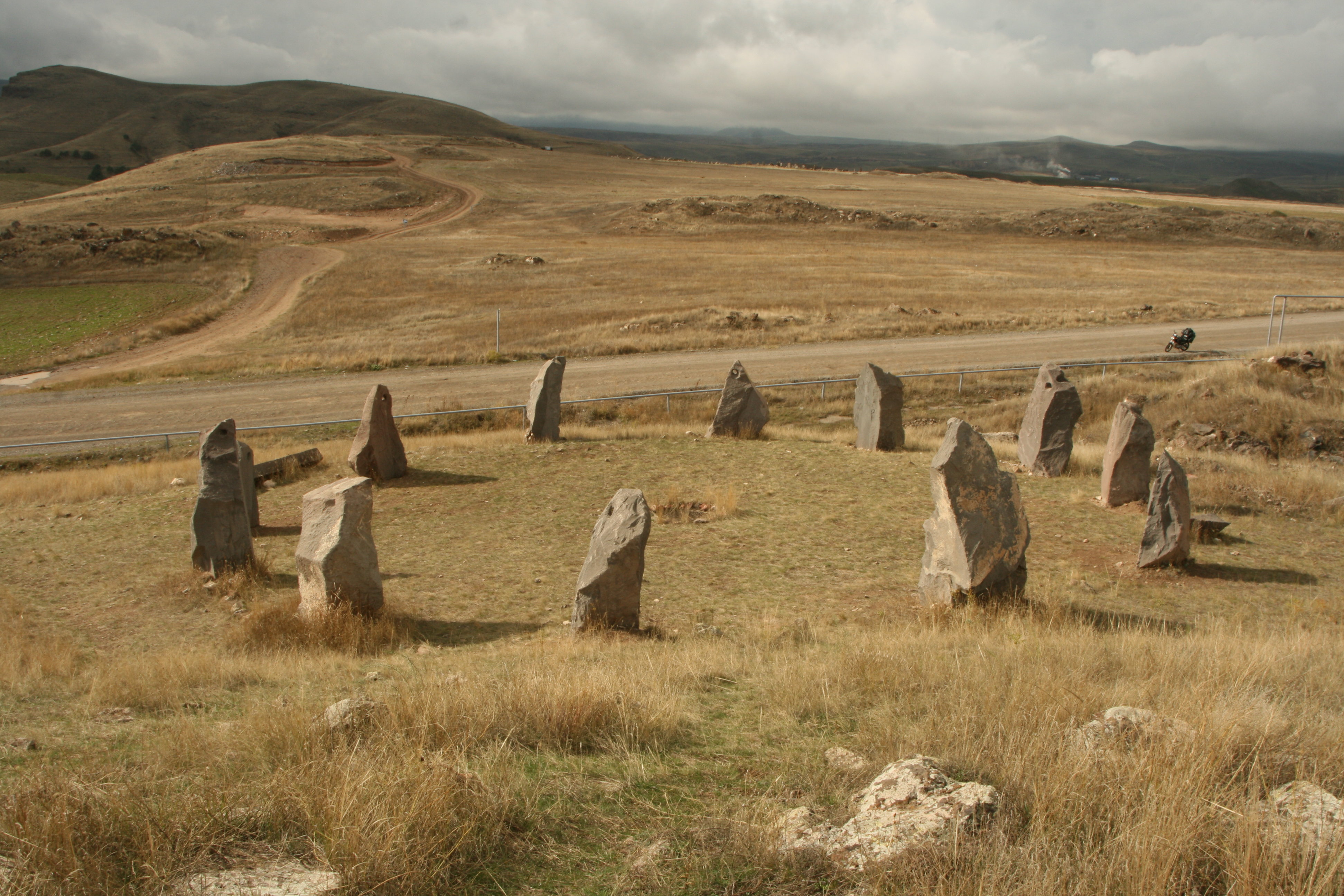
Godedzor
39.5779° N, 45.9179° E
About
Godedzor is a significant prehistoric archaeological site near the Vorotan river in Armenia, occupied primarily during the Chalcolithic period. The site served as a seasonal hub for pastoralists due to its high-altitude location and snow-covered winters. It is renowned for its distinctive obsidian artifacts, facilitated by proximity to Syunik obsidian sources, making it a key center for obsidian trade across the South Caucasus and beyond. Cultural links with the Near East are evident in the pottery, which shows connections to the Ubaid culture yet indicates local developments. The subsistence strategy of the inhabitants included agriculture, predominantly cereal crops, and animal husbandry, with goats and cattle being most common. Godedzor offers insights into the transition from Chalcolithic to Kura-Araxes cultures, emphasizing the continuity of cereal-focused agriculture in the region.
Gallery
Explore photographs of ancient structures, artifacts, and archaeological excavations
Historical Timeline
Journey through time and discover key events in this site's history
Seasonal occupation by pastoralists
3750 BCE
Main activities at the site
3650-3350 BCE
Archaeological Features
Unique architectural and cultural elements found at this historical site
Animal Husbandry Features
Industrial and Craft Structures
Artistic and Decorative Features
Agricultural and Land Use Features
Frequently Asked Questions
Plan Your Visit
Tours, travel arrangements, and practical information
More Sites in Armenia
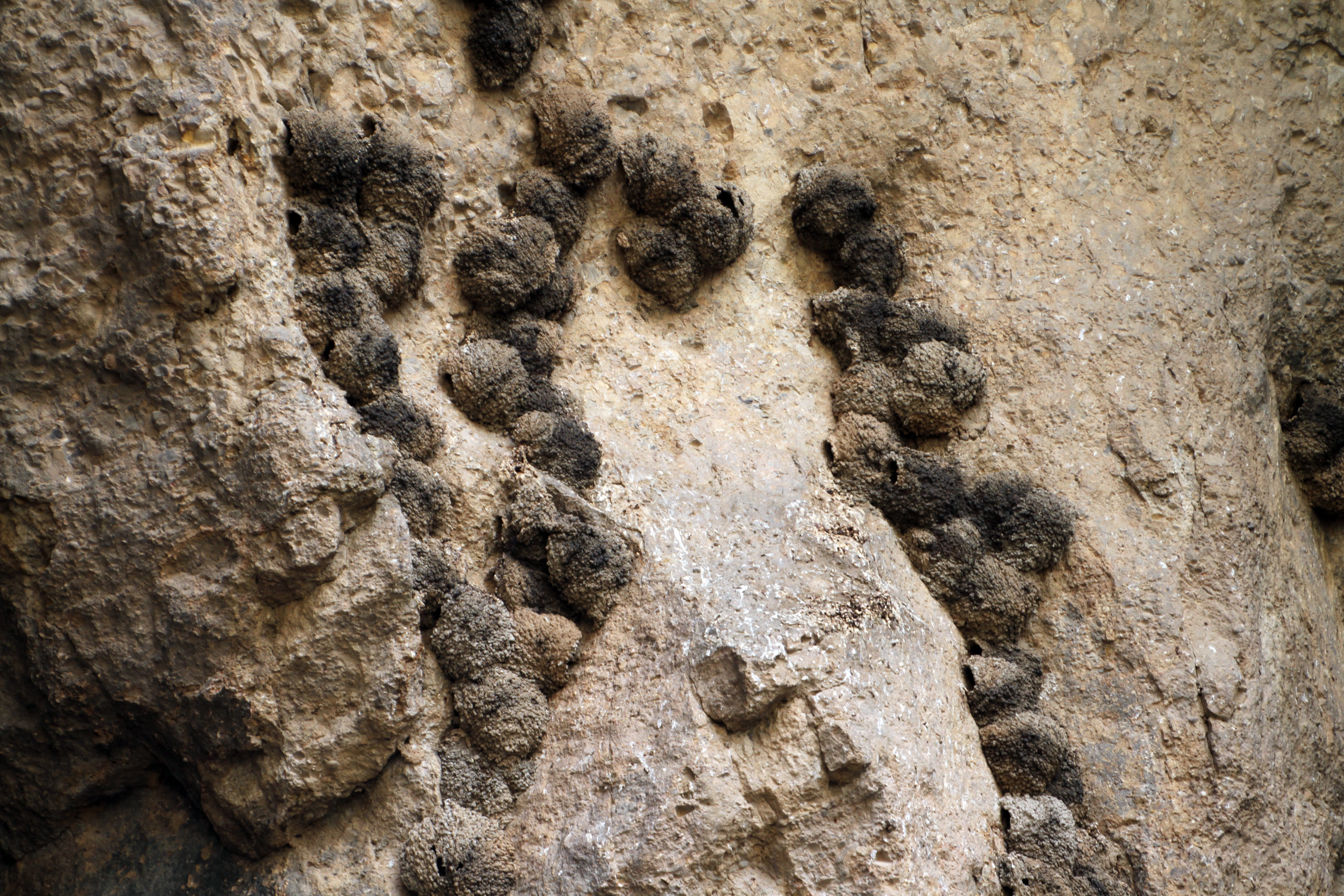
Areni-1 cave
Chalcolithic-Early Bronze Age cave settlement.
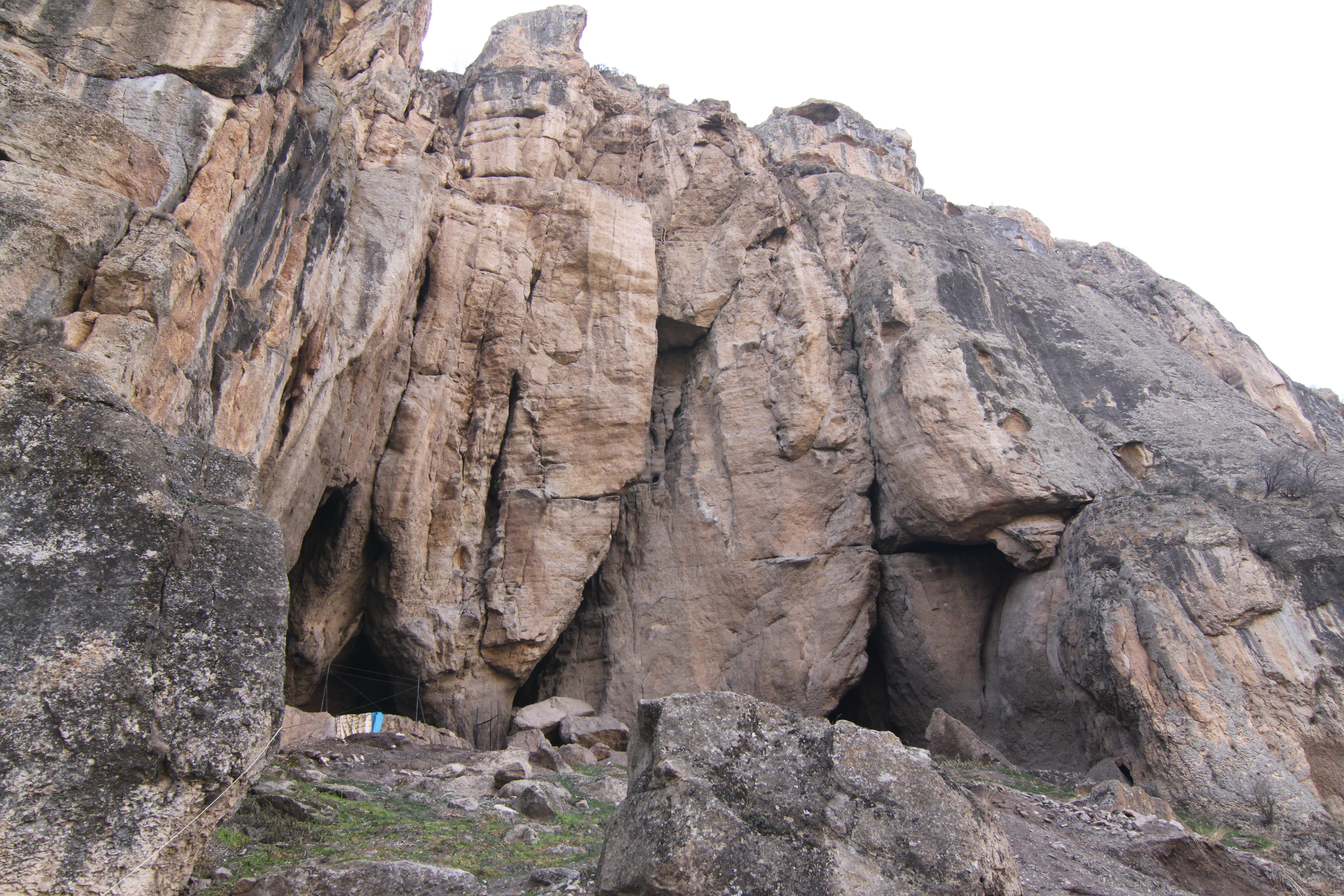
Areni-1 winery
Ancient winery in Areni cave complex
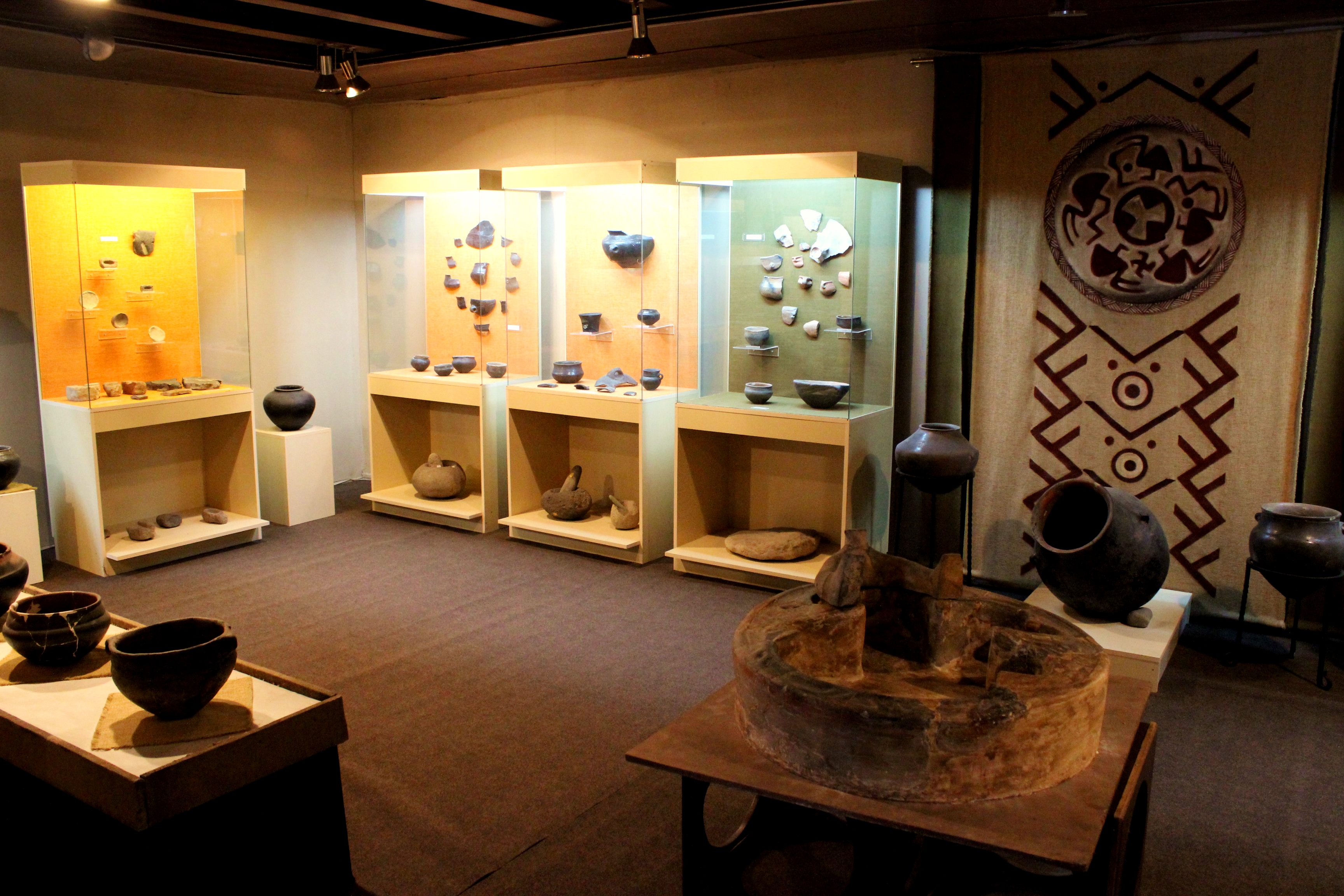
Shengavit (site)
Early Bronze Age settlement with fortifications.
Metsamor site
Ancient fortress with religious complex.
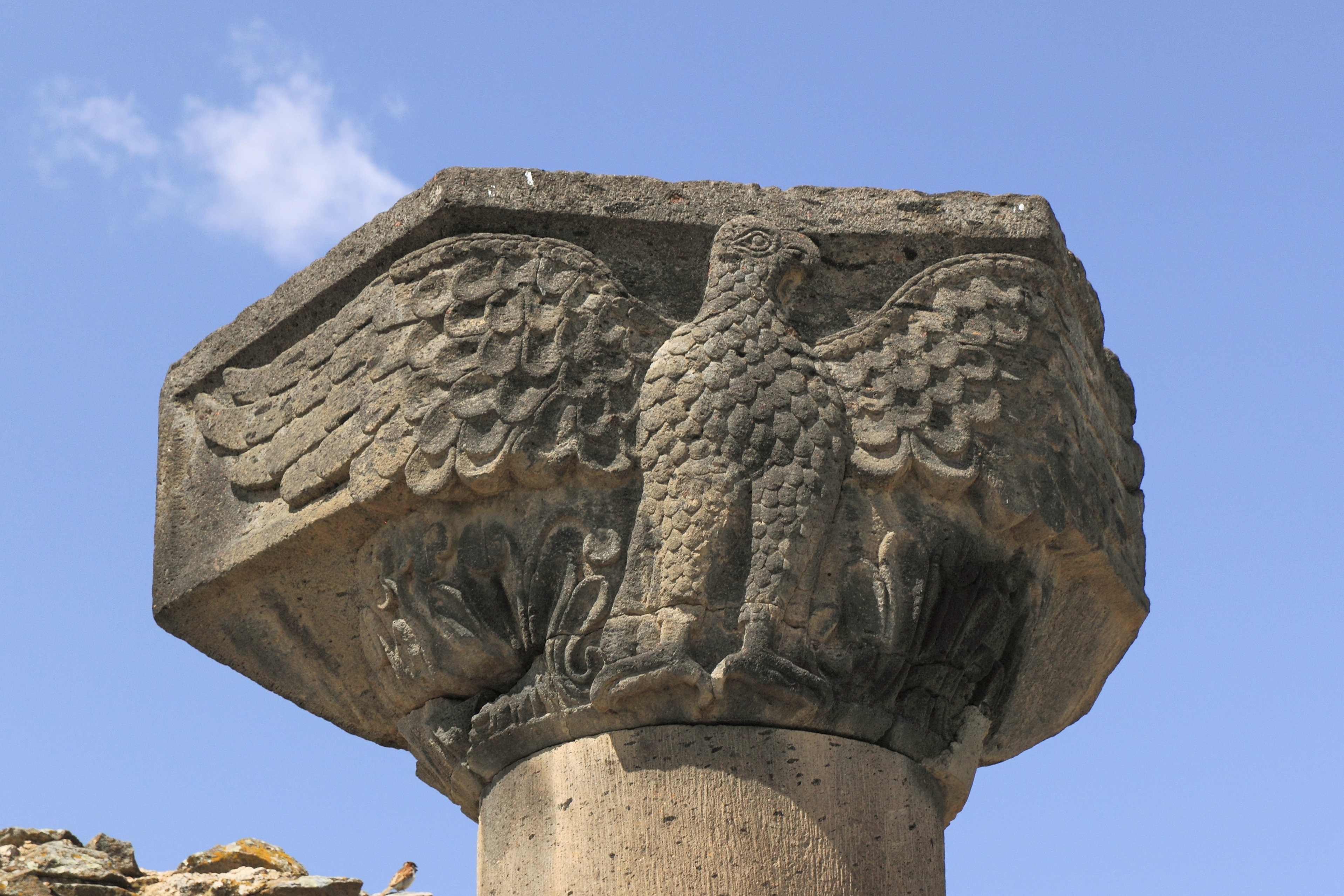
Zvartnots Cathedral
Circular medieval Armenian cathedral ruins
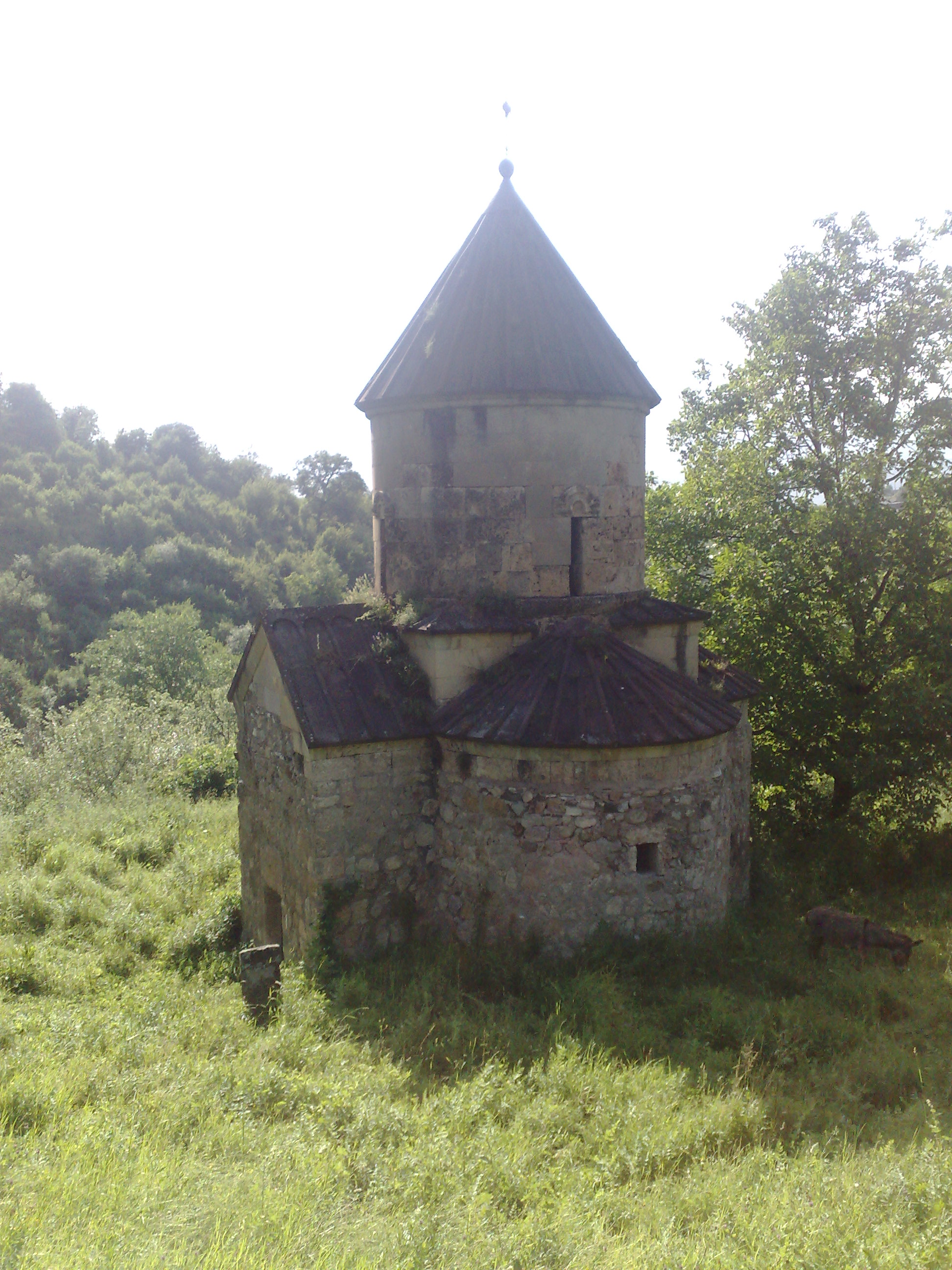
Tsrviz Chapel
Medieval Armenian chapel with historical inscriptions.