
Explore the Map
Naulette
50.2139° N, 4.9308° E
About
Naulette, also known as Caverne de la Naulette, is a significant archaeological site located in Wallonia, Belgium. Recognized for its large cave on the left bank of the Lesse River, it is noteworthy for the discovery of a Neanderthal mandible and ulna by Belgian paleontologist Édouard Dupont in 1866. These human fossils were found in a precise stratigraphic context alongside remains of large prehistoric mammals like mammoths, rhinoceroses, and reindeer. This evidence supports the fossil's antiquity and provides a crucial link in understanding human evolution. The mandible's distinctive characteristics, such as the strong projection of the tooth sockets and large molars, suggest robust Neanderthal features. The site is associated with the Mousterian culture, dating back to the Middle Paleolithic period, making it a pivotal location for studying early human life and adaptation.
Historical Timeline
Journey through time and discover key events in this site's history
Neanderthal Occupation
300,000 years ago – 50,000 years ago
Archaeological Features
Unique architectural and cultural elements found at this historical site
Domestic and Habitation Structures
Frequently Asked Questions
Plan Your Visit
Tours, travel arrangements, and practical information
More Sites in Belgium
Veldwezelt-Hezerwater
Palaeolithic archaeological site in Belgium
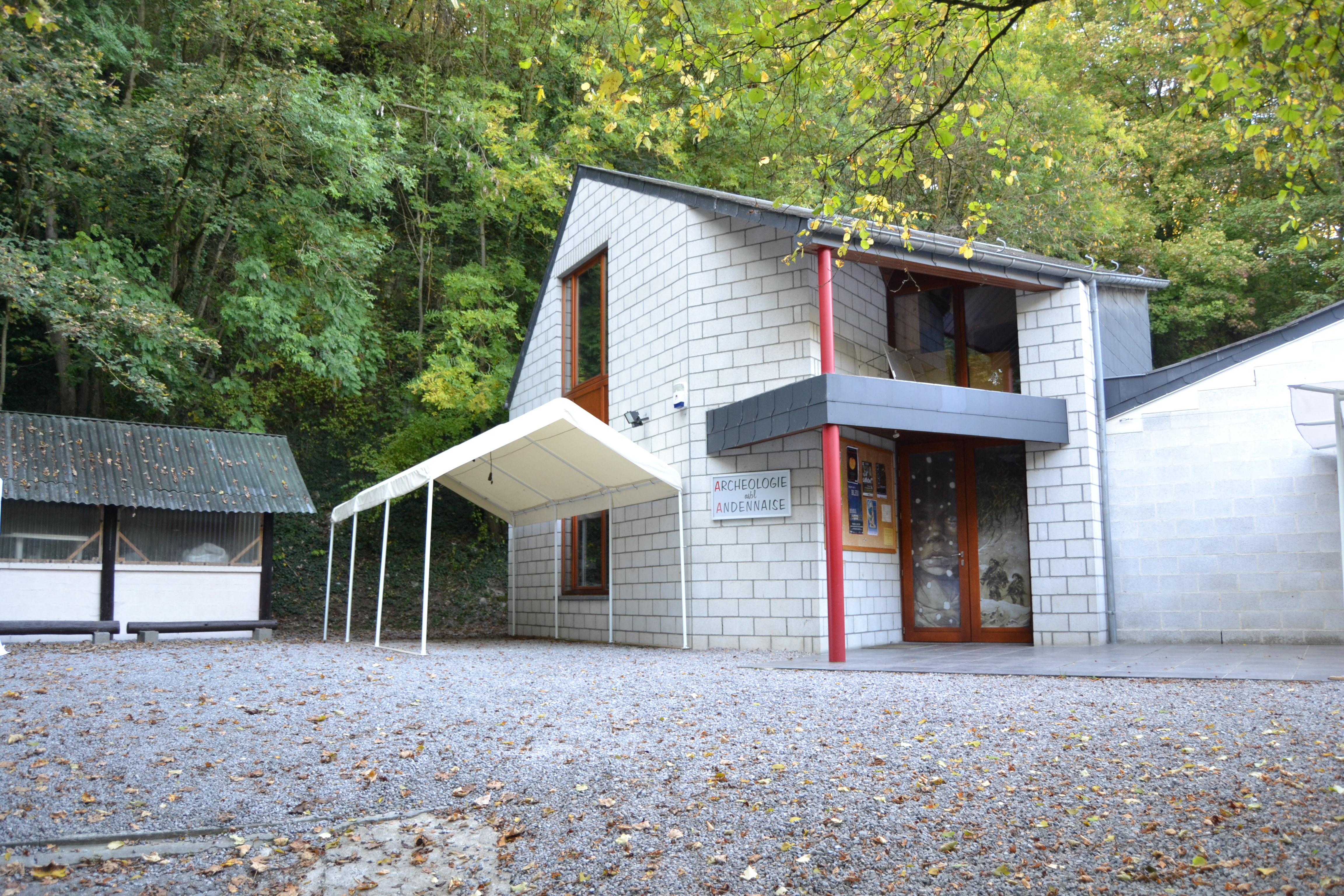
Scladina
Neanderthal cave site in Wallonia, Belgium
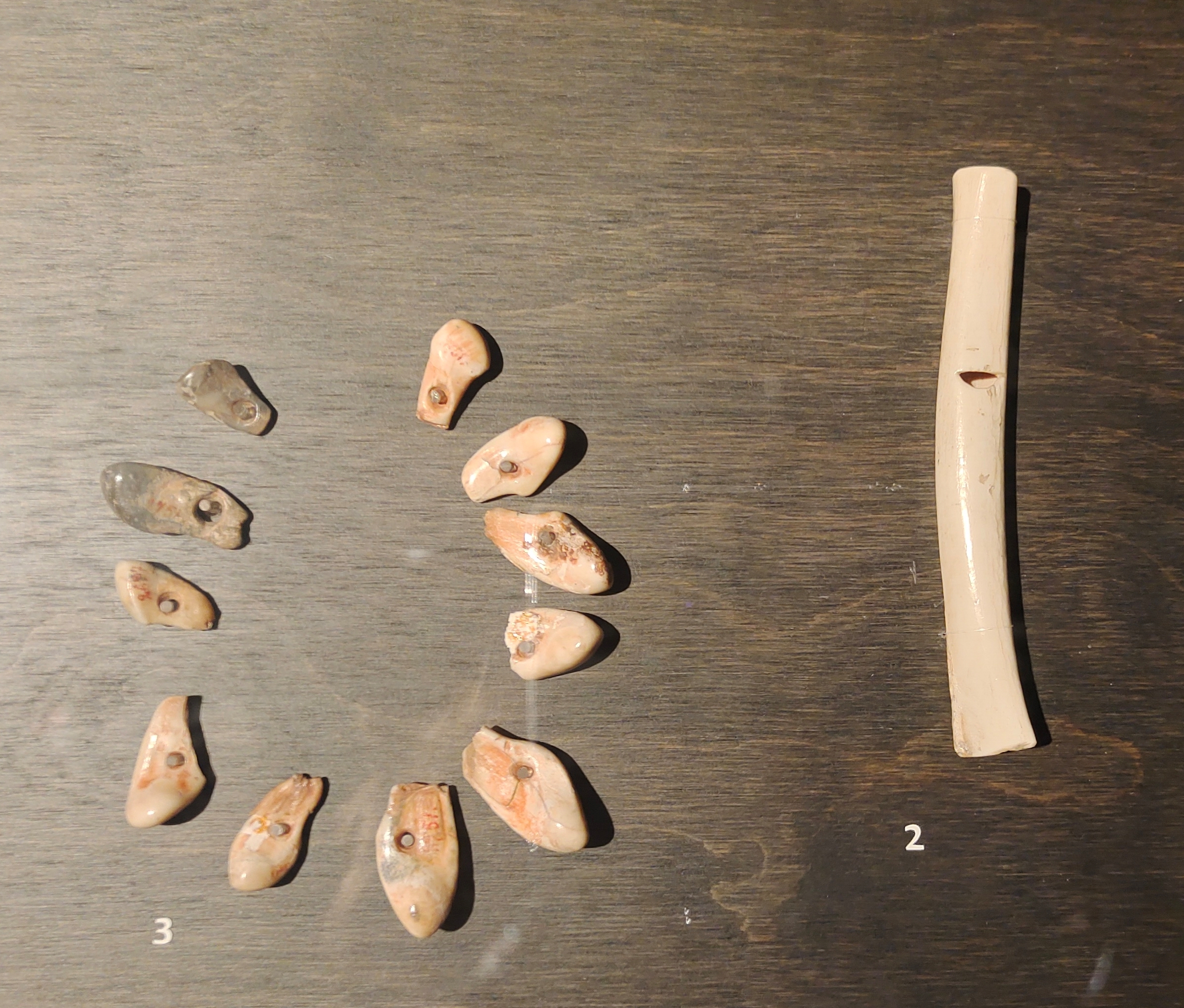
Goyet Caves
Limestone caves with human and animal fossils.
Trou de l'Abîme
Mousterian cave site in Namur, Belgium
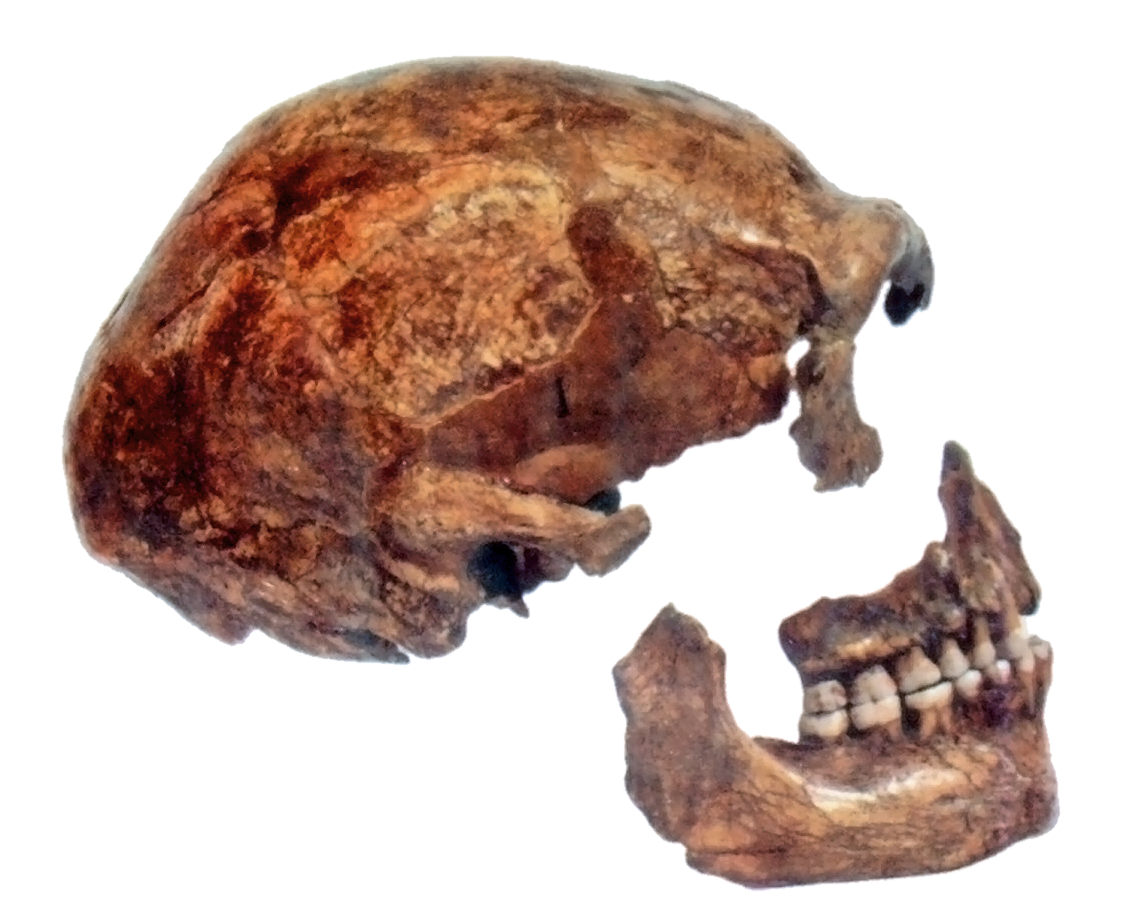
Spy Cave
Significant paleolithic cave with Neanderthal remains
Historic Centre of Brugge
<p>Brugge is an outstanding example of a medieval historic settlement, which has maintained its historic fabric as this has evolved over the centuries, and…