
Explore the Map
Goyet Caves
50.4467° N, 5.0089° E
About
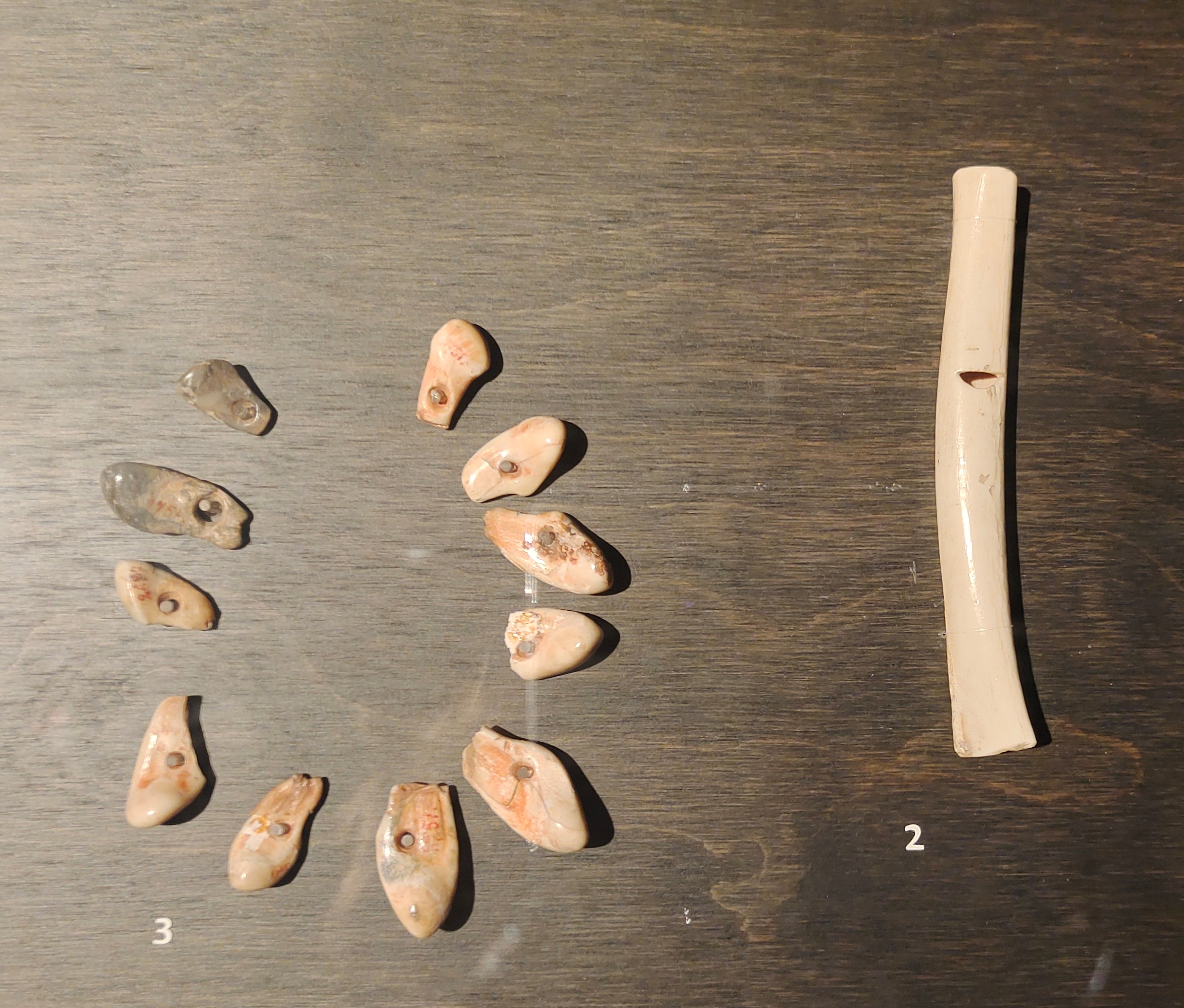
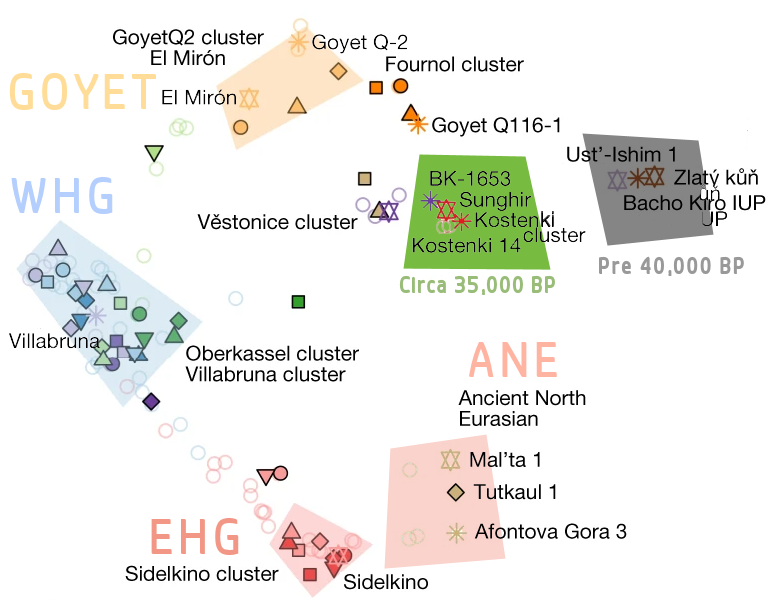
The Goyet Caves in Belgium are a significant archaeological site with a rich history of habitation by both Neanderthals and early modern humans. Spanning from the Middle Paleolithic to the Iron Age, the site offers a profound glimpse into prehistoric life with a wealth of artifacts, including thousands of bones, stone tools, and evidence of ritualistic practices such as cannibalism among Neanderthals. The caves have yielded the largest collection of Neanderthal fossils in Northern Europe, and DNA analysis has provided insights into the interactions and migrations of early human populations. Artifacts from various cultural phases, including the Magdalenian and Gravettian, highlight the site's continuous occupation and its role in understanding human evolution and migration patterns.
Gallery
Explore photographs of ancient structures, artifacts, and archaeological excavations

Historical Timeline
Journey through time and discover key events in this site's history
Iron Age knife
500 BCE
Neanderthal habitation
120,000 BCE
Neanderthal occupation in Troisième Caverne
45,500 BCE
End of Neanderthal habitation
40,000 BCE
Homo sapiens occupation begins
35,000 BCE
Gravettian culture phase
27,720 BCE
Magdalenian culture phase
15,230 BCE
Neolithic child grave
5,000 BCE
Archaeological Features
Unique architectural and cultural elements found at this historical site
Burial and Funerary Structures
Domestic and Habitation Structures
Environmental and Natural Features
Frequently Asked Questions
Plan Your Visit
Tours, travel arrangements, and practical information
More Sites in Belgium
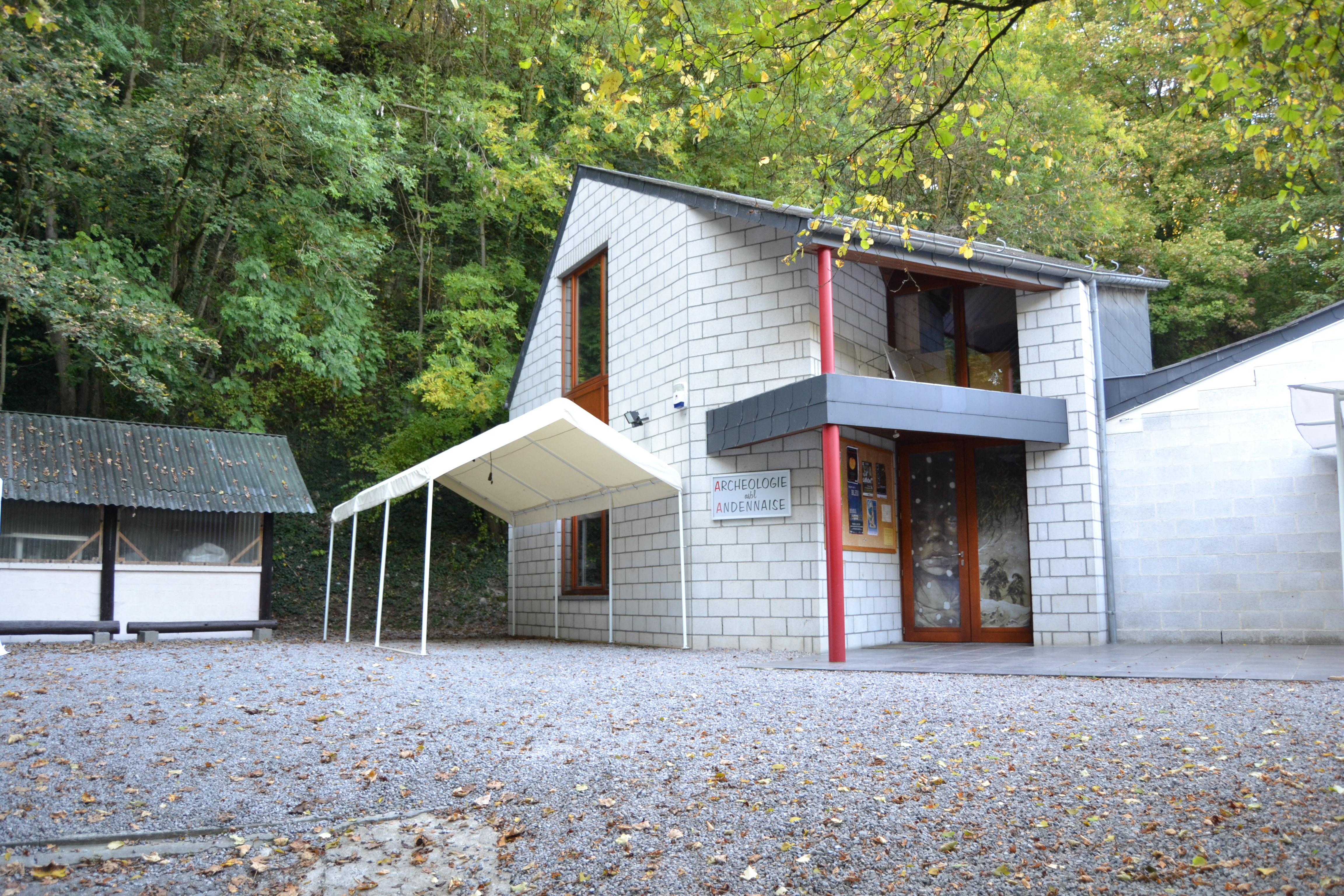
Scladina
Neanderthal cave site in Wallonia, Belgium
Veldwezelt-Hezerwater
Palaeolithic archaeological site in Belgium
Naulette
Large cave with Neanderthal remains
Trou de l'Abîme
Mousterian cave site in Namur, Belgium
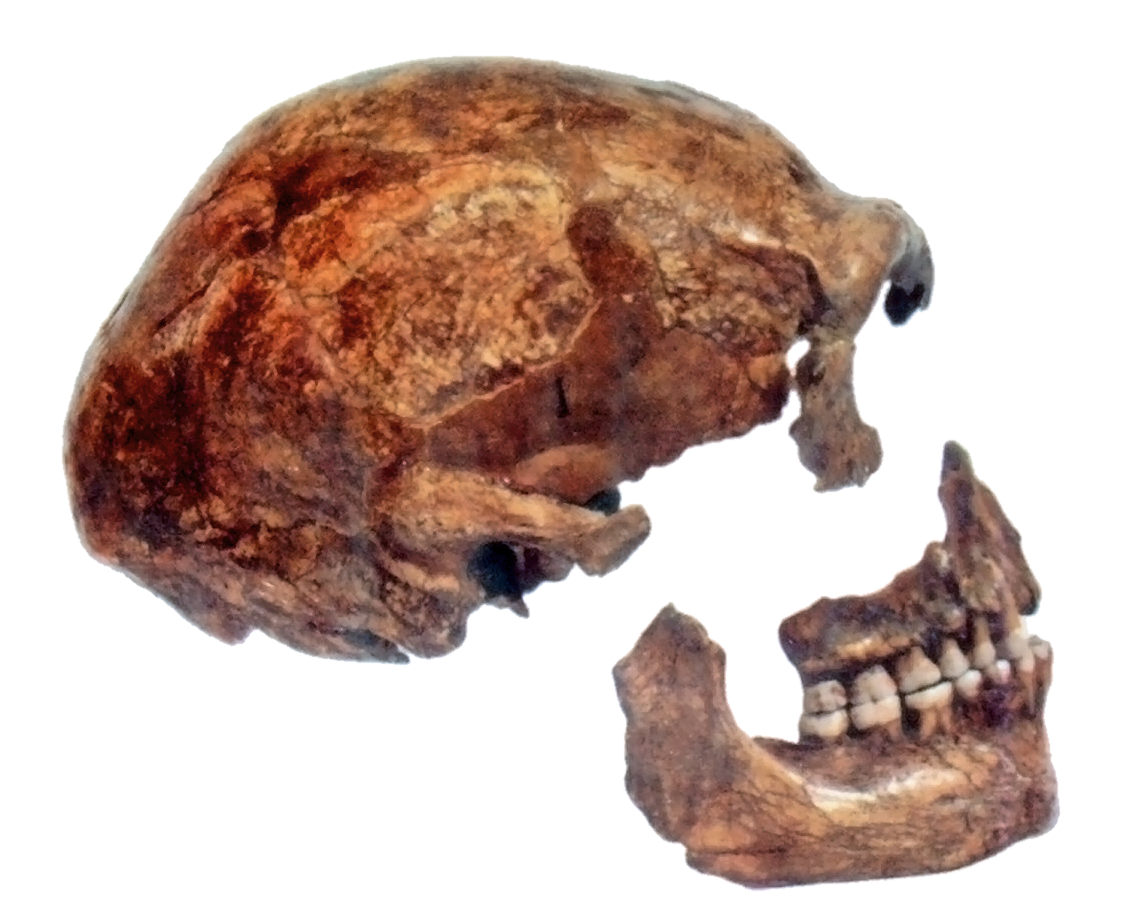
Spy Cave
Significant paleolithic cave with Neanderthal remains
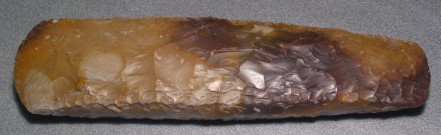
Neolithic flint mines of Spiennes
Large Neolithic flint mining site in Belgium.