
Explore the Map
Spy Cave
50.4822° N, 4.6692° E
About
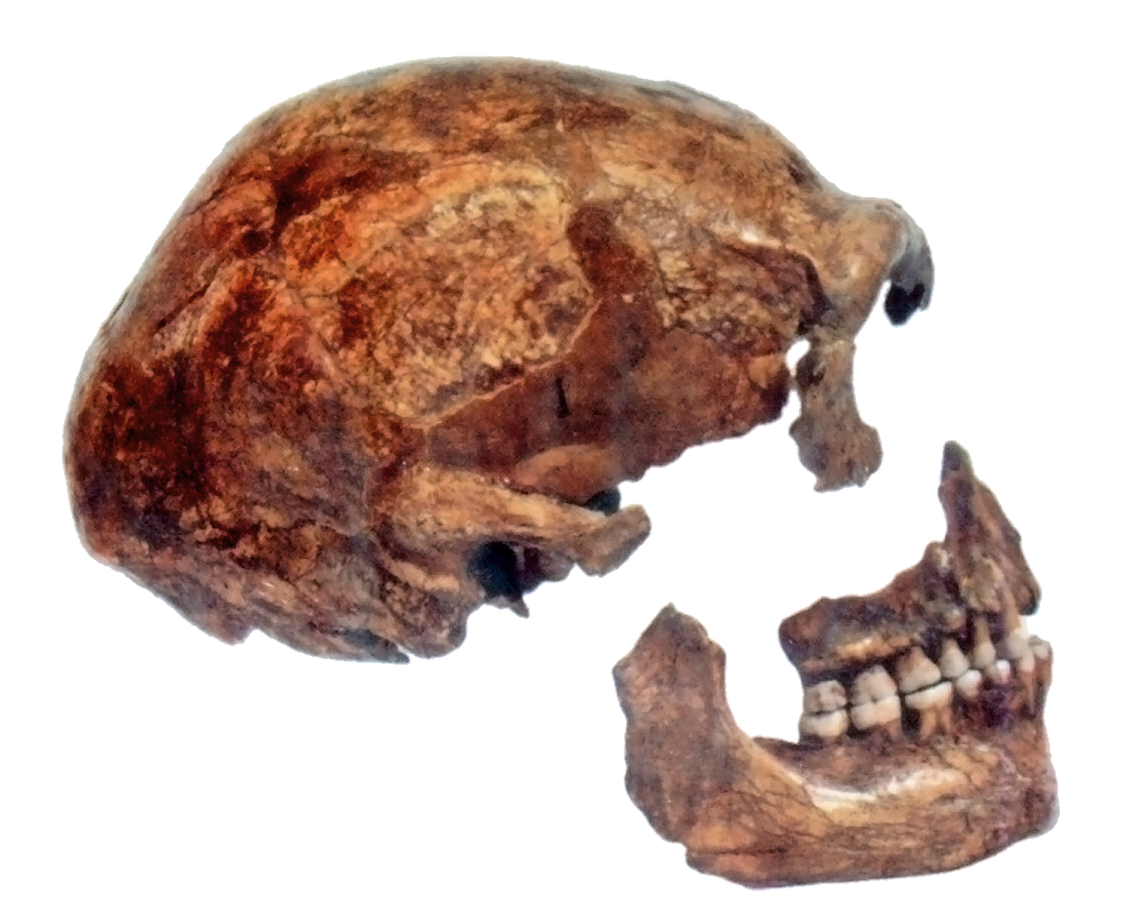
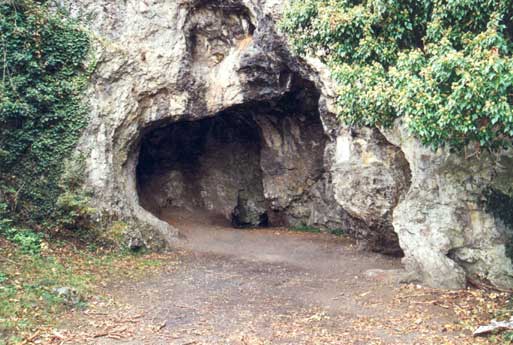
Spy Cave, located in Wallonia, Belgium, is one of Europe's most important paleolithic archaeological sites. The cave features multiple small chambers and corridors, providing evidence of both Neanderthal and anatomically modern human habitation. Key discoveries include the well-preserved Neanderthal fossils known as Spy I and Spy II, dated to around 36,000 BP, though later analyses suggest they are over 40,000 years old. Notably, the site also yielded DNA from a Neanderthal molar, linking it closely to other Late European Neanderthals. The cave's stratigraphy indicates at least seven occupation sequences, showcasing a complex history of habitation and interaction with faunal species, notably mammoths. These findings contribute significantly to understanding human evolution and migration during the Paleolithic.
Gallery
Explore photographs of ancient structures, artifacts, and archaeological excavations
Historical Timeline
Journey through time and discover key events in this site's history
Modern Human Occupation
26000 years ago BCE
Neanderthal Occupation
39000 years ago BCE
Archaeological Features
Unique architectural and cultural elements found at this historical site
Burial and Funerary Structures
Domestic and Habitation Structures
Environmental and Natural Features
Frequently Asked Questions
Plan Your Visit
Tours, travel arrangements, and practical information
More Sites in Belgium
Veldwezelt-Hezerwater
Palaeolithic archaeological site in Belgium
Goyet Caves
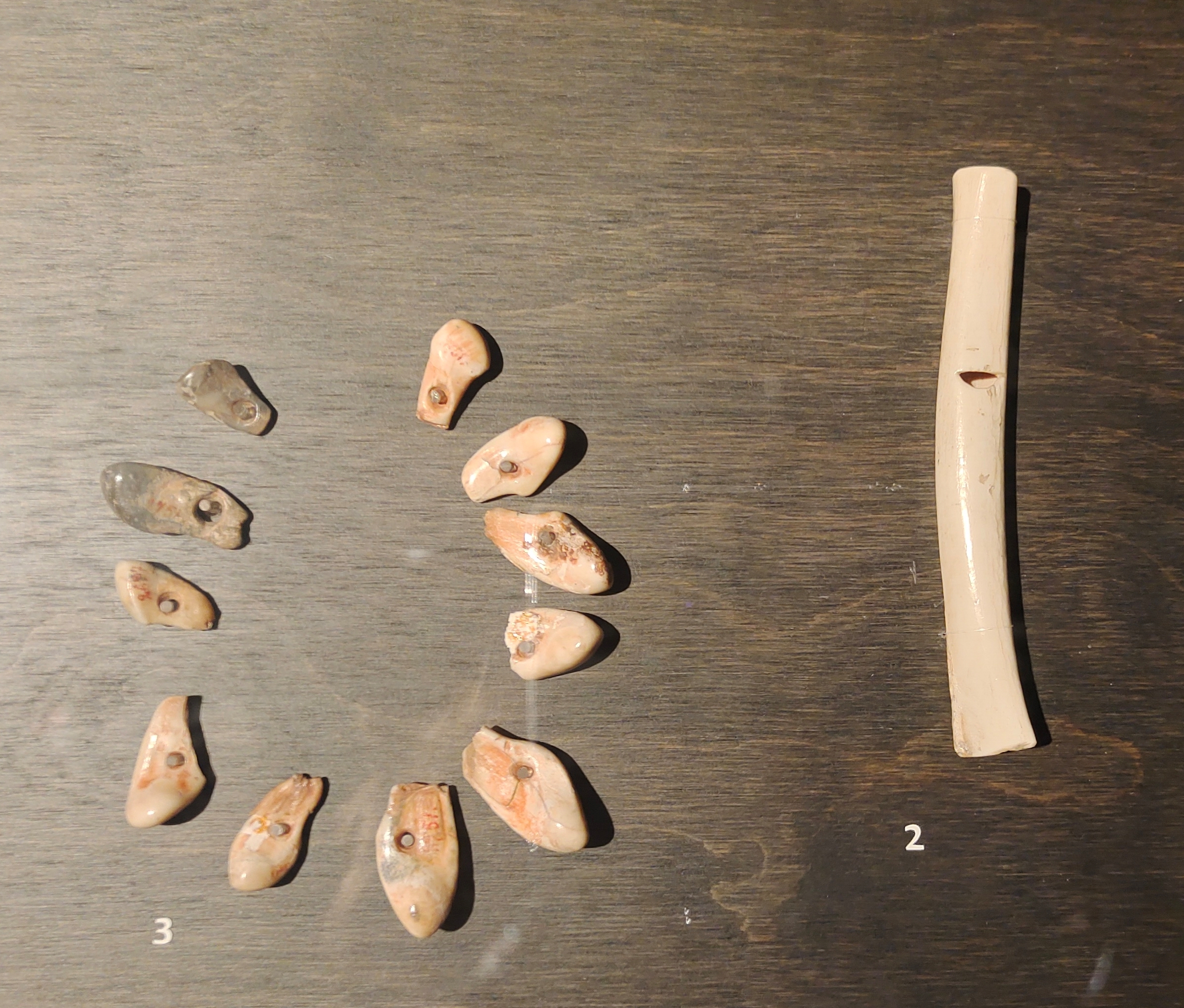
Limestone caves with human and animal fossils.
Trou de l'Abîme
Mousterian cave site in Namur, Belgium
Scladina
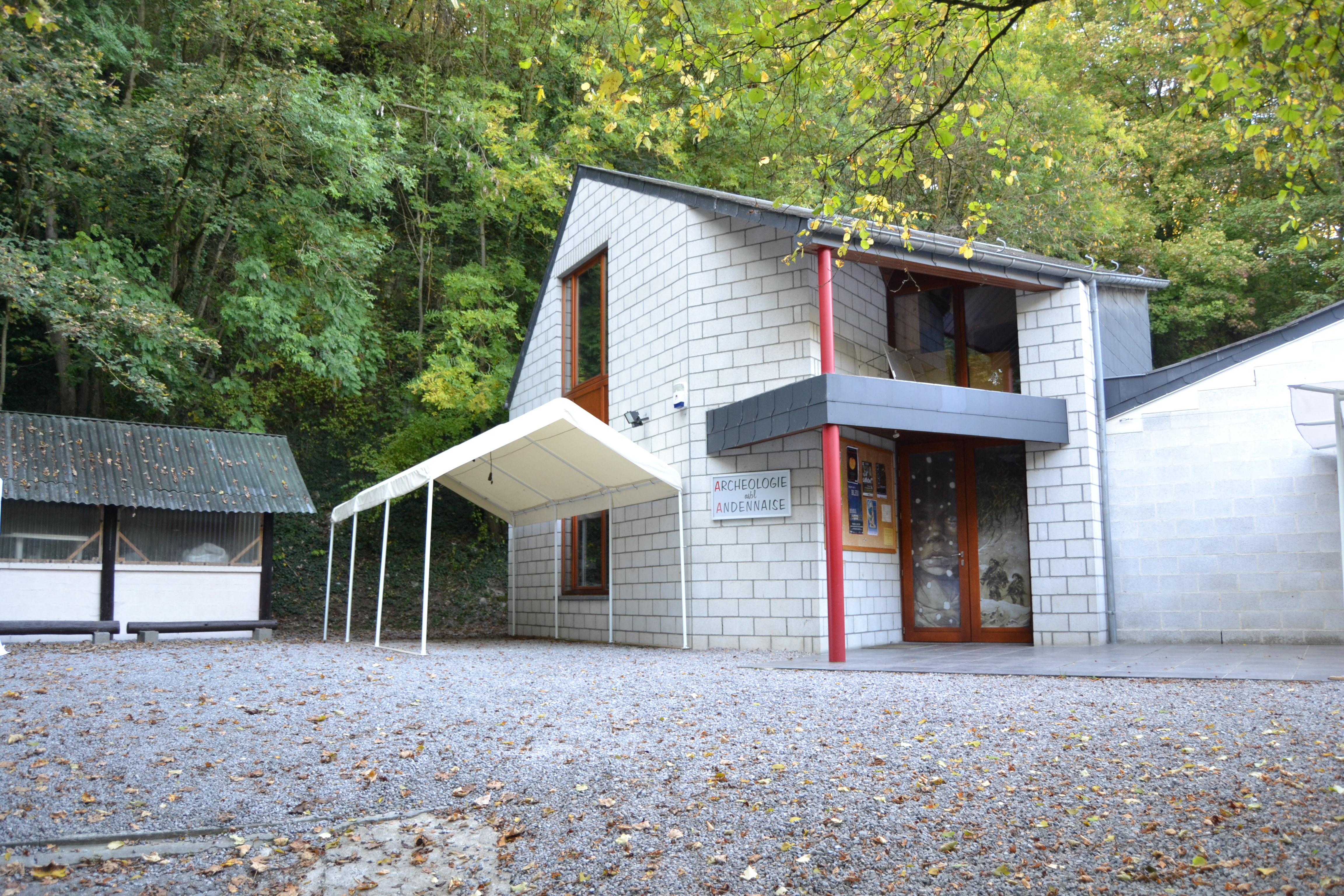
Neanderthal cave site in Wallonia, Belgium
Naulette
Large cave with Neanderthal remains
Belfries of Belgium and France
<p>Twenty-three belfries in the north of France and the belfry of Gembloux in Belgium were inscribed in 2005, as an extension to the 32 Belgian belfries…