
Explore the Map
Scladina
50.4839° N, 5.0256° E
About
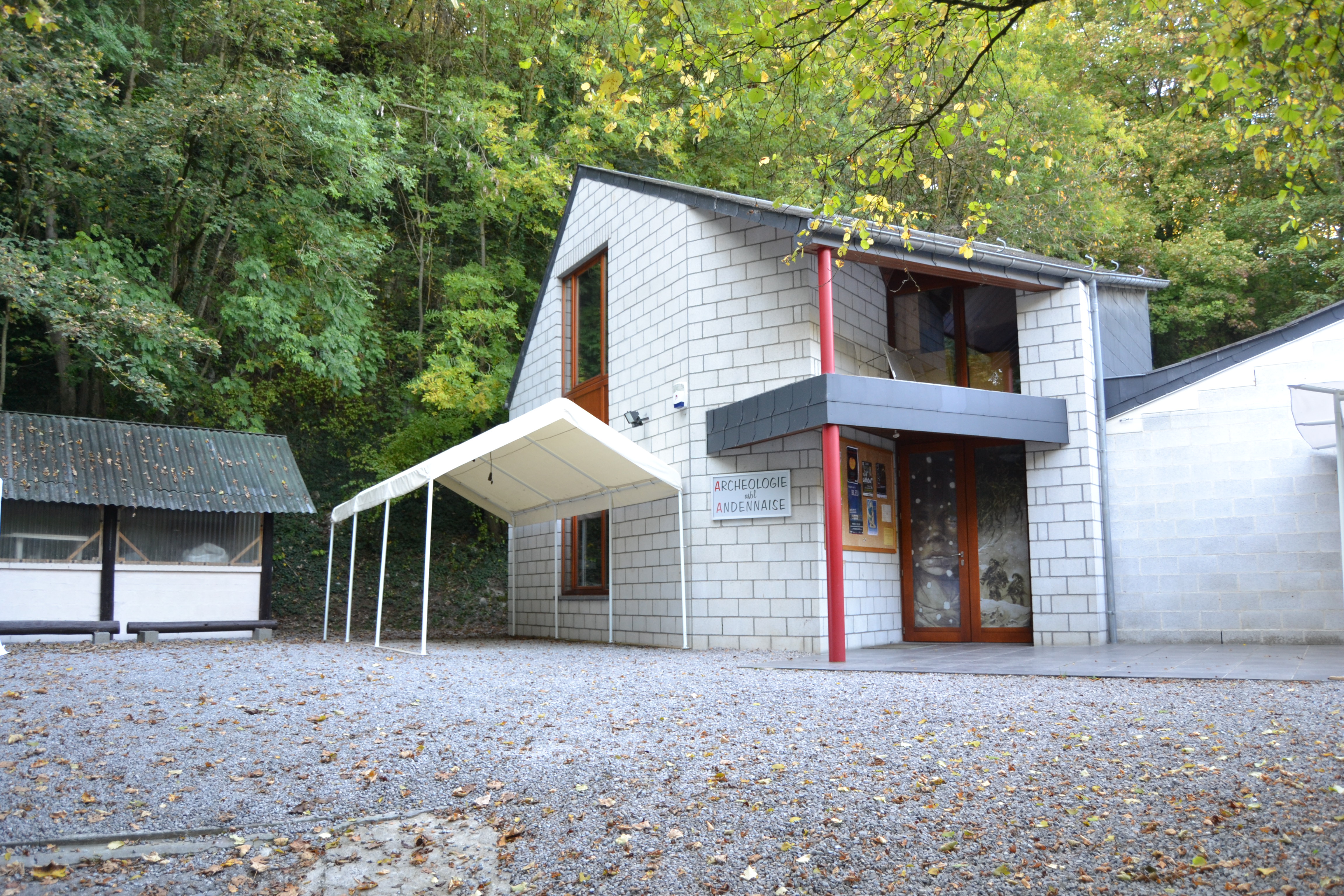
Scladina, or Sclayn Cave, is an archaeological site located in Wallonia in the town of Sclayn, in the Andenne hills in Belgium, where excavations since 1978 have provided the material for an exhaustive collection of over thirteen thousand Mousterian stone artifacts and the fossilized remains of an especially ancient Neanderthal, called the Scladina child were discovered in 1993.
Gallery
Explore photographs of ancient structures, artifacts, and archaeological excavations
Historical Timeline
Journey through time and discover key events in this site's history
Scladina child first find
16 July 1993
Heritage listing
27 May 2009
Modern human visits
32,000–9,000 years ago
Cave discovery
1971
Scladina child dating
c. 127,000 years ago
Neolithic and Bronze Age burials
5,300–2,000 years ago
University excavations begin
1978
Later Neanderthal occupation
40,000 years ago
Oldest Neanderthal occupation
130,000 years ago
Archaeological Features
Unique architectural and cultural elements found at this historical site
Burial and Funerary Structures
Domestic and Habitation Structures
Environmental and Natural Features
Frequently Asked Questions
Plan Your Visit
Tours, travel arrangements, and practical information
More Sites in Belgium
Goyet Caves
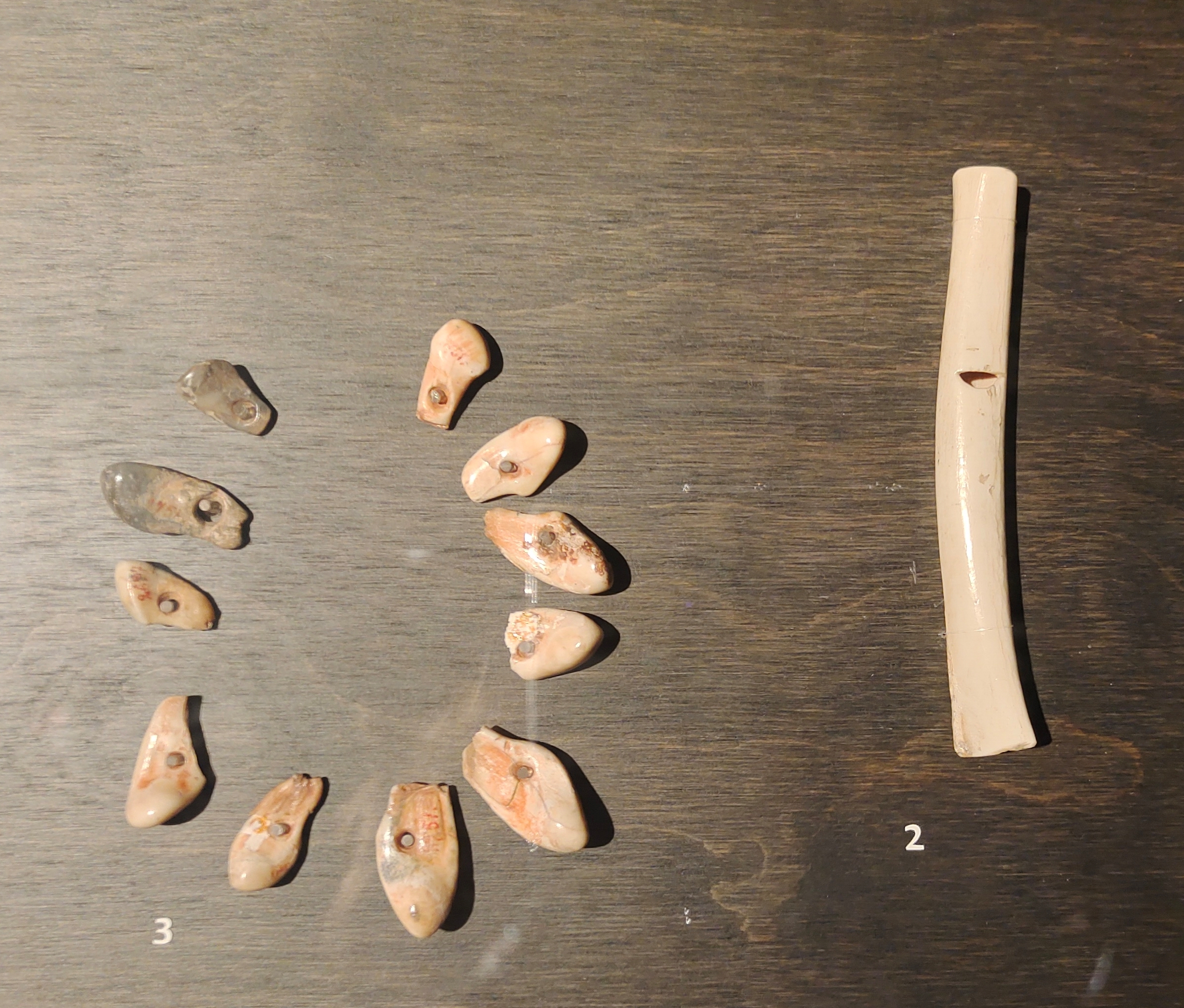
Limestone caves with human and animal fossils.
Veldwezelt-Hezerwater
Palaeolithic archaeological site in Belgium
Neolithic flint mines of Spiennes
Large Neolithic flint mining site in Belgium.
Trou de l'Abîme
Mousterian cave site in Namur, Belgium
Spy Cave
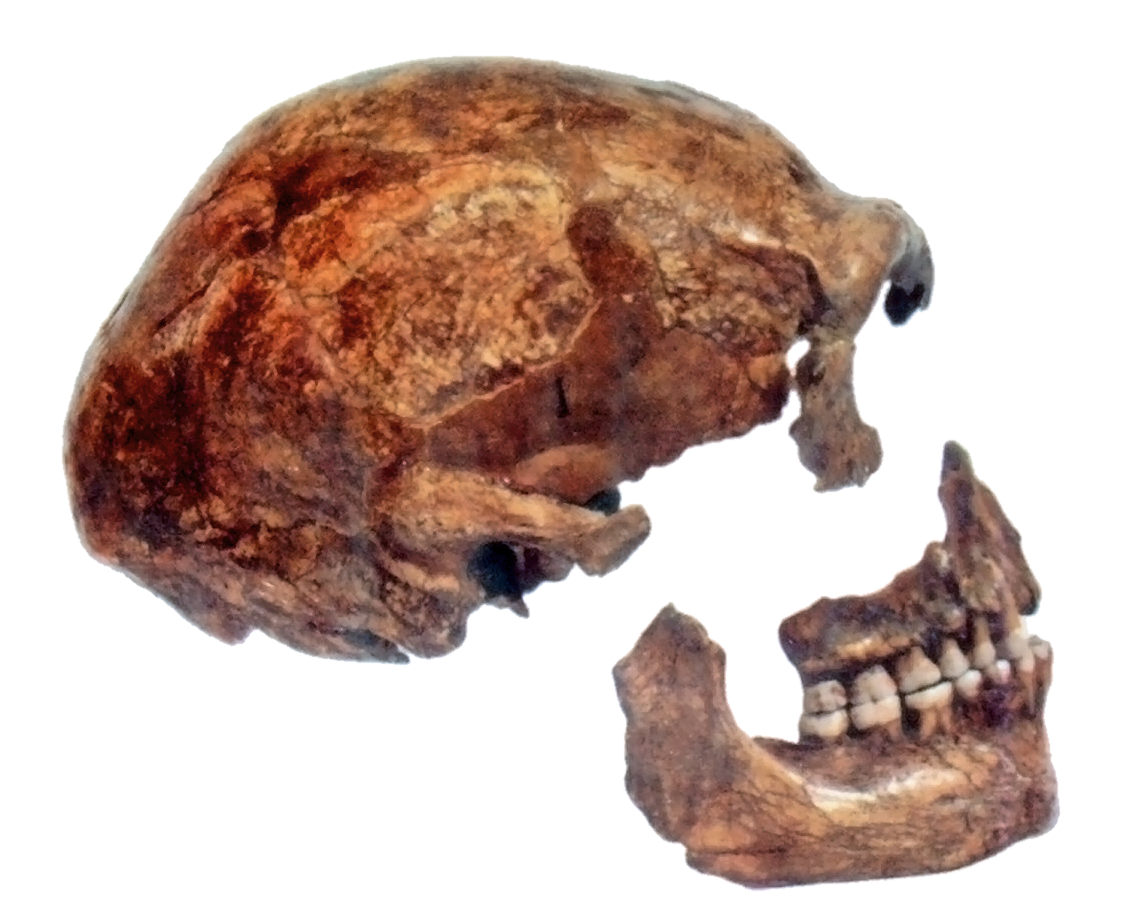
Significant paleolithic cave with Neanderthal remains
Naulette
Large cave with Neanderthal remains