
Explore the Map
Neolithic flint mines of Spiennes
50.4198° N, 3.9818° E
About
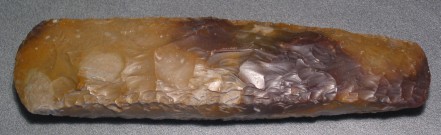
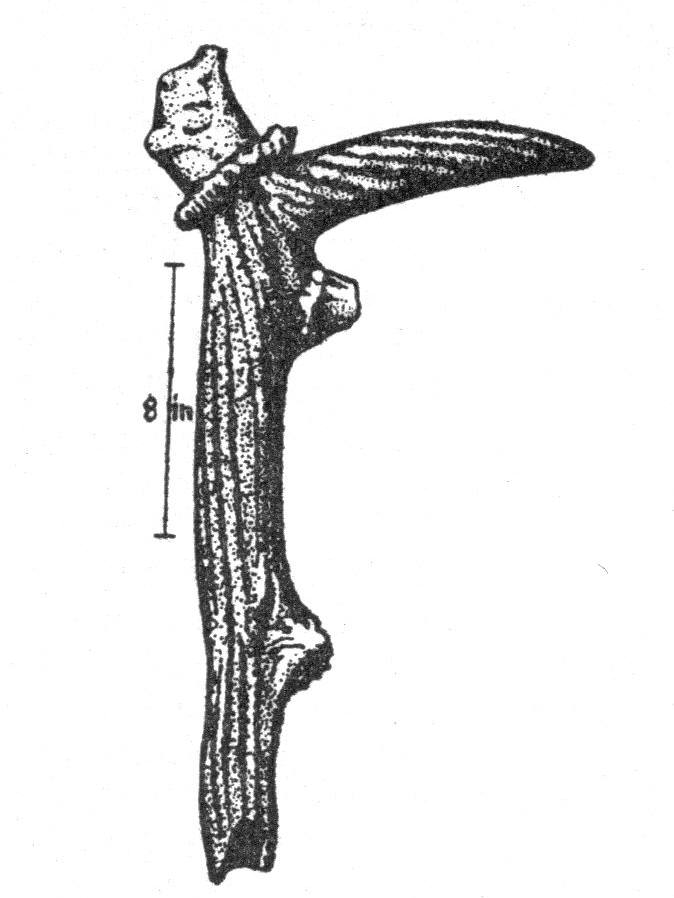
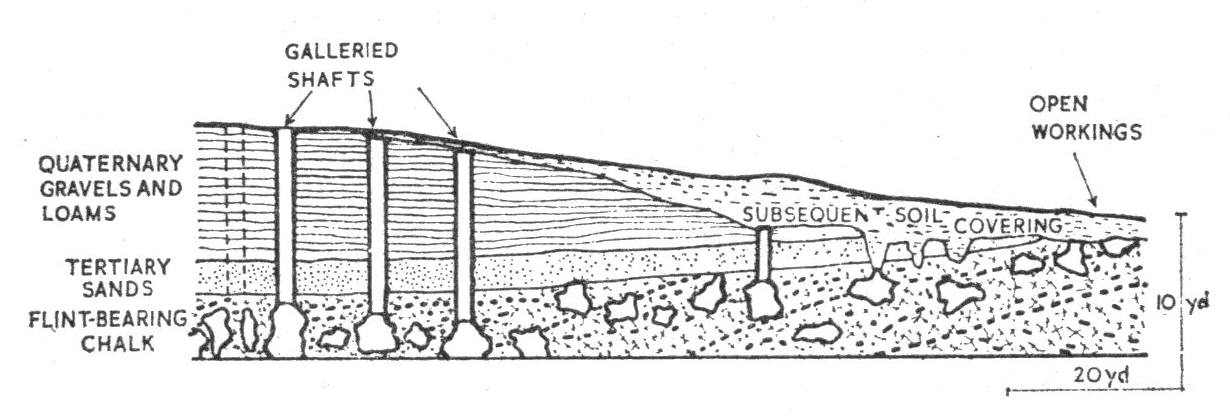
The Neolithic flint mines of Spiennes, located near Mons in Belgium, are among the largest and earliest known flint mining sites in north-western Europe. Active between 4300 BCE and 2200 BCE, these mines demonstrate remarkable technological innovation in extracting and processing flint. The site covers approximately 100 hectares and features numerous vertical mine shafts leading to an intricate network of underground caverns. Neolithic settlers used flint picks to extract large slabs of flint, which were then fashioned into axes and other tools for various uses such as forest clearance and woodworking. The site showcases the transition from opencast to underground mining techniques, underscoring a significant period of human technological and cultural development. Recognized for its historical importance, the site was declared a UNESCO World Heritage Site in 2000.
Gallery
Explore photographs of ancient structures, artifacts, and archaeological excavations
Historical Timeline
Journey through time and discover key events in this site's history
Flint Mining Begins
4300 BCE
Flint Mining Concludes
2200 BCE
Archaeological Features
Unique architectural and cultural elements found at this historical site
Industrial and Craft Structures
Frequently Asked Questions
Plan Your Visit
Tours, travel arrangements, and practical information
More Sites in Belgium
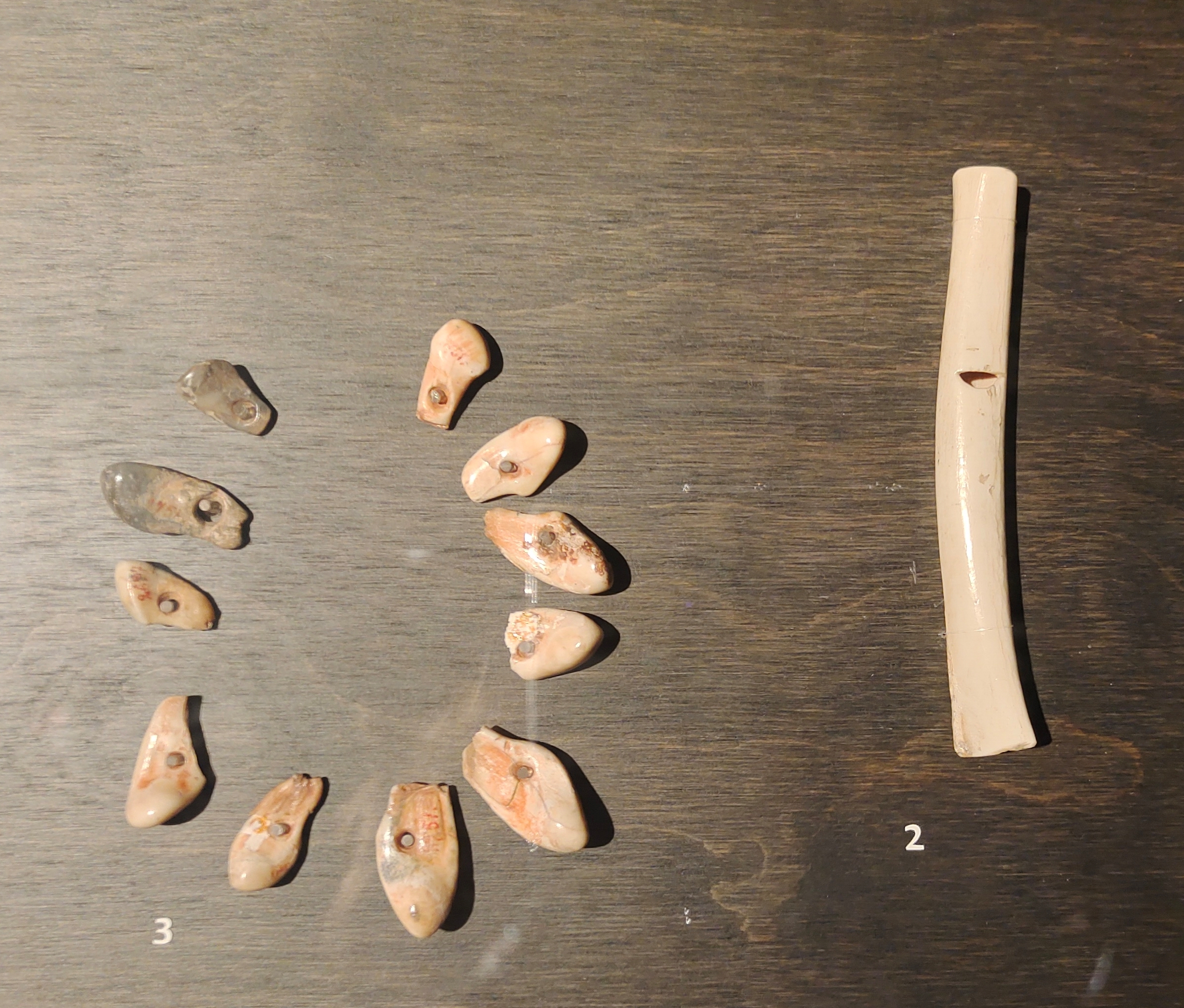
Goyet Caves
Limestone caves with human and animal fossils.
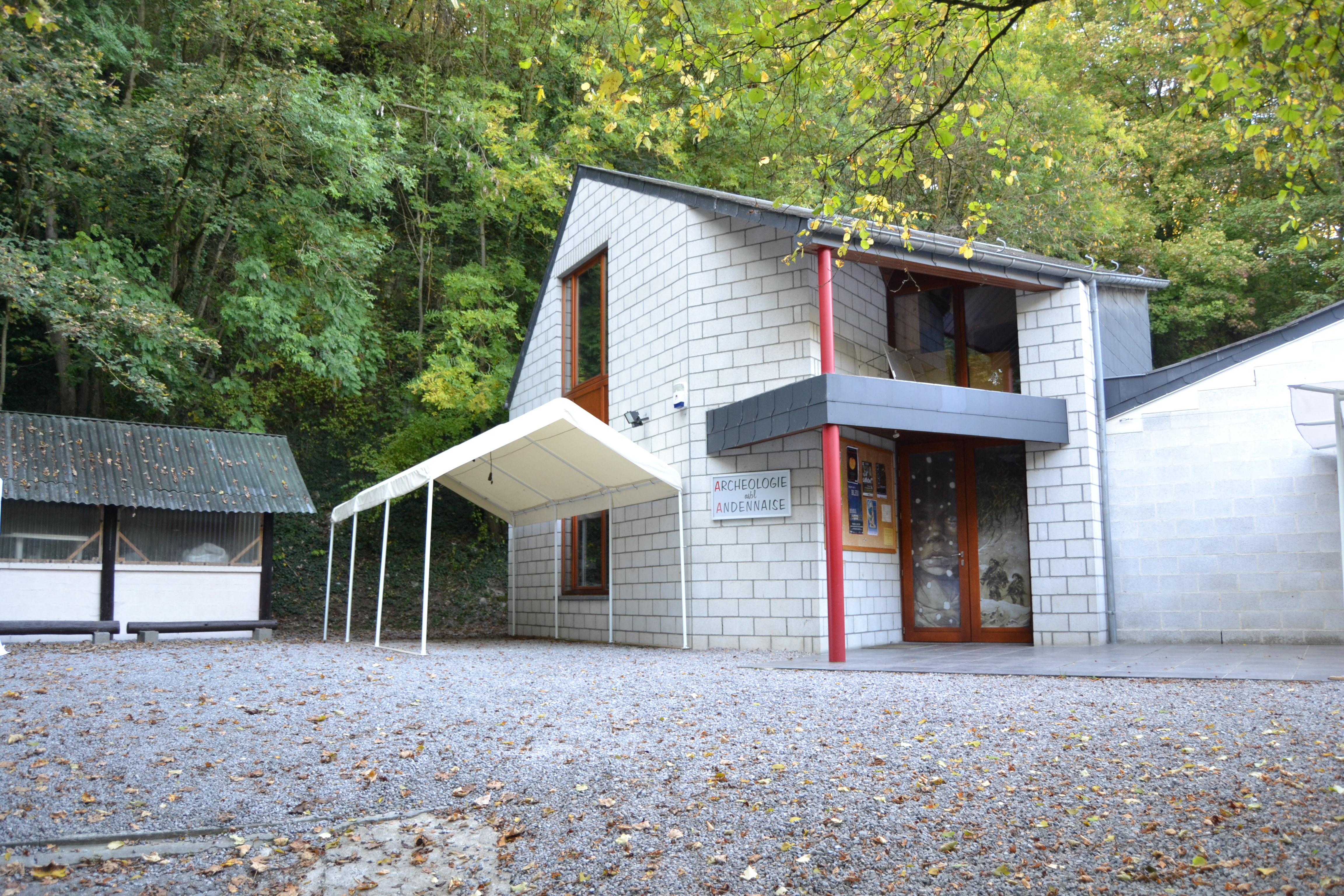
Scladina
Neanderthal cave site in Wallonia, Belgium
Veldwezelt-Hezerwater
Palaeolithic archaeological site in Belgium
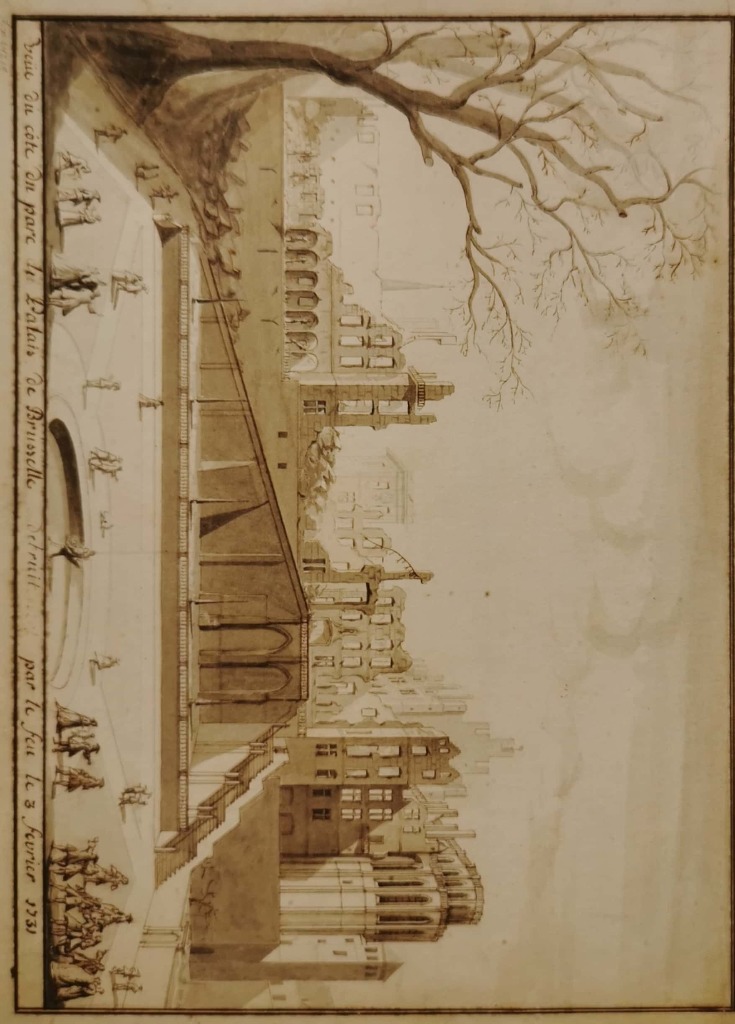
Palace of Coudenberg
Medieval to early modern royal residence ruins
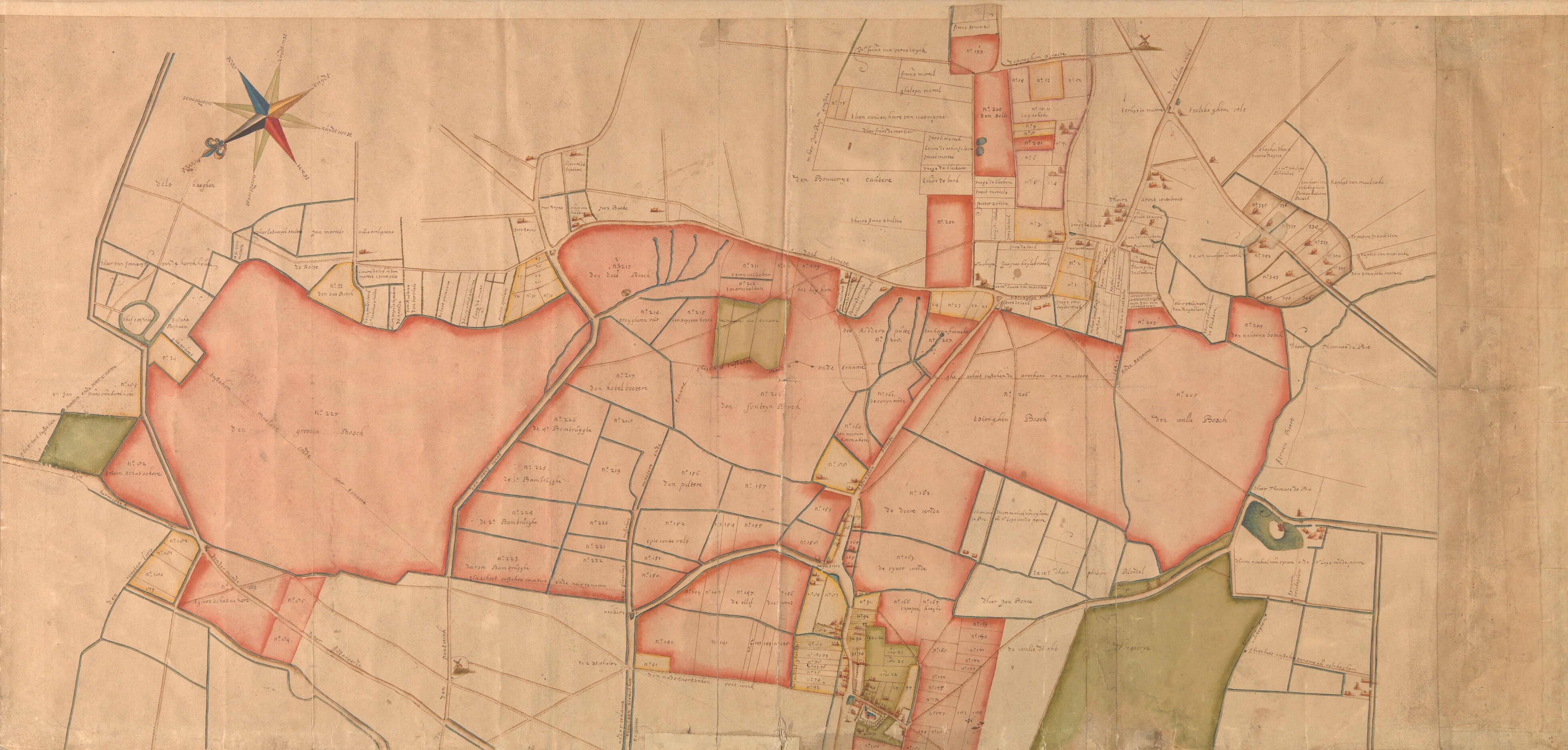
Ename Abbey
Benedictine abbey with Romanesque church remains
Trou de l'Abîme
Mousterian cave site in Namur, Belgium