Explore the Map
Palace of Coudenberg
50.8426° N, 4.3601° E
About
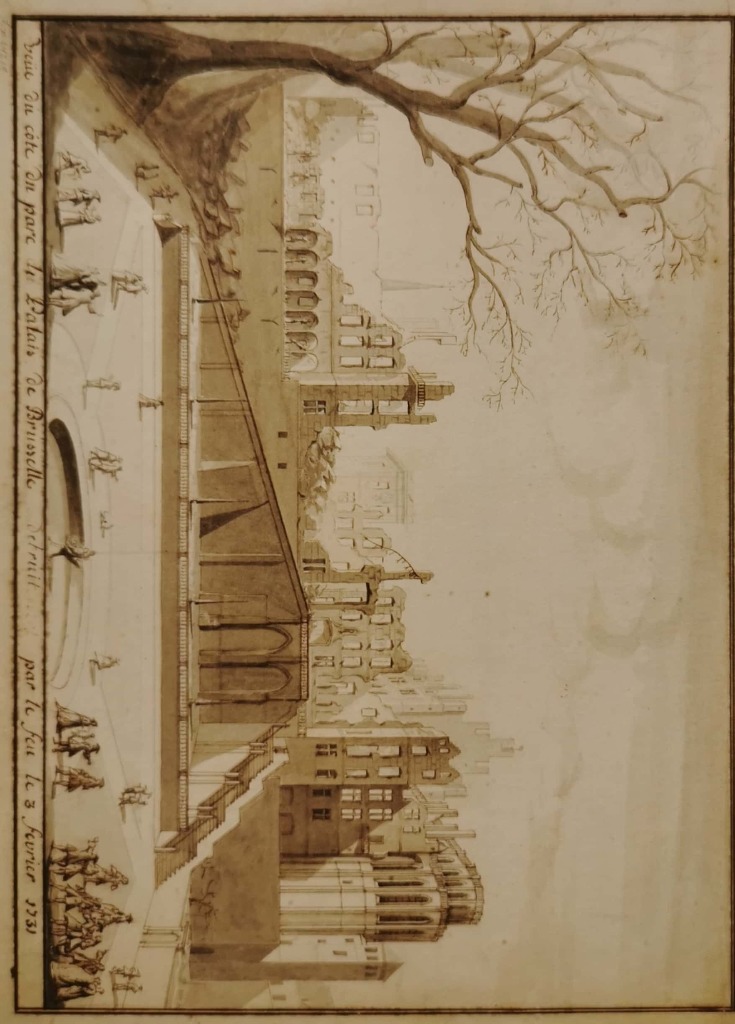
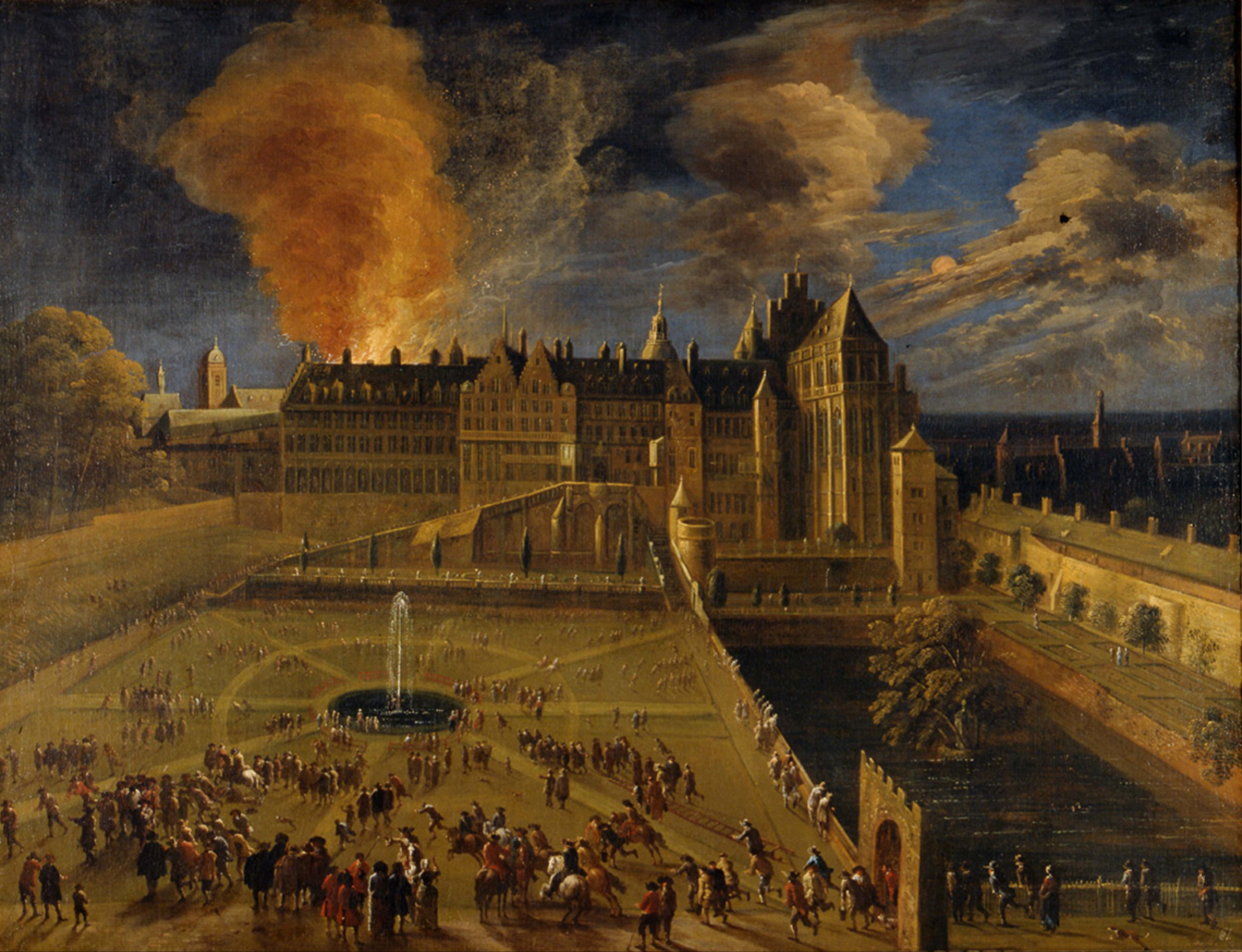
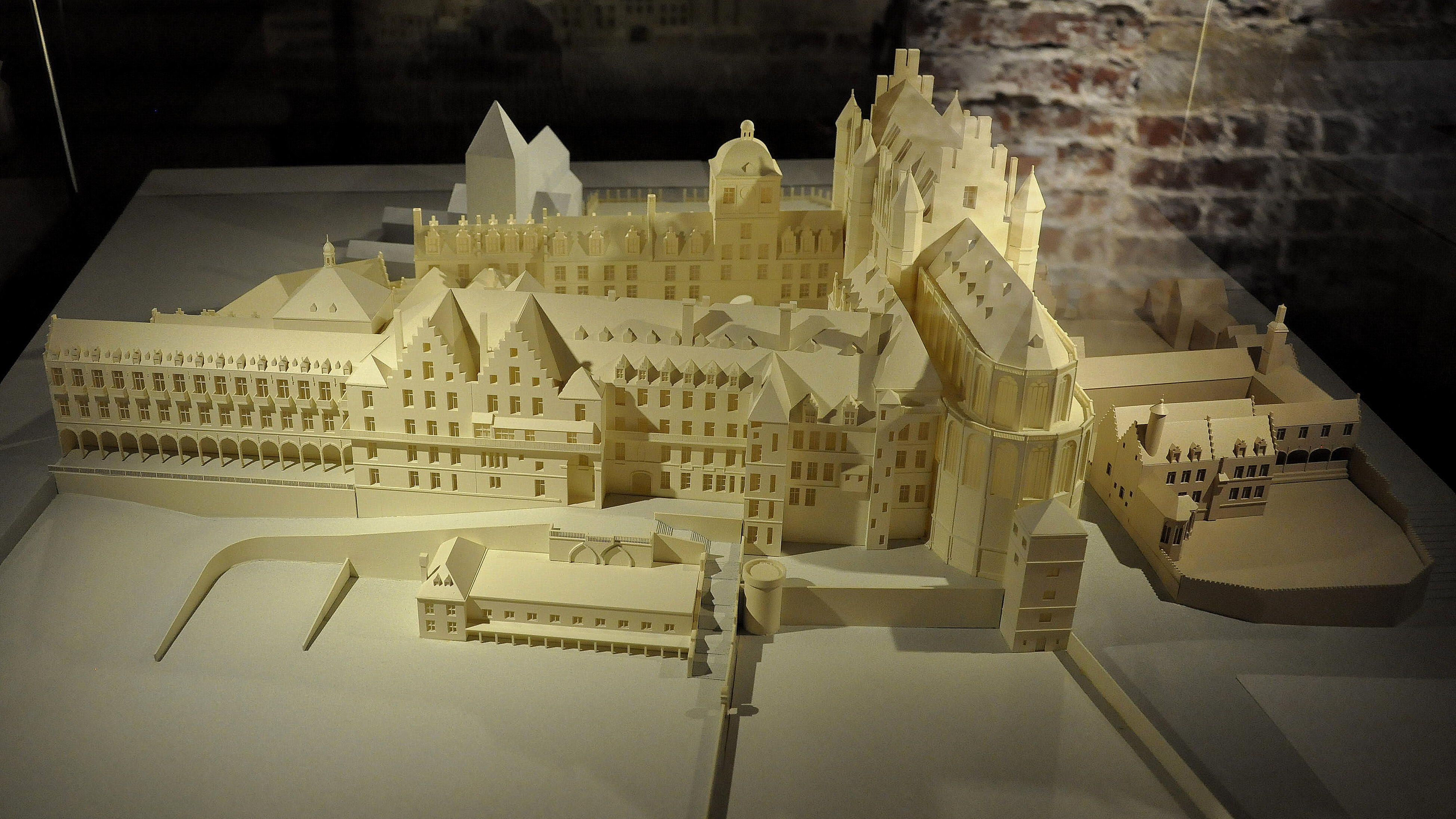
The Palace of Coudenberg in Brussels was a significant royal residence and seat of power from the 12th to the 18th century. Originally built in the 11th century by the counts of Leuven and Brussels, it became the principal residence of the Dukes of Brabant after the Duchy was established in 1183. The palace underwent several transformations, especially during the reigns of the Burgundian and Habsburg rulers, including significant expansions by Philip the Good and Charles V. It hosted important events like the regular meetings of the States General and the abdication of Charles V. A catastrophic fire in 1731 destroyed most of the palace, with only the underground parts surviving. These remains are now open for archaeological exploration, providing insights into the architectural and historical significance of the palace.
Gallery
Explore photographs of ancient structures, artifacts, and archaeological excavations
Historical Timeline
Journey through time and discover key events in this site's history
Construction of first castle
1047 CE
Duchy of Brabant creation
1183 CE
Brussels becomes court seat
13th century CE
Aula Magna construction
1430 CE
Regular States General meetings
1465 CE
Charles V abdication
1555 CE
Palace destruction by fire
1731 CE
Archaeological Features
Unique architectural and cultural elements found at this historical site
Defensive Structures
Public and Civic Structures
Religious and Ritual Structures
Artistic and Decorative Features
Domestic and Habitation Structures
Frequently Asked Questions
Plan Your Visit
Tours, travel arrangements, and practical information
More Sites in Belgium
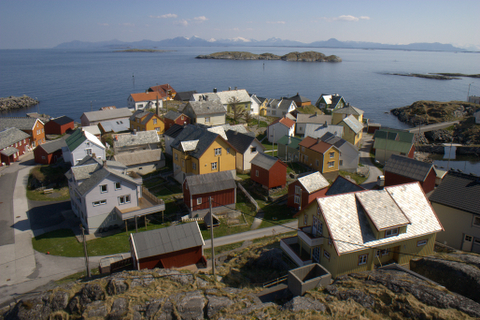
Walraversijde
Medieval coastal fishing village reconstruction
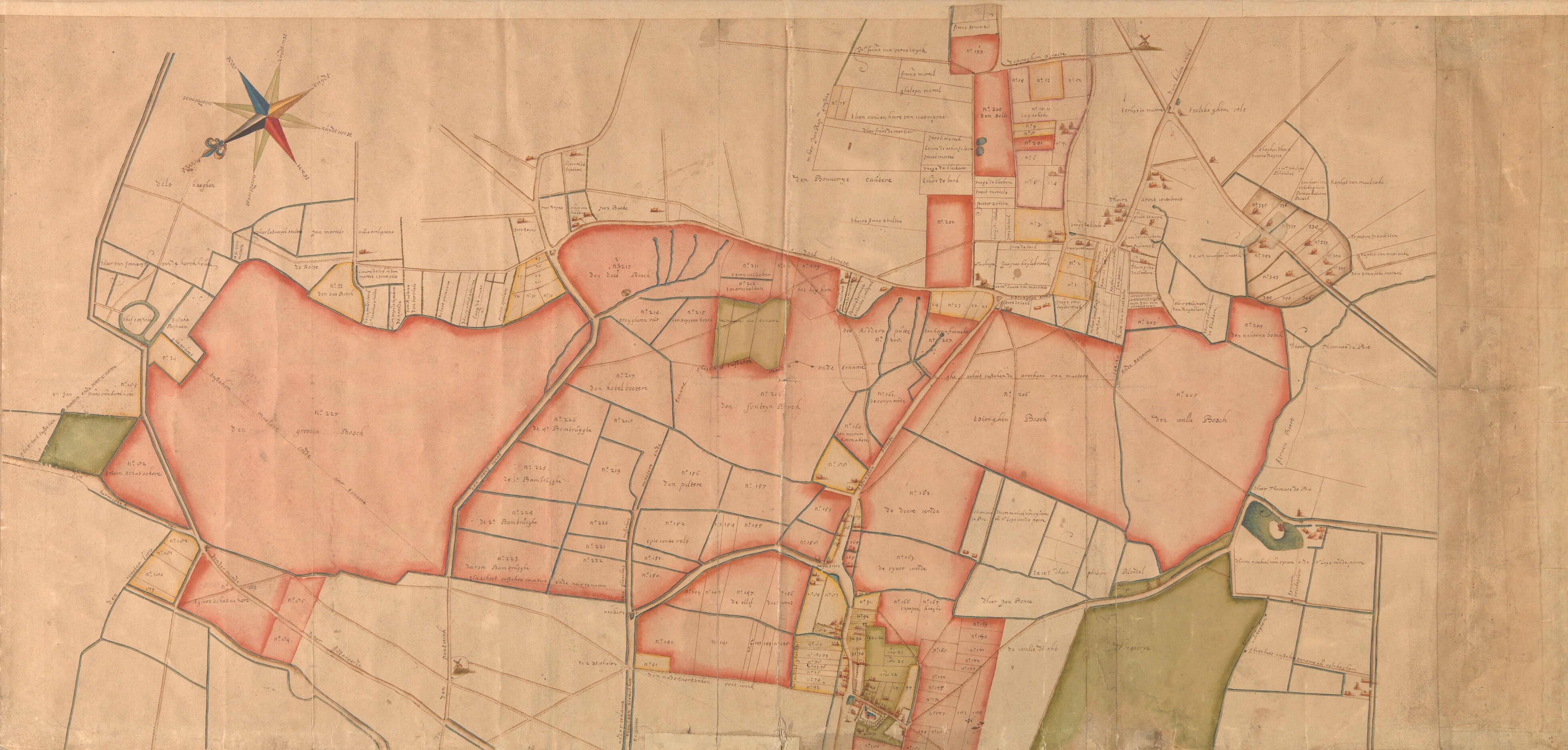
Ename Abbey
Benedictine abbey with Romanesque church remains
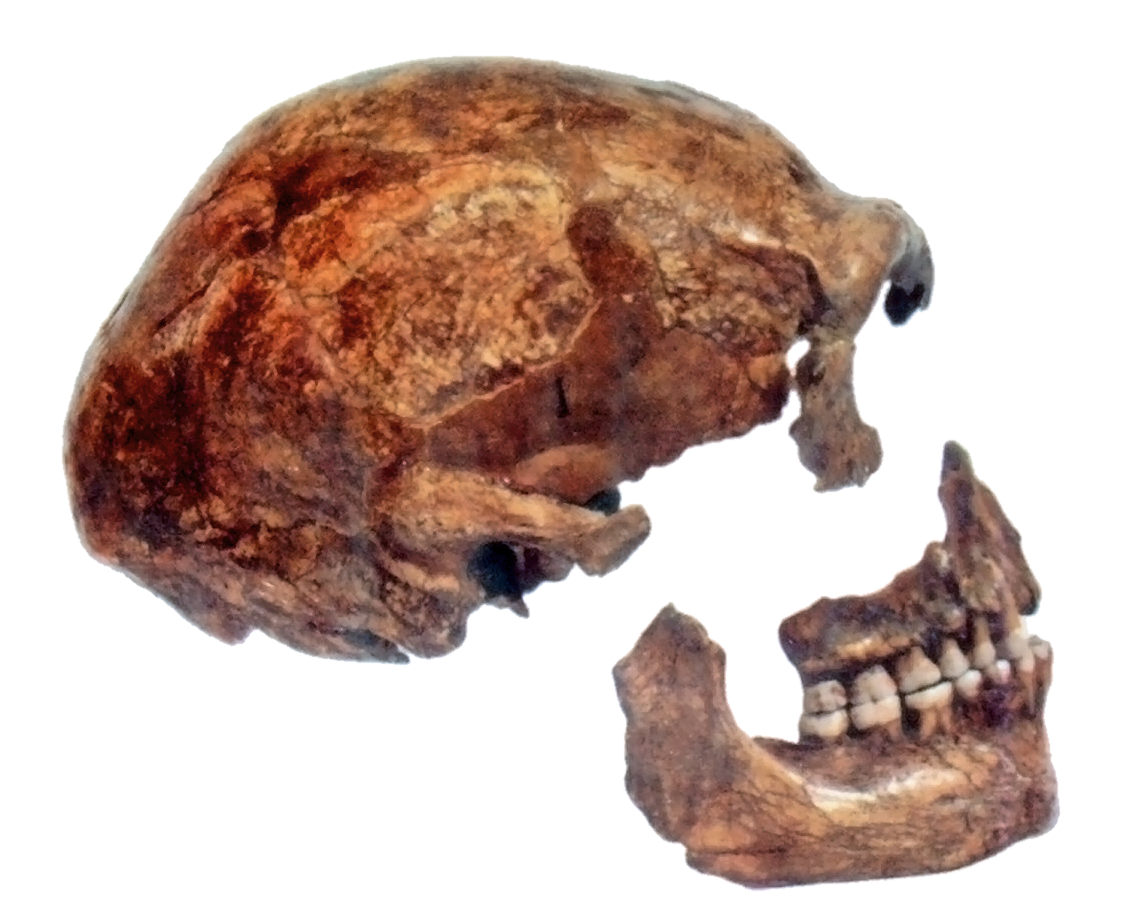
Spy Cave
Significant paleolithic cave with Neanderthal remains
Belfries of Belgium and France
<p>Twenty-three belfries in the north of France and the belfry of Gembloux in Belgium were inscribed in 2005, as an extension to the 32 Belgian belfries…
Trou de l'Abîme
Mousterian cave site in Namur, Belgium
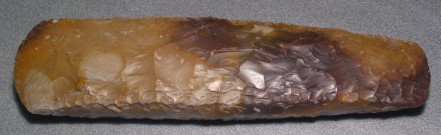
Neolithic flint mines of Spiennes
Large Neolithic flint mining site in Belgium.