Explore the Map
Round Church, Preslav
43.1423° N, 26.8130° E
About
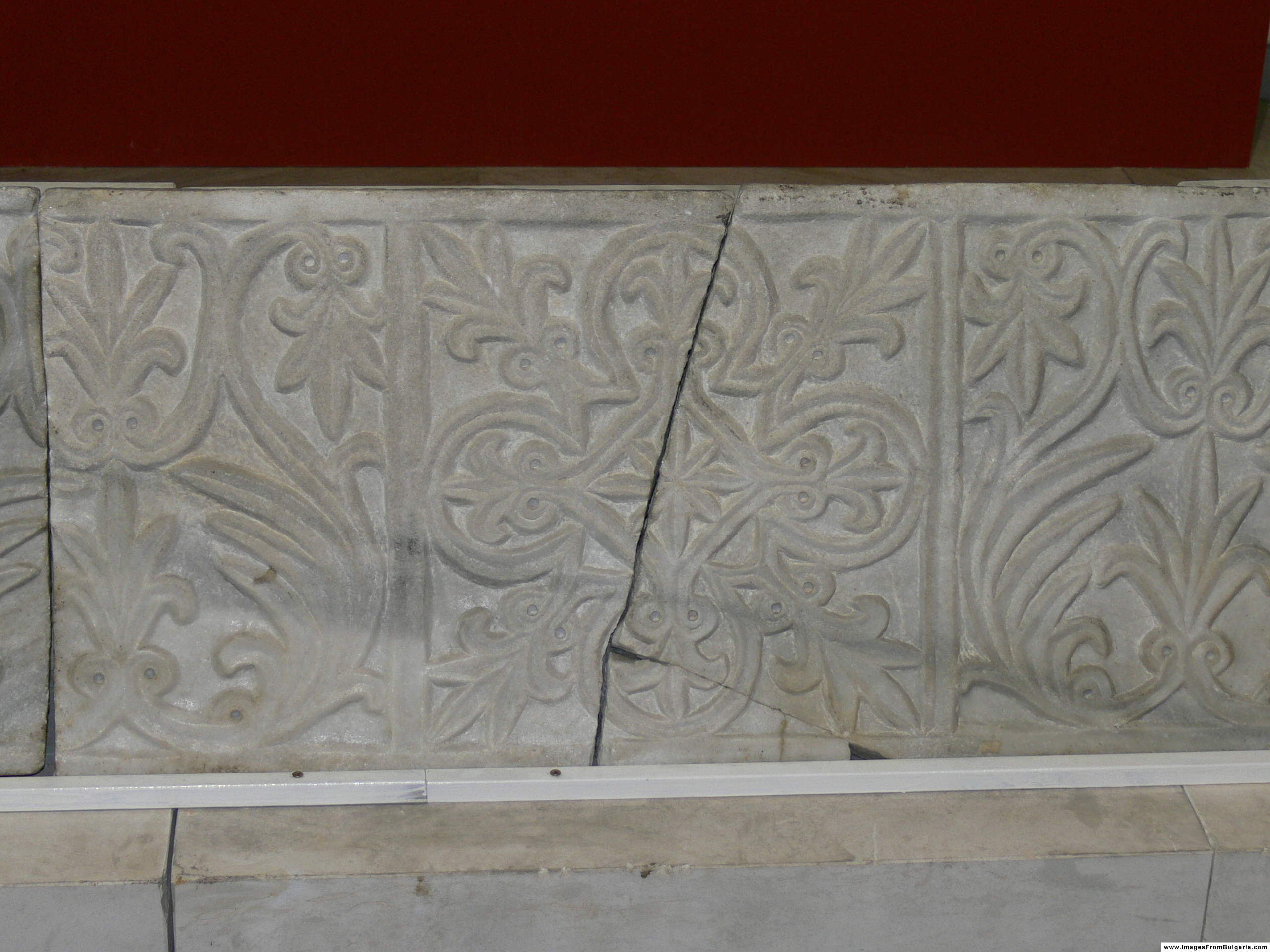
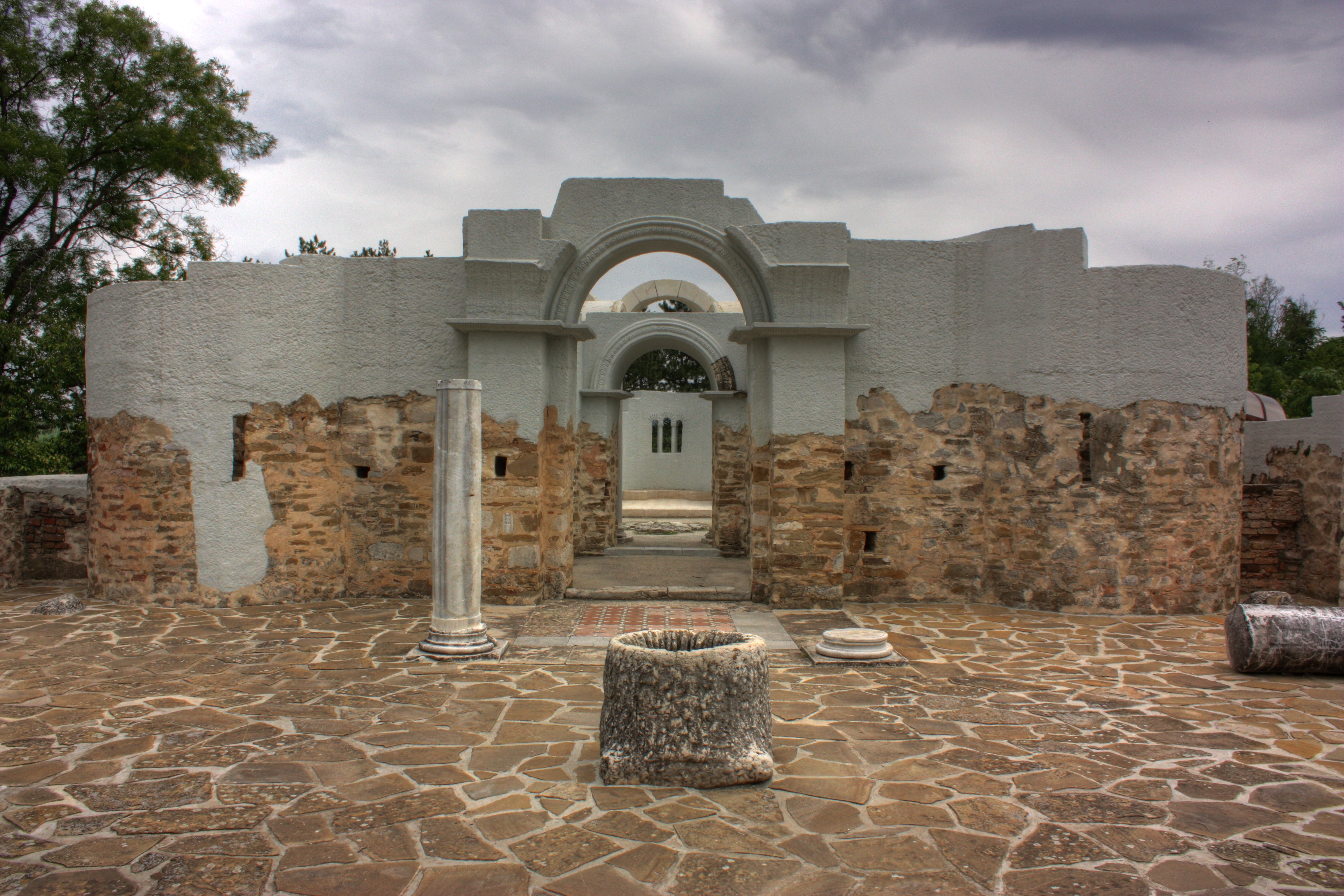
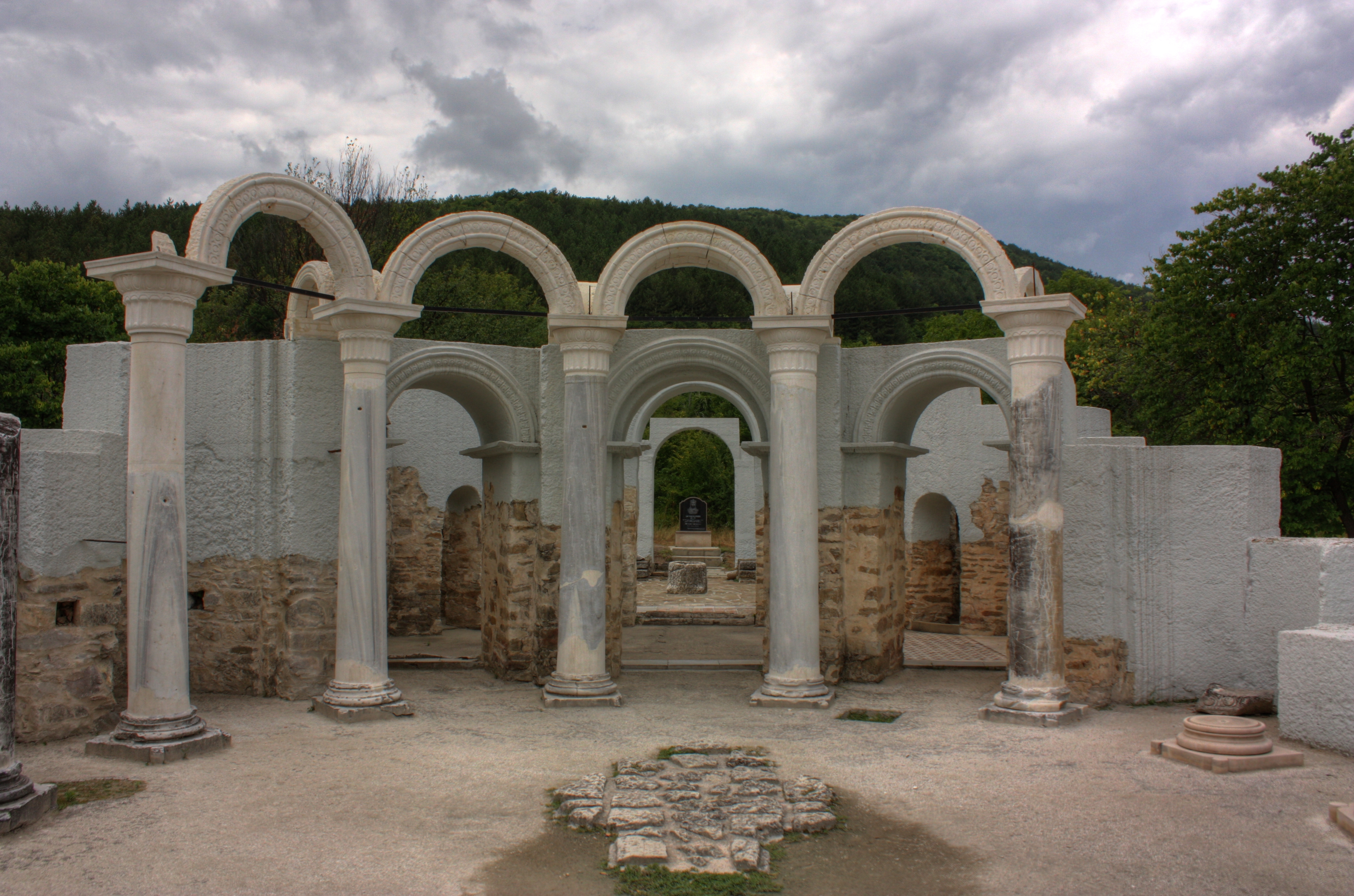
The Round Church (Bulgarian: Кръгла църква, Kragla tsarkva), also known as the Golden Church (Златна църква, Zlatna tsarkva) or the Church of St John (църква "Свети Йоан", tsarkva "Sveti Yoan"), is a large partially preserved early medieval Eastern Orthodox church. It lies in Preslav, the former capital of the First Bulgarian Empire, today a town in northeastern Bulgaria. The church dates to the early 10th century, the time of Tsar Simeon I's rule, and was unearthed and first archaeologically examined in 1927–1928. Considered to be one of the most impressive examples of medieval Bulgarian architecture, the Round Church takes its name from the distinctive shape of one of its three sections, the cella (naos), which is a rotunda that serves as a place of liturgy. The church's design also includes a wide atrium and a rectangular entrance area, or narthex, marked by two circular turrets. The church has been likened to examples of religious architecture from the late Roman (Early Christian) period, the Caucasus, and the Carolingian Pre-Romanesque of Charlemagne because of its characteristic plan, which is significantly different from contemporaneous Bulgarian or Byzantine buildings. The church's alternative name, the Golden Church, stems from its possible and popular identification with a "new golden church" in Preslav referenced in a medieval literary source. The Round Church's rich interior decoration, which makes ample use of mosaics, ceramics and marble details, distinguishes it from other churches in Preslav. Its interior features hundreds of drawings depicting ships, fauna, and Christian figures. Medieval inscriptions on the walls range from names of saints in Byzantine Greek to separate letters and short texts in the Glagolitic and Cyrillic alphabets.
Gallery
Explore photographs of ancient structures, artifacts, and archaeological excavations
Historical Timeline
Journey through time and discover key events in this site's history
Simeon monument unveiled nearby
27 May 2007
Bulgarian state founded
681
Christianisation of Bulgaria
860s
Reign of Tsar Simeon I
893–927
Possible dating from colophon
907
Declared archaeological reserve
1927
First archaeological excavation
1927–1928
Church of St Petka reconstruction inspired by Round Church
1944
Listed as monument of national importance
1970
Partial restoration
late 1990s–early 2000s
Reconstruction plans announced
December 2009
Archaeological Features
Unique architectural and cultural elements found at this historical site
Religious and Ritual Structures
Artistic and Decorative Features
Domestic and Habitation Structures
Frequently Asked Questions
Plan Your Visit
Tours, travel arrangements, and practical information
More Sites in Bulgaria
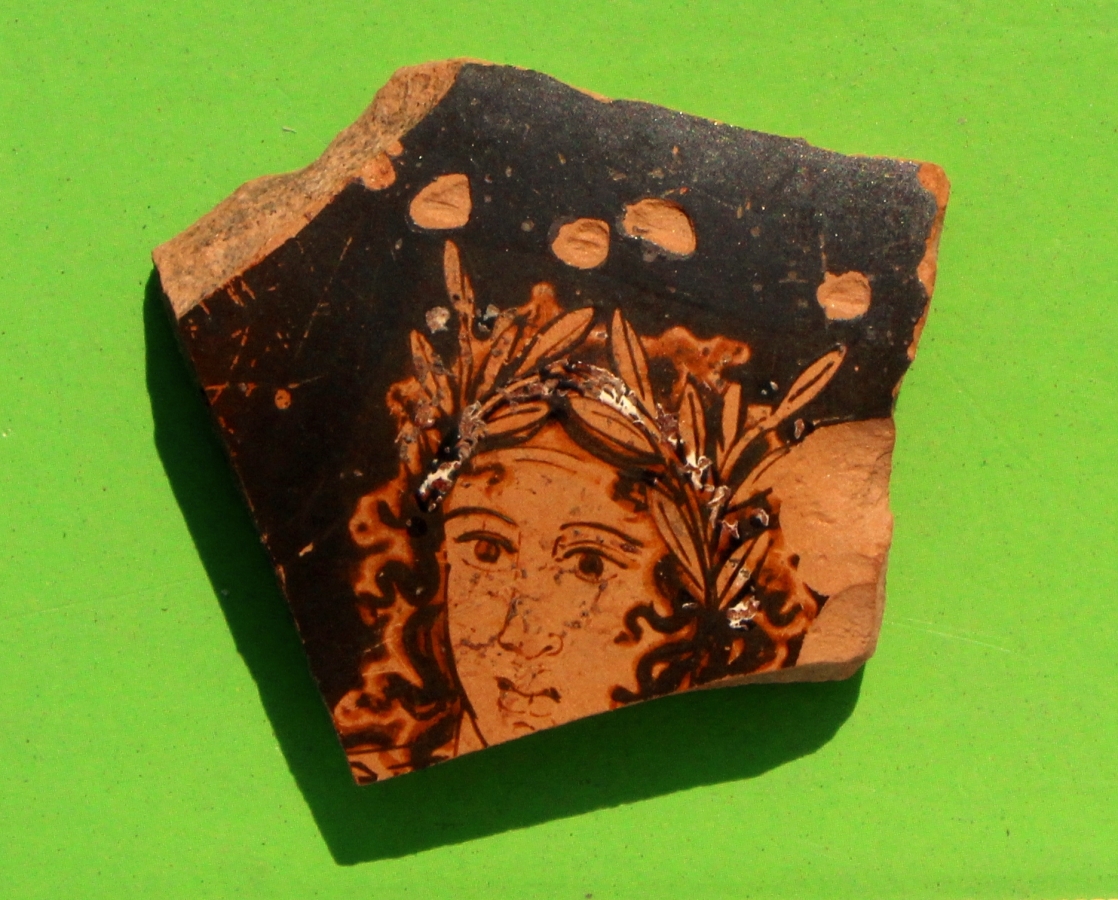
Pistiros
Ancient Greek emporion in Thrace, 5th–3rd centuries BC
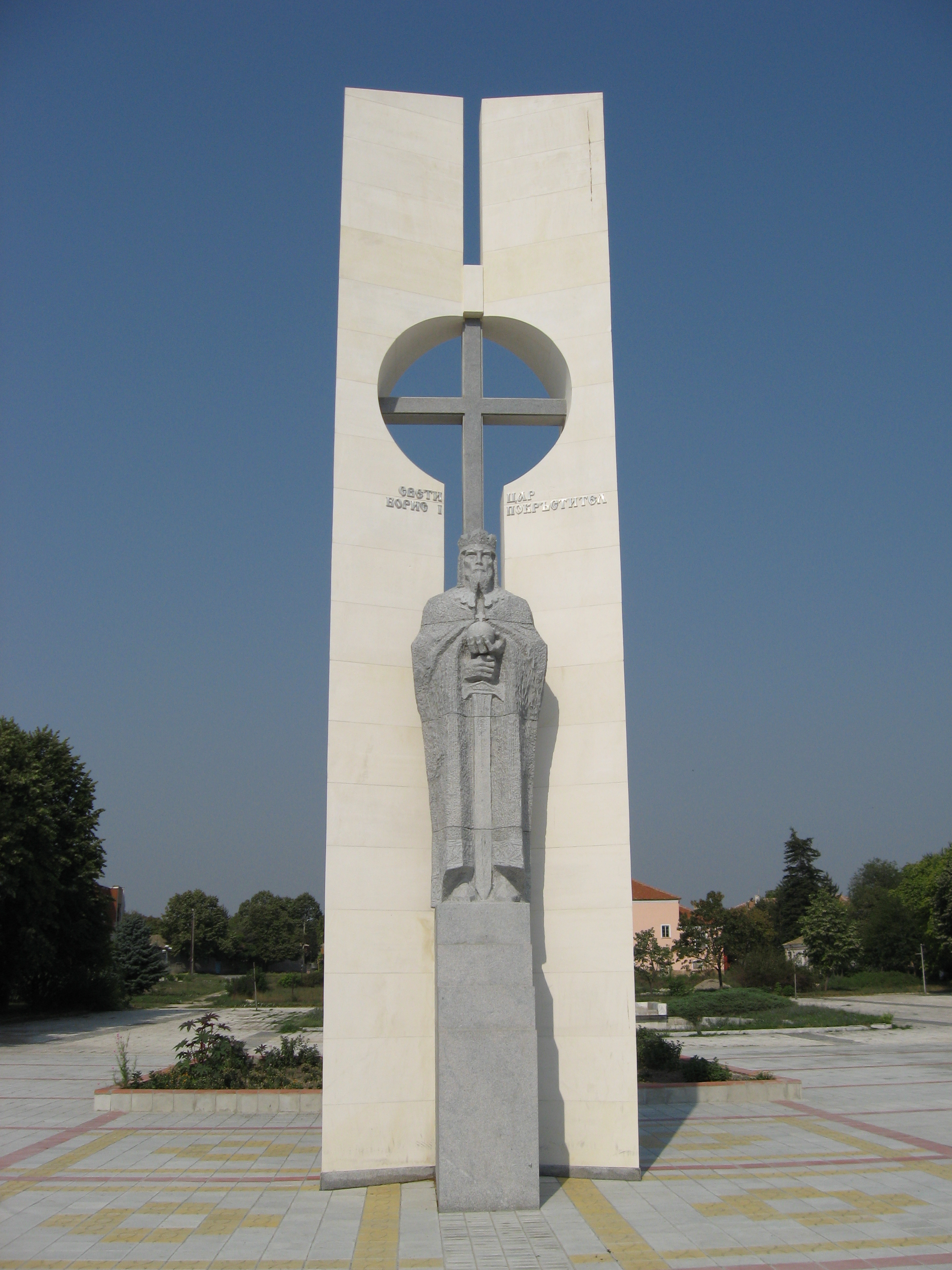
Pliska
First Bulgarian Empire's medieval capital
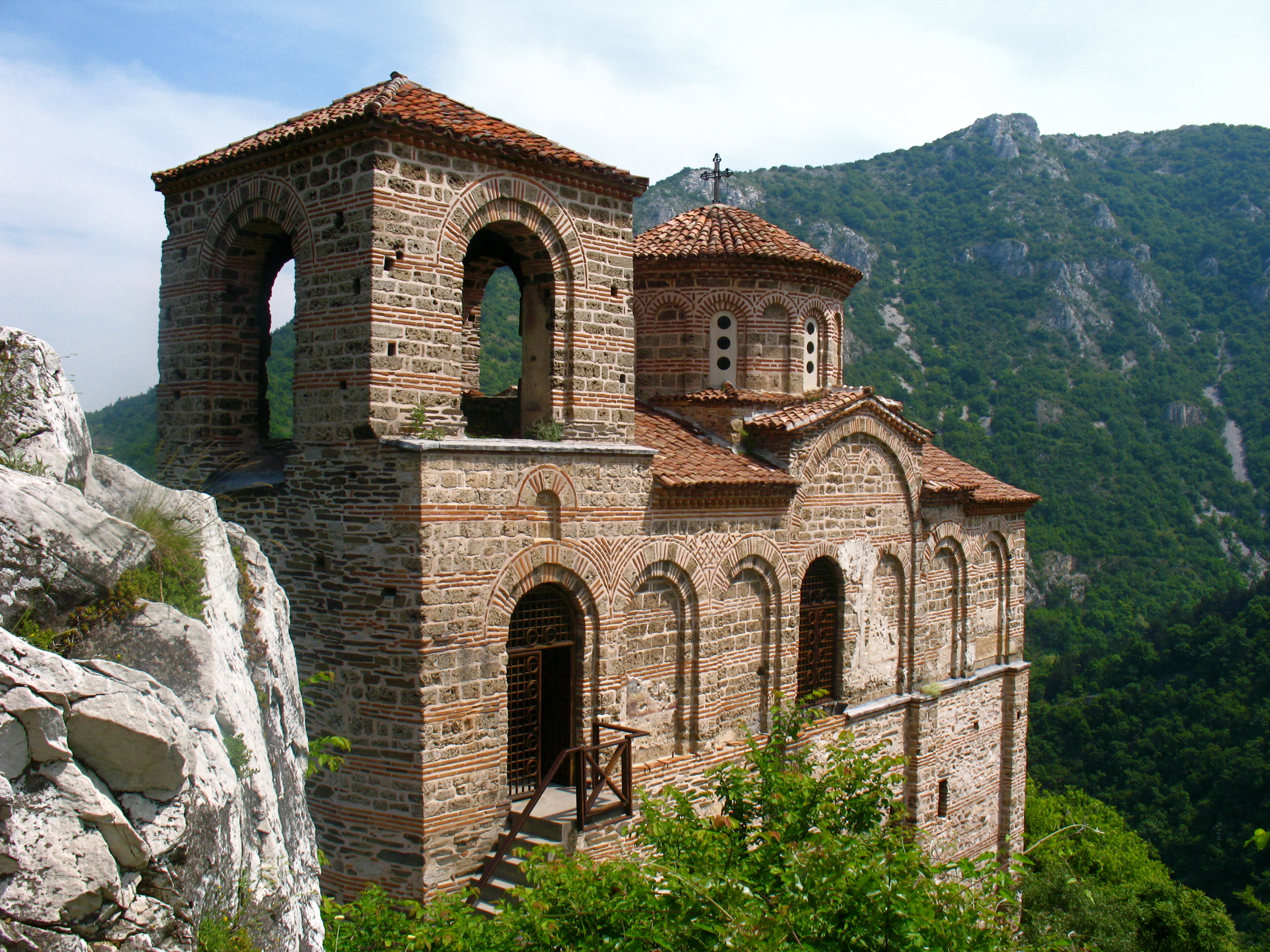
Perperikon
Ancient Thracian city with fortress ruins
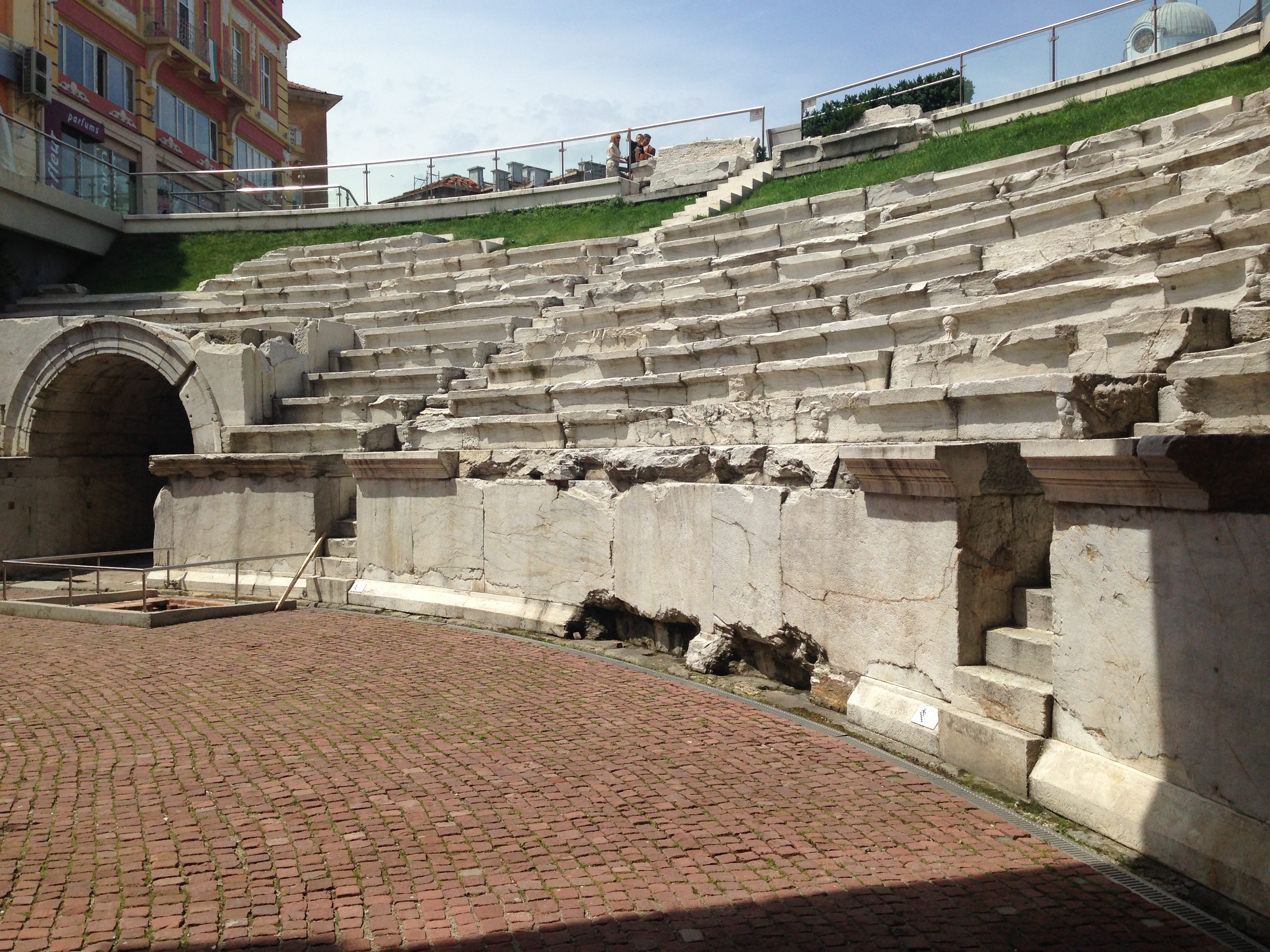
Philippopolis (Thrace)
Ancient city on seven syenite hills
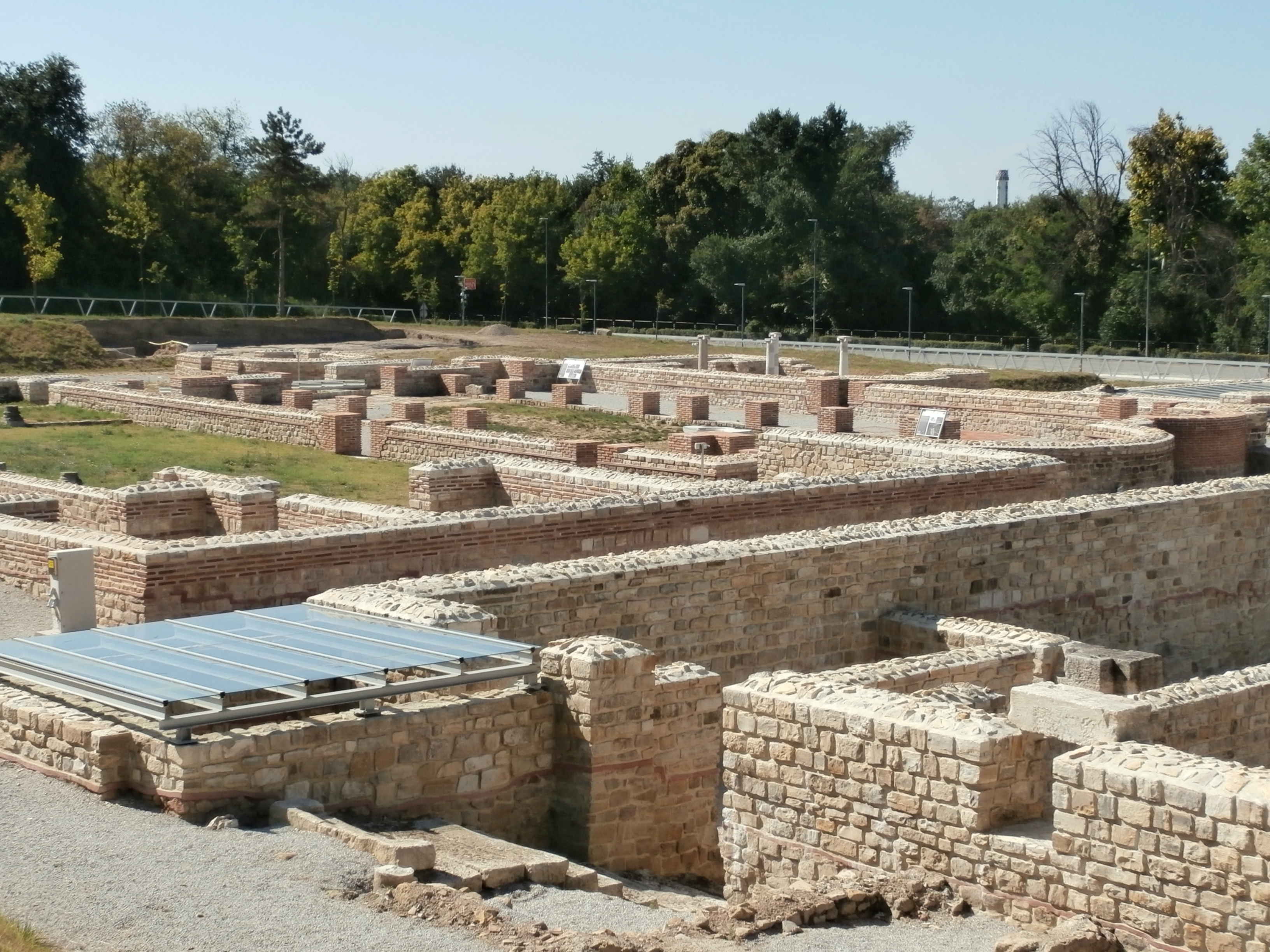
Novae (fortress)
Roman legionary fortress on the Danube, Bulgaria
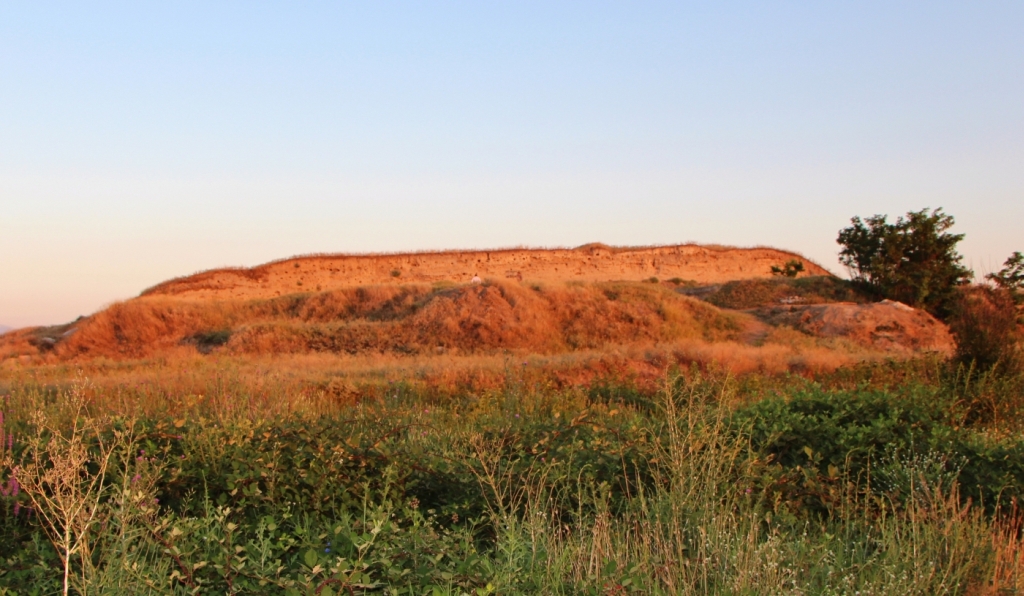
Tell Yunatsite
Multilayered settlement mound in Bulgaria