Explore the Map
Pliska
43.3870° N, 27.1320° E
About
Pliska, the first capital of the First Bulgarian Empire, served as a significant political and cultural hub during the Early Post-Classical Period. Established around 681 CE by Khan Asparuh, it was an extensive fortified area with both wooden and stone structures, including palaces and defensive walls. The city underwent several reconstructions, notably by Omurtag, who incorporated Roman architectural influences. The conversion to Christianity under Boris I saw the adaptation of religious structures, including the construction of the Great Basilica. Pliska was a center of cultural and educational development, exemplified by the Pliska Literary School. However, its prominence waned after Simeon I moved the capital to Preslav, and it was eventually destroyed during the Byzantine conquest in the late 10th century.
Gallery
Explore photographs of ancient structures, artifacts, and archaeological excavations
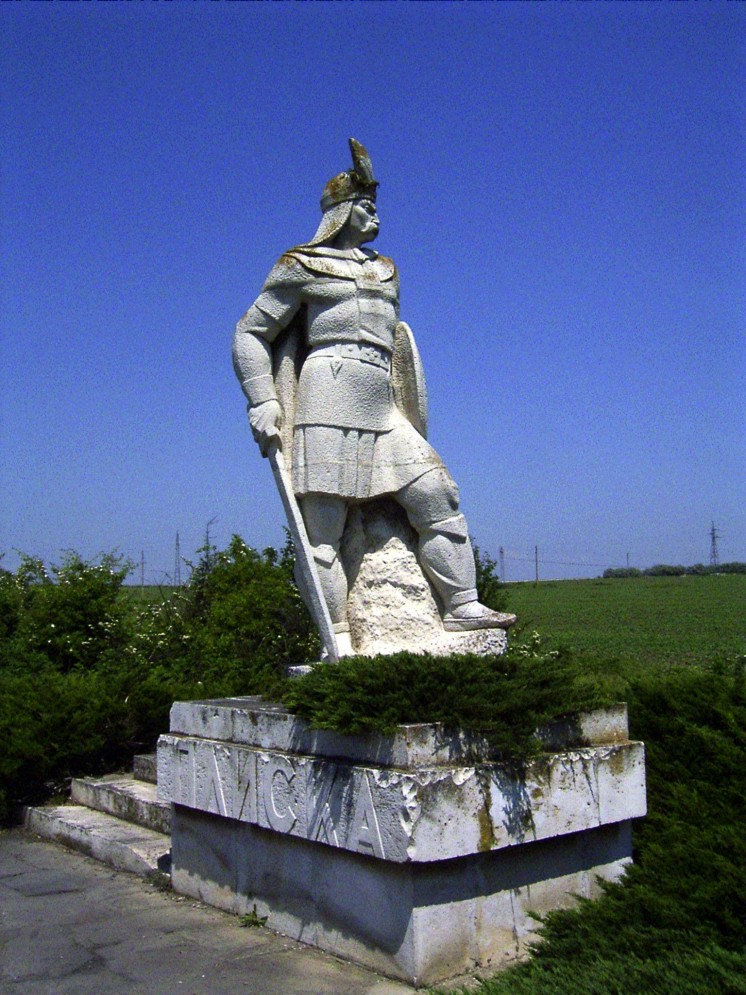
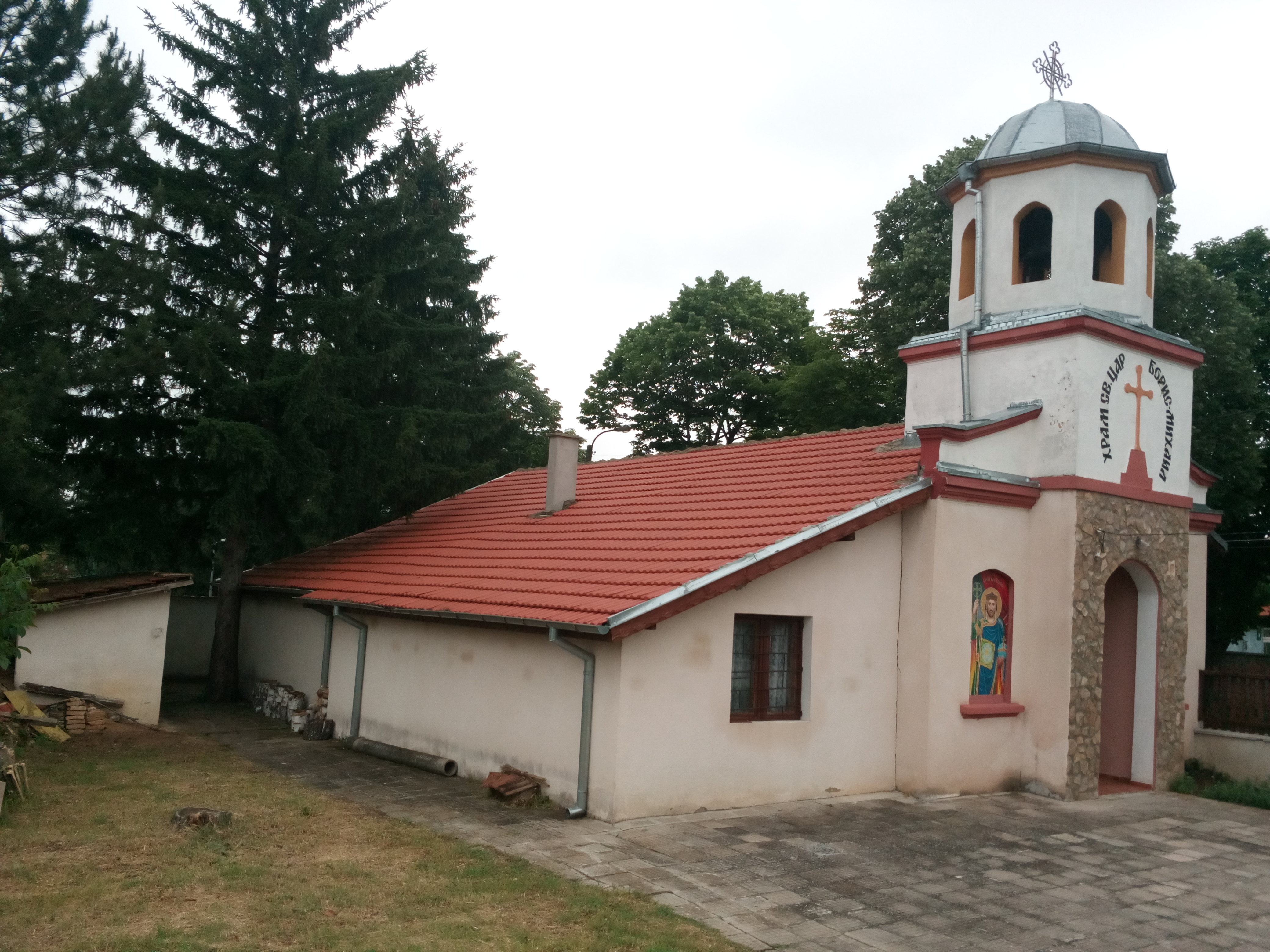
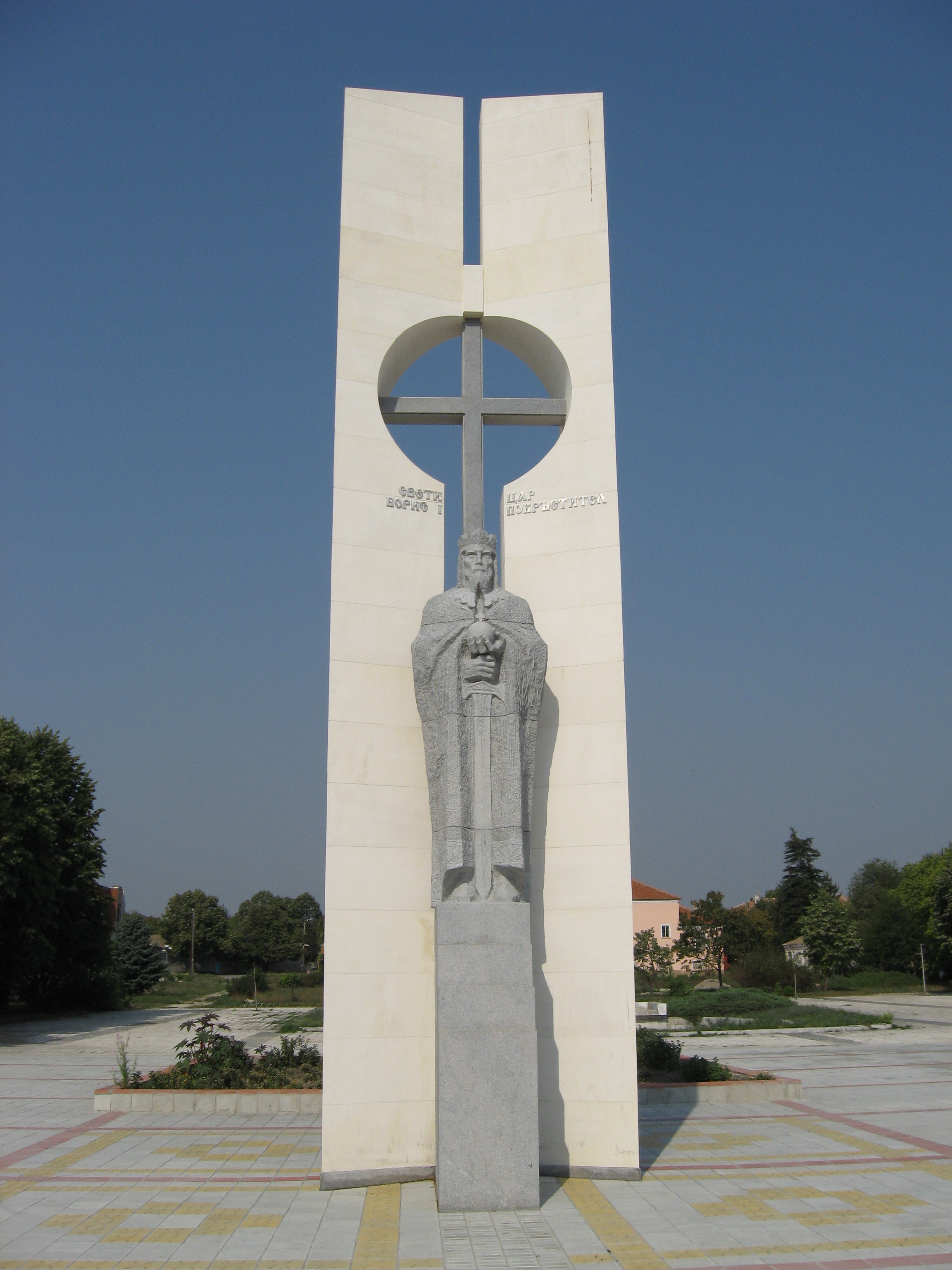
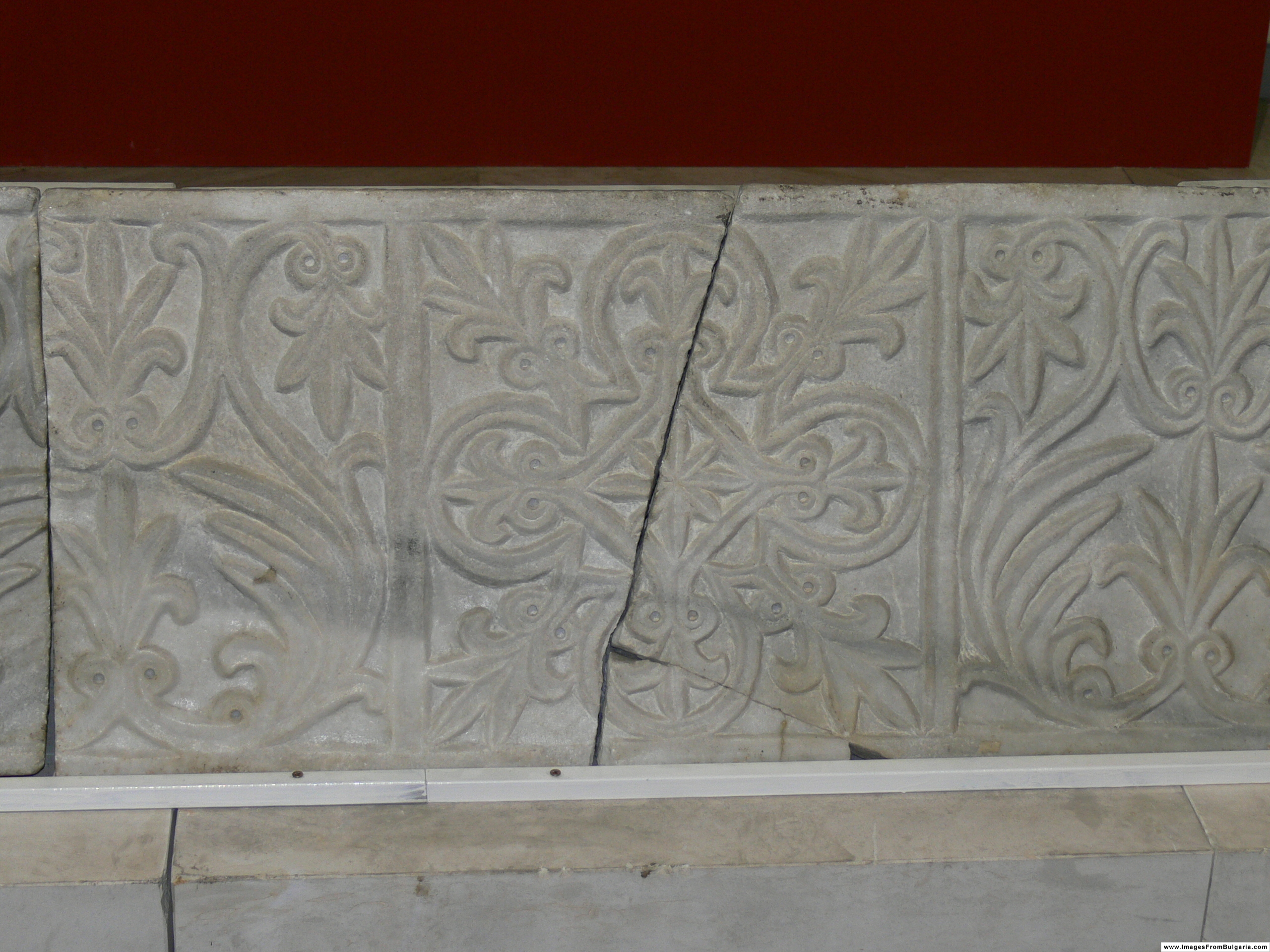
Historical Timeline
Journey through time and discover key events in this site's history
Pliska as capital
681 CE
Nikephoros I's sack of Pliska
811 CE
Omurtag rebuilds Pliska
814-831 CE
Conversion to Christianity
864 CE
Abandonment after Simeon I
10th century CE
Destruction in Byzantine conquest
969-972 CE
Archaeological Features
Unique architectural and cultural elements found at this historical site
Defensive Structures
Water Management Features
Public and Civic Structures
Industrial and Craft Structures
Religious and Ritual Structures
Domestic and Habitation Structures
Frequently Asked Questions
Plan Your Visit
Tours, travel arrangements, and practical information
More Sites in Bulgaria
Round Church, Preslav
Medieval Bulgarian rotunda church, 10th century
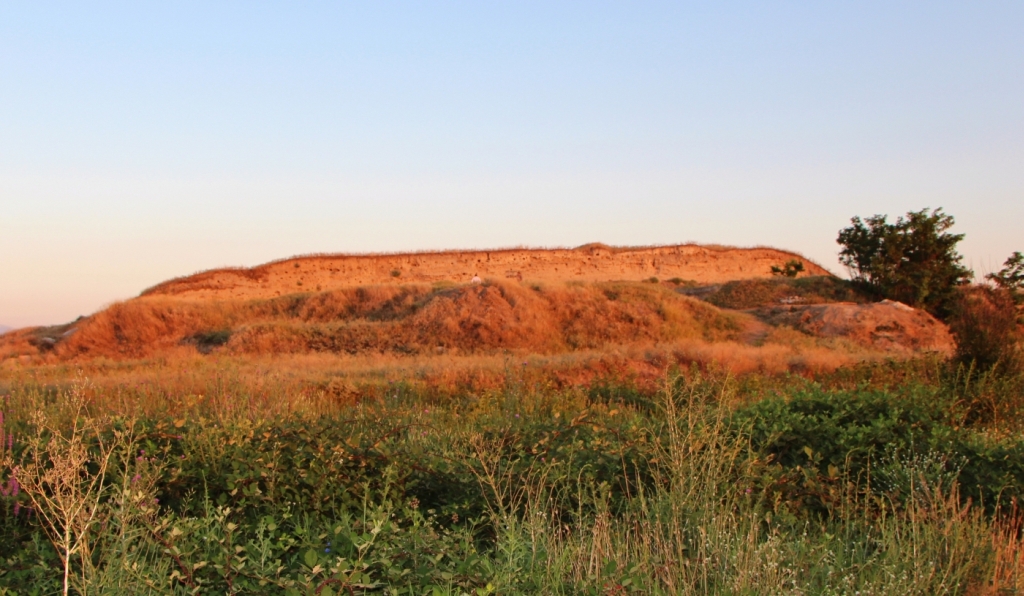
Tell Yunatsite
Multilayered settlement mound in Bulgaria
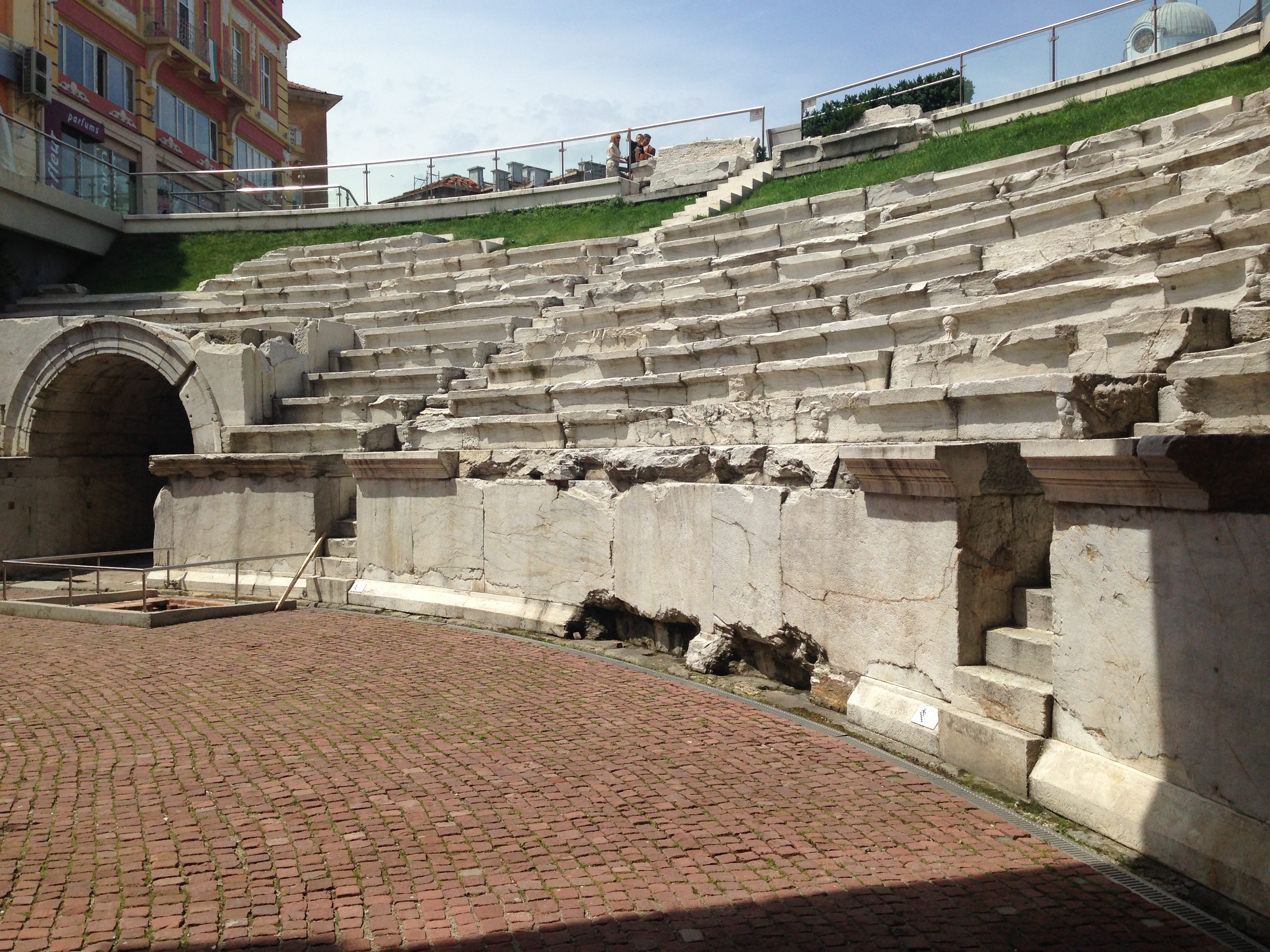
Philippopolis (Thrace)
Ancient city on seven syenite hills
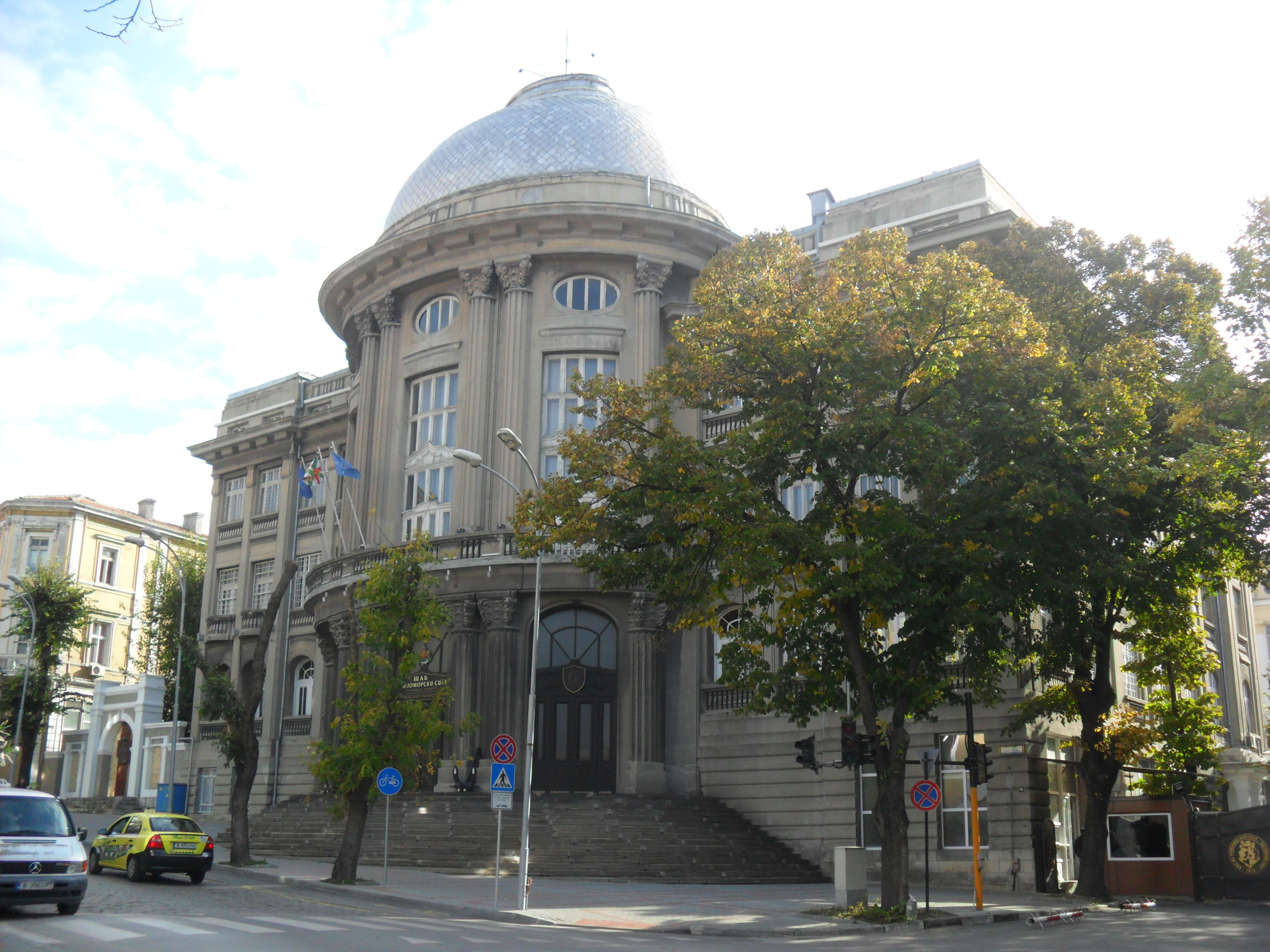
Varna, Bulgaria
Ancient Thracian and Greek settlement site
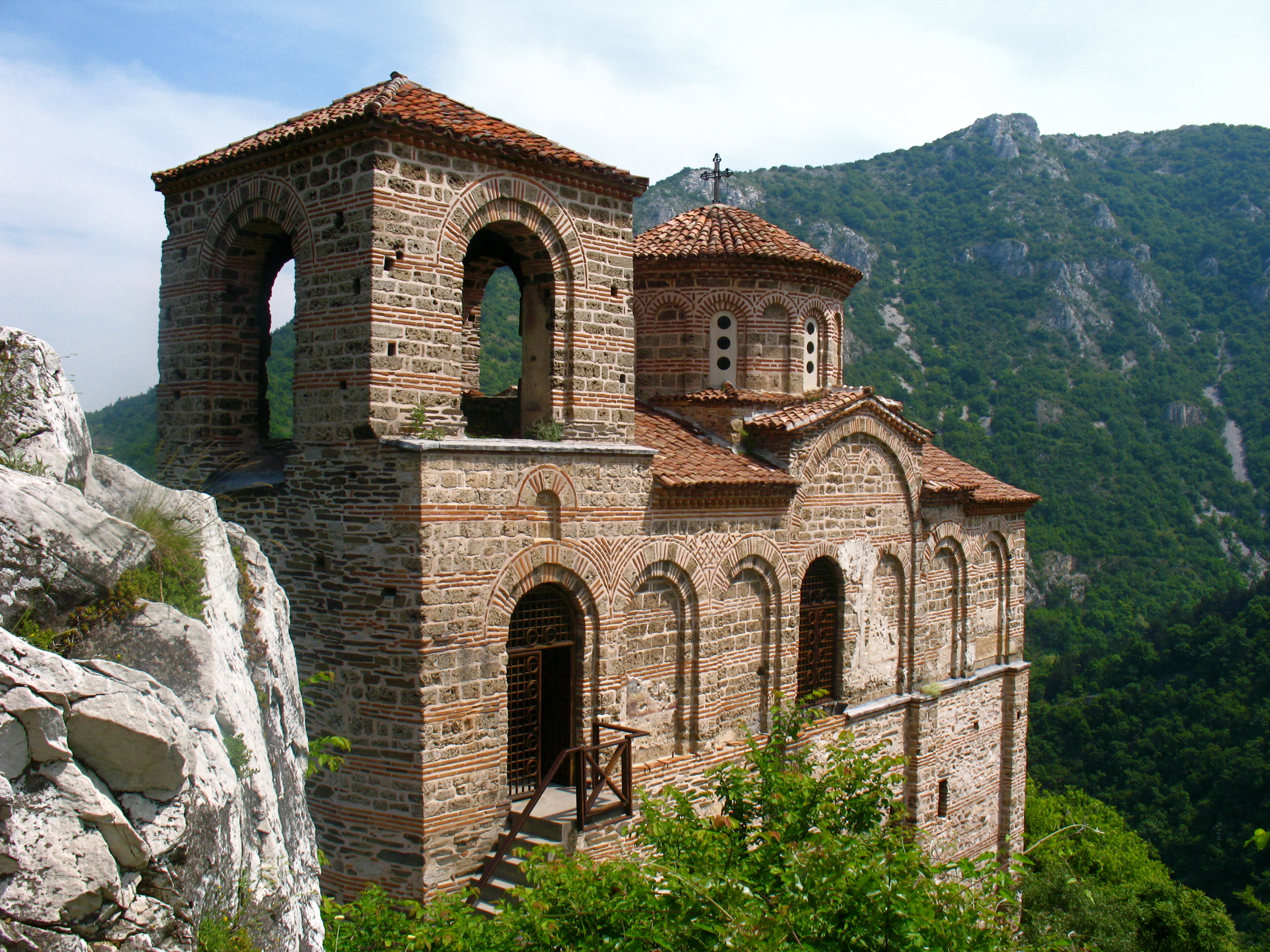
Perperikon
Ancient Thracian city with fortress ruins
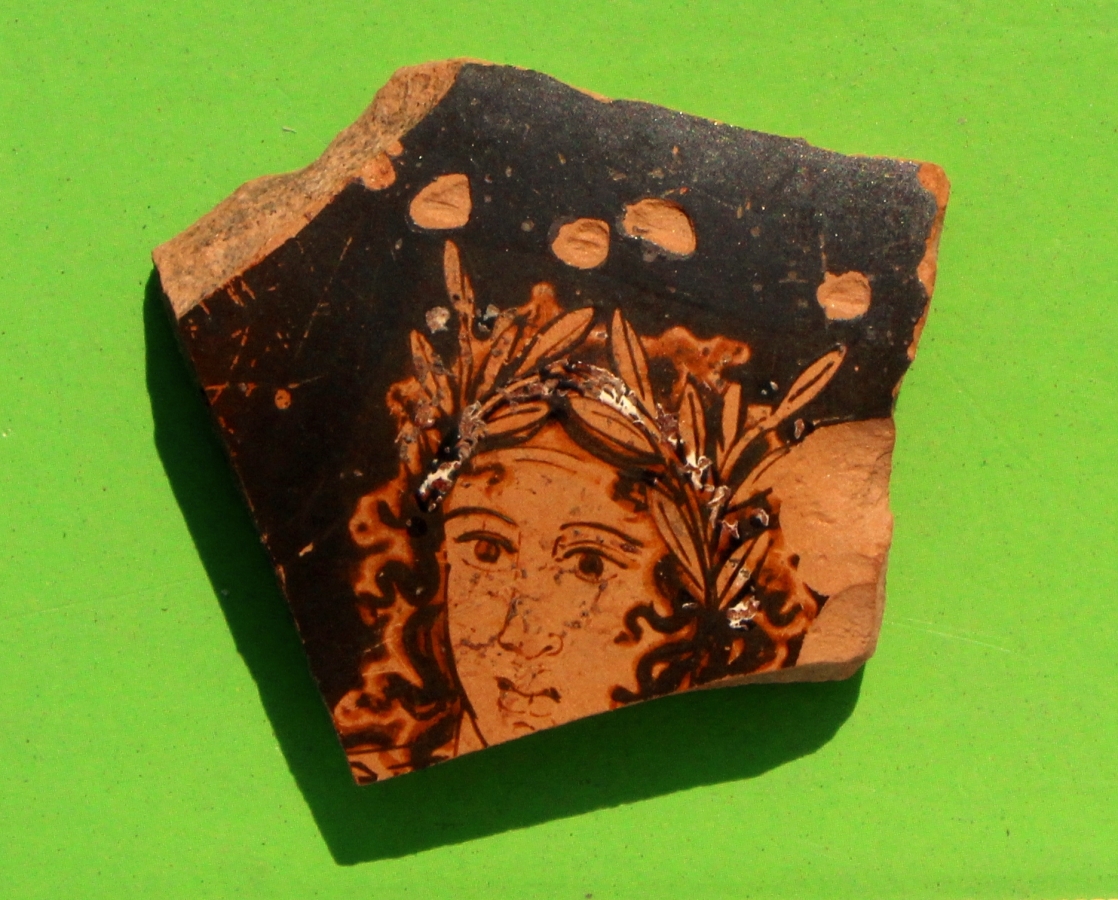
Pistiros
Ancient Greek emporion in Thrace, 5th–3rd centuries BC