
Explore the Map
Madara Rider
43.2767° N, 27.1196° E
About
The Madara Rider, a significant early medieval rock relief, is located on the Madara Plateau in northeastern Bulgaria. Carved into a nearly vertical cliff, this life-size depiction of a horseman dates back to the early 8th century CE, during the reign of Khan Tervel. The relief portrays a horseman spearing a lion, accompanied by a dog, reflecting a blend of Thracian and Bulgar iconography. Its creation is associated with the Bulgar's equestrian warrior culture and possibly connected to the deity Tangra. Additional inscriptions from Khans Krum and Omurtag further enrich the historical narrative of Bulgaria. The site, including remnants of a pagan shrine and early Christian structures, offers insights into the region's religious transformations during the 9th century CE.
Historical Timeline
Journey through time and discover key events in this site's history
Creation of Madara Rider Relief
701 CE - 718 CE
Khan Omurtag's Inscription
814 CE - 831 CE
Archaeological Features
Unique architectural and cultural elements found at this historical site
Religious and Ritual Structures
Artistic and Decorative Features
Frequently Asked Questions
Plan Your Visit
Tours, travel arrangements, and practical information
More Sites in Bulgaria
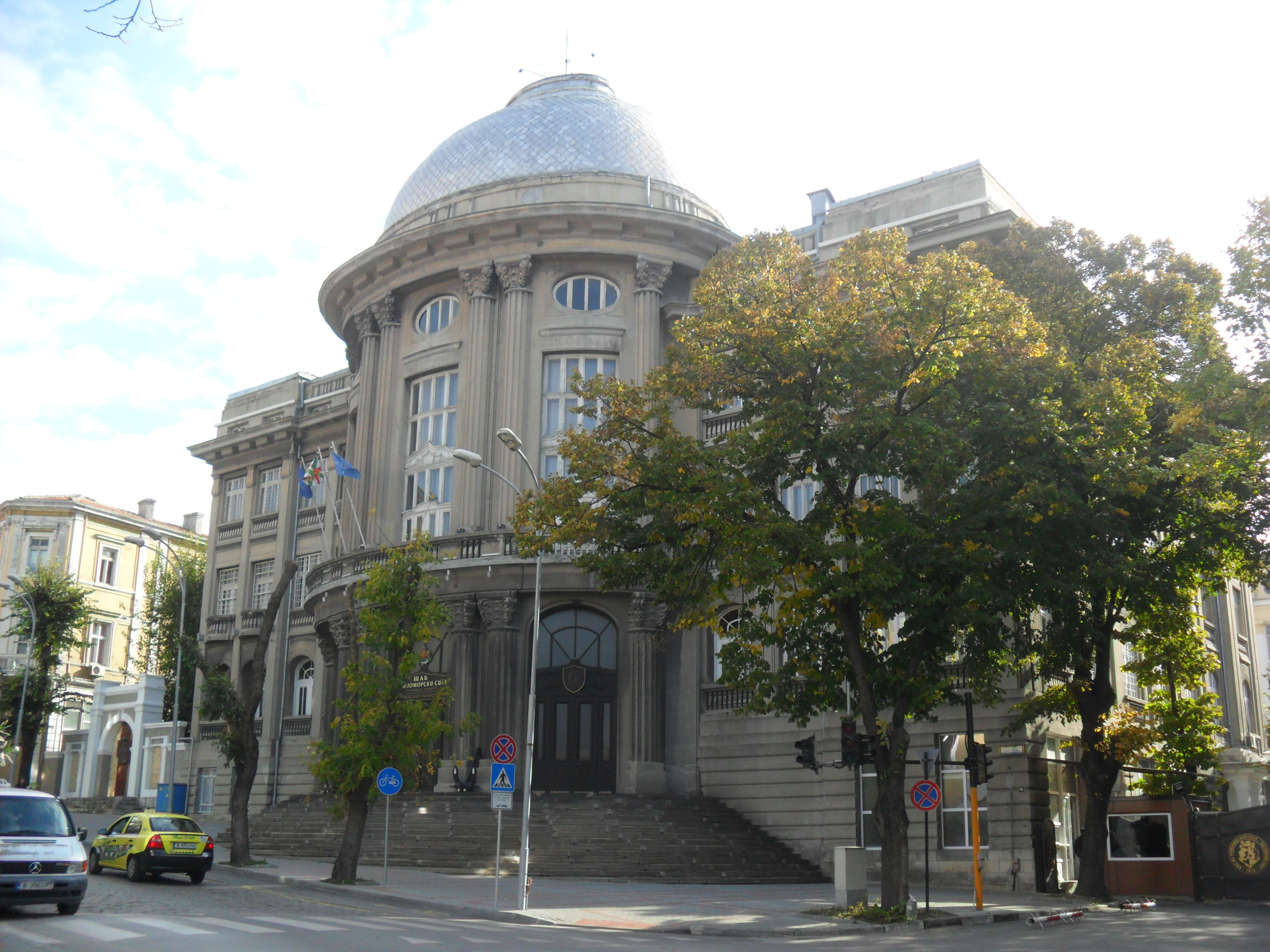
Varna, Bulgaria
Ancient Thracian and Greek settlement site
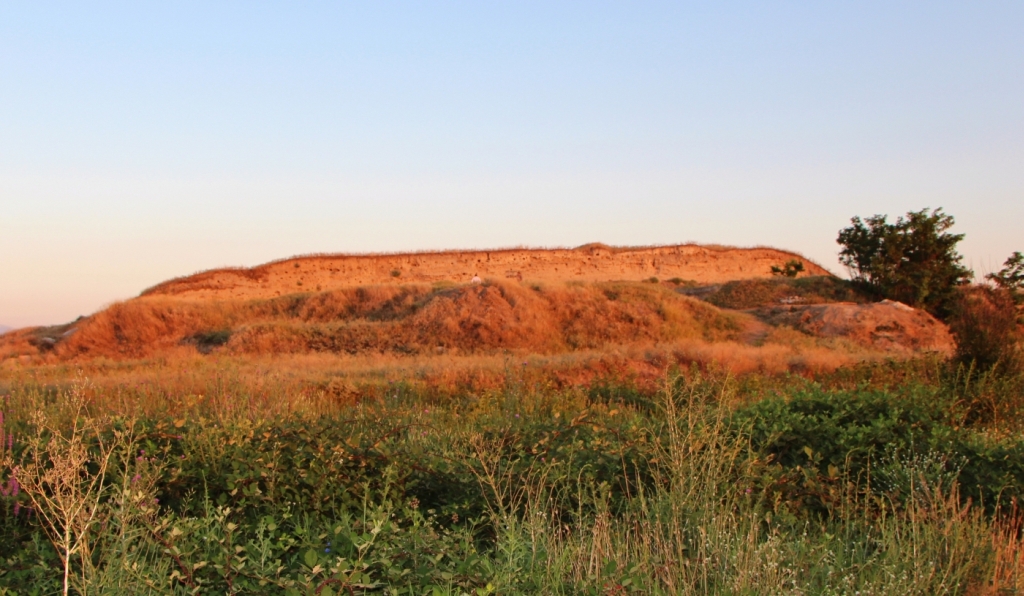
Tell Yunatsite
Multilayered settlement mound in Bulgaria
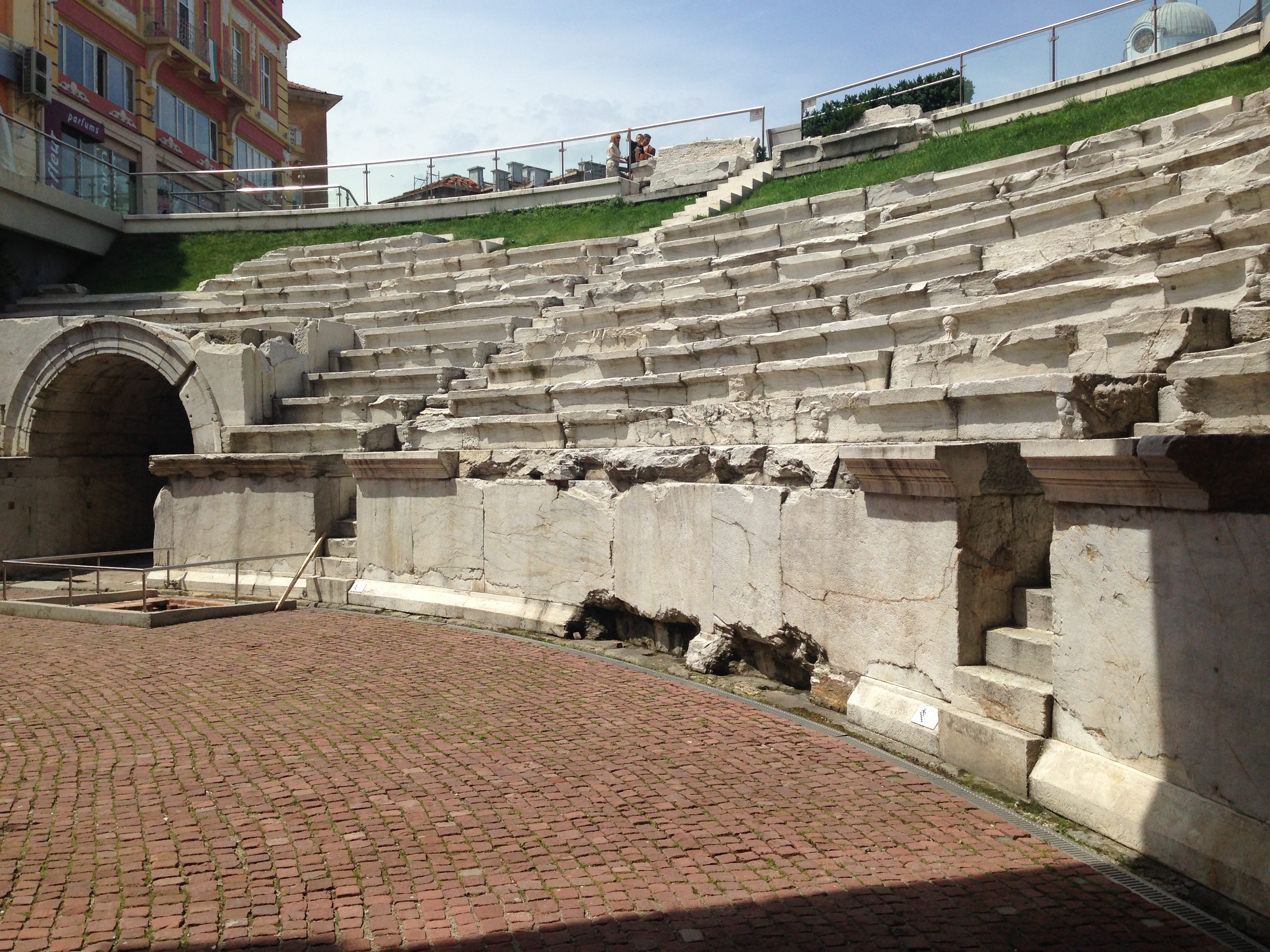
Philippopolis (Thrace)
Ancient city on seven syenite hills
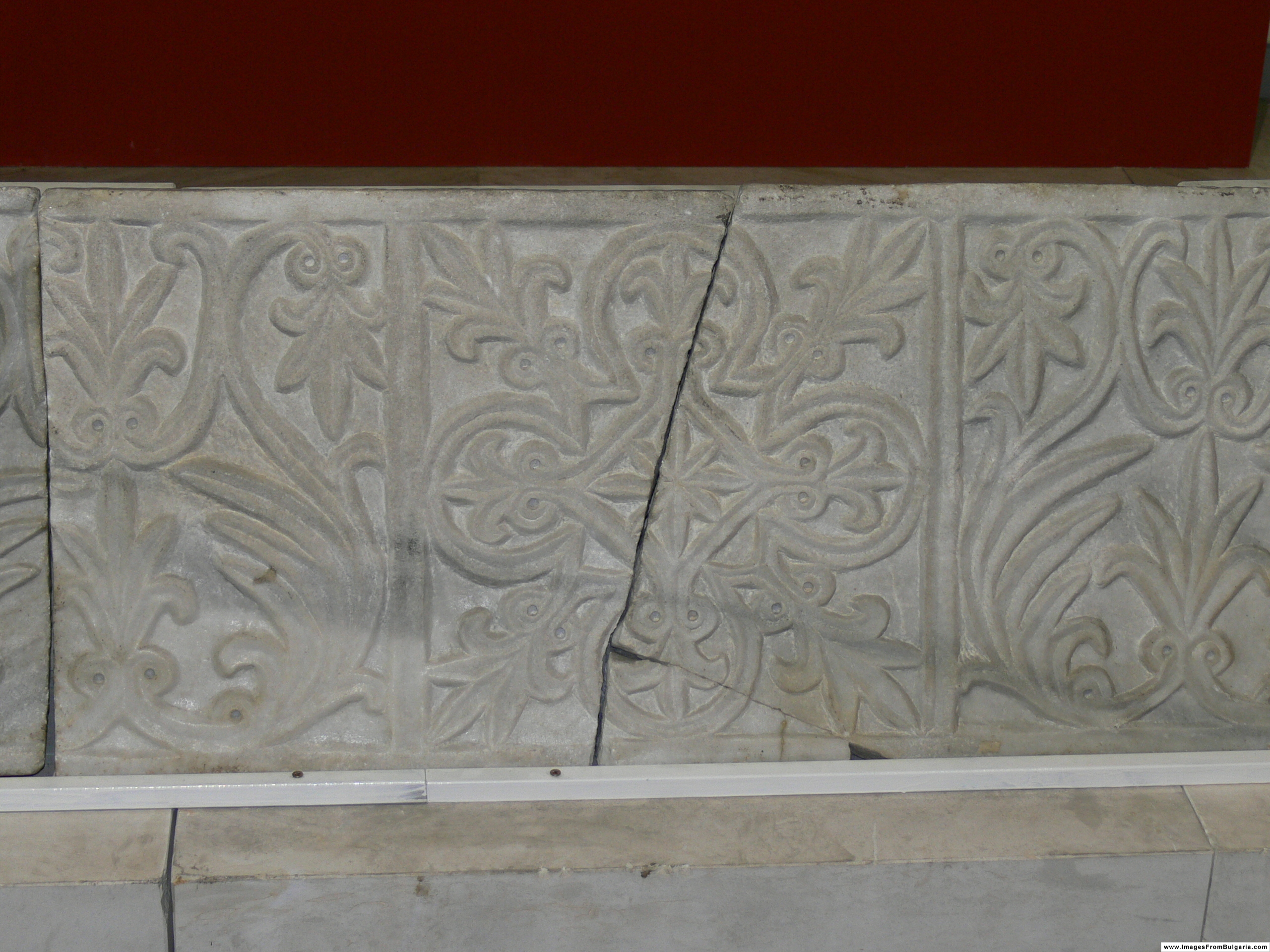
Round Church, Preslav
Medieval Bulgarian rotunda church, 10th century
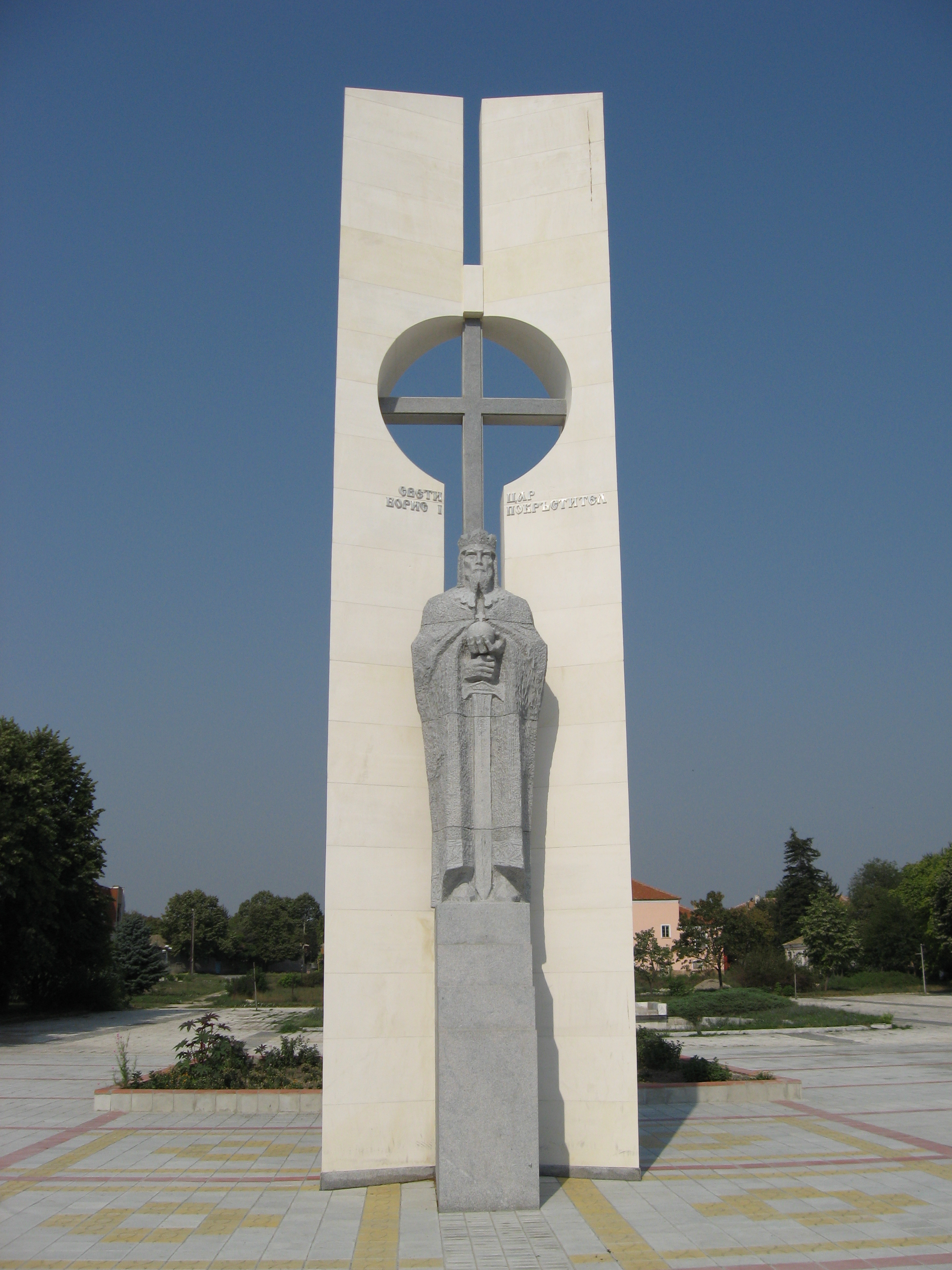
Pliska
First Bulgarian Empire's medieval capital
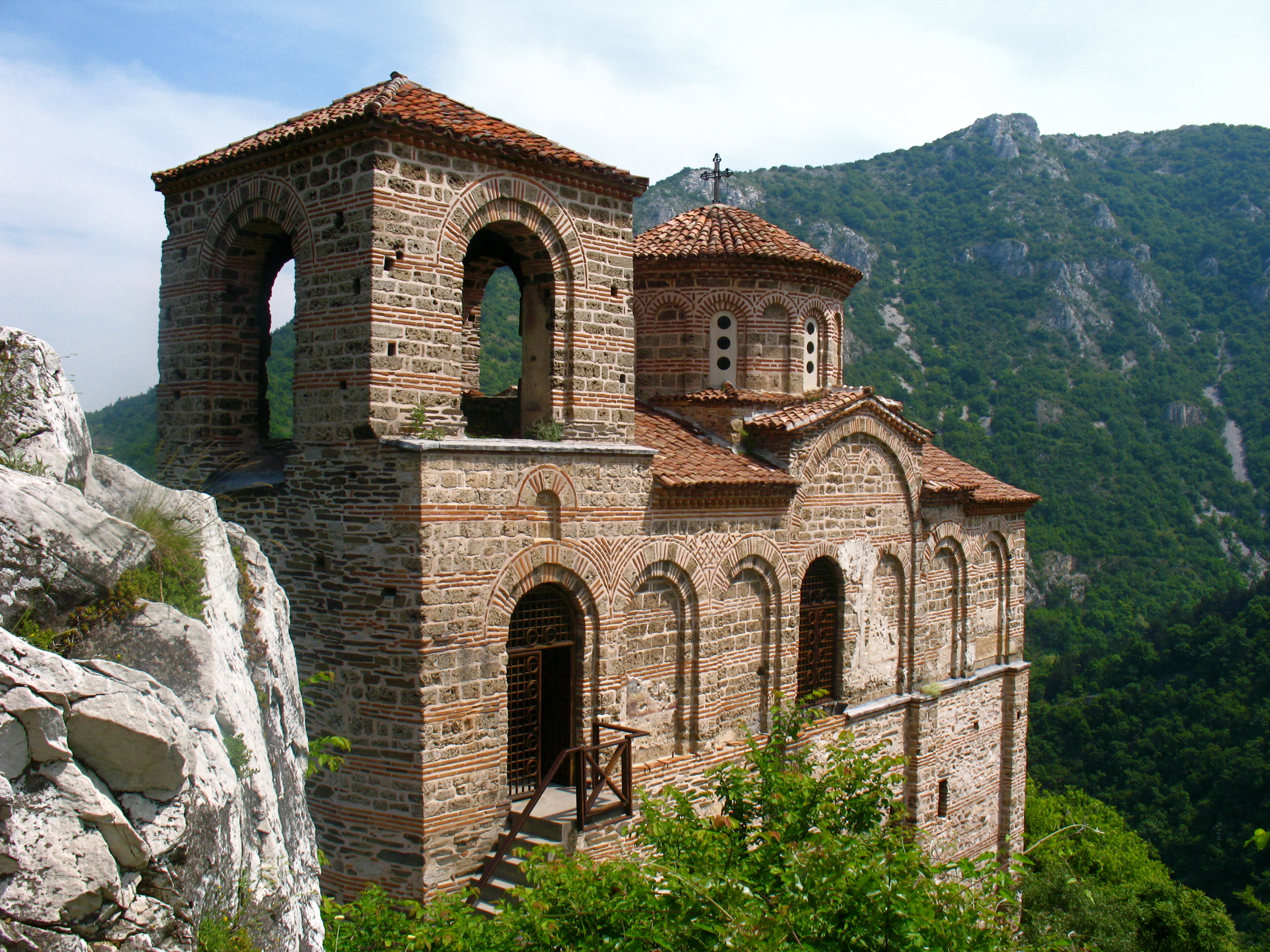
Perperikon
Ancient Thracian city with fortress ruins