Explore the Map
Palace of Omurtag
43.1853° N, 26.8983° E
About
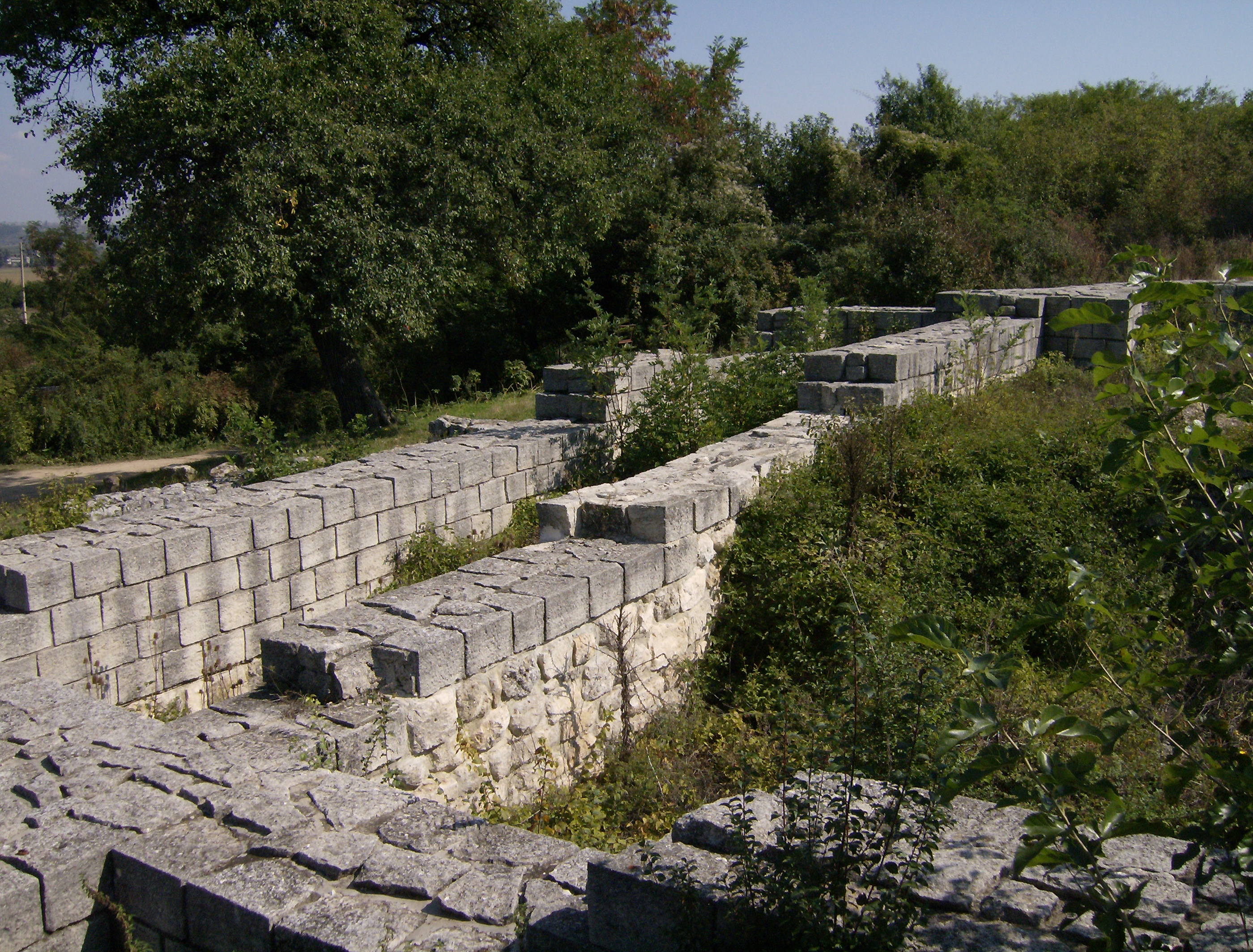
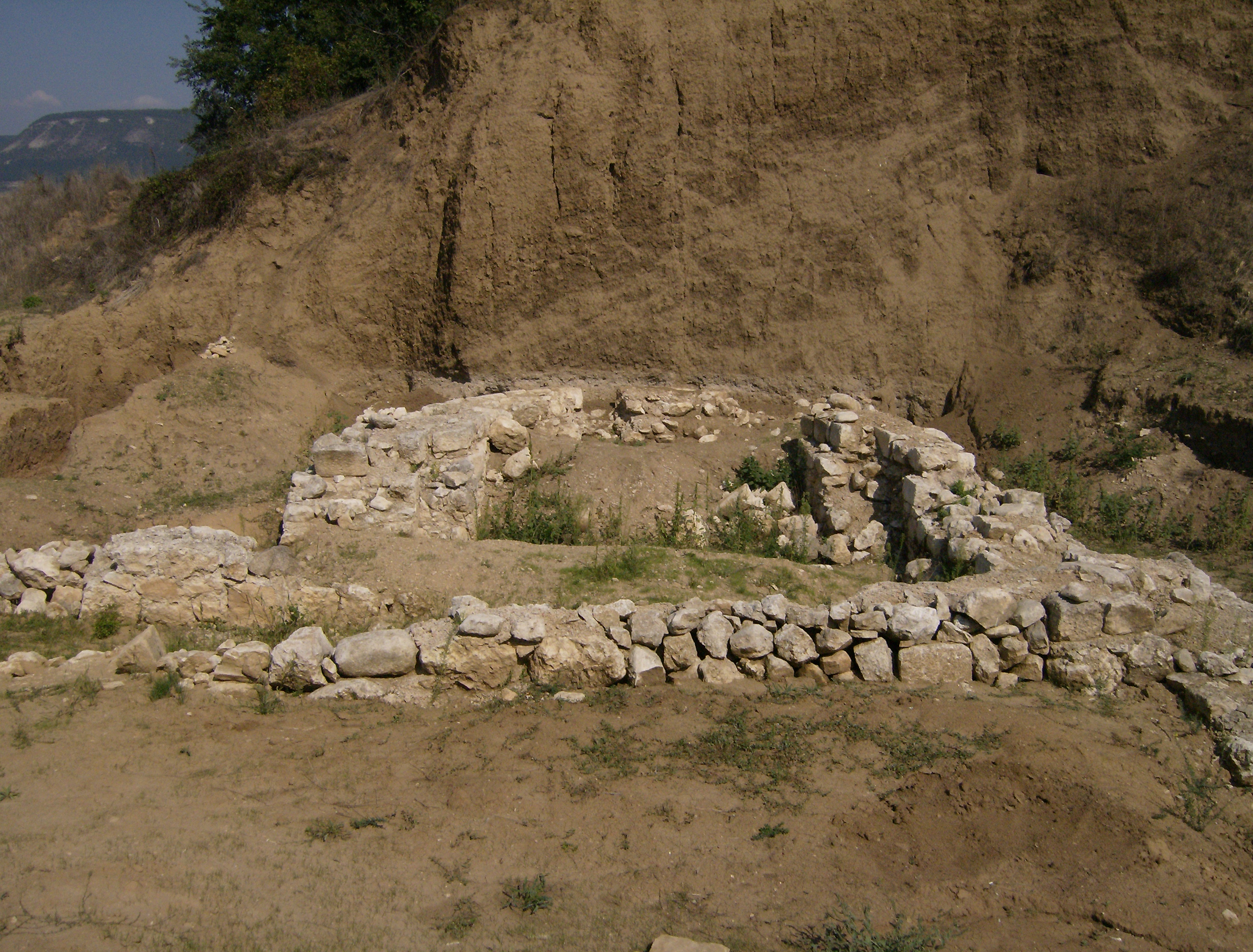
The Palace of Omurtag, located near Han Krum in northeastern Bulgaria, is an archaeological site that traces its roots back to Late Antiquity and the Early Middle Ages. It features ancient Gothic churches, some destroyed during Hunnic raids, and later developments under the First Bulgarian Empire. The site includes Omurtag's palace complex, which is fortified and contains defensive walls and remnants of a fortified rampart. The Gothic settlement is linked to Bishop Ulfilas, with churches and graves that indicate a rich cultural exchange and religious significance. Artifacts such as jewelry and tools were discovered in graves, reflecting Gothic and possibly Sarmatian influences. The complex showcases a blend of religious, domestic, and defensive structures, making it a significant site for understanding the cultural transitions in this region.
Gallery
Explore photographs of ancient structures, artifacts, and archaeological excavations
Historical Timeline
Journey through time and discover key events in this site's history
Gothic settlement and churches
300 CE - 400 CE
Hunnic raids
400 CE - 500 CE
Construction of Omurtag's aulē
815 CE - 831 CE
Occupation of Bulgarian fort
822 CE - late 10th century CE
Archaeological Features
Unique architectural and cultural elements found at this historical site
Defensive Structures
Burial and Funerary Structures
Religious and Ritual Structures
Domestic and Habitation Structures
Frequently Asked Questions
Plan Your Visit
Tours, travel arrangements, and practical information
More Sites in Bulgaria
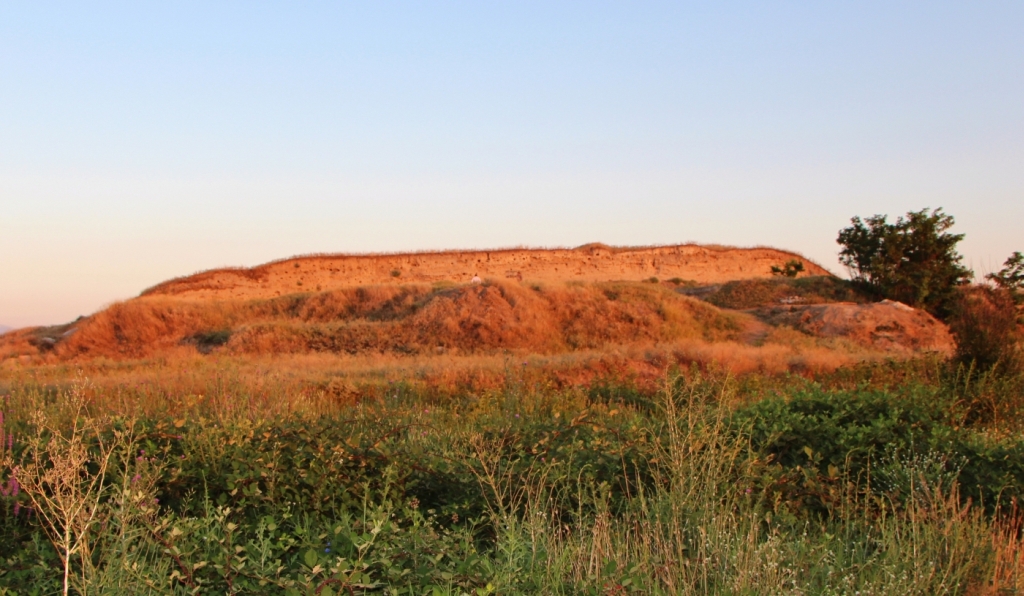
Tell Yunatsite
Multilayered settlement mound in Bulgaria
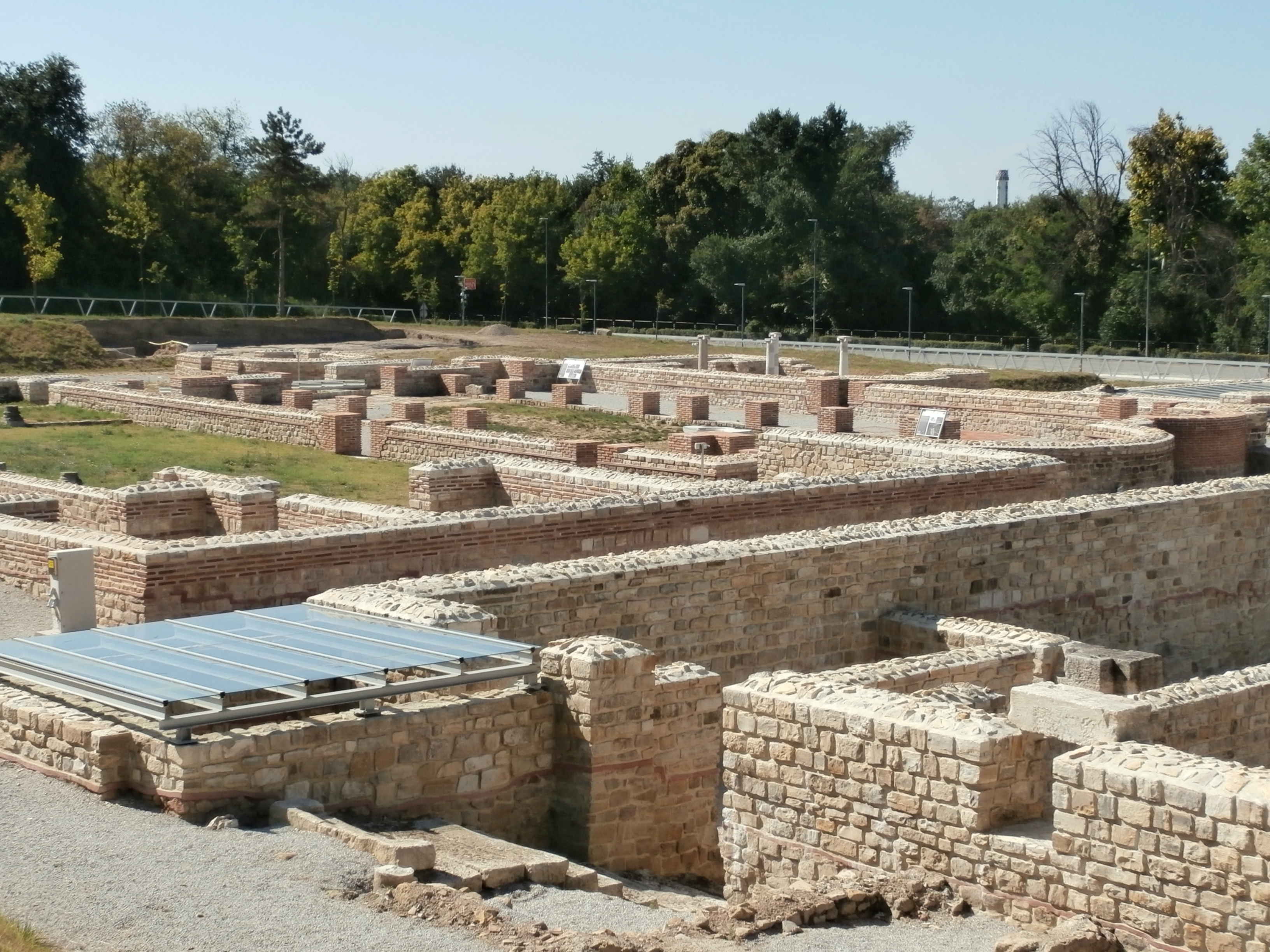
Novae (fortress)
Roman legionary fortress on the Danube, Bulgaria
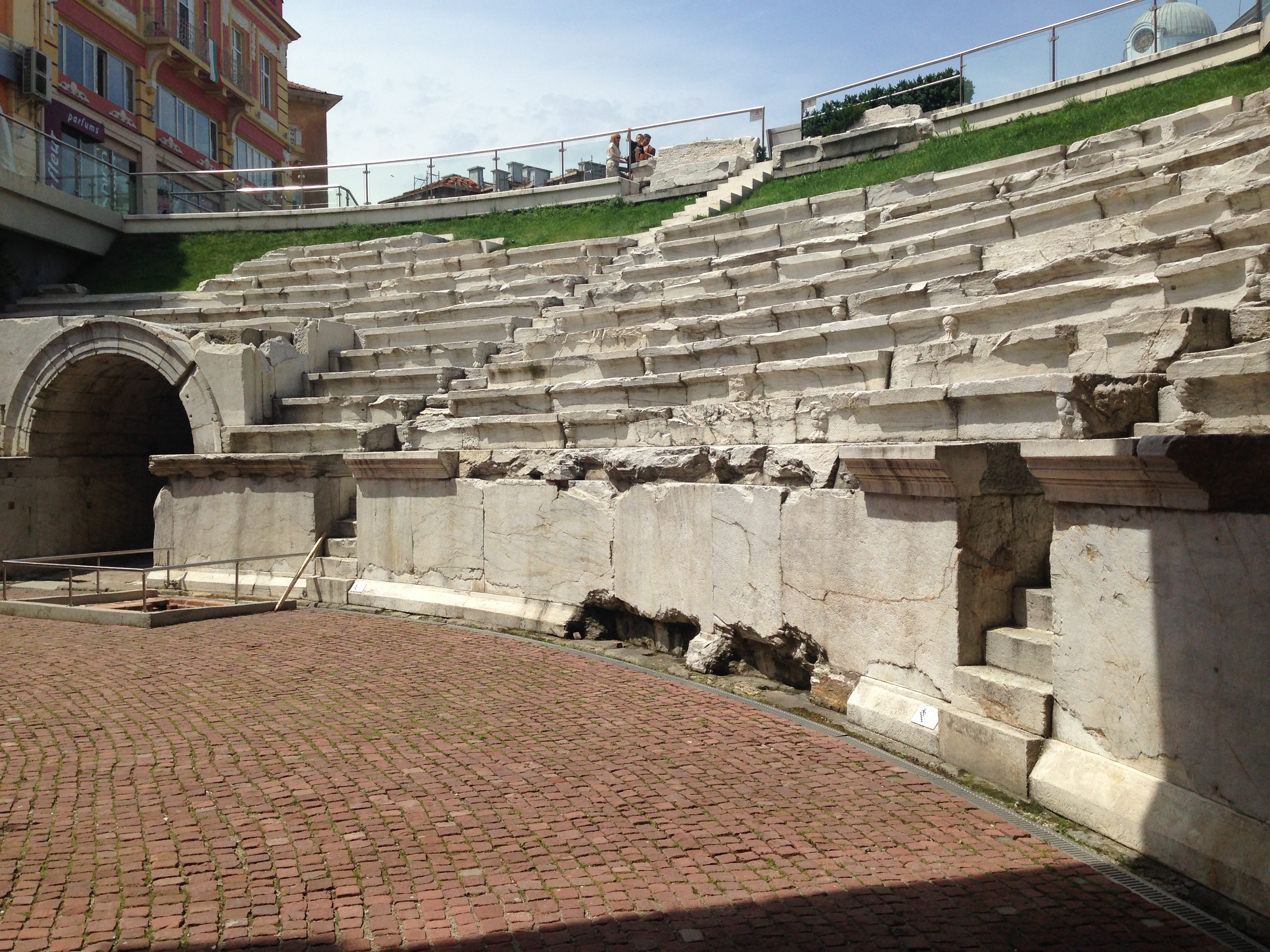
Philippopolis (Thrace)
Ancient city on seven syenite hills
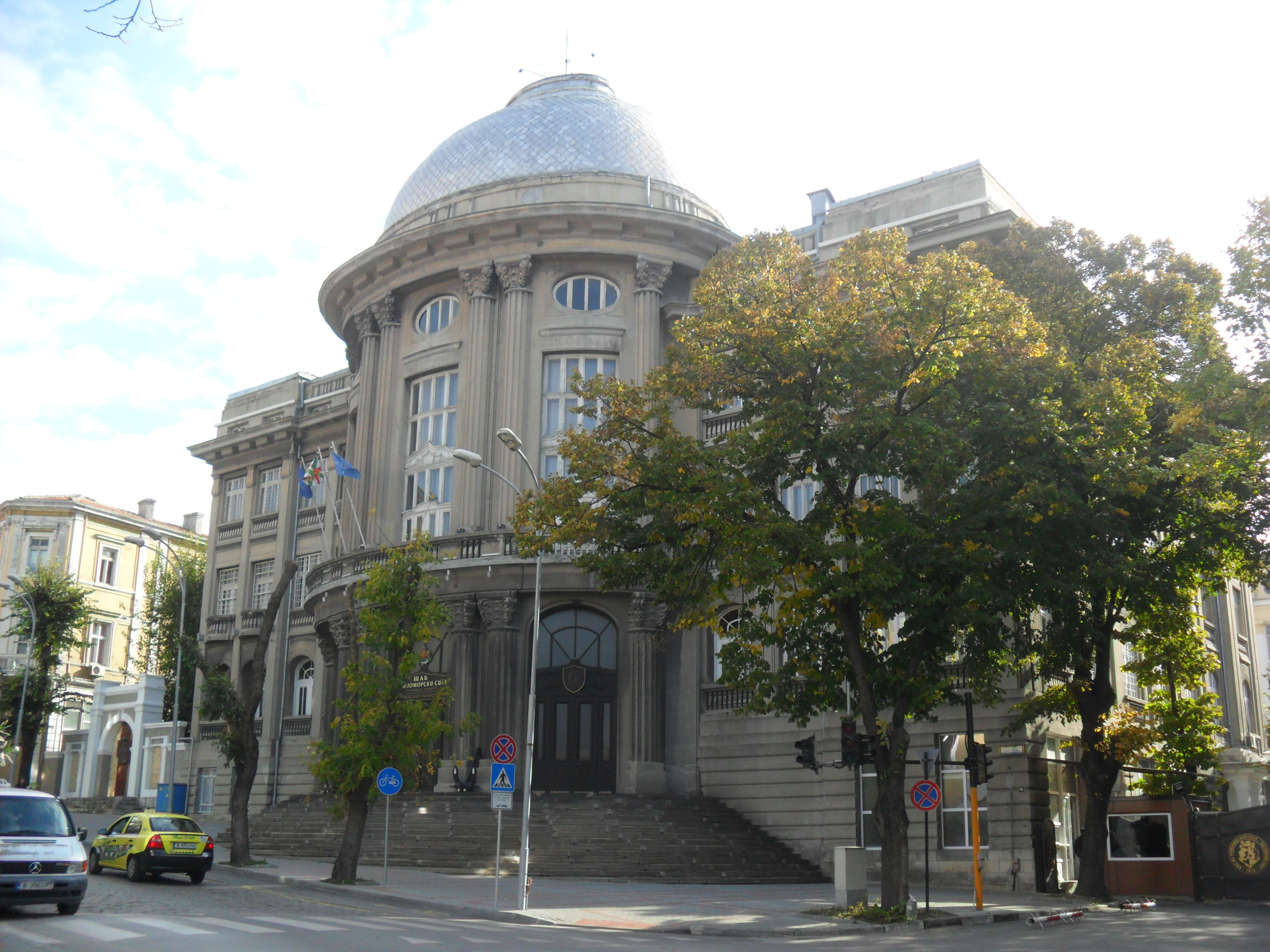
Varna, Bulgaria
Ancient Thracian and Greek settlement site
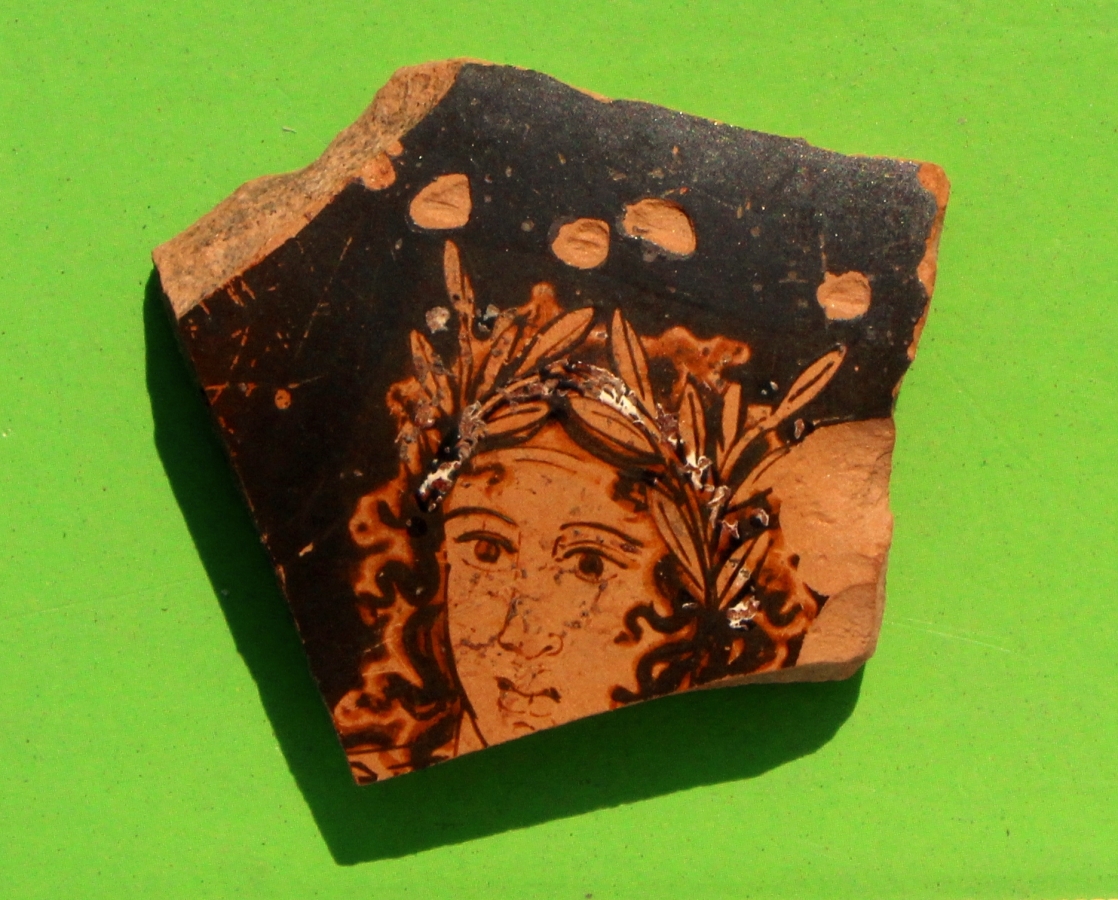
Pistiros
Ancient Greek emporion in Thrace, 5th–3rd centuries BC
Dausdava
Ancient Dacian town in Moesia region