Explore the Map
Solnitsata
43.1284° N, 27.4725° E
About
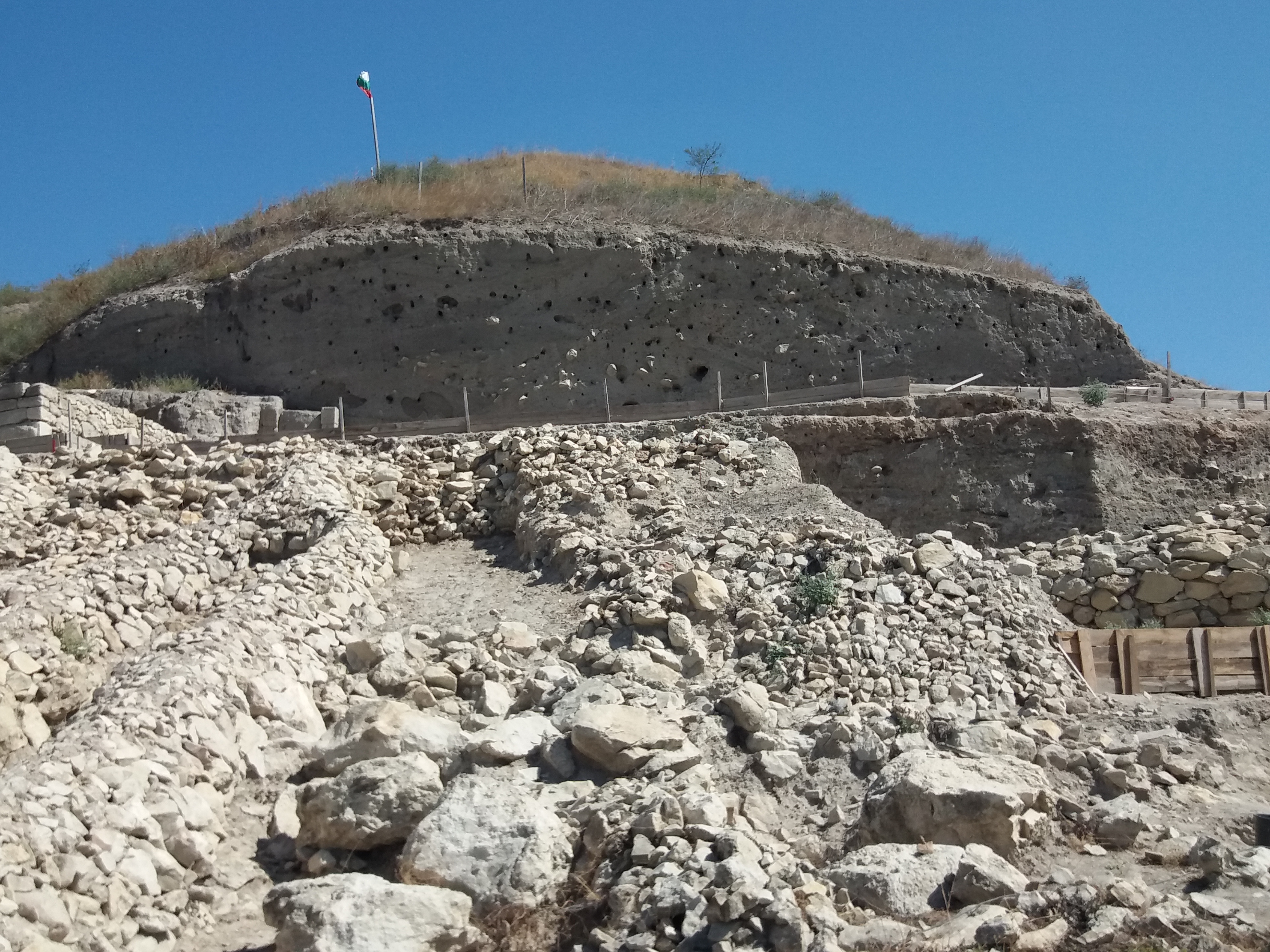
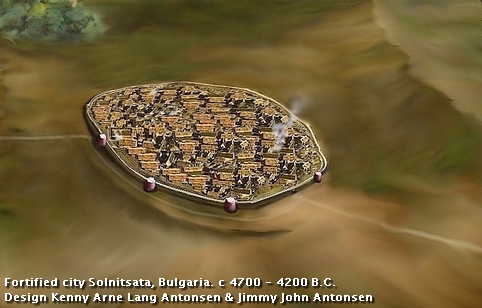
Solnitsata, located near Provadia in modern-day Bulgaria, is a significant prehistoric archaeological site known for being the oldest salt production center in continental Europe, dating back to 5500 BCE. The site developed into the first prehistoric urban center in Europe around 4700 BCE, characterized by its defensive walls, domestic structures, and workshops. Salt production was the economic backbone of Solnitsata, contributing to its influence and wealth in the Balkans, as evidenced by nearby gold finds in the Varna Necropolis. Despite its small estimated population, Solnitsata's strategic salt trade facilitated its development into a fortified town, highlighting its role in prehistoric urbanization. Ultimately, the settlement was believed to have been destroyed by an earthquake, marking the end of its prominence around 4200 BCE.
Gallery
Explore photographs of ancient structures, artifacts, and archaeological excavations
Historical Timeline
Journey through time and discover key events in this site's history
Salt production begins
5500 BCE
Urban center development
4700 BCE
Flourishing phase
4200 BCE
Destruction by earthquake
Unknown
Archaeological Features
Unique architectural and cultural elements found at this historical site
Storage Structures
Defensive Structures
Industrial and Craft Structures
Domestic and Habitation Structures
Frequently Asked Questions
Plan Your Visit
Tours, travel arrangements, and practical information
More Sites in Bulgaria
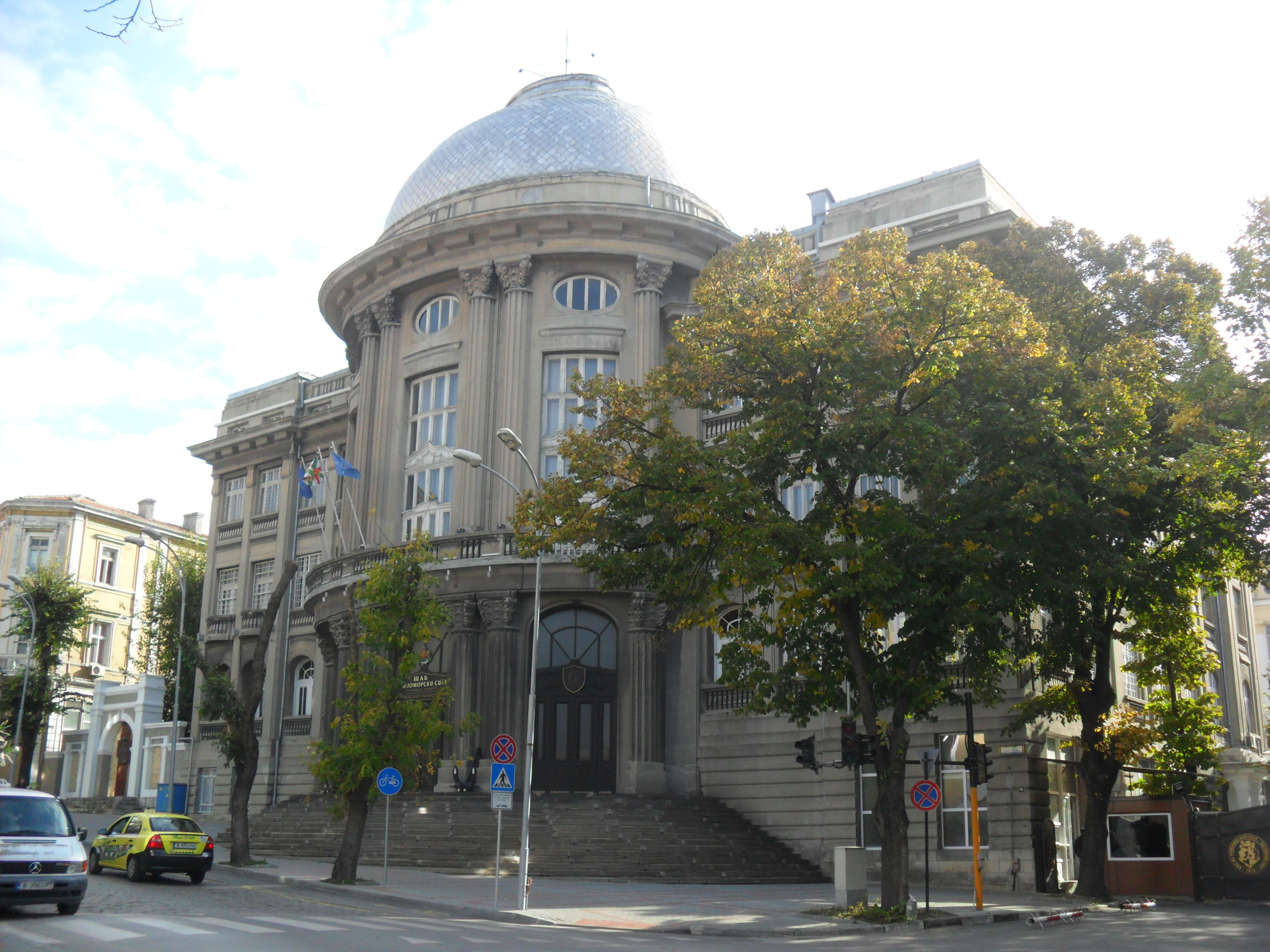
Varna, Bulgaria
Ancient Thracian and Greek settlement site
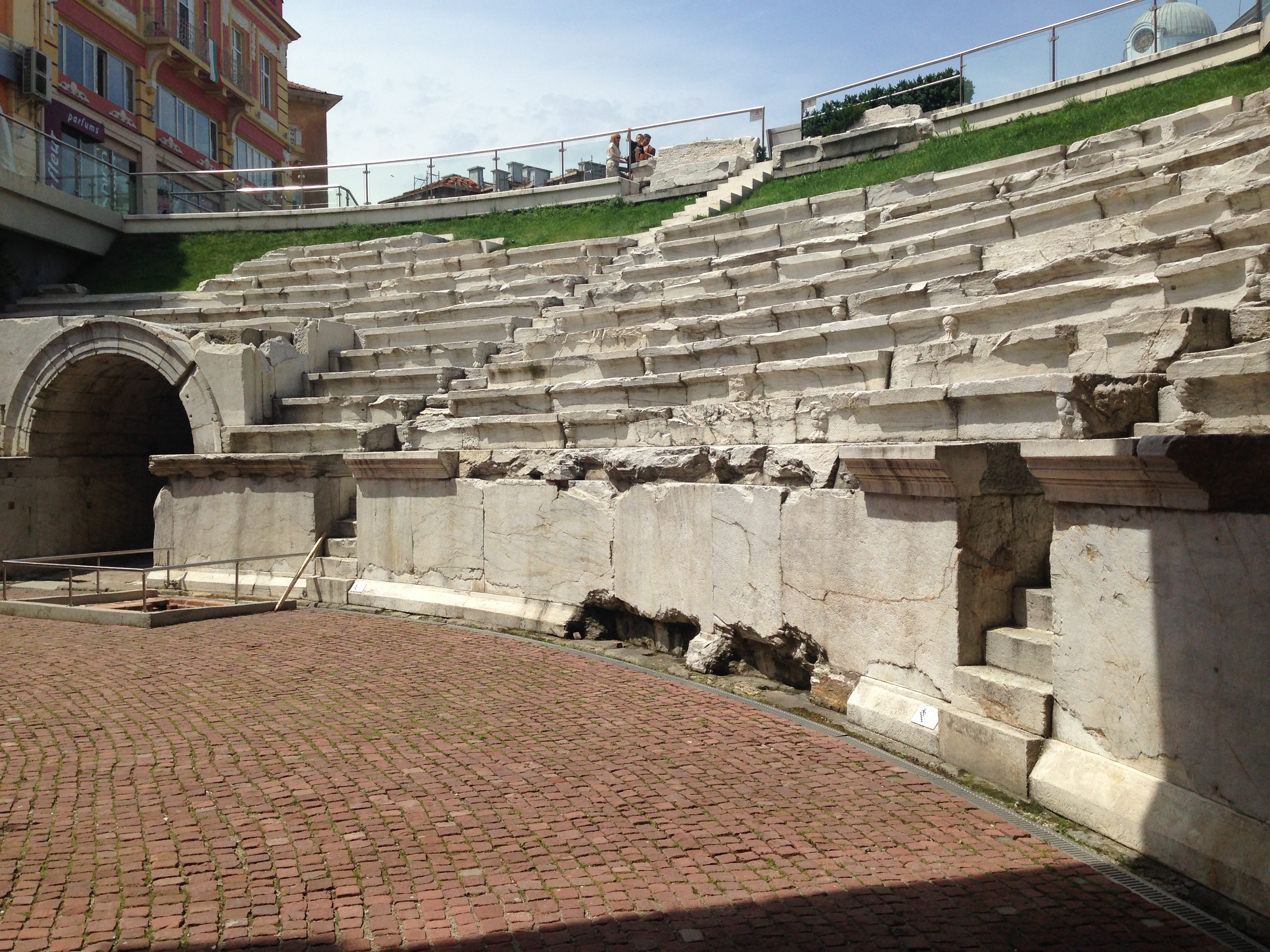
Philippopolis (Thrace)
Ancient city on seven syenite hills
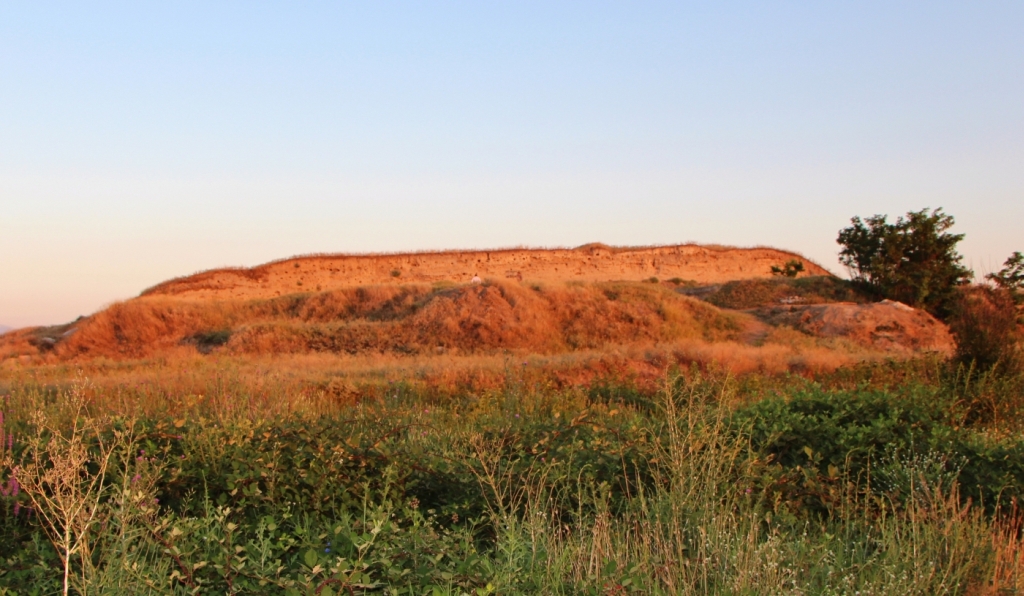
Tell Yunatsite
Multilayered settlement mound in Bulgaria
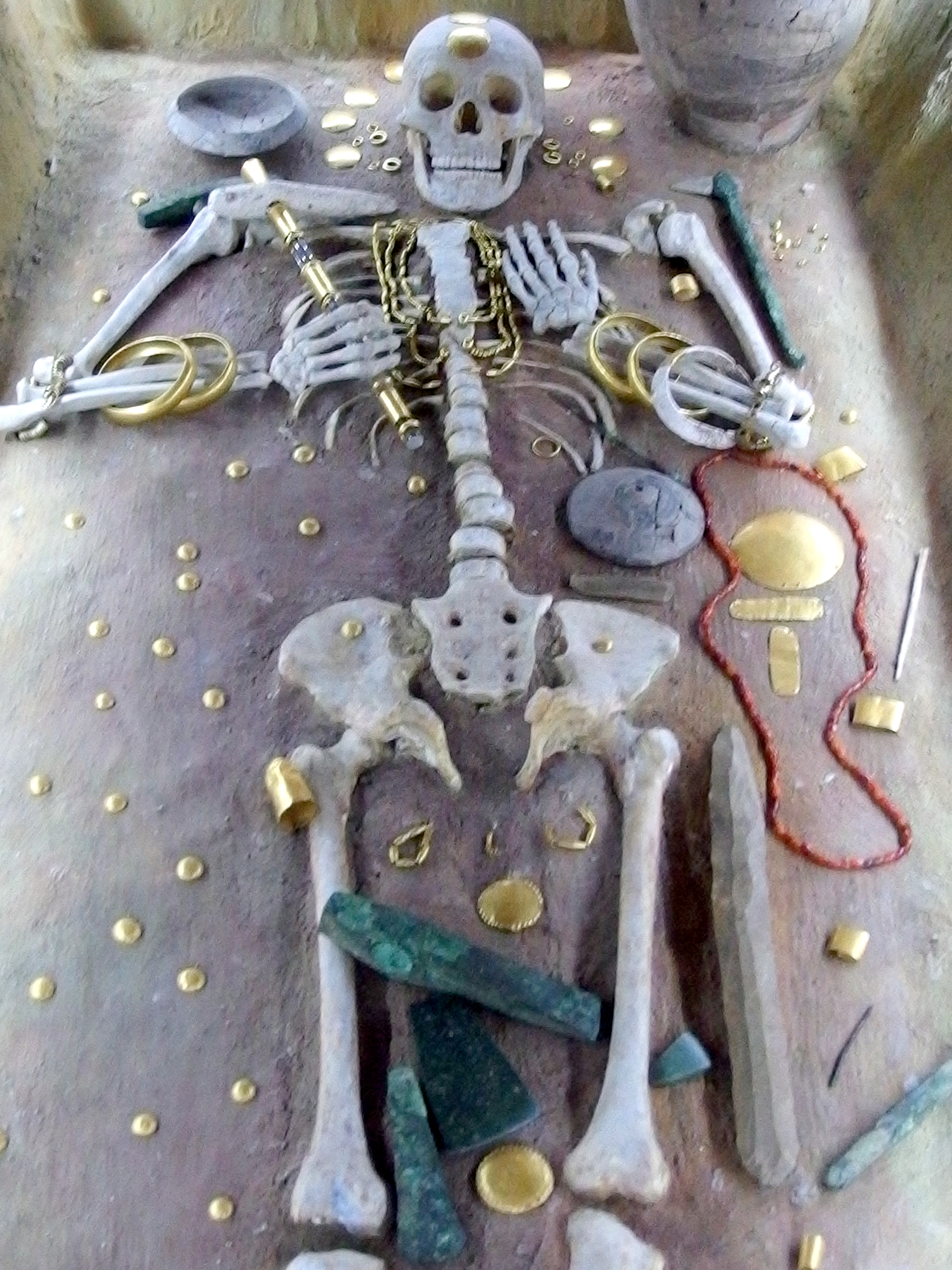
Varna Necropolis
Chalcolithic cemetery with world's oldest gold.
Tomb of Seuthes III
Elaborate Thracian tomb with rich artifacts
Madara Rider
Early medieval rock relief of horseman