
Explore the Map
Thracian Tomb of Sveshtari
43.7450° N, 26.7663° E
About
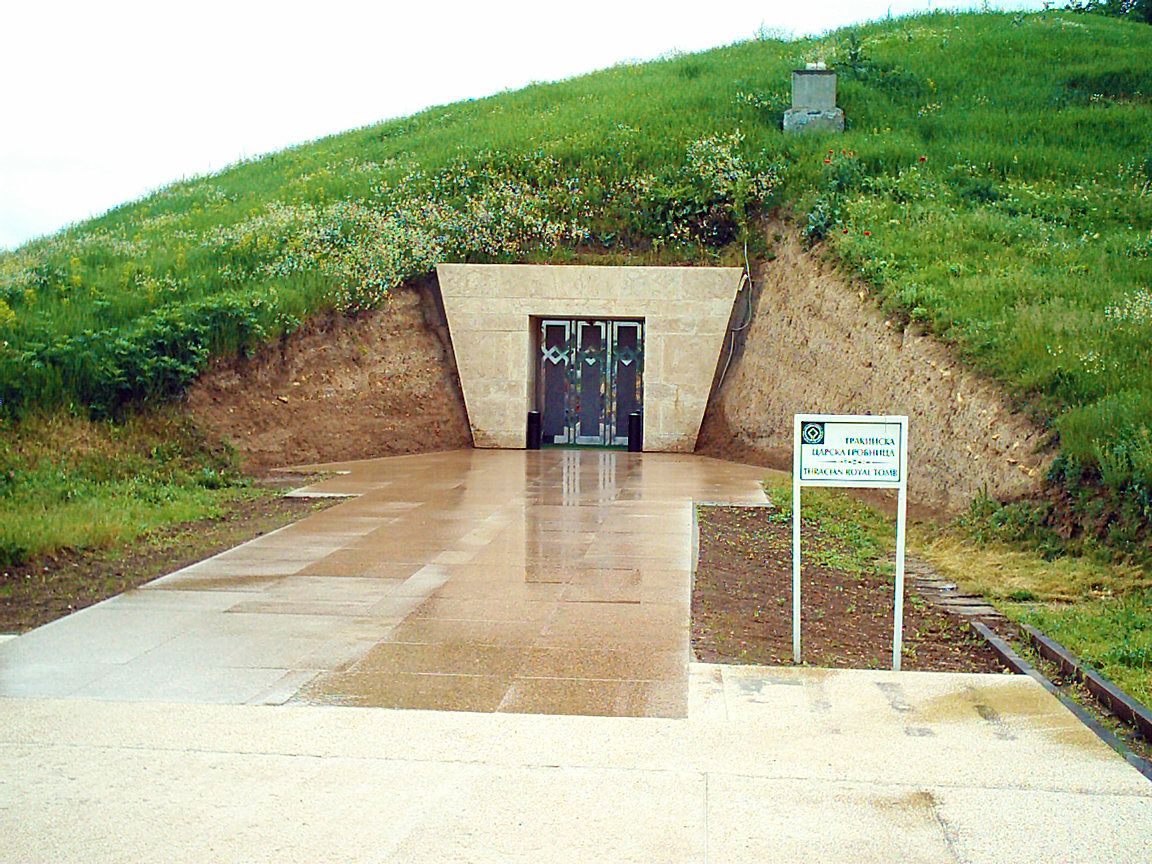
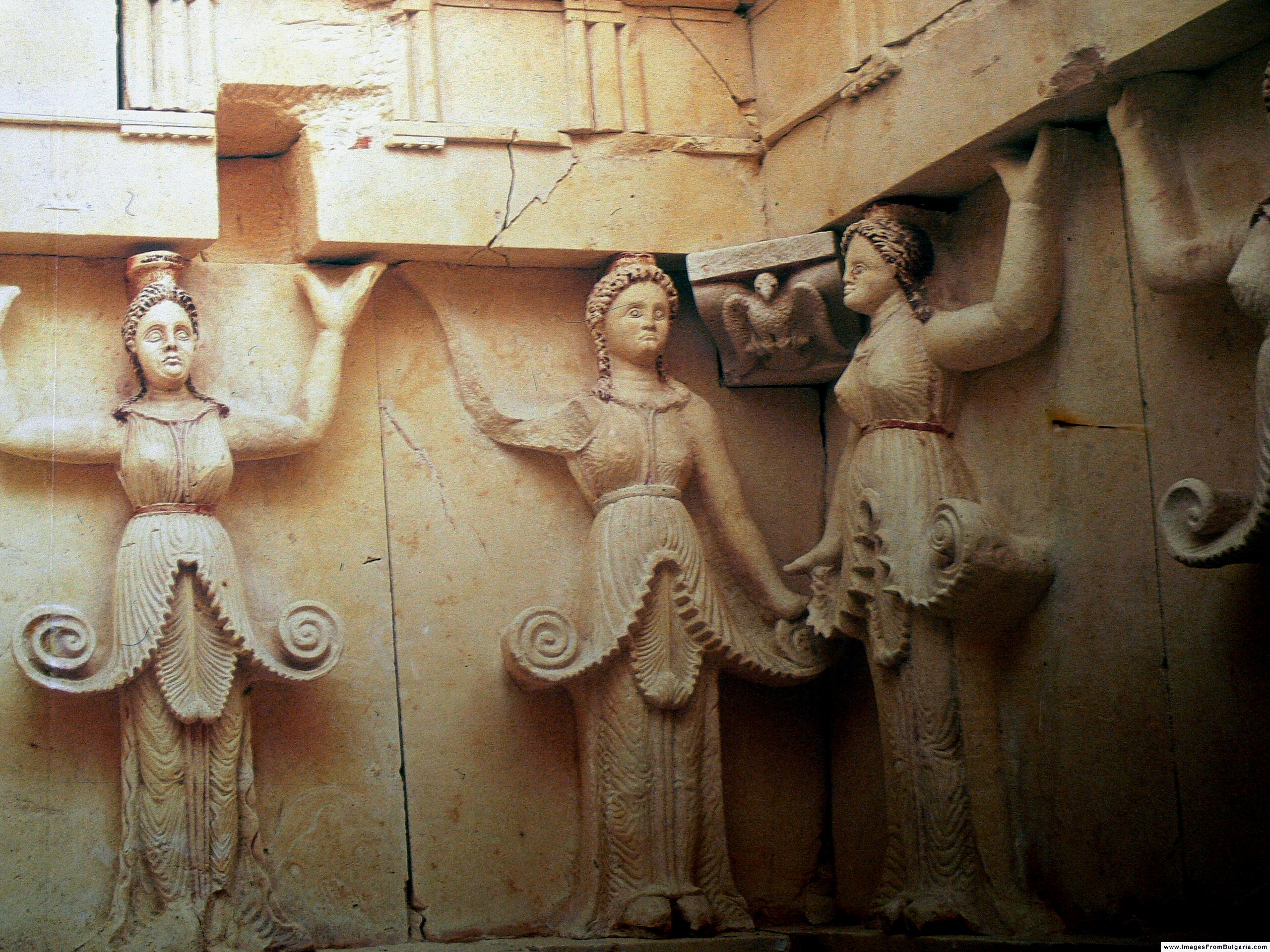
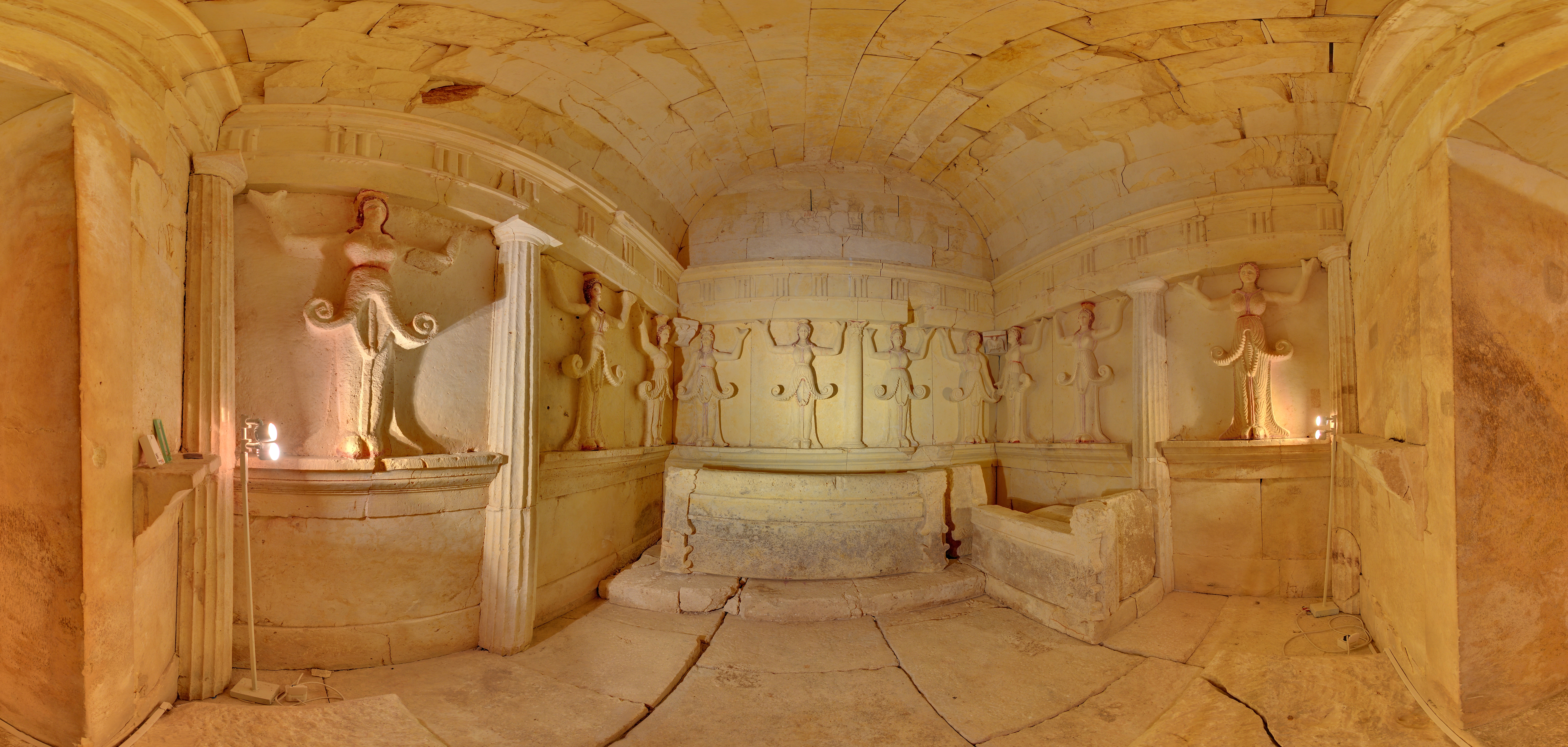
The Thracian Tomb of Sveshtari, located in northeast Bulgaria, is an archaeological site of great significance, believed to be the burial place of Dromichaetes, a king of the Getae, and his wife. Constructed in the early 3rd century BCE, the tomb exemplifies Thracian burial architecture with its unique polychrome caryatids and intricate murals. The site is part of a larger complex that includes numerous Getic mound tombs and the remains of an ancient city, possibly the Getan city of Helis. The settlement was fortified with substantial defensive walls and was densely populated during its peak. The discovery of a significant treasure in 2012, including a golden ring and numerous golden buttons, underscores the site's historical wealth and cultural importance. The tomb is a UNESCO World Heritage Site, highlighting its exceptional cultural value.
Gallery
Explore photographs of ancient structures, artifacts, and archaeological excavations
Historical Timeline
Journey through time and discover key events in this site's history
Discovery of Getic Treasure
c. 400 BCE
Getic Settlement Flourishes
c. 335 BCE - c. 250 BCE
Construction of Sveshtari Tomb
c. 300 BCE
Archaeological Features
Unique architectural and cultural elements found at this historical site
Defensive Structures
Burial and Funerary Structures
Artistic and Decorative Features
Frequently Asked Questions
Plan Your Visit
Tours, travel arrangements, and practical information

More Sites in Bulgaria
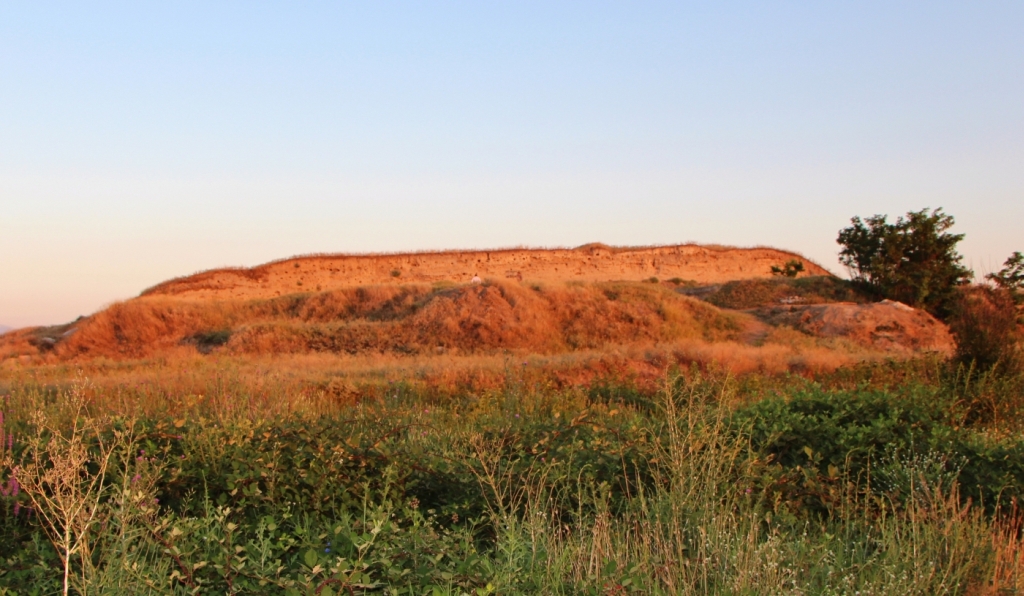
Tell Yunatsite
Multilayered settlement mound in Bulgaria
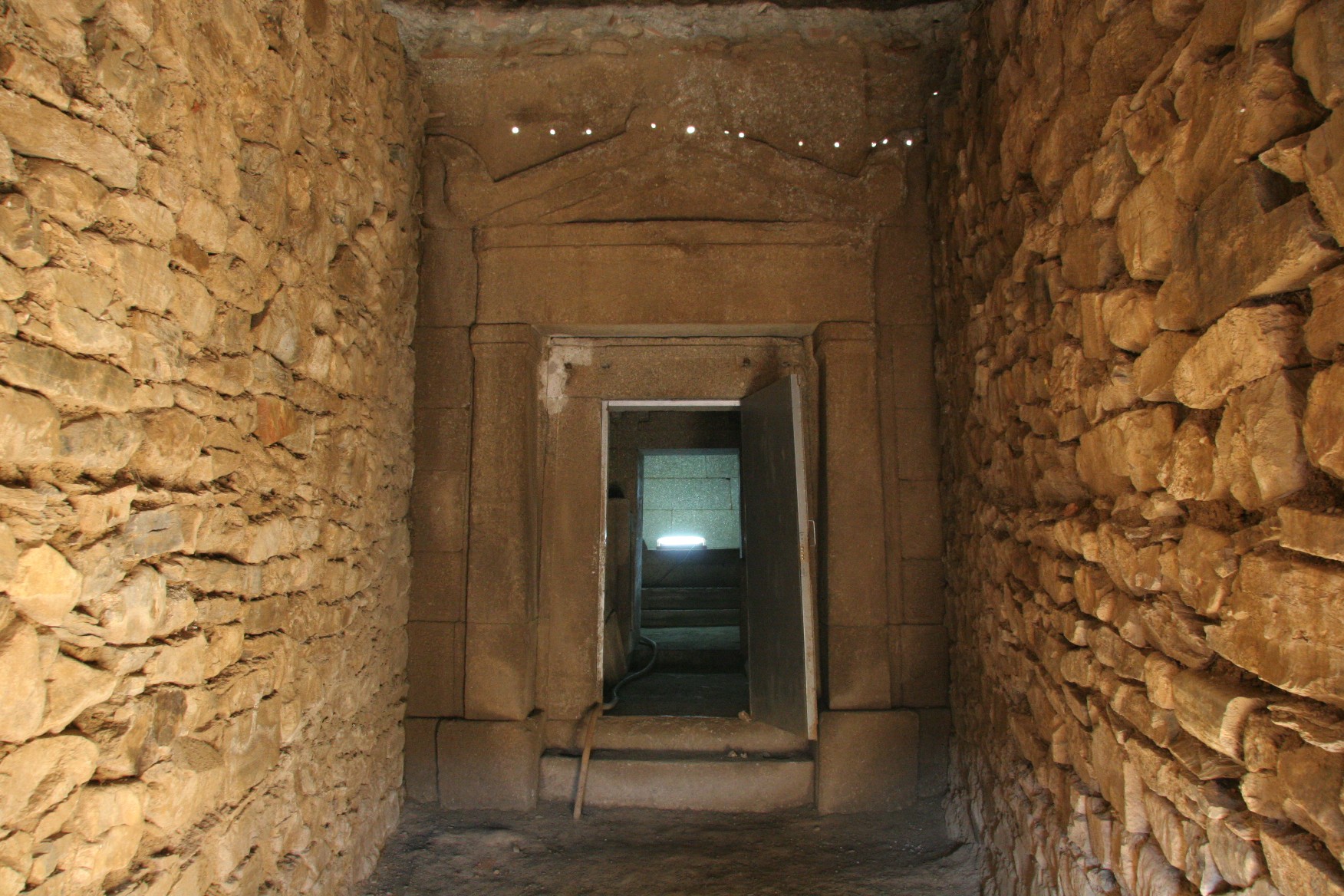
Thracian tomb Griffins
Thracian tomb with griffin motifs and dome.
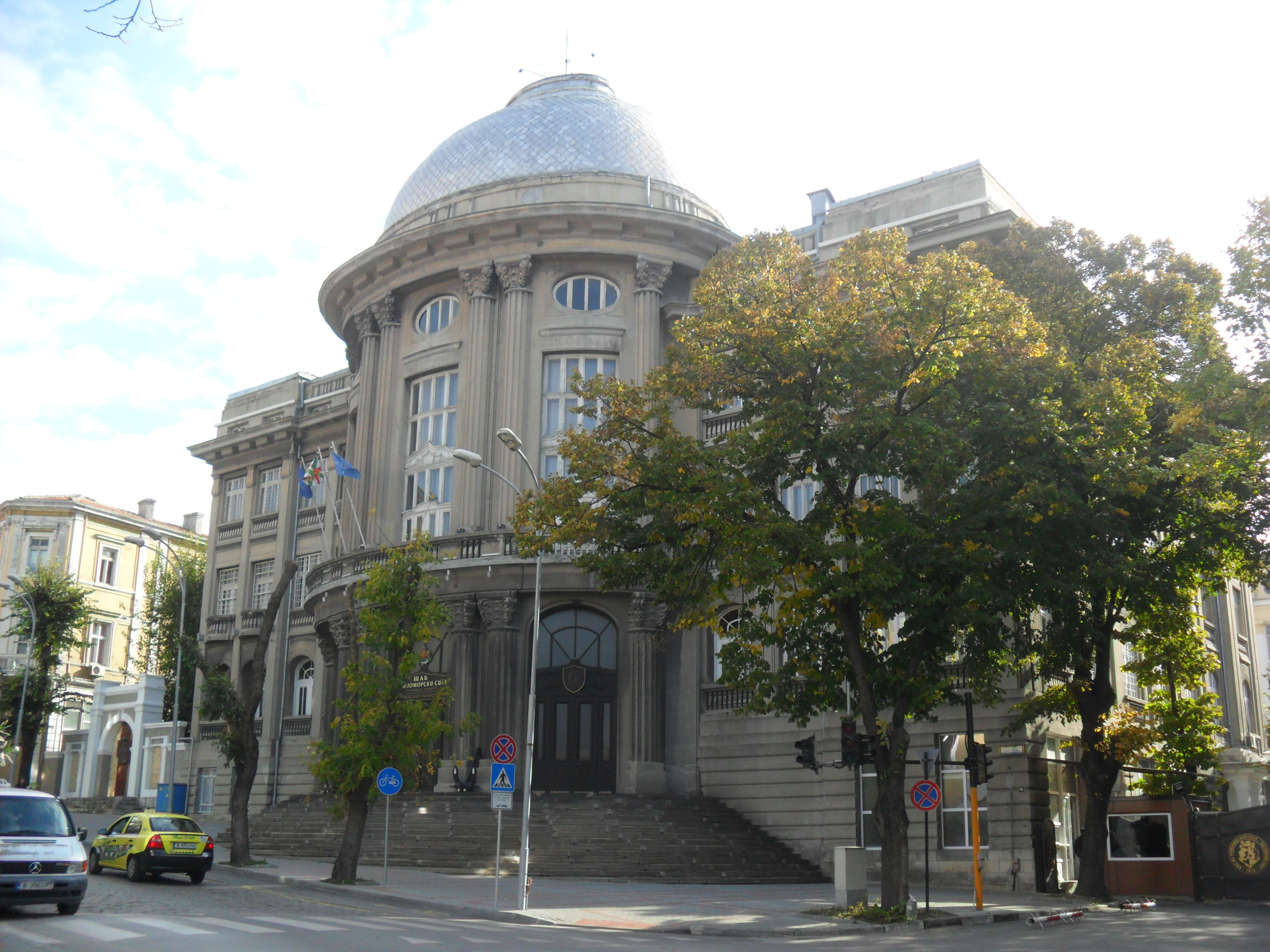
Varna, Bulgaria
Ancient Thracian and Greek settlement site
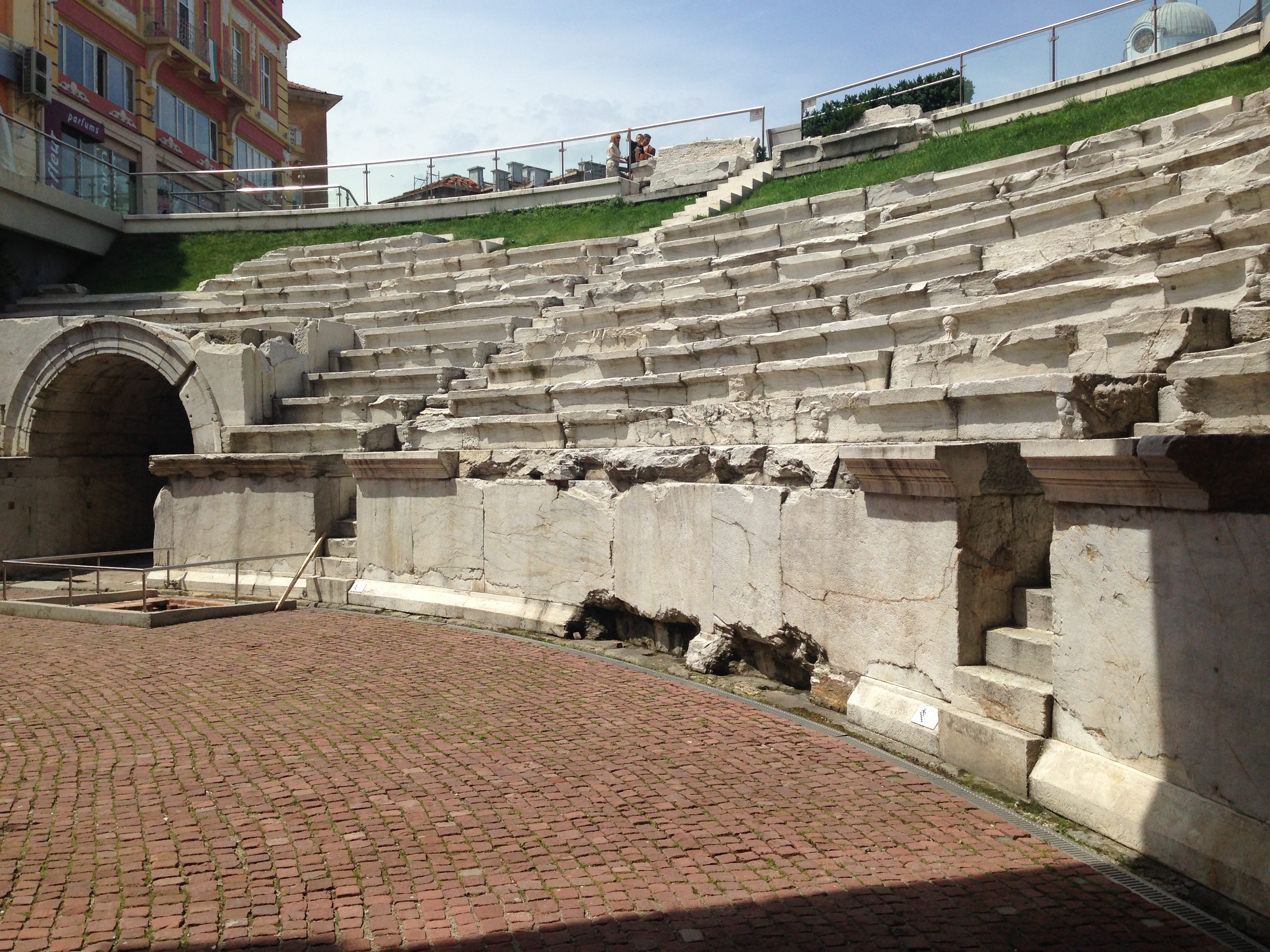
Philippopolis (Thrace)
Ancient city on seven syenite hills
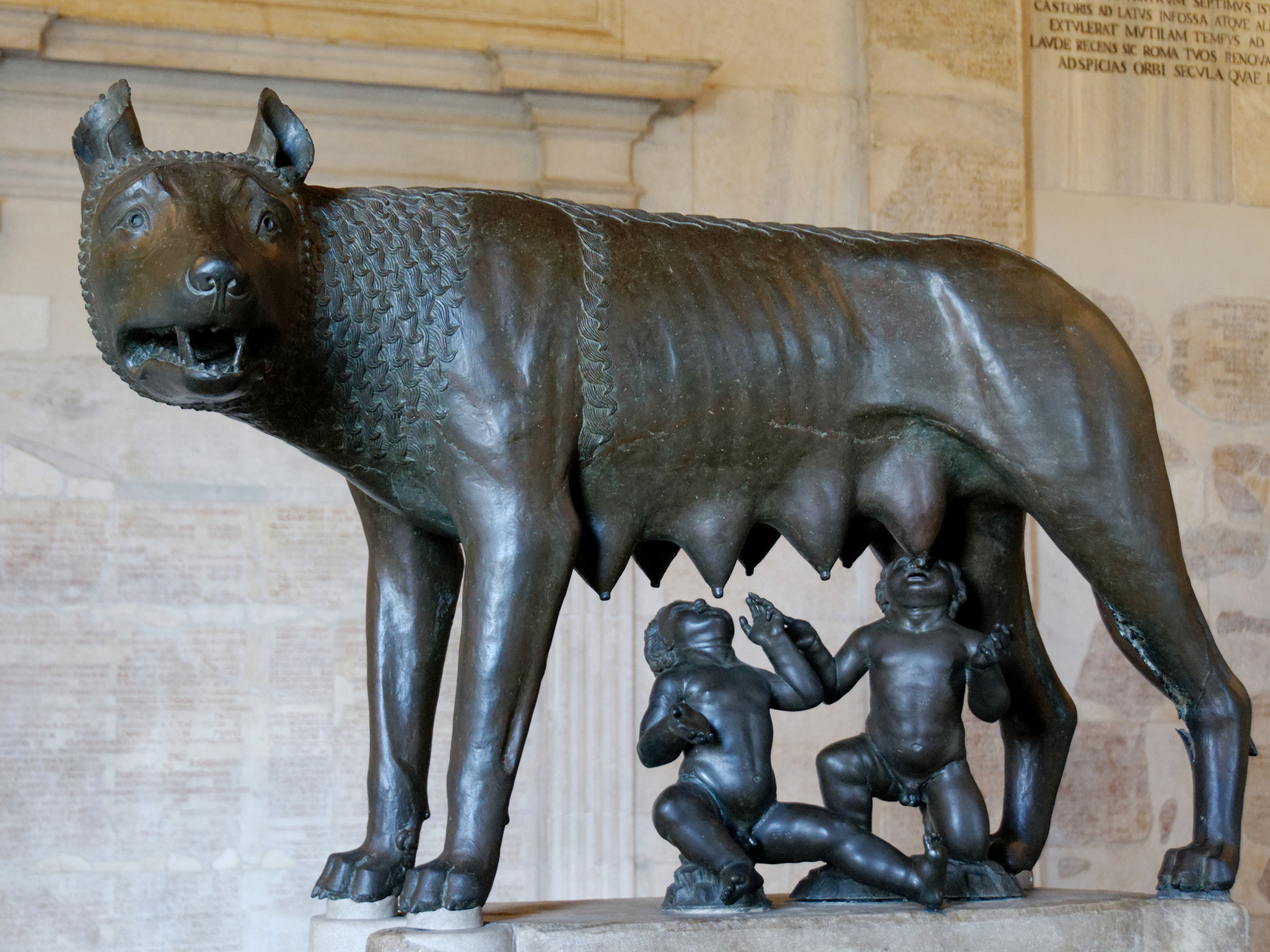
Dausdava
Ancient Dacian town in Moesia region
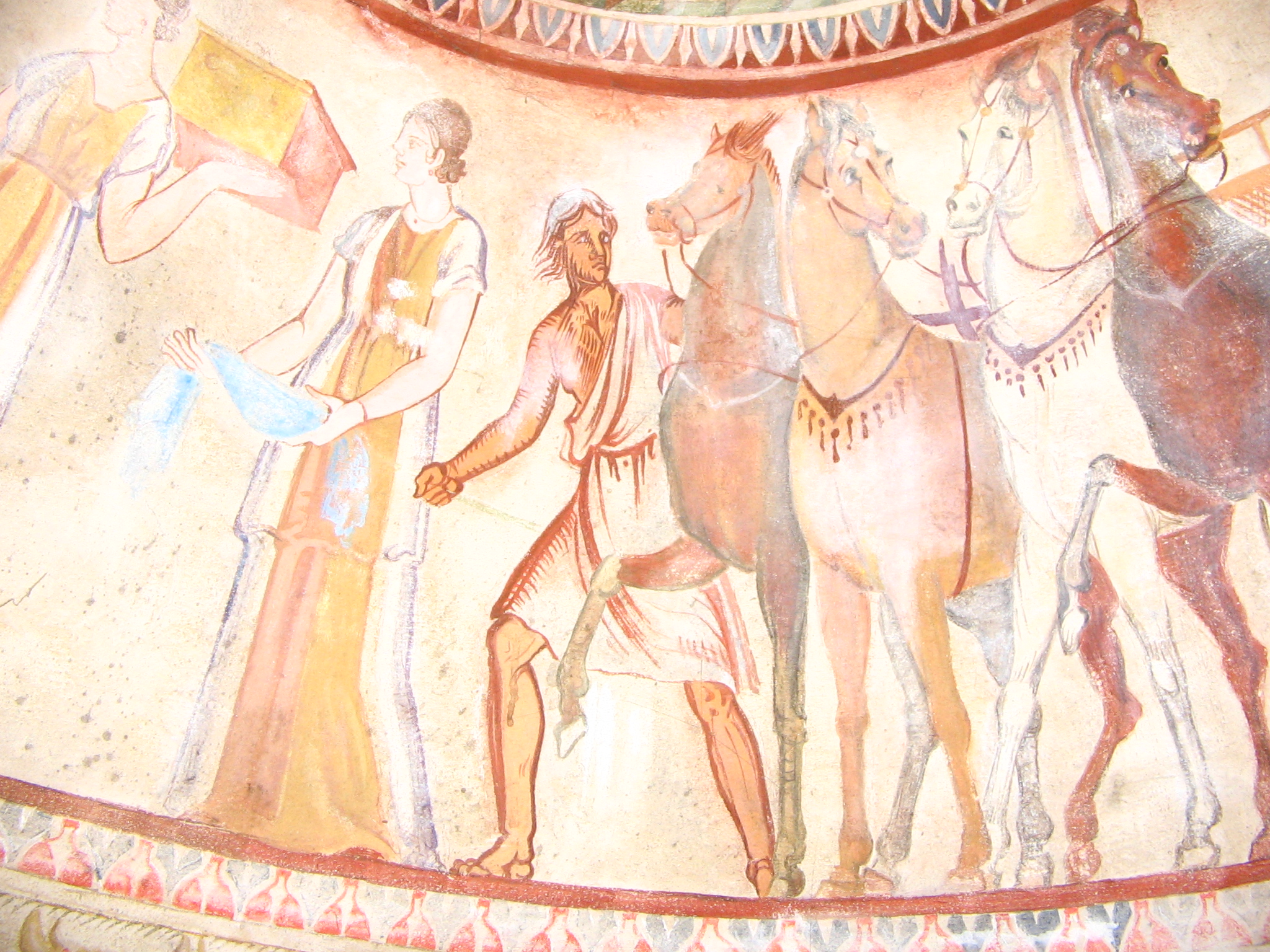
Thracian Tomb of Kazanlak
Thracian beehive tomb with Hellenistic murals