Explore the Map
Ahu Akivi
-27.1150° N, -109.3950° E
About
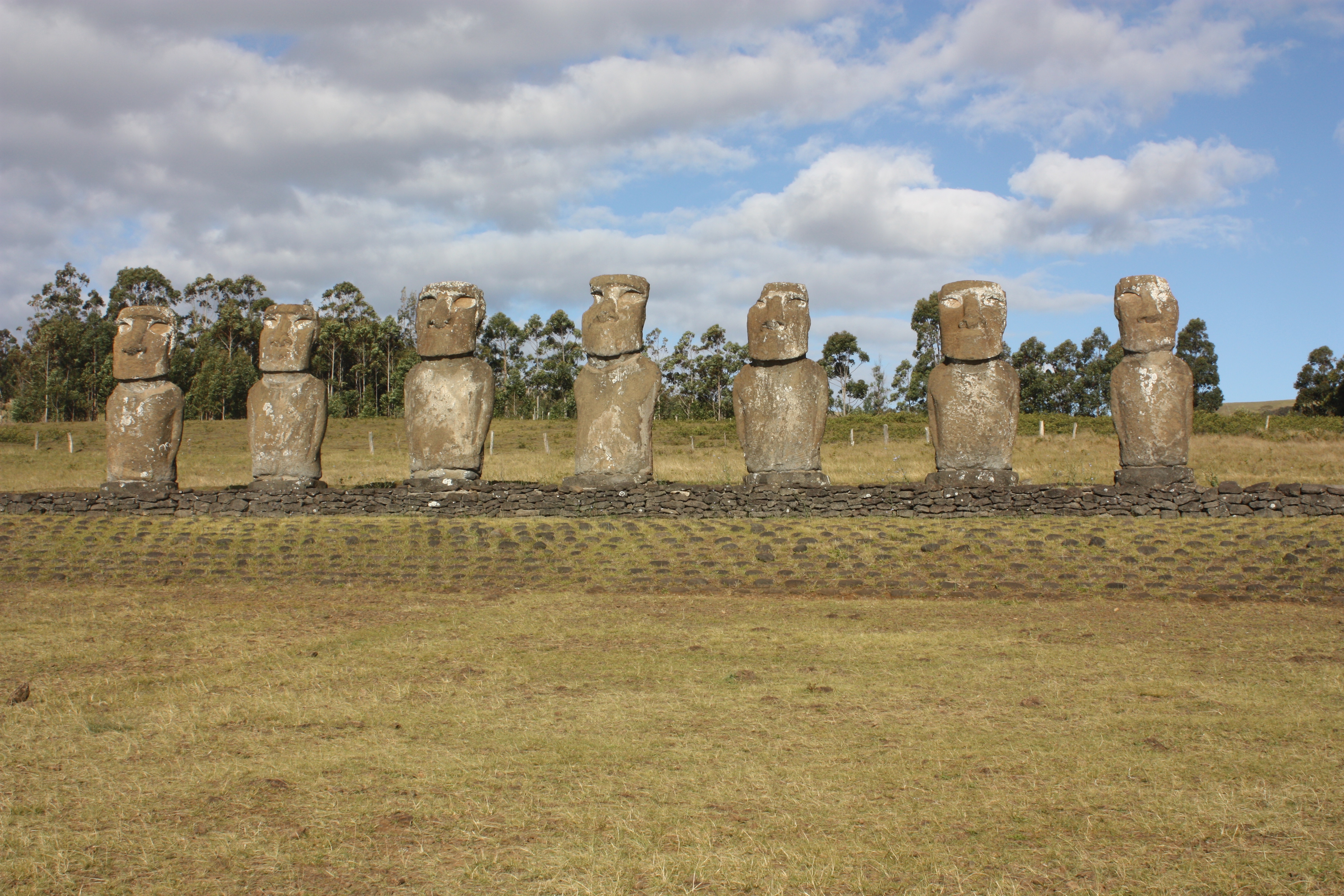
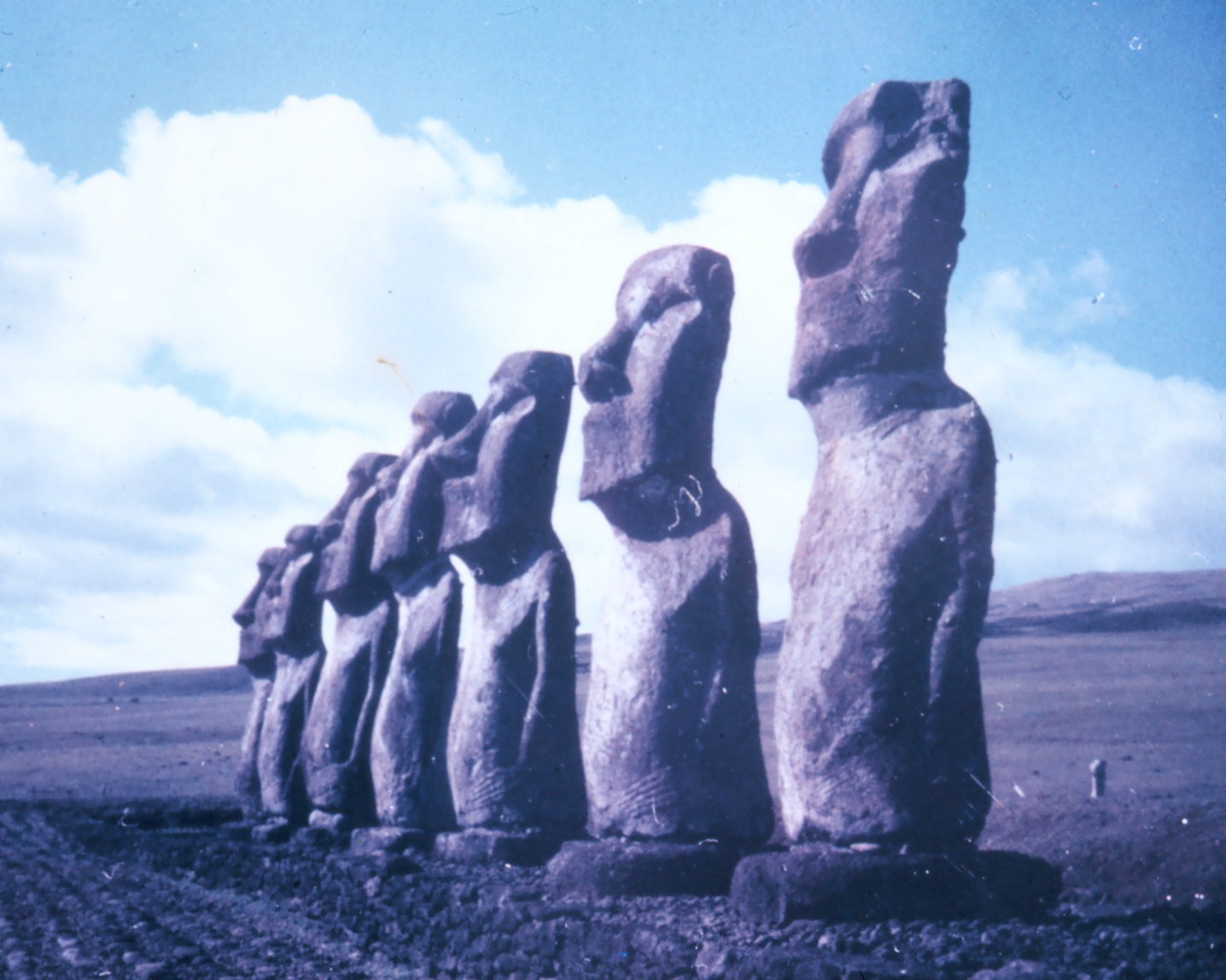
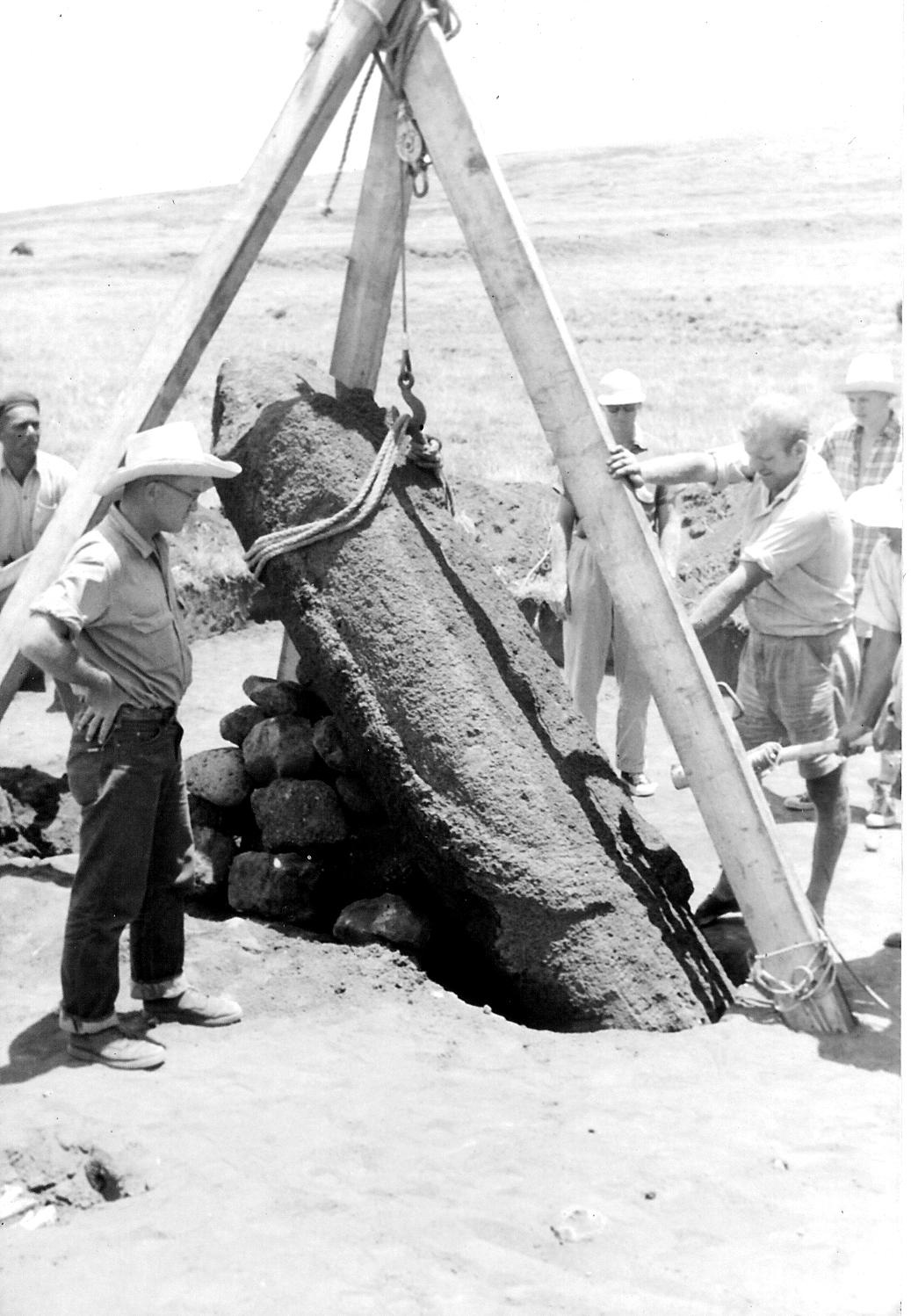
Ahu Akivi is a notable archaeological site on Rapa Nui (Easter Island) featuring seven identical moai statues. These statues are distinctively aligned to face the sunset during the Spring Equinox and have their backs to the sunrise during the Autumn Equinox, serving as a celestial observatory. Built by the Rapa Nui people in two phases during the 16th and early 17th centuries CE, Ahu Akivi comprises a central ceremonial platform with extensions and crematoriums, indicative of its significance in ritual activities. The site is situated inland on the slopes of Maunga Terevaka, surrounded by agricultural land, and is part of the larger Ahu Akivi-Vai Teka complex. Its astronomical precision and ceremonial importance underscore the cultural sophistication of the Rapa Nui civilization.
Gallery
Explore photographs of ancient structures, artifacts, and archaeological excavations
Historical Timeline
Journey through time and discover key events in this site's history
Initial platform construction
1500 CE
Platform modification and statue erection
1600 CE
Archaeological Features
Unique architectural and cultural elements found at this historical site
Burial and Funerary Structures
Religious and Ritual Structures
Artistic and Decorative Features
Astronomical and Timekeeping Structures
Frequently Asked Questions
Plan Your Visit
Tours, travel arrangements, and practical information


More Sites in Chile
Cuz Cuz
Ancient village with significant petroglyphs.
Puerto del Hambre
Historic settlement site in Patagonia, Chile.
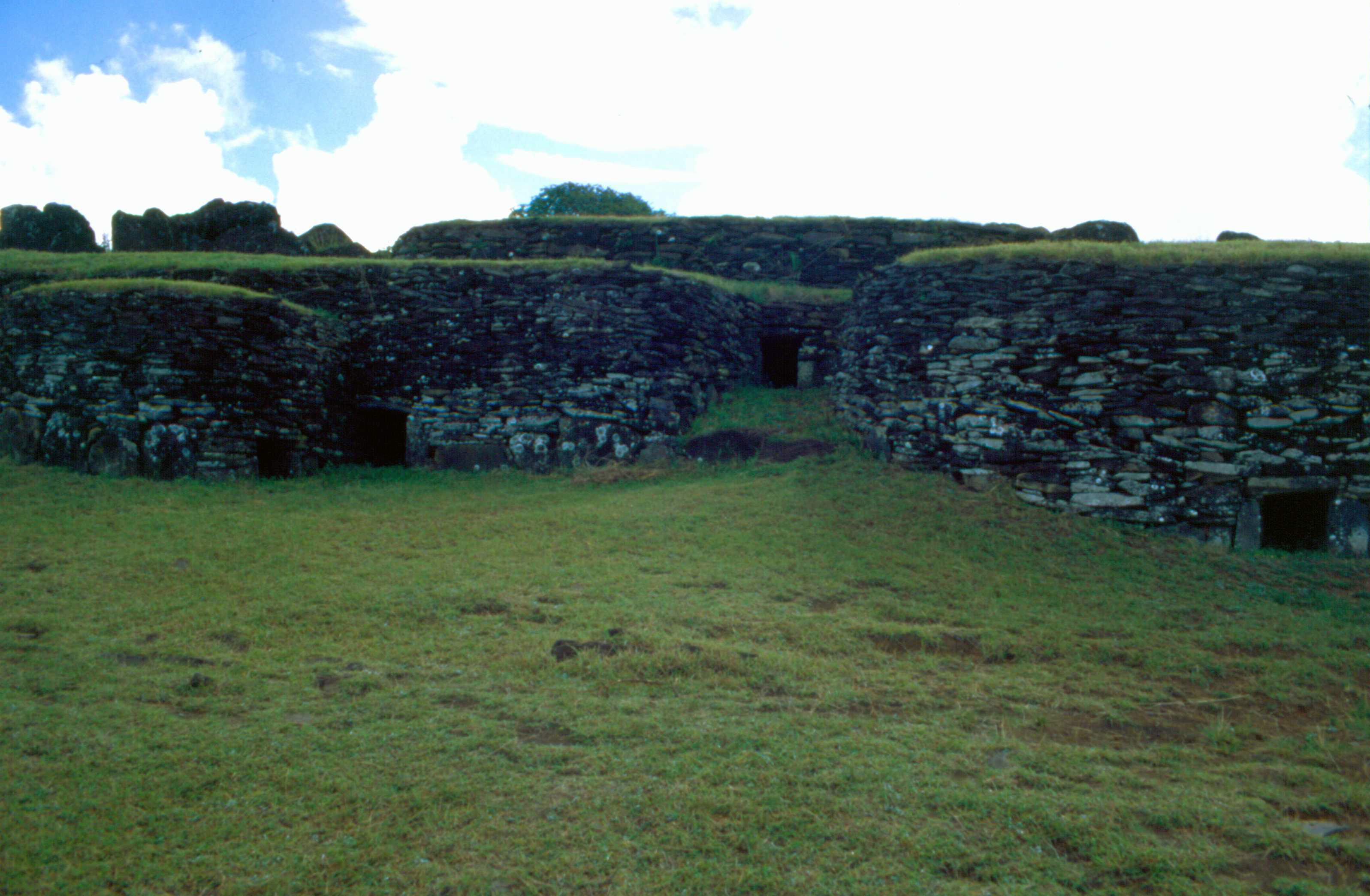
Orongo
Ceremonial village on Rapa Nui (Easter Island)
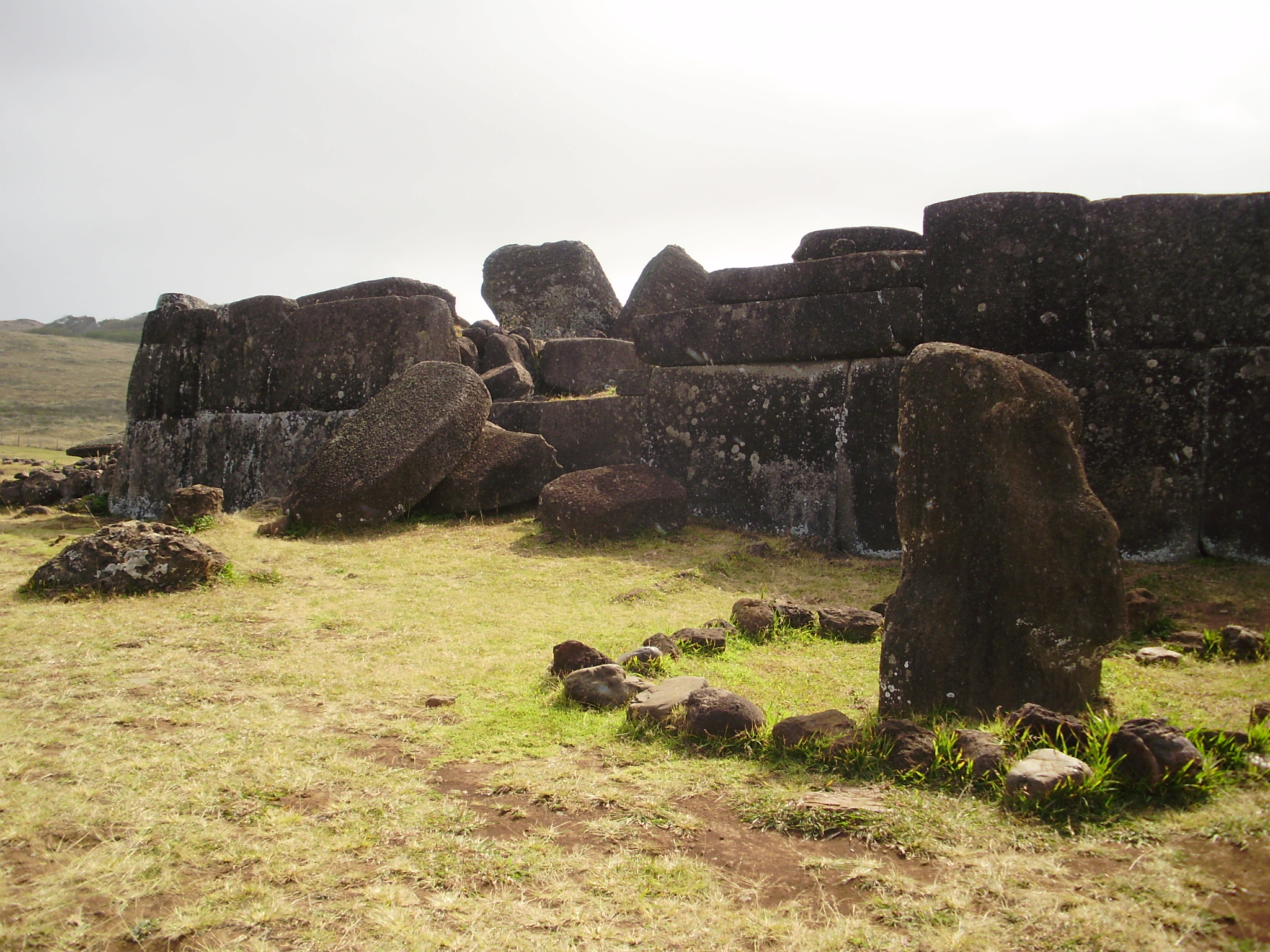
Ahu Vinapu
Extraordinary basalt slab stonemasonry ahu.
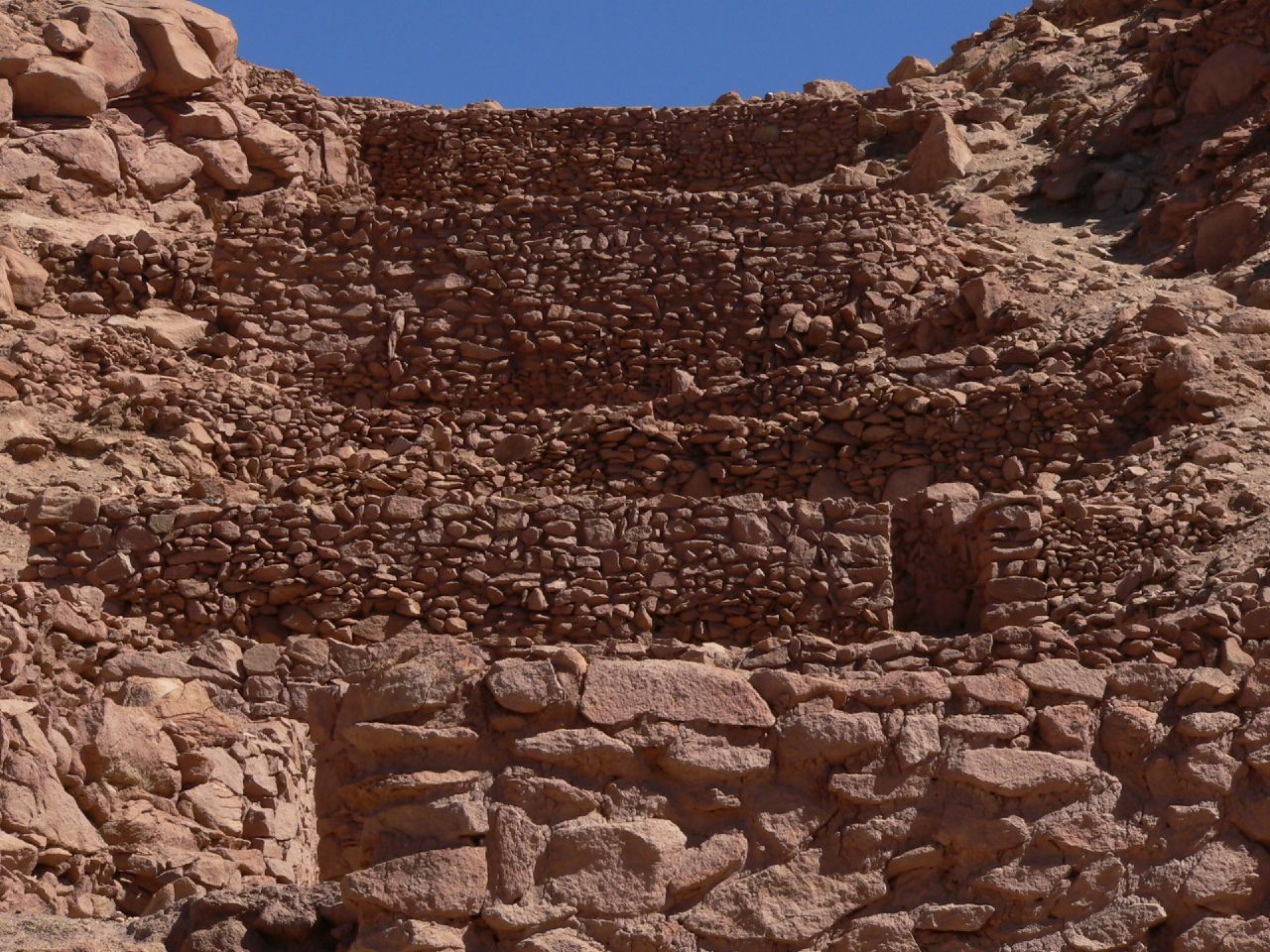
Tulor
Mud-built circular village with stratigraphy insights
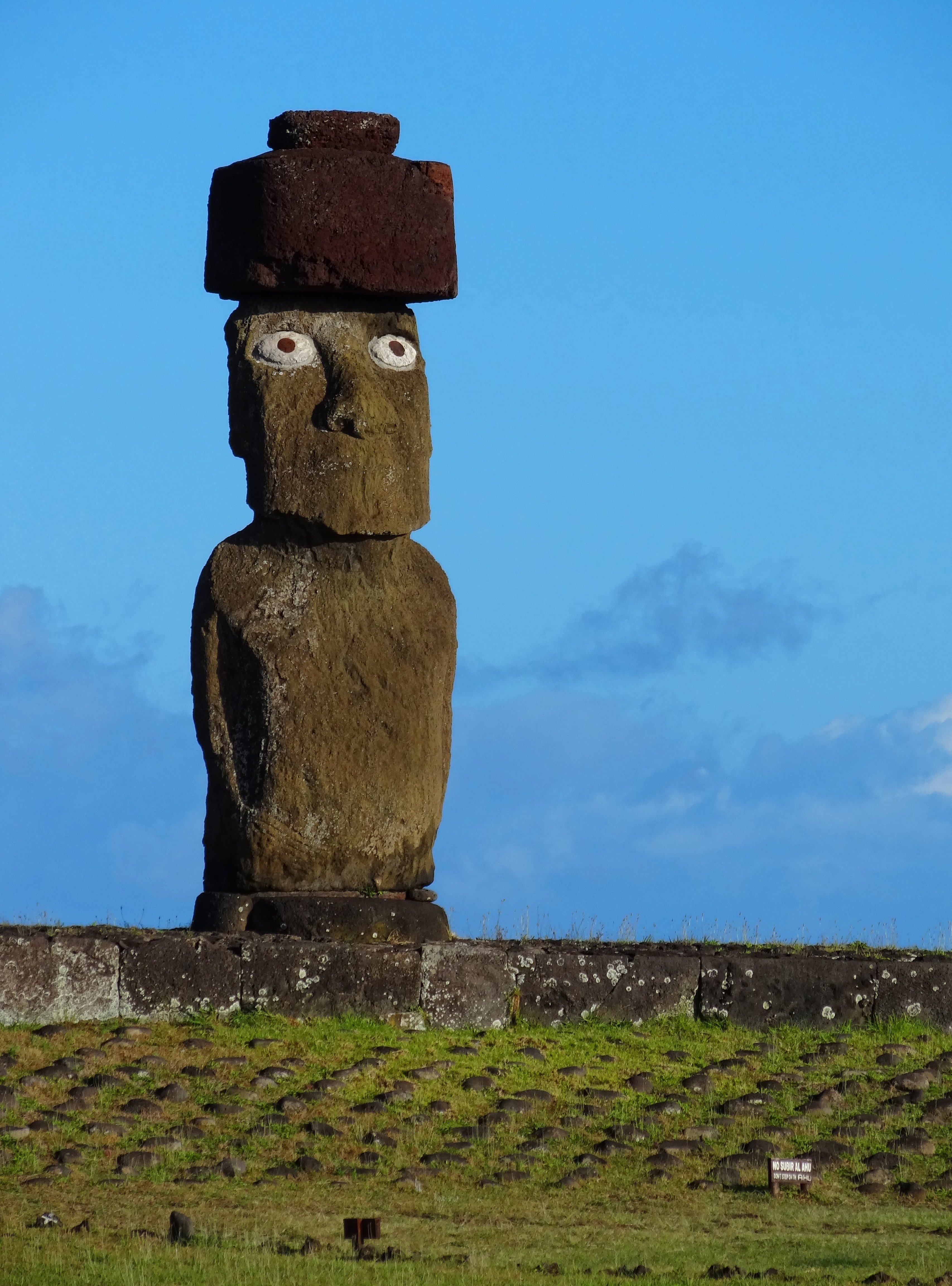
Tahai
Rapa Nui ceremonial complex (ahu) on Easter Island, Chile