Explore the Map
Huaca de Chena
-33.6150° N, -70.7471° E
About
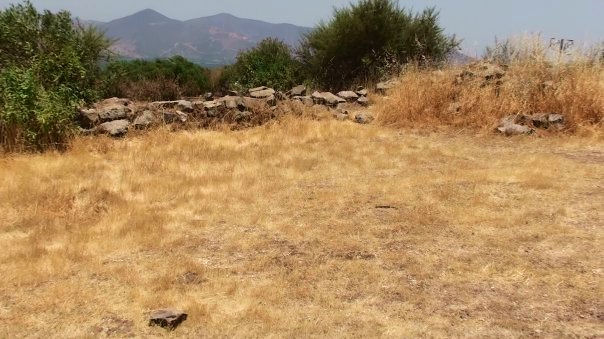
Huaca de Chena, also known as the Chena Pukara, is an archaeological site located on Chena Mountain in Chile. This site is significant as it represents the southernmost Inca sanctuary, featuring a fortress that contains nine enclosures and two surrounding walls forming a shape resembling a feline, similar to the layout of Cusco. Originally thought to be defensive, recent interpretations suggest its use as a ceremonial and astronomical site, pointing to its sophisticated design for observing astronomical events, including solstices and equinoxes. The site also houses cemeteries believed to be diaguita-Inca, indicating a cultural blend. Despite its neglect, Huaca de Chena remains an essential link to the Inca's religious and astronomical practices, underscoring the need for its preservation.
Gallery
Explore photographs of ancient structures, artifacts, and archaeological excavations
Historical Timeline
Journey through time and discover key events in this site's history
Last Inti Raymi Celebration
Construction of Chena Fortress
Archaeological Features
Unique architectural and cultural elements found at this historical site
Defensive Structures
Burial and Funerary Structures
Religious and Ritual Structures
Astronomical and Timekeeping Structures
Frequently Asked Questions
Plan Your Visit
Tours, travel arrangements, and practical information


More Sites in Chile
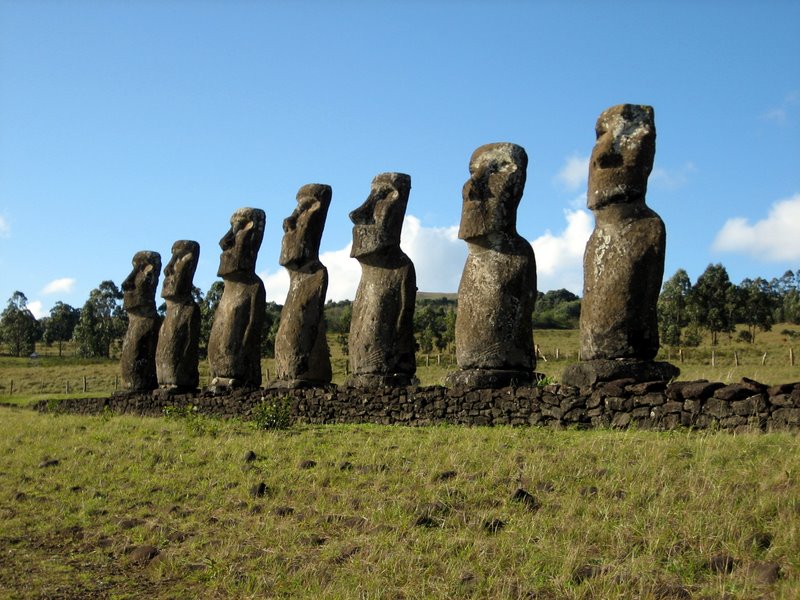
Rapa Nui National Park
Moai statues on remote Easter Island.
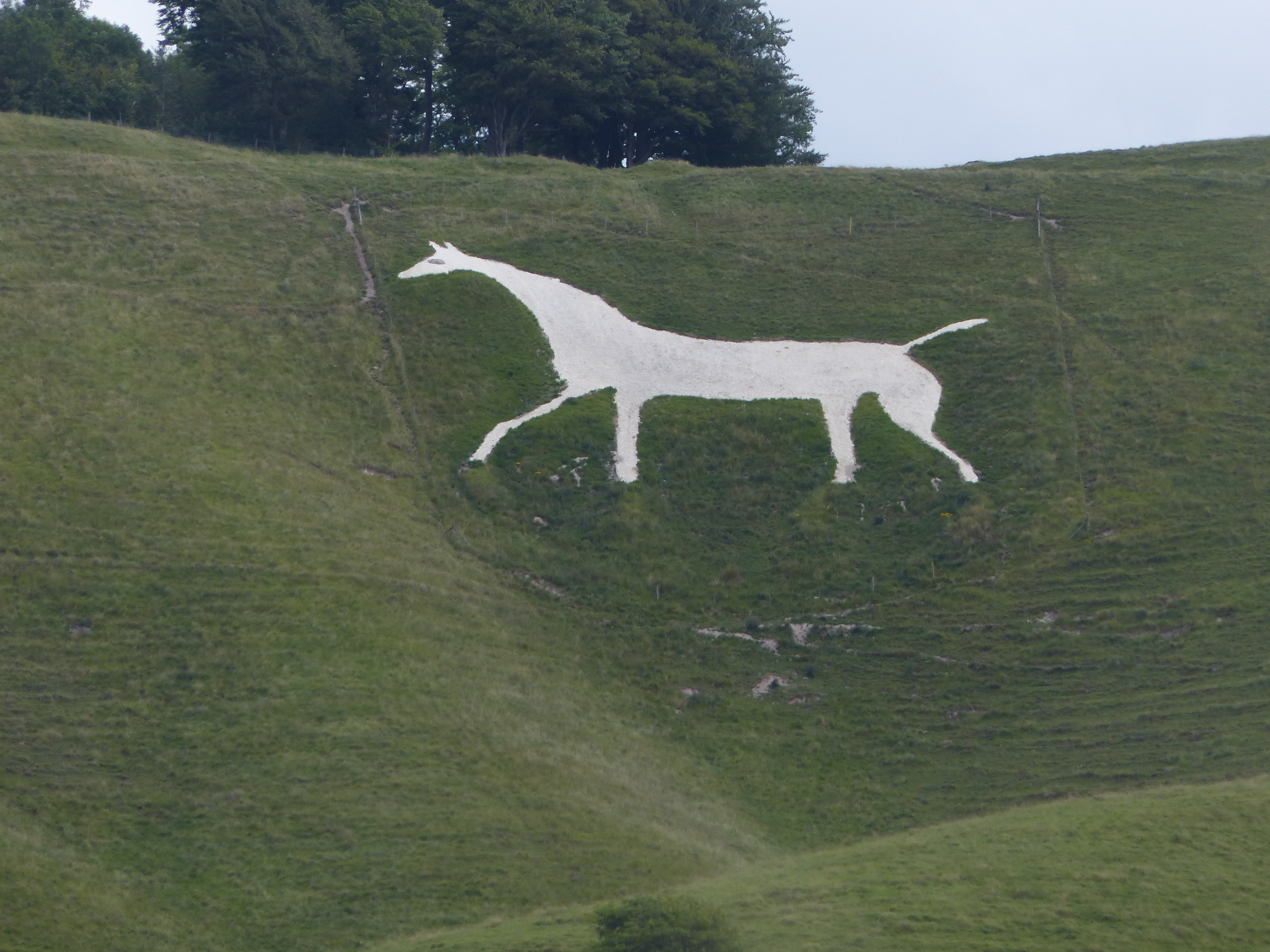
Atacama Giant
Large prehistoric anthropomorphic geoglyph in Chile.
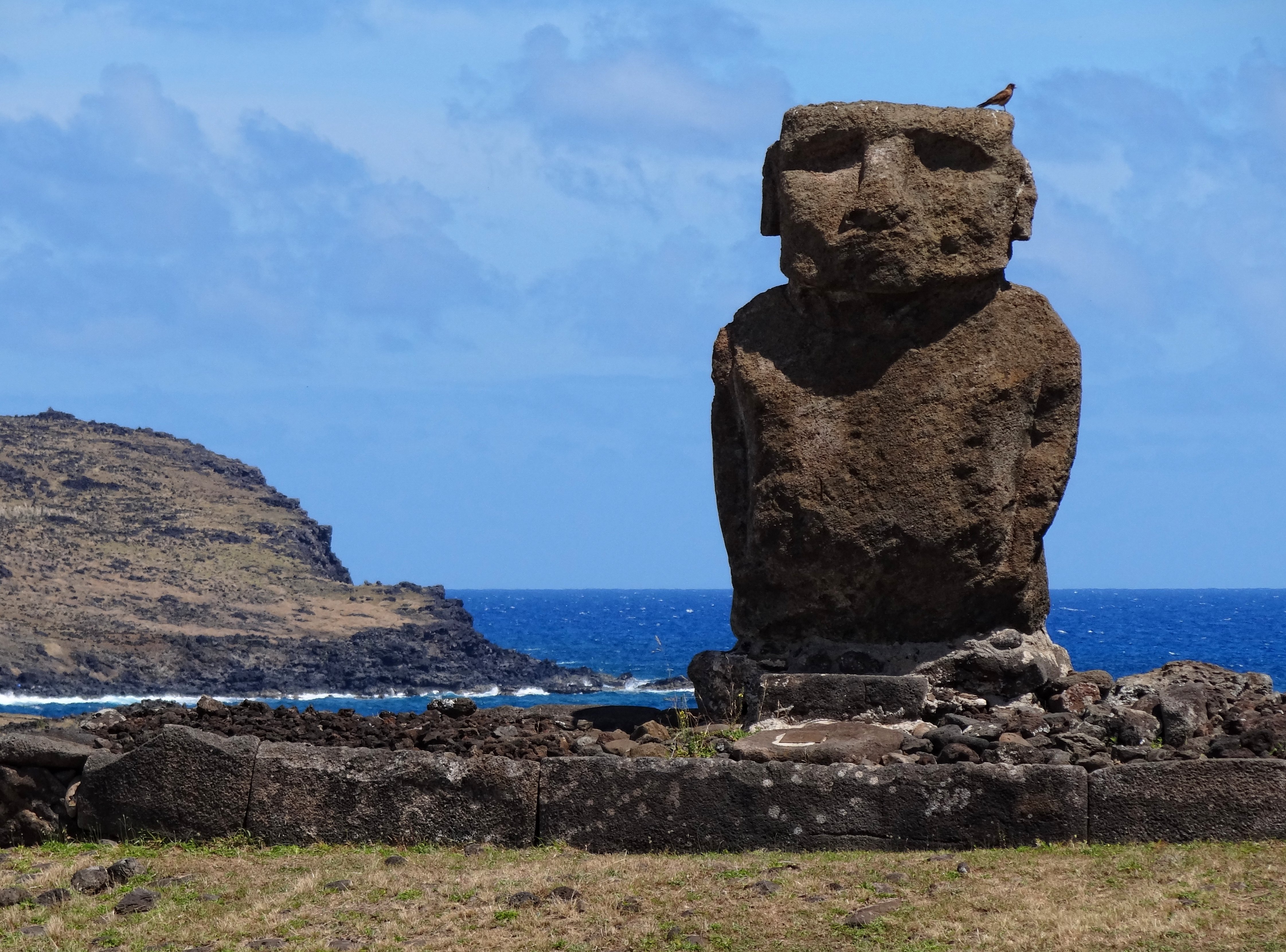
Anakena
White coral sand beach with ahu platforms.
Tulor
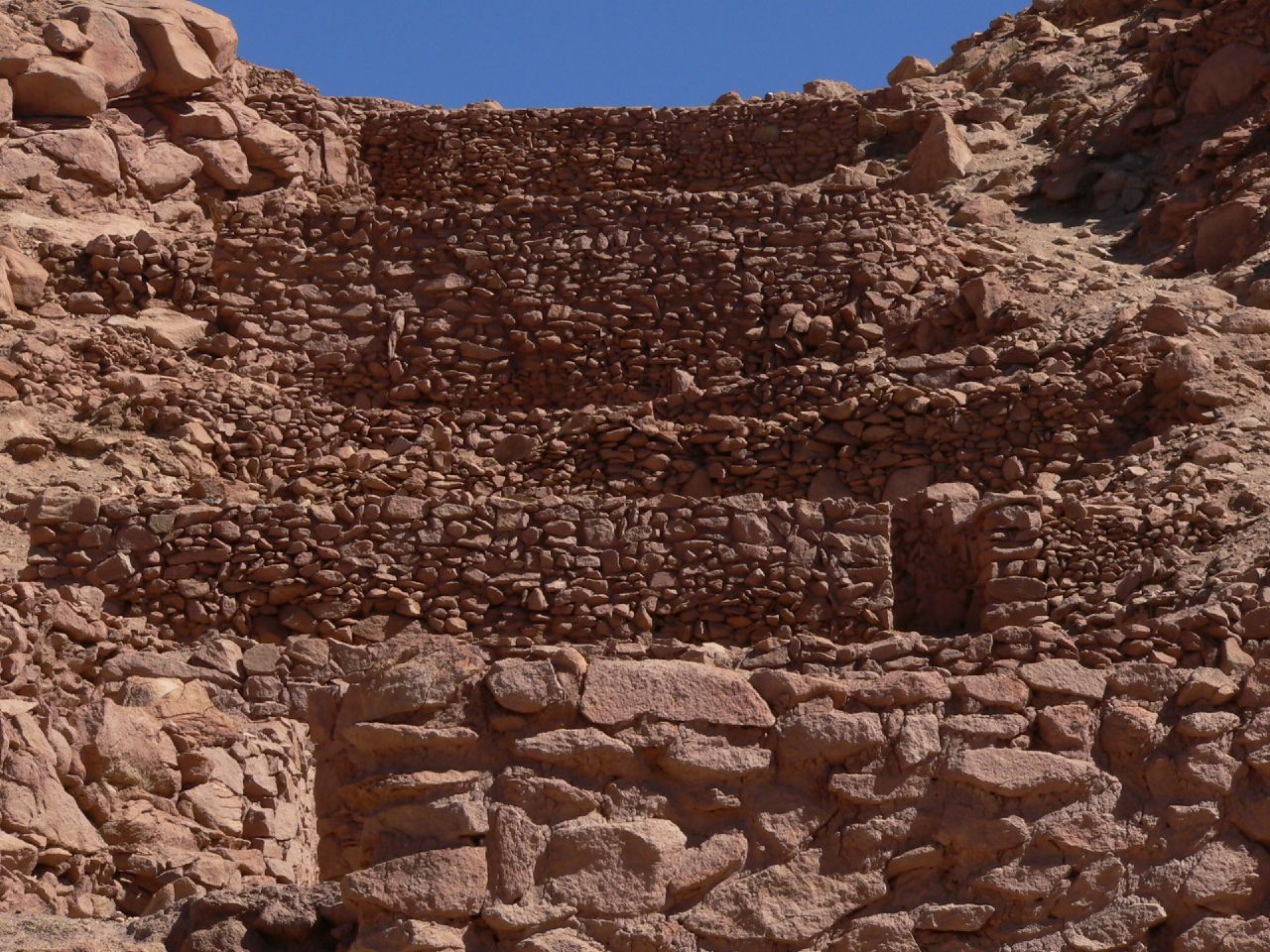
Mud-built circular village with stratigraphy insights
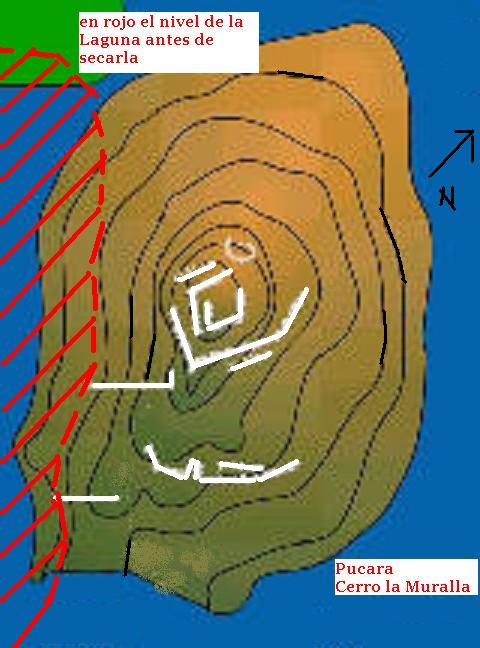
Pucara del Cerro La Muralla
Inca fortress with defensive walls and ceramics.
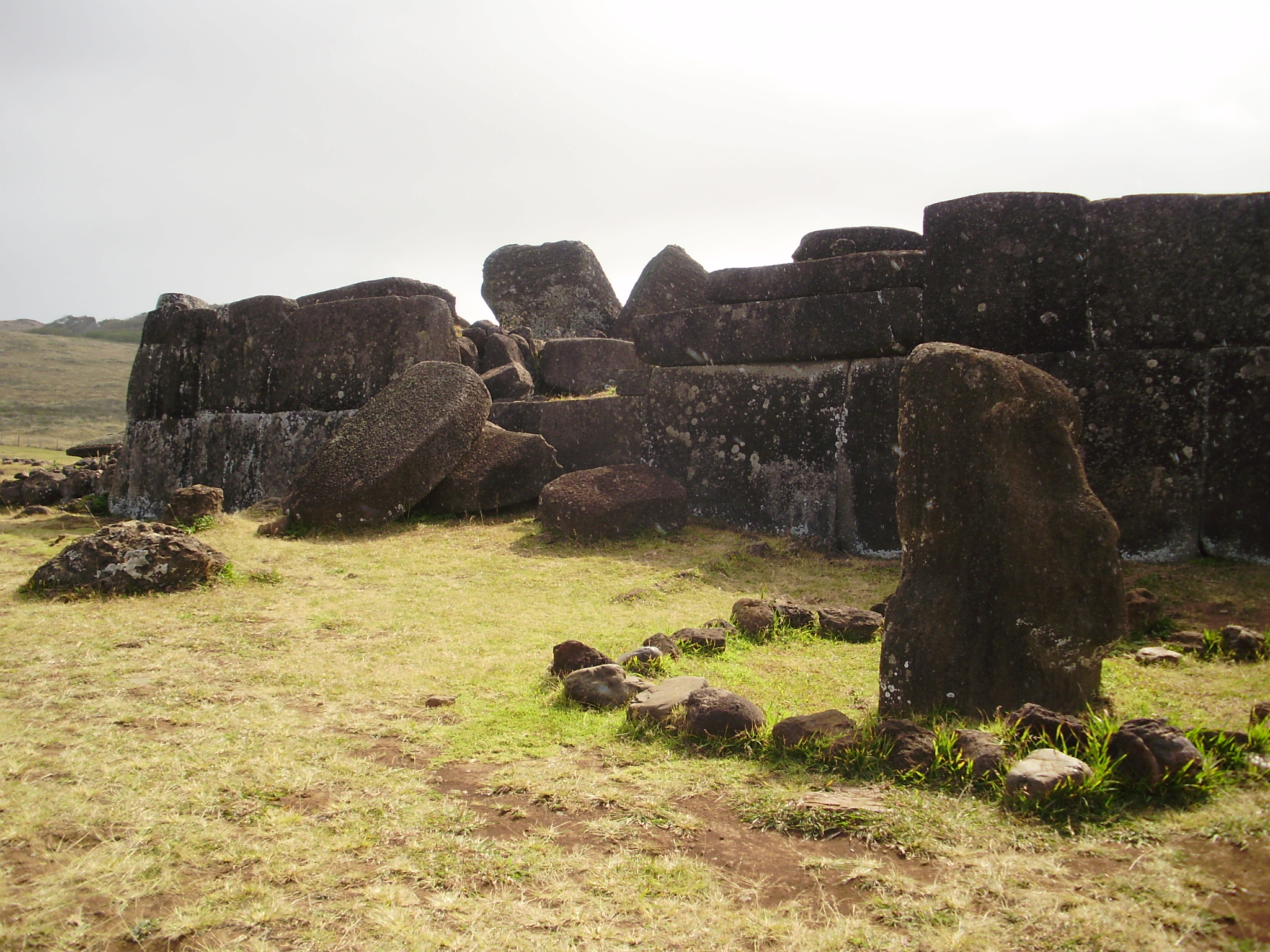
Ahu Vinapu
Extraordinary basalt slab stonemasonry ahu.