
Explore the Map
Rapa Nui National Park
-27.1500° N, -109.4500° E
About
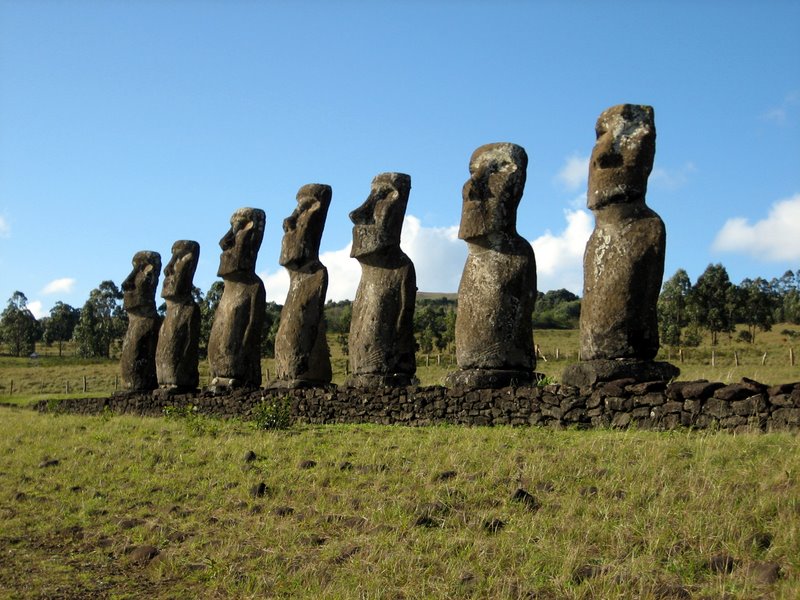
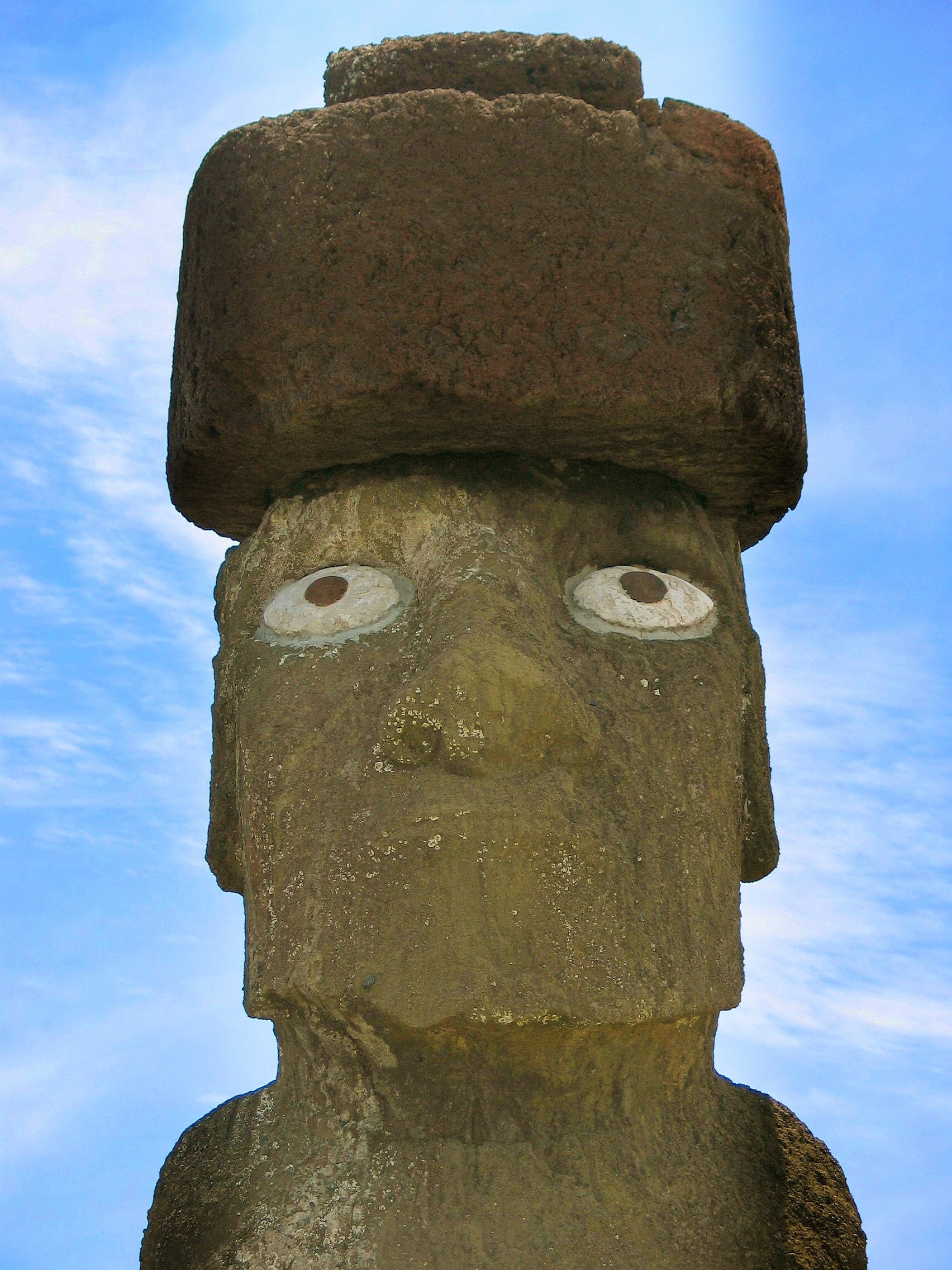
Rapa Nui National Park, located on Easter Island, Chile, is a UNESCO World Heritage Site known for its iconic moai statues. These statues, carved from volcanic rock by the early Rapa Nui people, are a testament to the island's rich cultural heritage. The park's landscape is marked by volcanic craters, rugged coastlines, and ceremonial platforms, reflecting a unique megalithic culture. The moai statues, varying in height and made from local tuff and scoria, represent a significant archaeological and artistic achievement. Over time, the indigenous Rapa Nui people have regained authority over their lands, emphasizing the importance of preserving their ancestral heritage. Despite challenges such as ecological changes and recent forest fires, the park remains a crucial site for understanding Polynesian history and culture.
Gallery
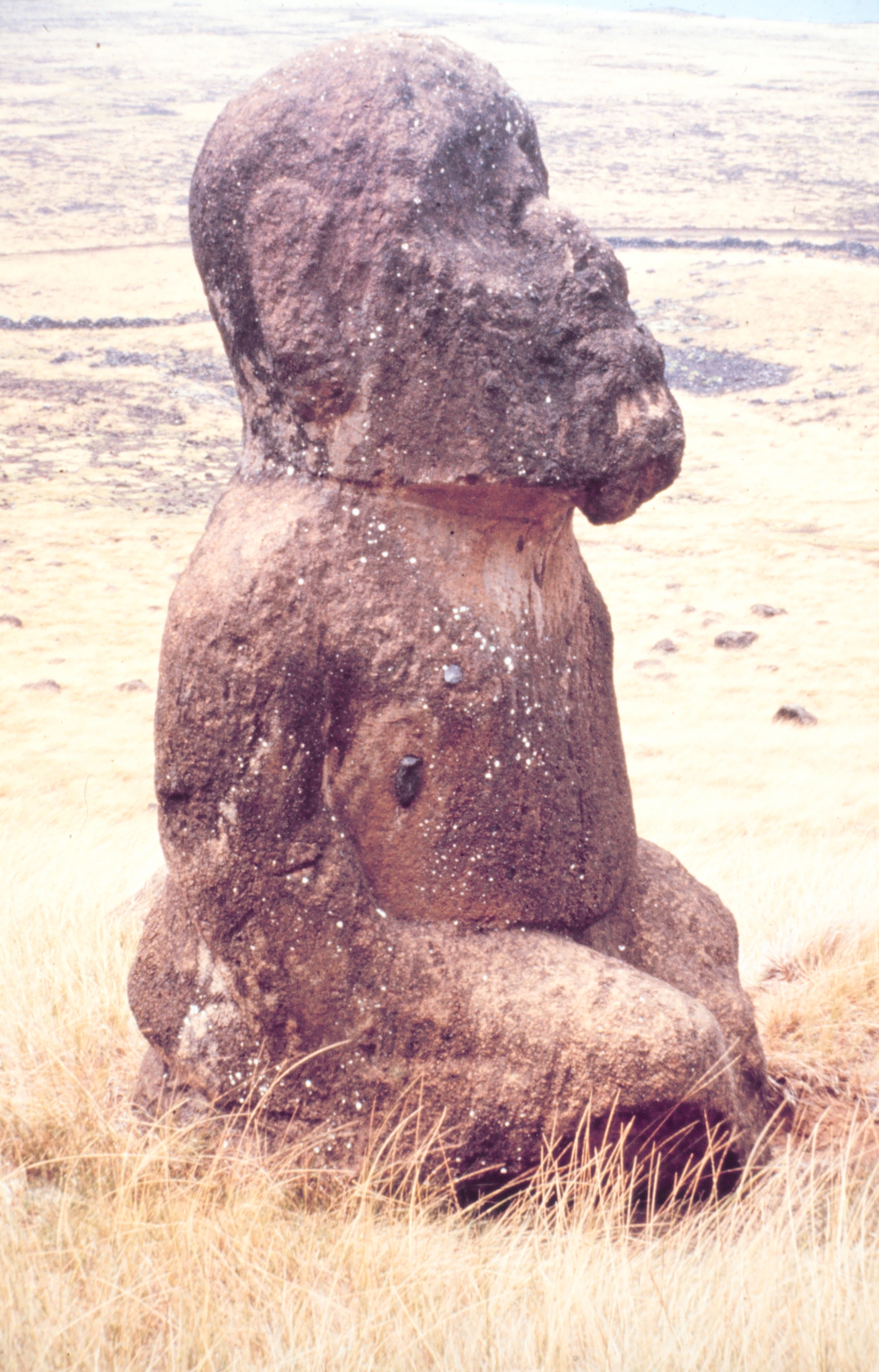
Explore photographs of ancient structures, artifacts, and archaeological excavations
Historical Timeline
Journey through time and discover key events in this site's history
Settlement by Rapa Nui people
300 CE - 1200 CE
Toppling of Moai Statues
1837 CE - 1864 CE
UNESCO World Heritage Designation
1996 CE
Return of Ancestral Lands
2017 CE
Forest Fire Damage
2022 CE
Archaeological Features
Unique architectural and cultural elements found at this historical site
Religious and Ritual Structures
Artistic and Decorative Features
Environmental and Natural Features
Frequently Asked Questions
Plan Your Visit
Tours, travel arrangements, and practical information
More Sites in Chile
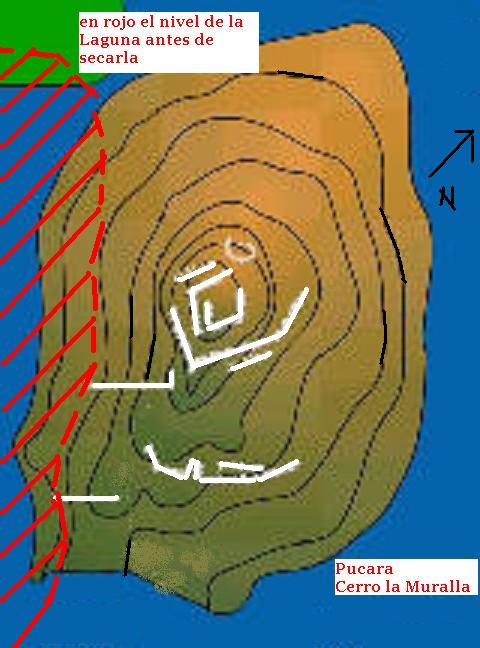
Pucara del Cerro La Muralla
Inca fortress with defensive walls and ceramics.
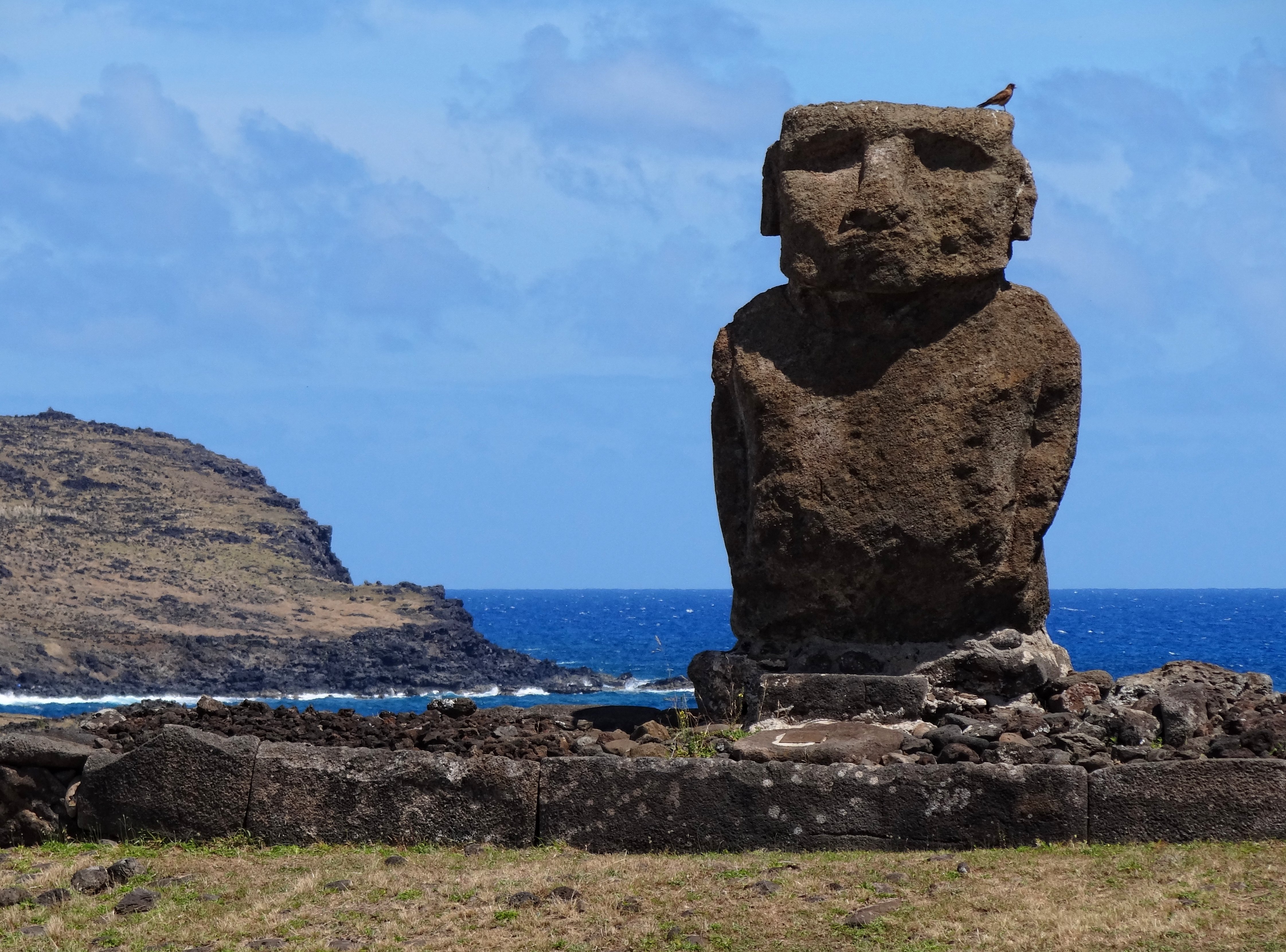
Anakena
White coral sand beach with ahu platforms.
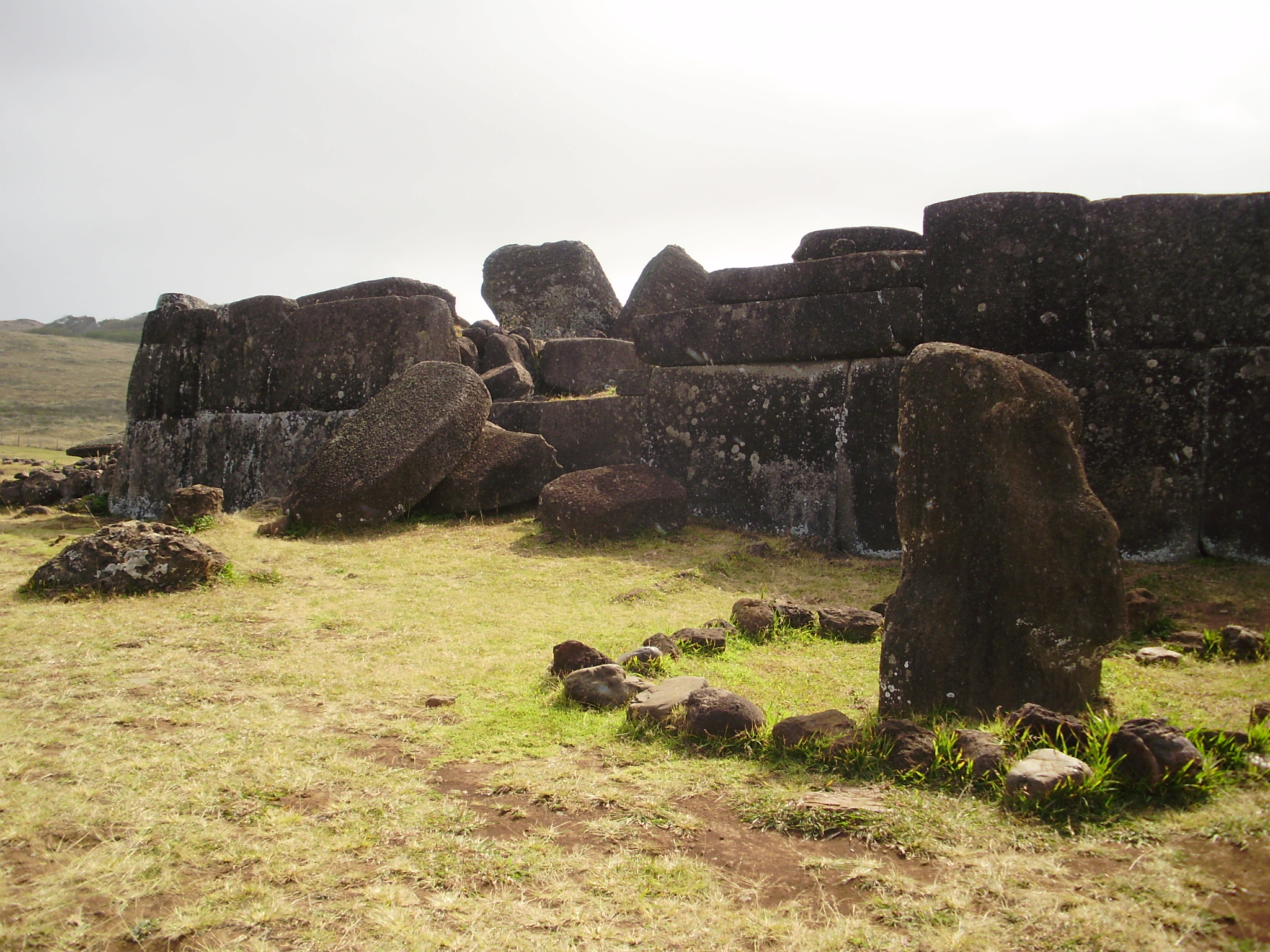
Ahu Vinapu
Extraordinary basalt slab stonemasonry ahu.
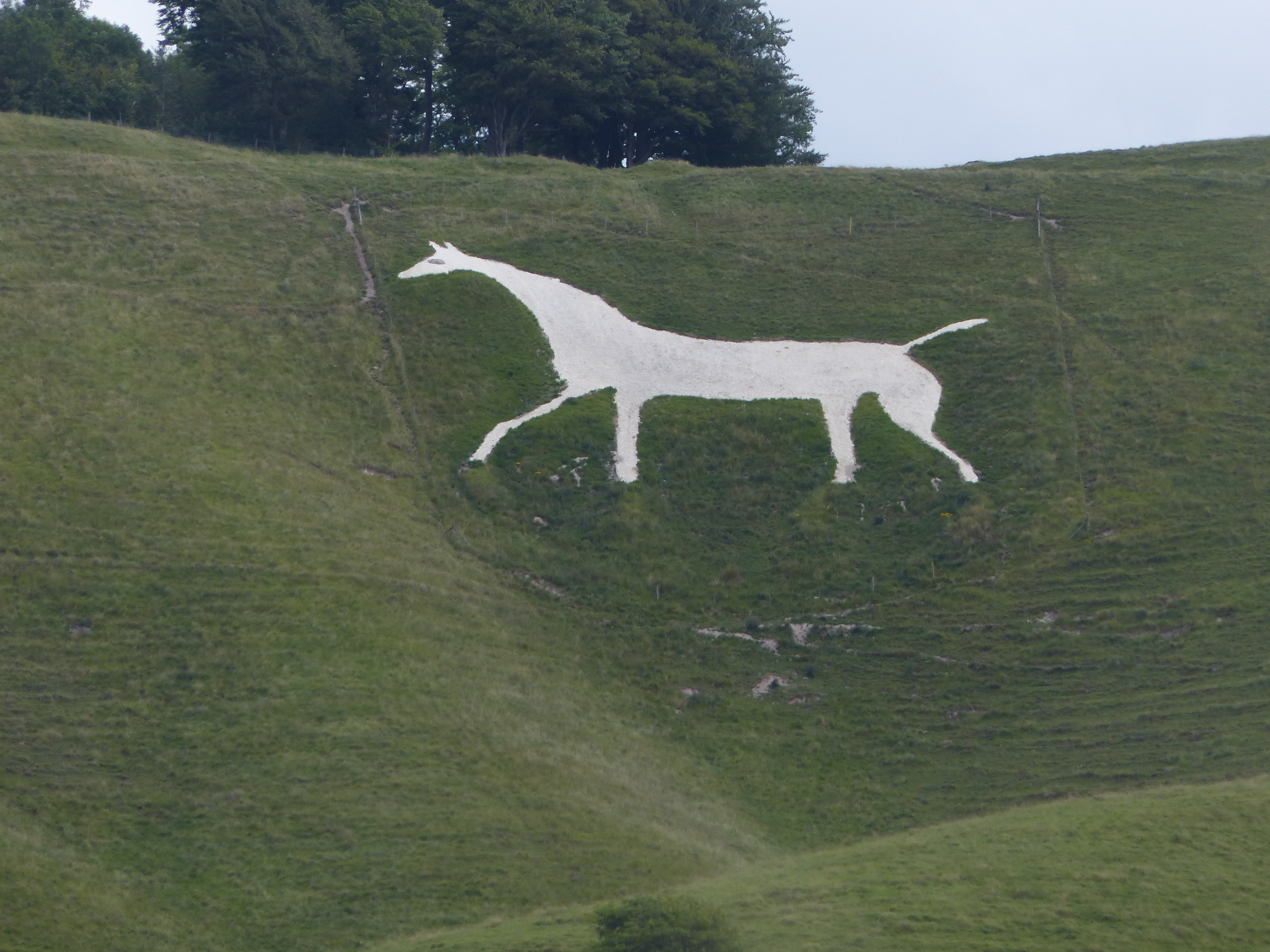
Atacama Giant
Large prehistoric anthropomorphic geoglyph in Chile.
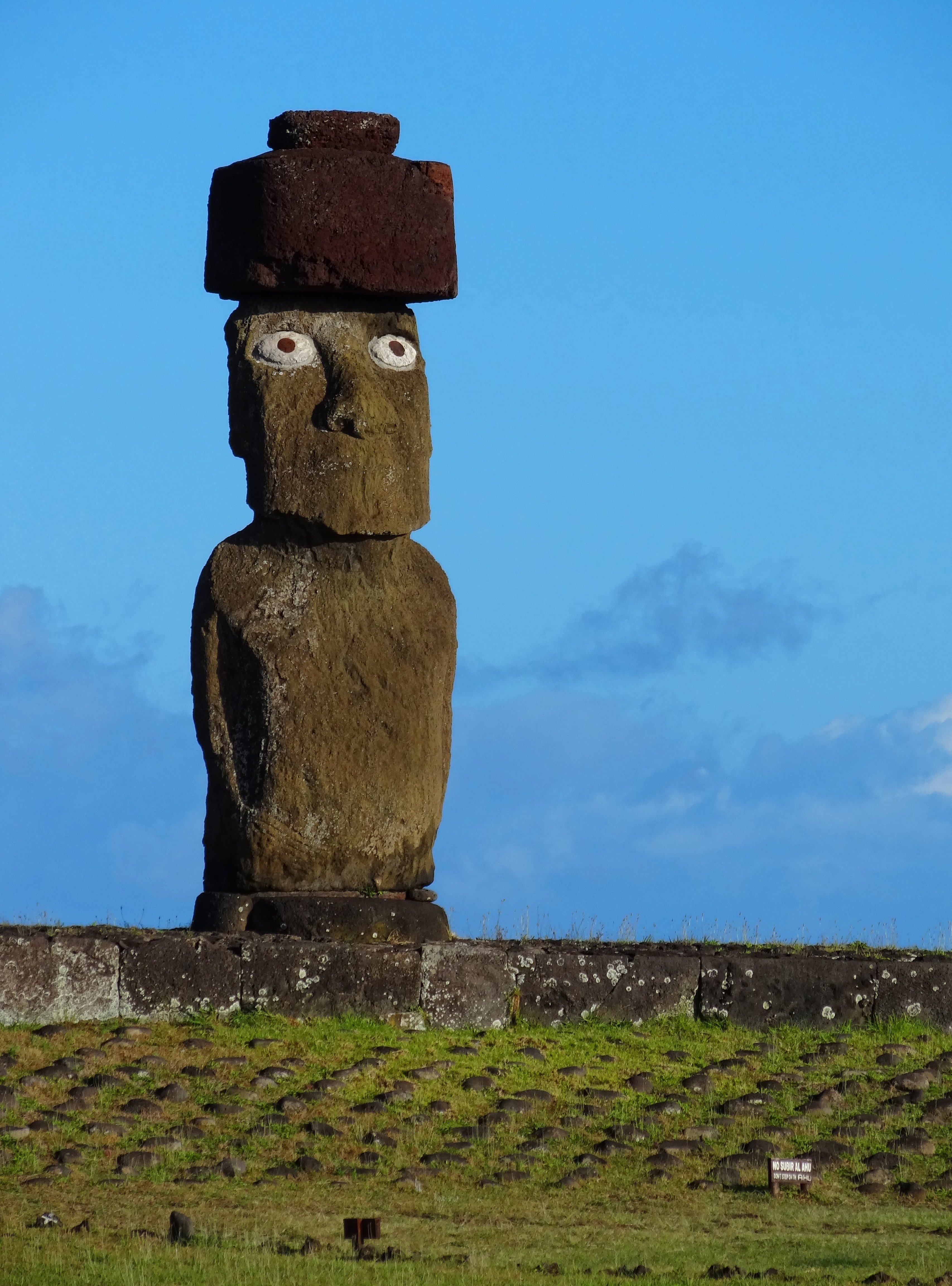
Tahai
Rapa Nui ceremonial complex (ahu) on Easter Island, Chile
Cuz Cuz
Ancient village with significant petroglyphs.