Explore the Map
Tahai
-27.1402° N, -109.4271° E
About
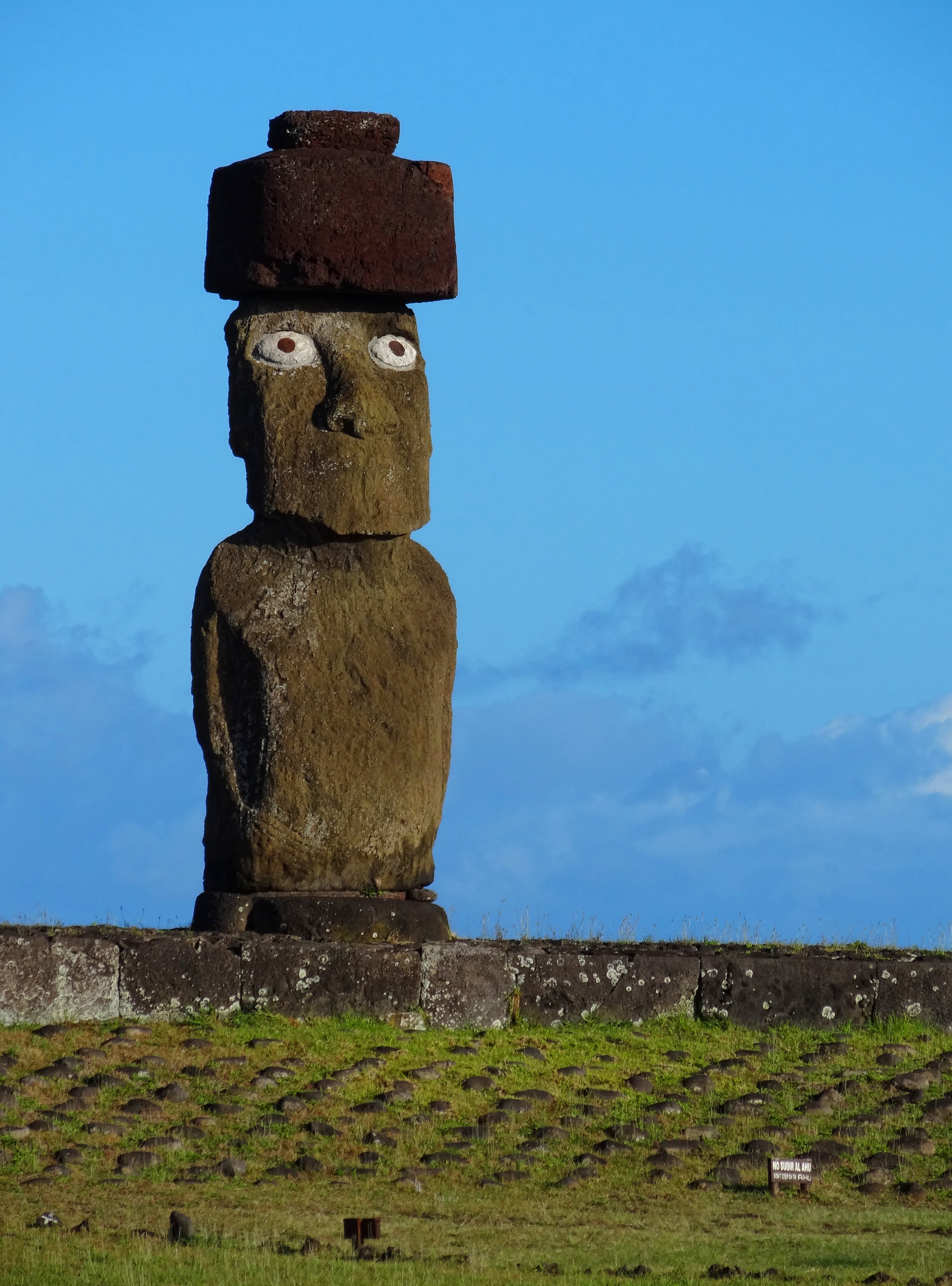
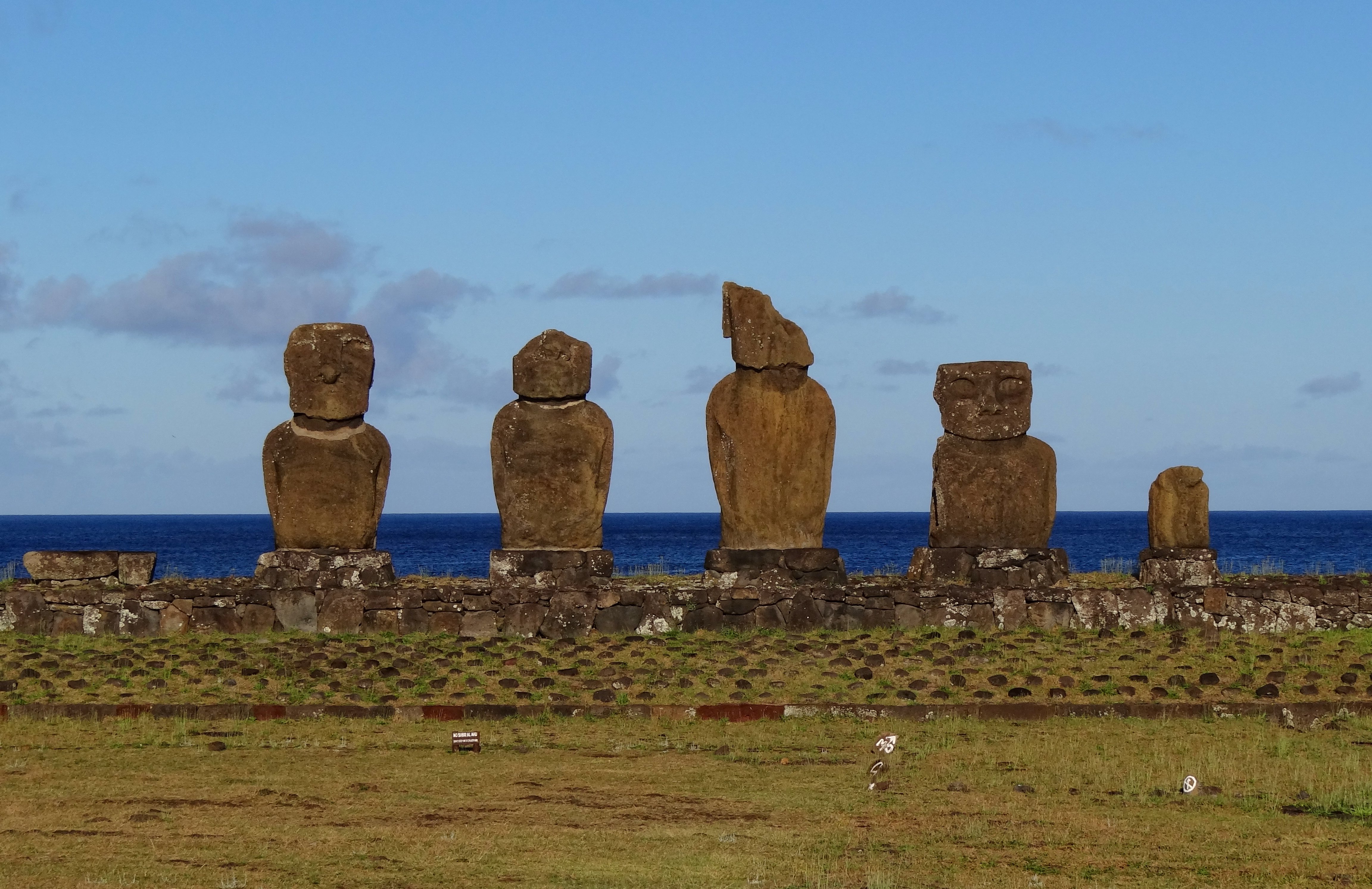
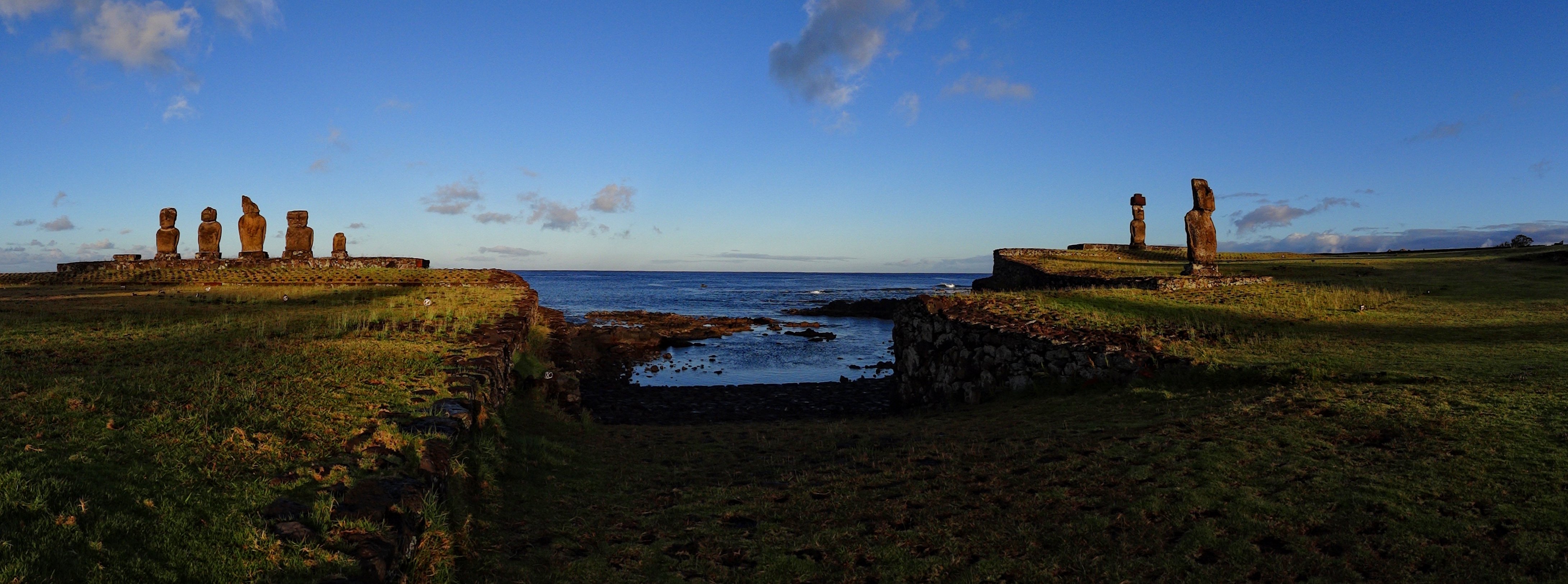
The Tahai Ceremonial Complex is an archaeological site on Rapa Nui (Easter Island) in Chilean Polynesia. Restored in 1974 by American archaeologist William Mulloy, Tahai comprises three principal ahu from north to south: Ko Te Riku (with restored eyes), Tahai, and Vai Ure. Visible in the distance from Tahai are two restored ahu at Hanga Kio'e, projects that Mulloy undertook in 1972. Like other Mulloy restoration projects at Ahu Akivi, the ceremonial village of Orongo and Vinapu, the ceremonial center at Tahai now constitutes an integral part of the Rapa Nui National Park, designated by UNESCO as a World Heritage site. William Mulloy and his wife Emily Ross Mulloy are buried at Tahai.
Gallery
Explore photographs of ancient structures, artifacts, and archaeological excavations
Historical Timeline
Journey through time and discover key events in this site's history
Hanga Kio'e restorations
1972
Tahai restoration
1974
Archaeological Features
Unique architectural and cultural elements found at this historical site
Burial and Funerary Structures
Religious and Ritual Structures
Artistic and Decorative Features
Frequently Asked Questions
Plan Your Visit
Tours, travel arrangements, and practical information


More Sites in Chile
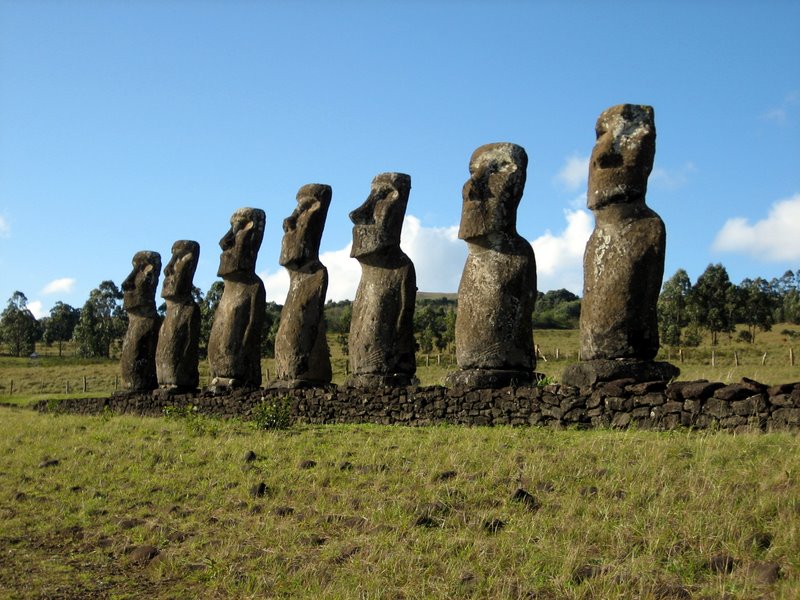
Rapa Nui National Park
Moai statues on remote Easter Island.
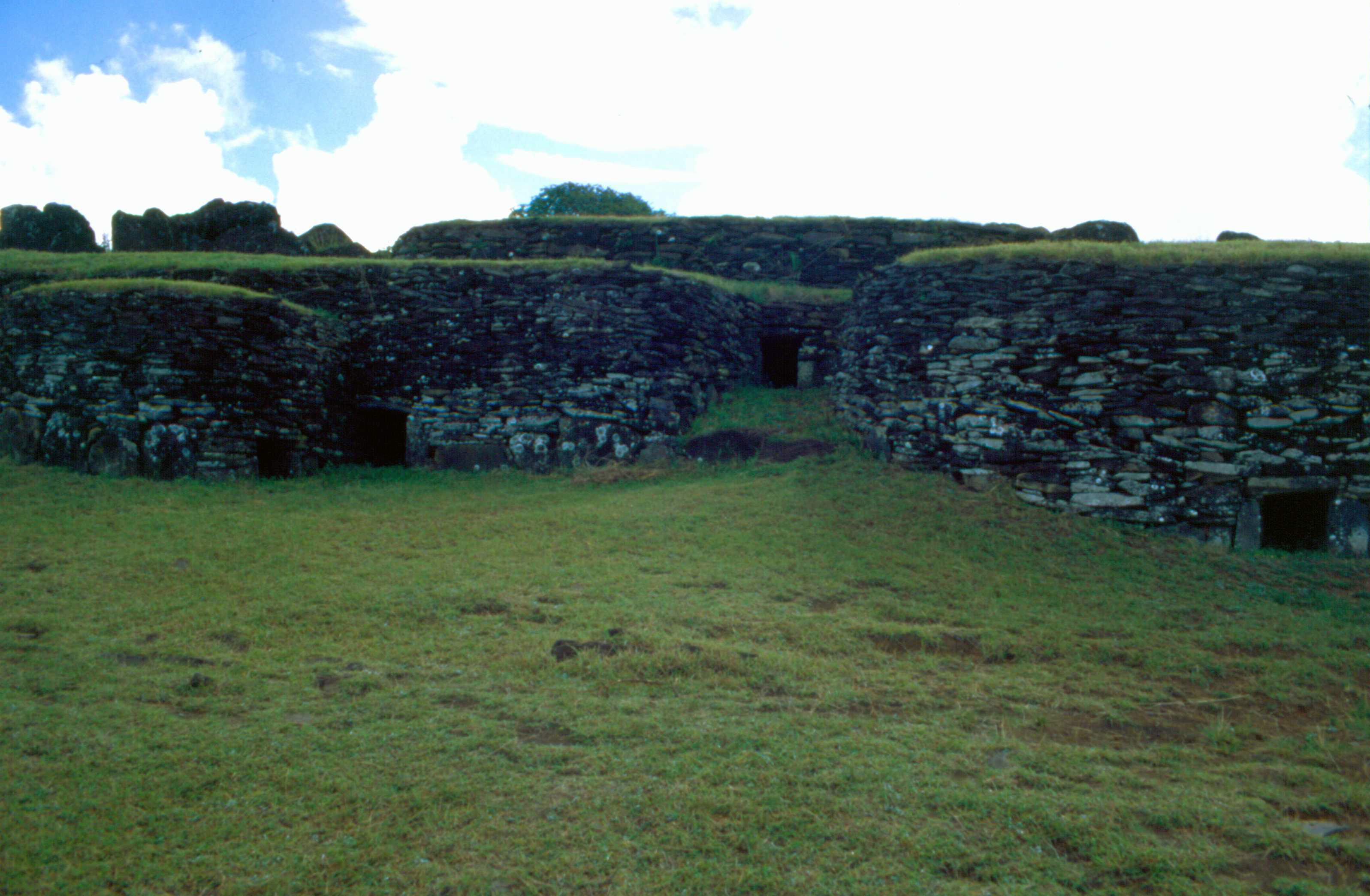
Orongo
Ceremonial village on Rapa Nui (Easter Island)
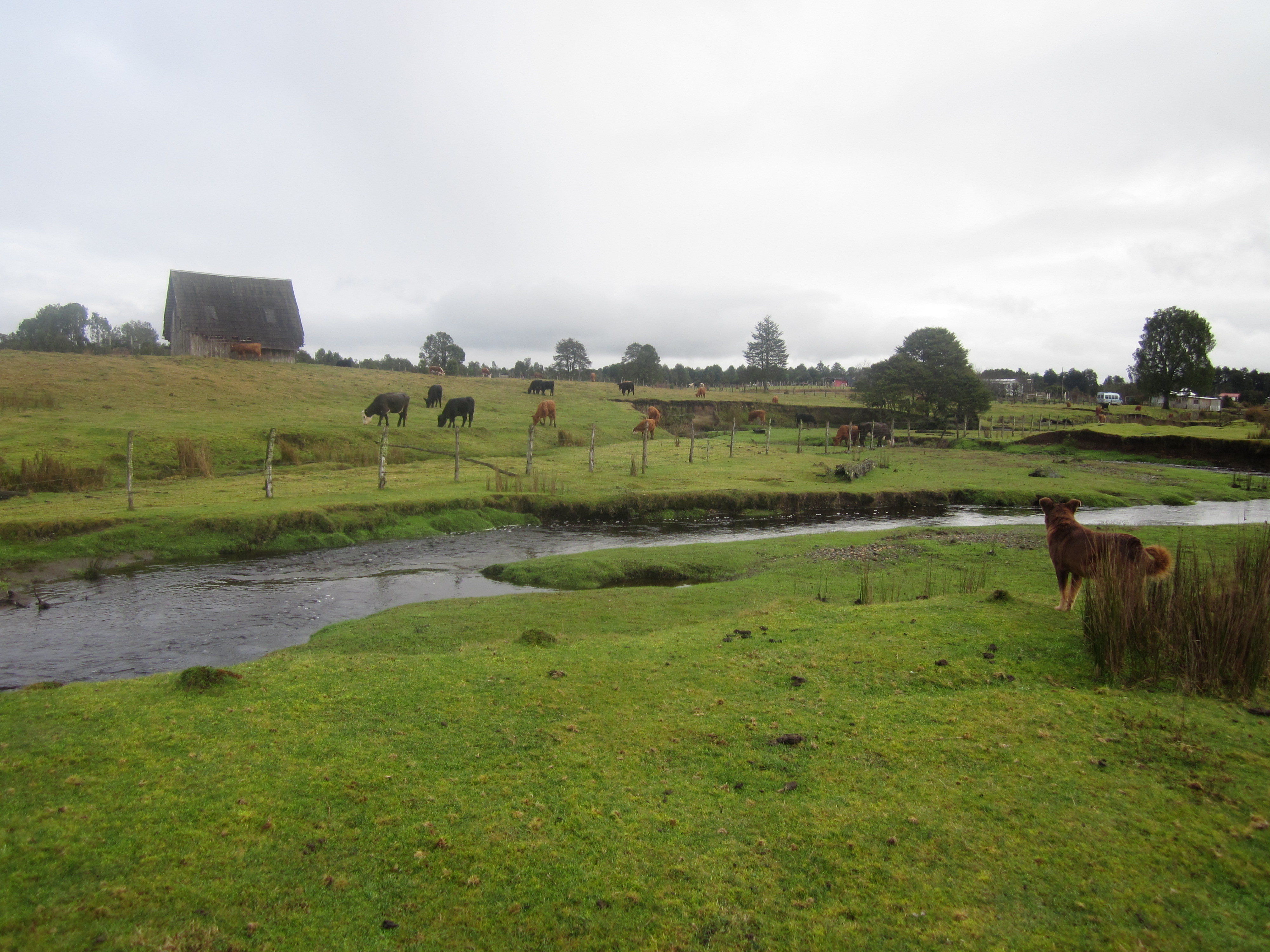
Monte Verde
Pre-Clovis campsite with organic preservation
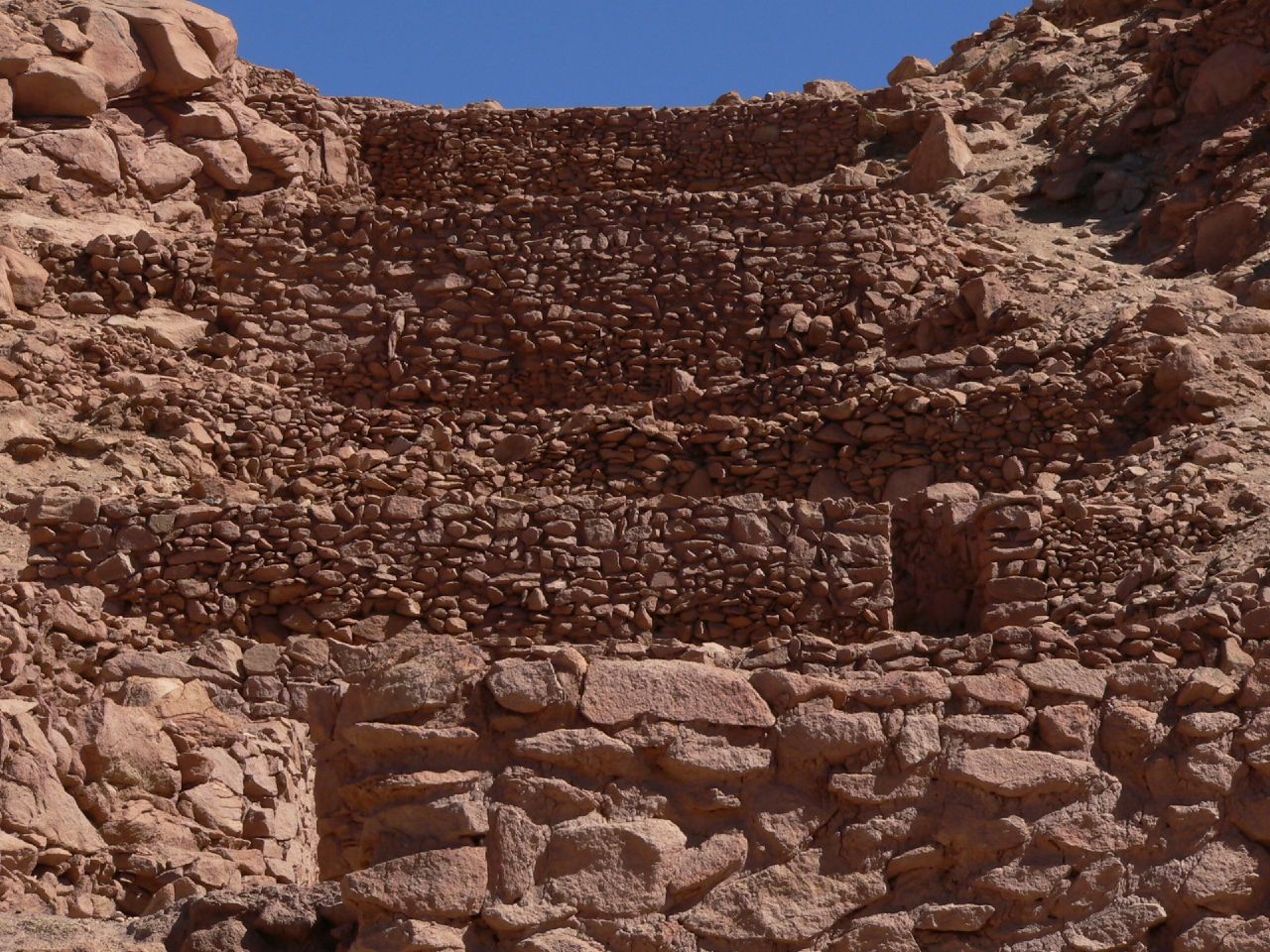
Madre de Dios Island
Limestone island with ancient caves and art
Cuz Cuz
Ancient village with significant petroglyphs.
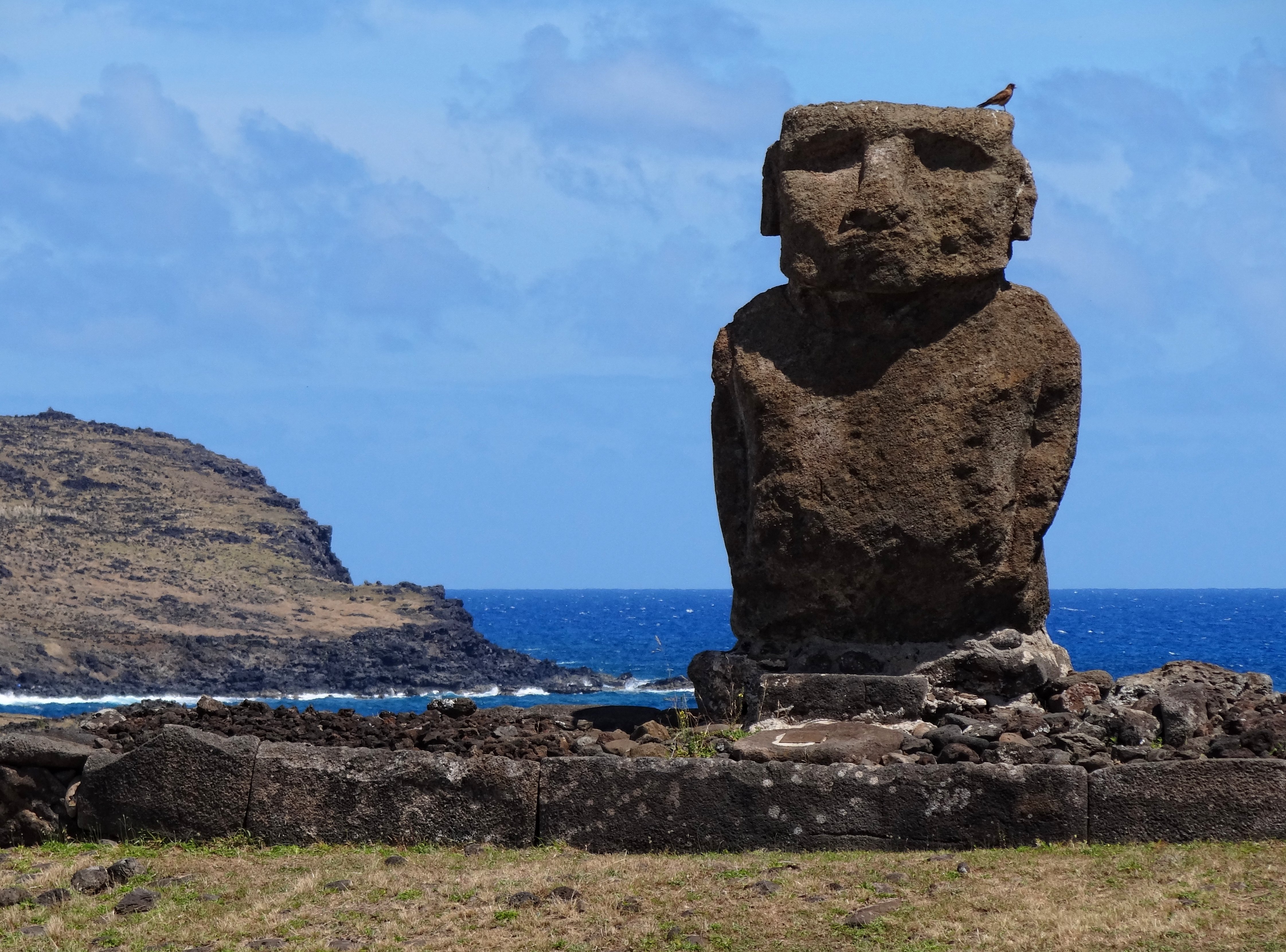
Anakena
White coral sand beach with ahu platforms.