Time Periods
Paleolithic
Mesolithic
Neolithic
Chalcolithic
Bronze Age
Iron Age
Classical Period
Post-Classical Period
Early Modern Period
Industrial Period
Contemporary Period
Time Periods
Paleolithic
Mesolithic
Neolithic
Chalcolithic
Bronze Age
Iron Age
Classical Period
Post-Classical Period
Early Modern Period
Industrial Period
Contemporary Period
Location
About
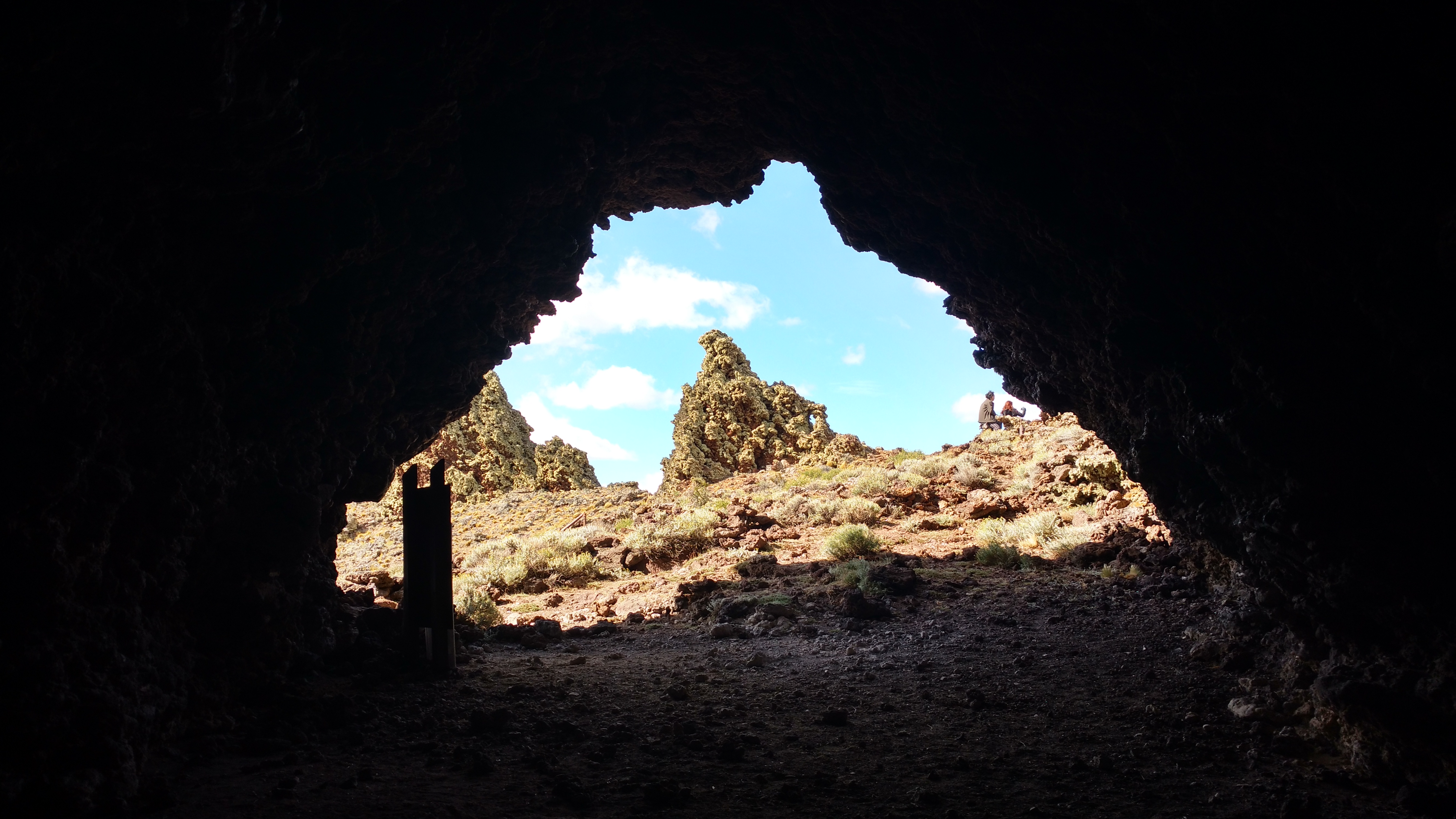
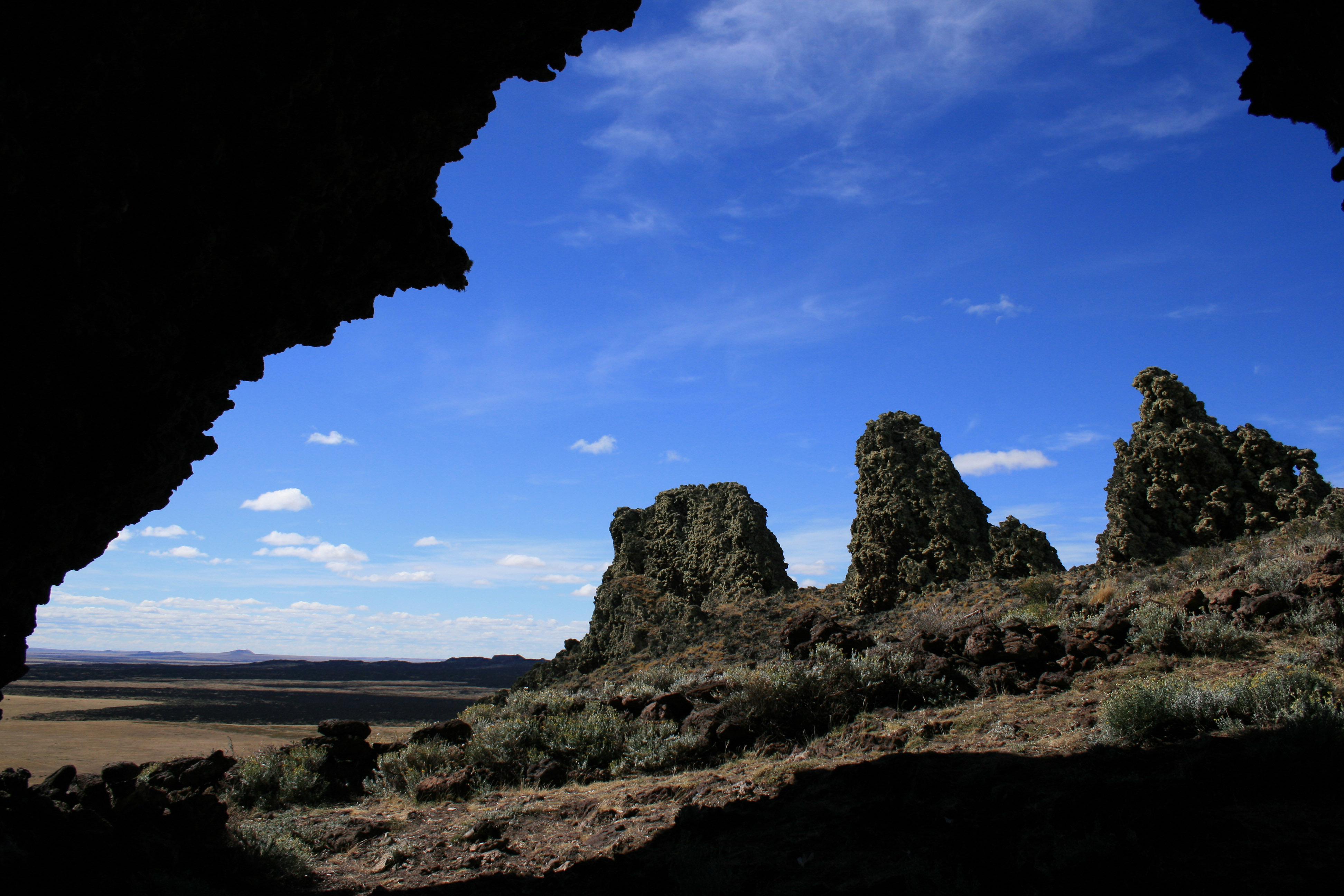
Pali-Aike National Park in Chile is an archaeologically significant site featuring evidence of prehistoric human occupation. The park is home to the Pali Aike Crater, a volcanic formation under which human crania from the Paleo-Indian period were discovered. The archaeological findings include stone tools, such as fluted fishtail points, dated to approximately 11,000 years BP, making them among the oldest in South America. The site also contains petroglyphs and rock carvings, suggesting ceremonial activities. Cremated human remains have been uncovered, indicating ritualistic practices. The stratigraphy of the caves dates back to between 8,600 and 11,000 years ago. These inhabitants primarily hunted terrestrial animals and gathered resources, despite proximity to the sea. The park’s archaeological significance is heightened by its proposal to UNESCO as a World Heritage Site, emphasizing its cultural and historical importance.
Gallery
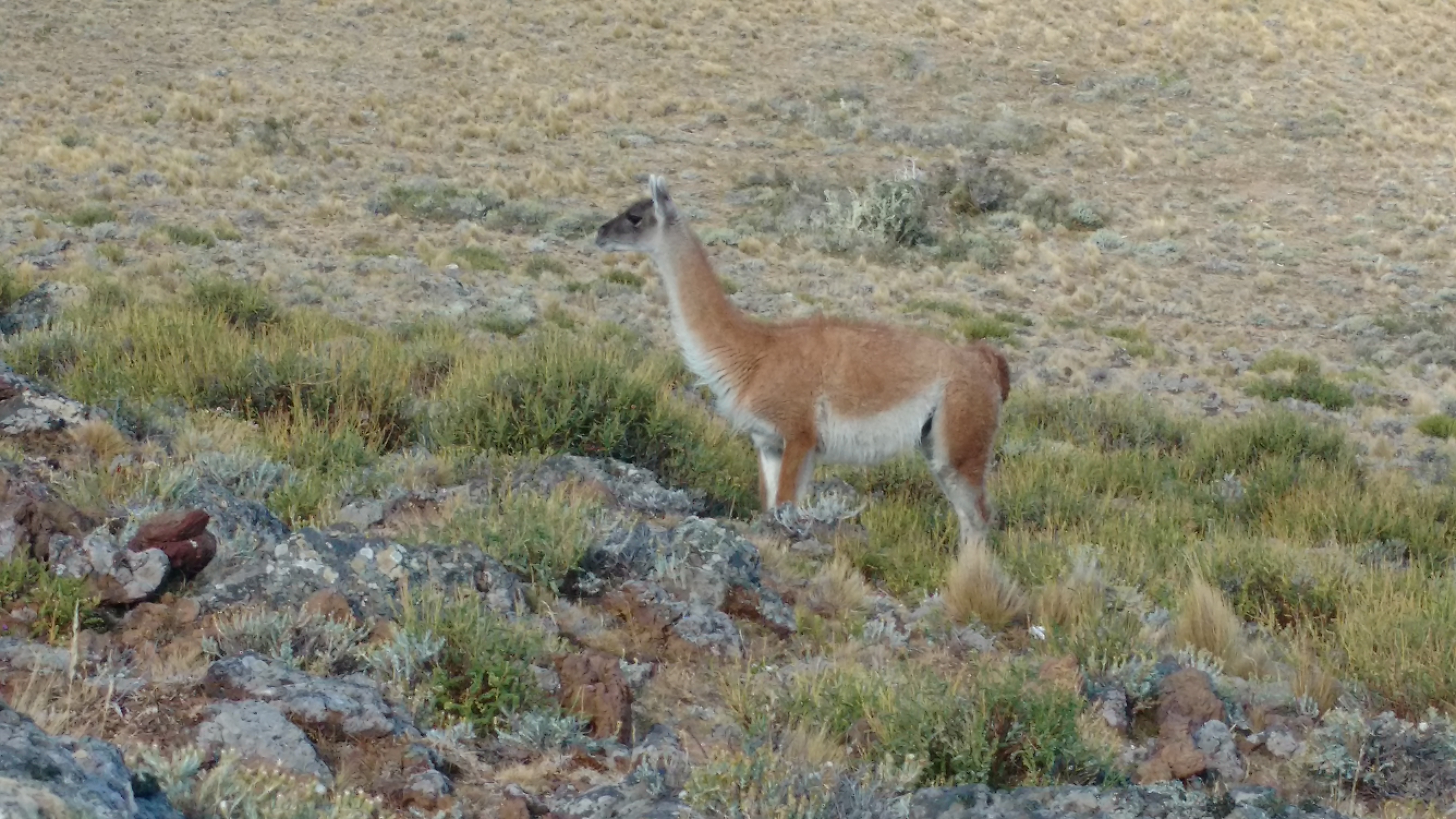
Explore photographs of ancient structures, artifacts, and archaeological excavations at Pali-Aike National Park
Archaeological Features
Explore the unique architectural and cultural elements found at this historical site
Artistic and Decorative Features
Domestic and Habitation Structures
Environmental and Natural Features
Historical Timeline
Journey through time and discover key events in this site's archaeological history
Plan Your Visit
Details
- Country
- Chile
- Source
- Wikipedia
More Sites in Chile
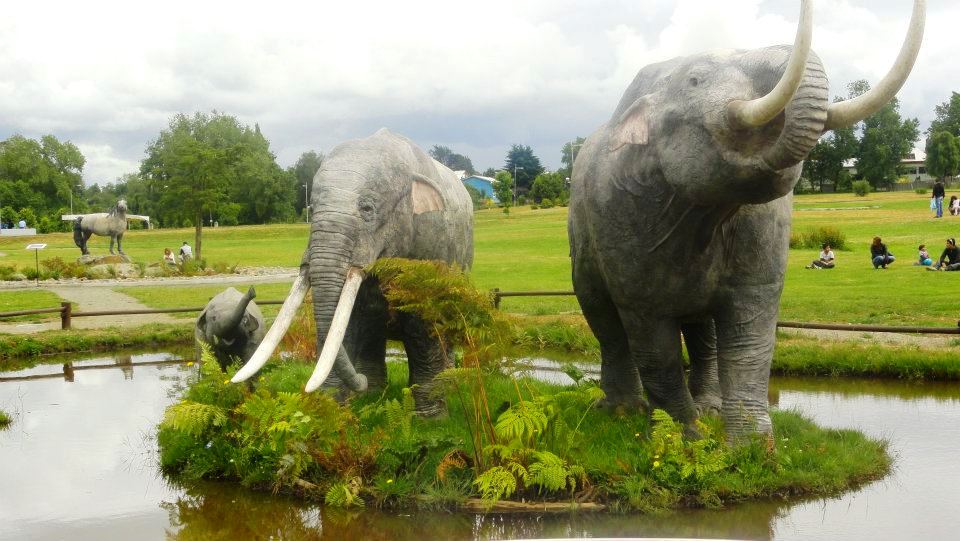
Pilauco Bajo
Pleistocene site with lithic artifacts and megafauna
Cuz Cuz
Ancient village with significant petroglyphs.
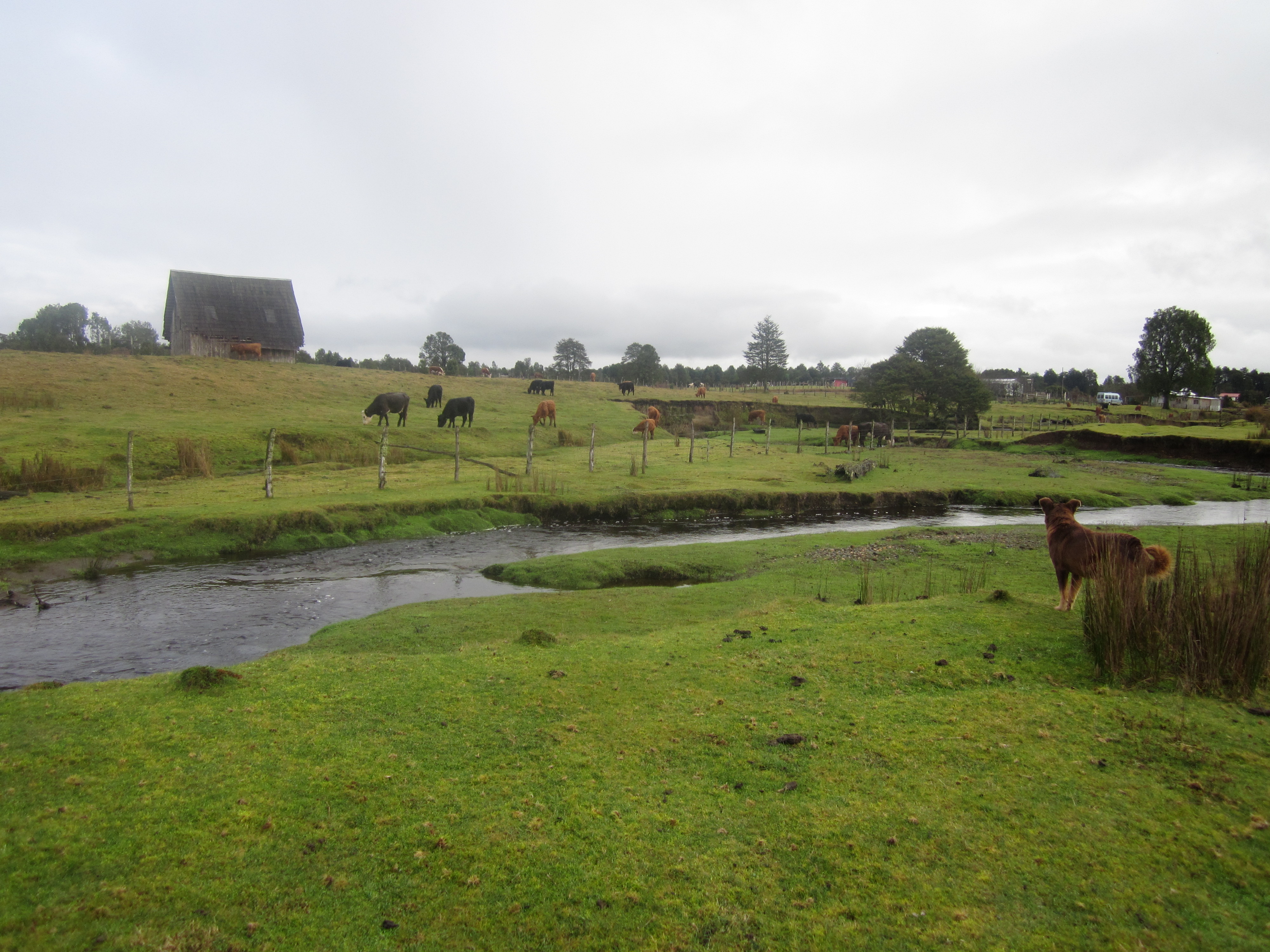
Monte Verde
Pre-Clovis campsite with organic preservation
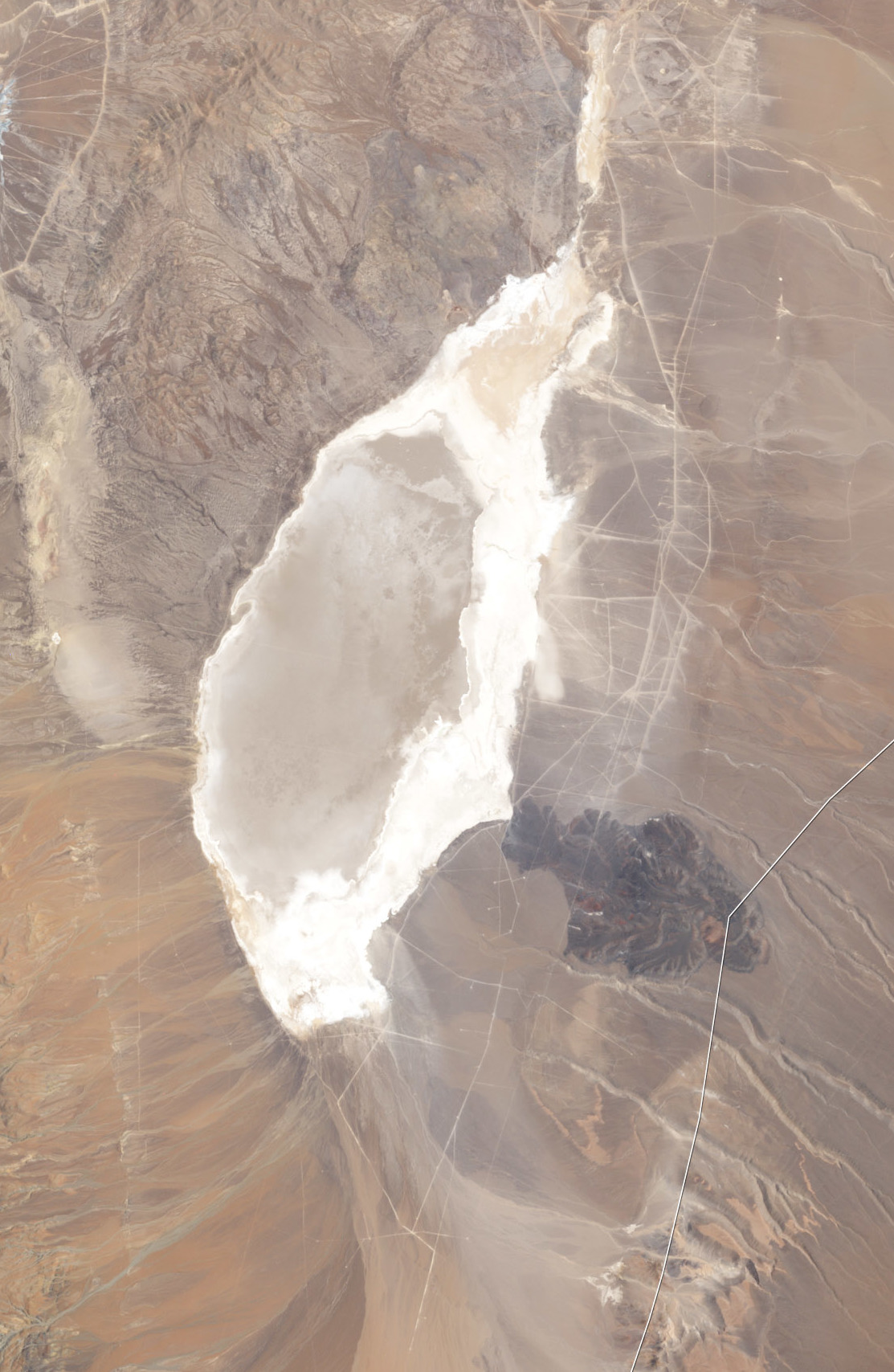
Salar de Punta Negra
Saltpan with archaeological finds and historical significance
Caleta Vítor
Explore this archaeological site.
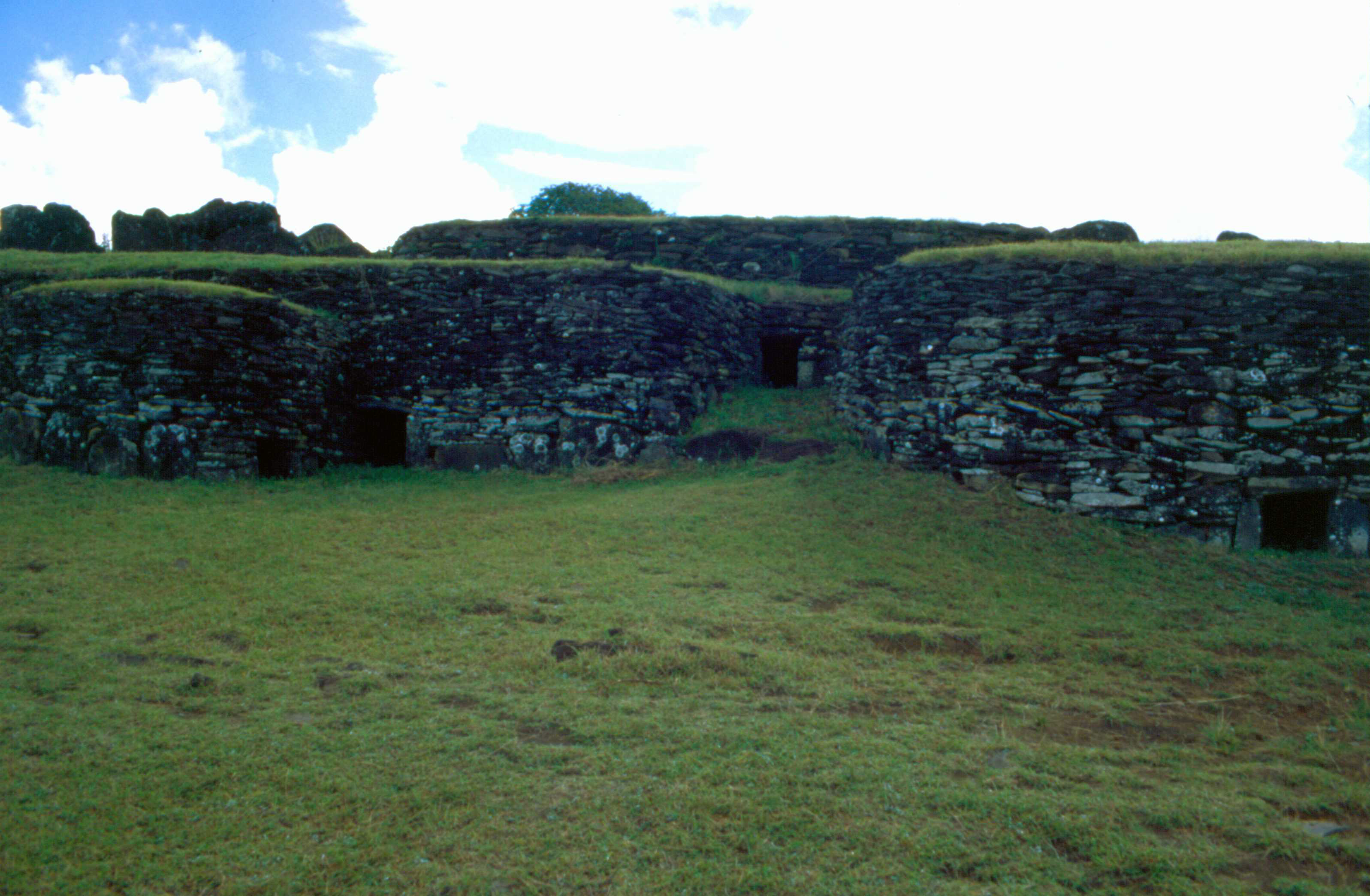
Orongo
Explore this archaeological site.