Explore the Map
Pilauco Bajo
-40.5700° N, -73.1039° E
About
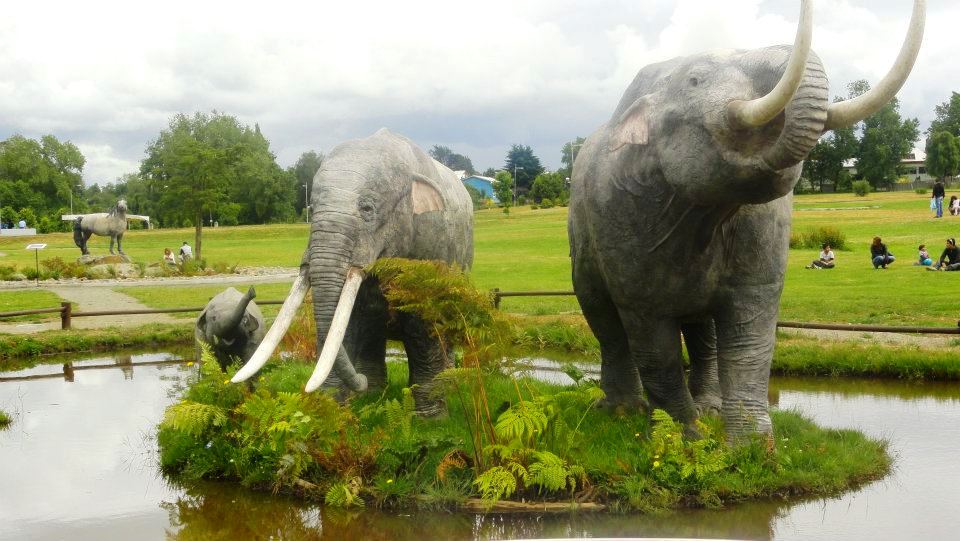
The Pilauco site in Osorno, Southern Chile, is an important paleontological and archaeological location dating back to the Upper Paleolithic. It features a unique blend of human-made lithic artifacts and remains of megafauna, such as gomphotheres, indicating human activity in the late Pleistocene between 16,400 and 12,800 years ago. The artifacts, primarily made of volcanic rock like dacite and rhyolite, were transported to the site by humans, as local rivers did not carry these materials. The site has also been associated with the controversial Younger Dryas impact hypothesis. Excavations have uncovered a wealth of ecofacts, including bones, teeth, and seeds, providing critical insights into the environment and biodiversity of the period. Pilauco stands as a testament to the complex interactions between early humans and their changing ecosystems.
Gallery
Explore photographs of ancient structures, artifacts, and archaeological excavations
Historical Timeline
Journey through time and discover key events in this site's history
Human and Megafauna Activity
16,400 BCE, 12,800 BCE
Archaeological Features
Unique architectural and cultural elements found at this historical site
Environmental and Natural Features
Frequently Asked Questions
Plan Your Visit
Tours, travel arrangements, and practical information
More Sites in Chile
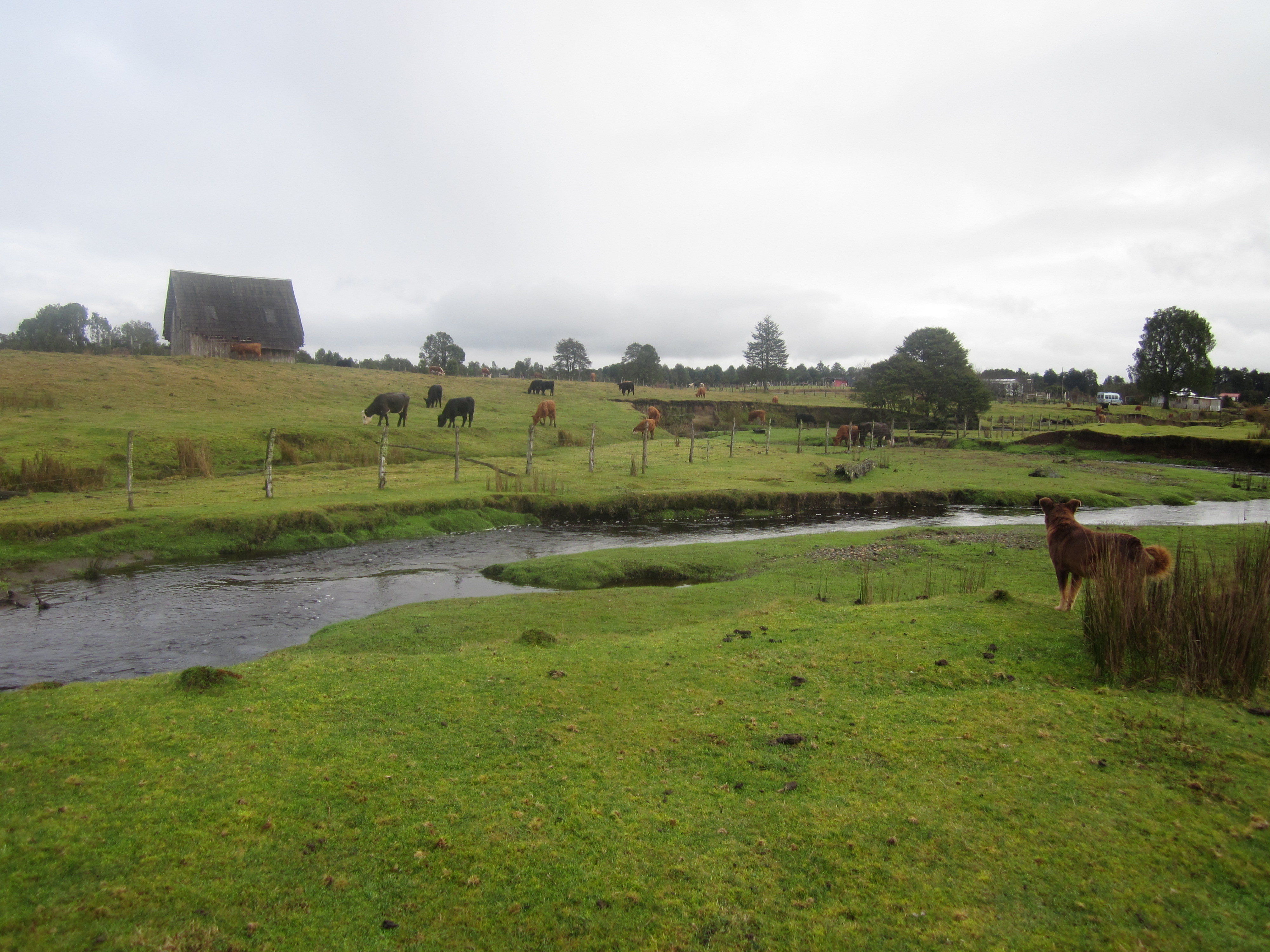
Monte Verde
Pre-Clovis campsite with organic preservation
Cuz Cuz
Ancient village with significant petroglyphs.
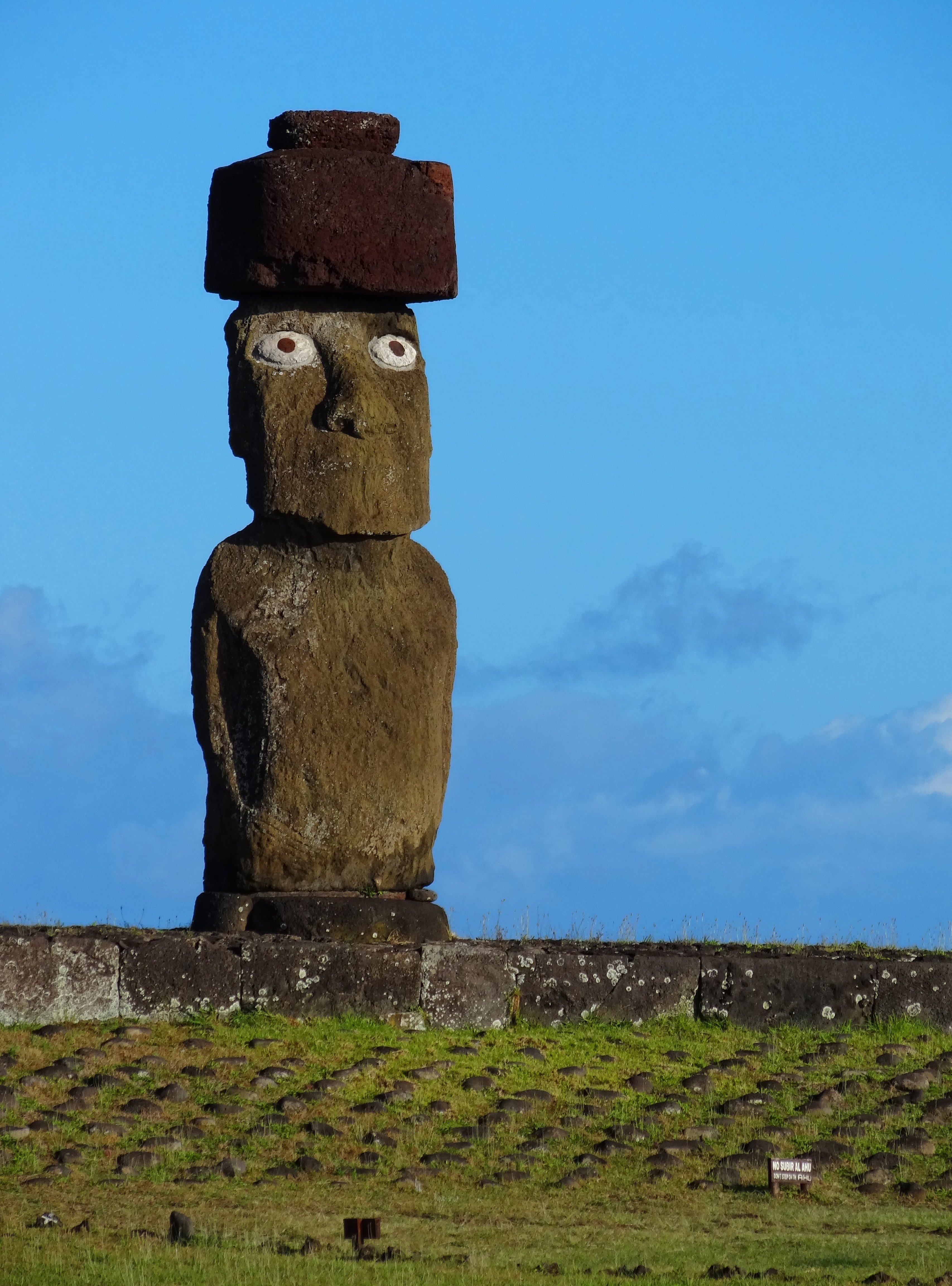
Tahai
Rapa Nui ceremonial complex (ahu) on Easter Island, Chile
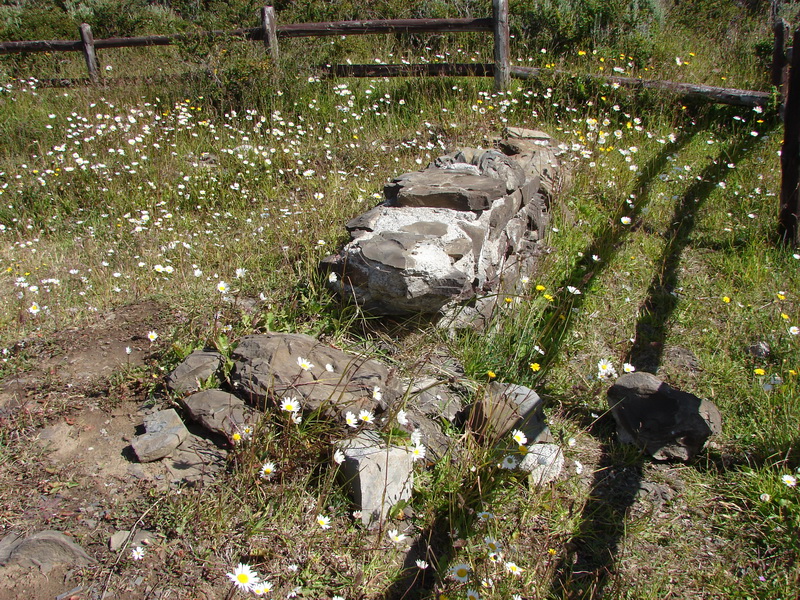
Puerto del Hambre
Historic settlement site in Patagonia, Chile.
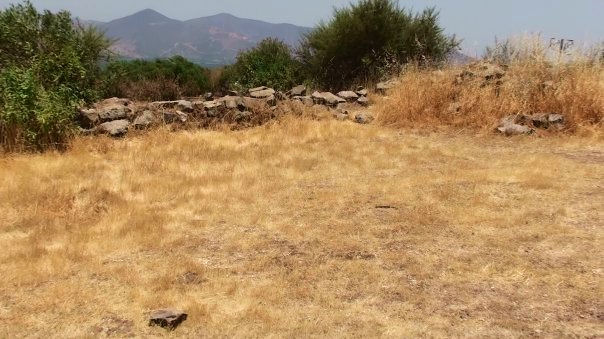
Huaca de Chena
Inca fortress and astronomical observatory in Chile
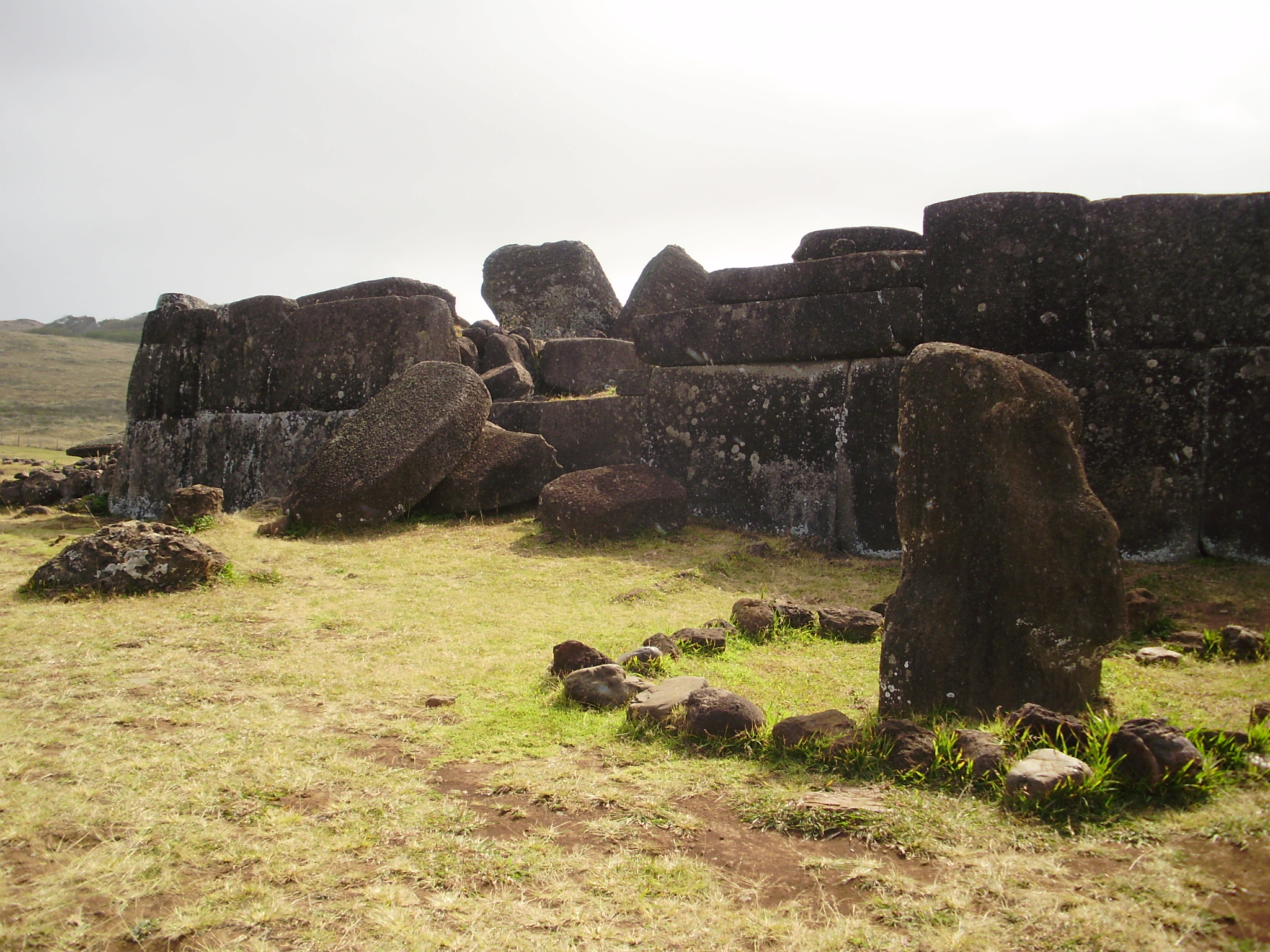
Ahu Vinapu
Extraordinary basalt slab stonemasonry ahu.