Explore the Map
Cuz Cuz
-31.6500° N, -71.2333° E
About
Cuz Cuz is a historically significant archaeological site located in Chile's Coquimbo Region, near Illapel. The site offers a deep glimpse into the human occupation stretching back to the Paleoindian Period, approximately 12,000 years ago, with evidence of large animal hunters. Over time, it transitioned through various cultural phases, including the Archaic, El Molle, Las Ánimas, and Diaguita cultures, showcasing a shift from hunter-gatherer societies to more complex agricultural communities. The site is renowned for its extensive petroglyphs, linked to the El Molle culture, which likely served as part of an expansive ancient astronomical observatory. The Incas also established control over the area before Spanish colonization. Cuz Cuz holds historical significance as the signing location of the Treaty of Cuz-Cuz in 1829, which ended the Chilean Civil War.
Historical Timeline
Journey through time and discover key events in this site's history
Paleoindian Settlement
12000 BCE
Archaic Period
8000 BCE
El Molle Culture
130 CE to 700 CE
Las Ánimas Phase
800 CE to 1000 CE
Diaguita Culture
1000 CE to 1536 CE
Inca Conquest
1536 CE
Treaty of Cuz-Cuz
1829 CE
Archaeological Features
Unique architectural and cultural elements found at this historical site
Artistic and Decorative Features
Domestic and Habitation Structures
Astronomical and Timekeeping Structures
Frequently Asked Questions
Plan Your Visit
Tours, travel arrangements, and practical information
More Sites in Chile
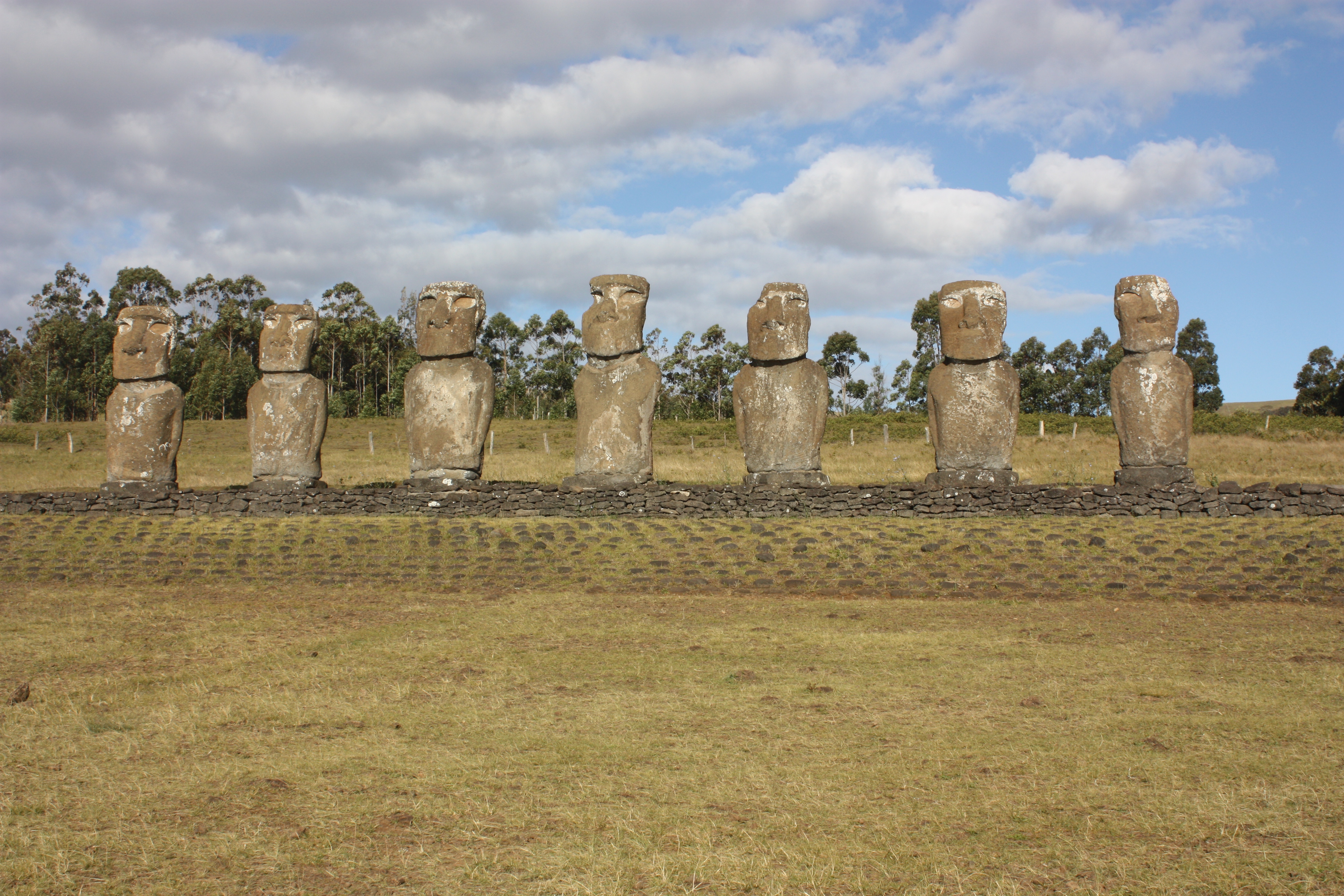
Ahu Akivi
Astronomically aligned moai on Easter Island
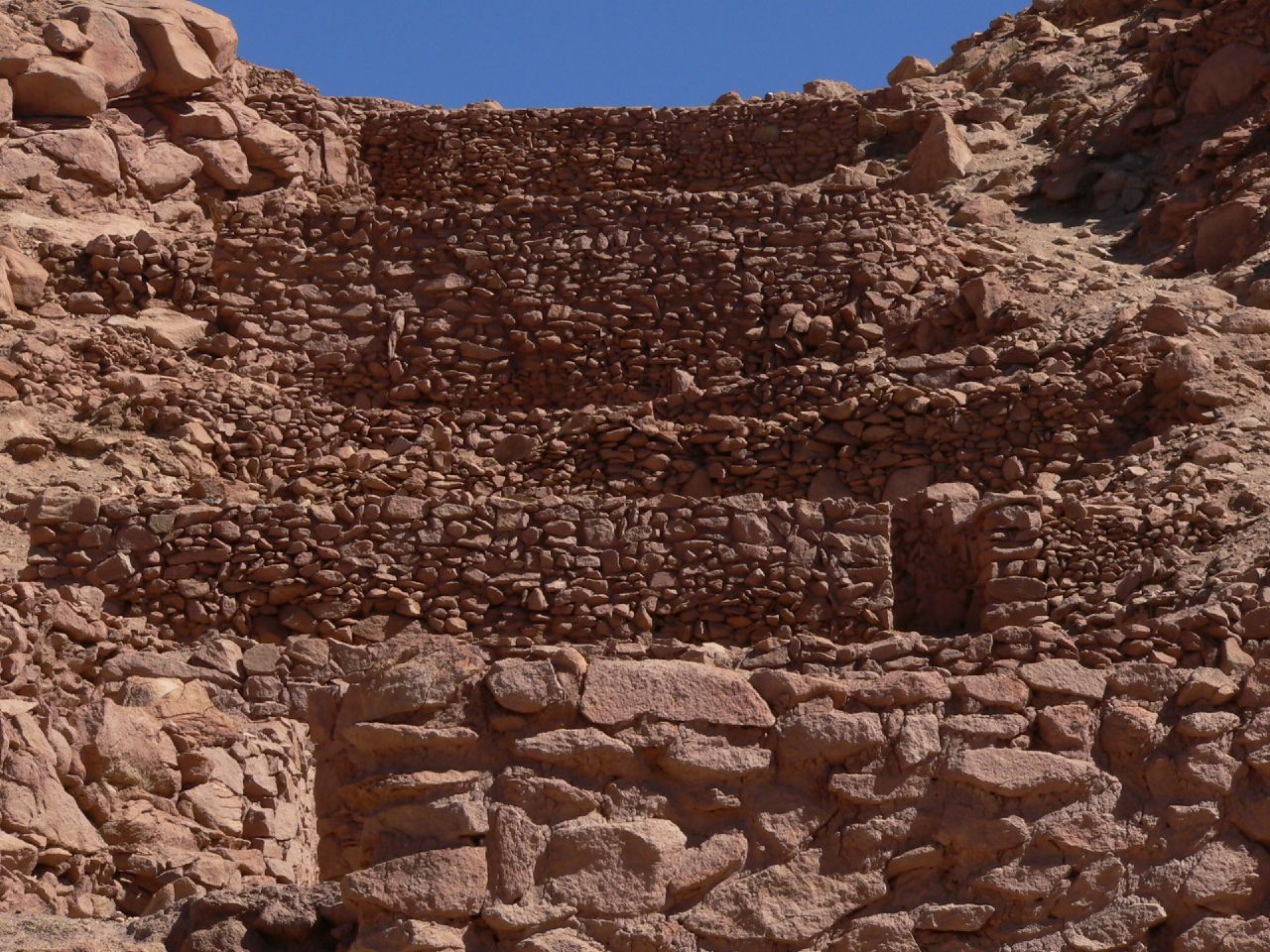
Tulor
Mud-built circular village with stratigraphy insights
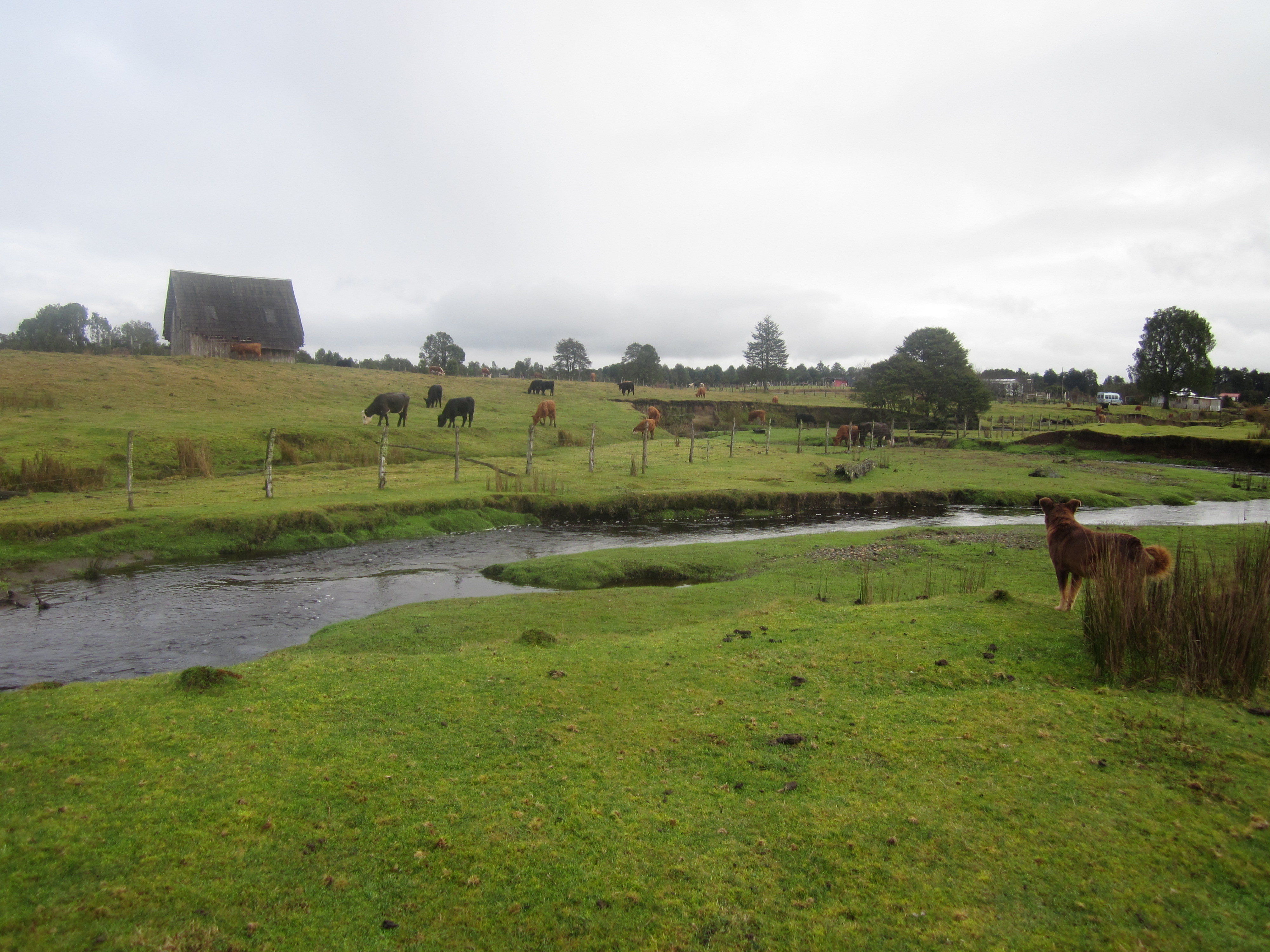
Monte Verde
Pre-Clovis campsite with organic preservation
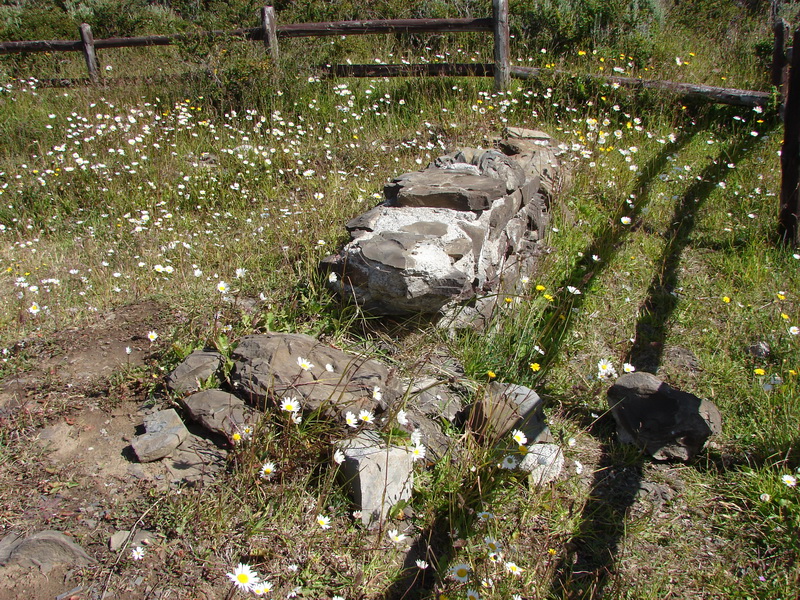
Puerto del Hambre
Historic settlement site in Patagonia, Chile.
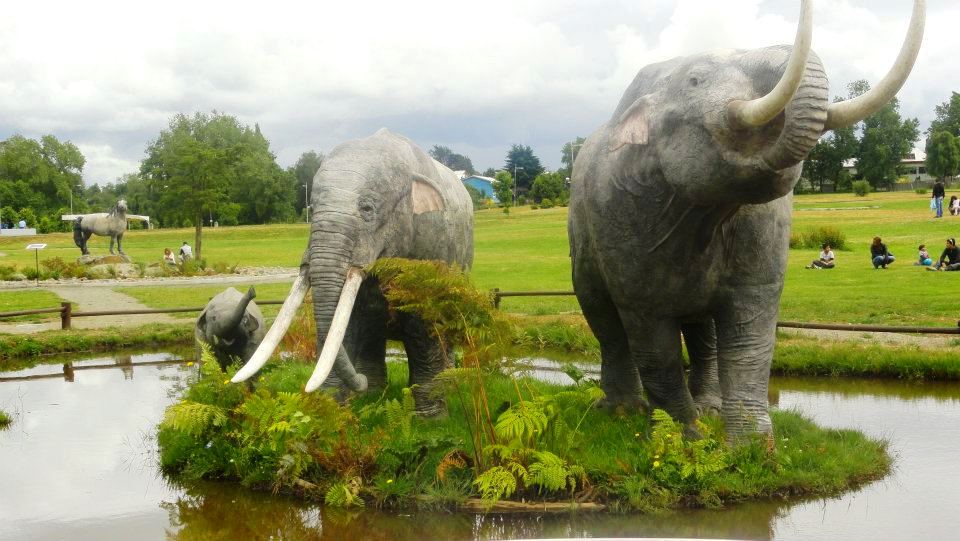
Pilauco Bajo
Pleistocene site with lithic artifacts and megafauna
Atacama Giant
Large prehistoric anthropomorphic geoglyph in Chile.