Time Periods
Paleolithic
Mesolithic
Neolithic
Chalcolithic
Bronze Age
Iron Age
Classical Period
Post-Classical Period
Early Modern Period
Industrial Period
Contemporary Period
Time Periods
Paleolithic
Mesolithic
Neolithic
Chalcolithic
Bronze Age
Iron Age
Classical Period
Post-Classical Period
Early Modern Period
Industrial Period
Contemporary Period
Location
About
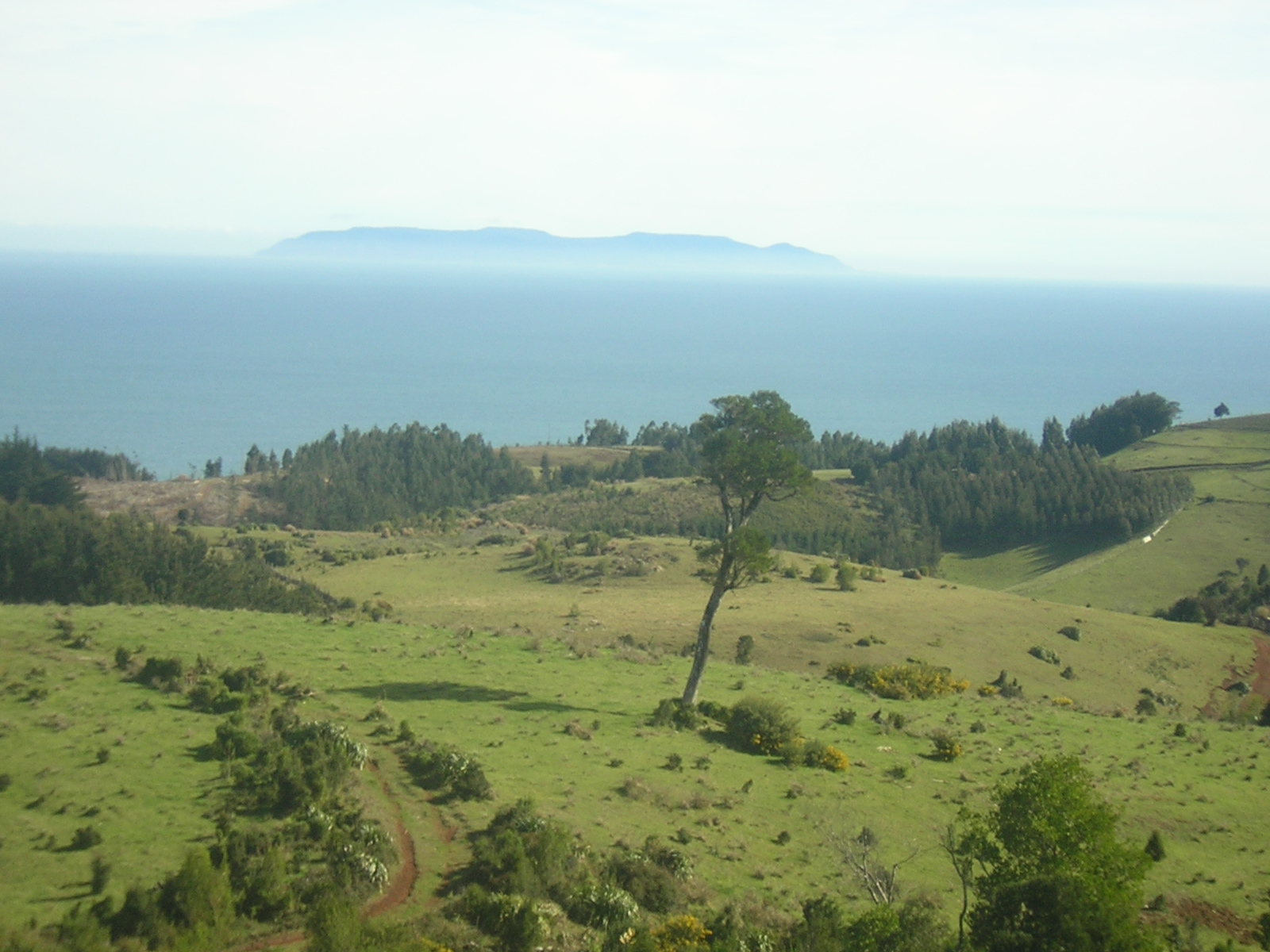
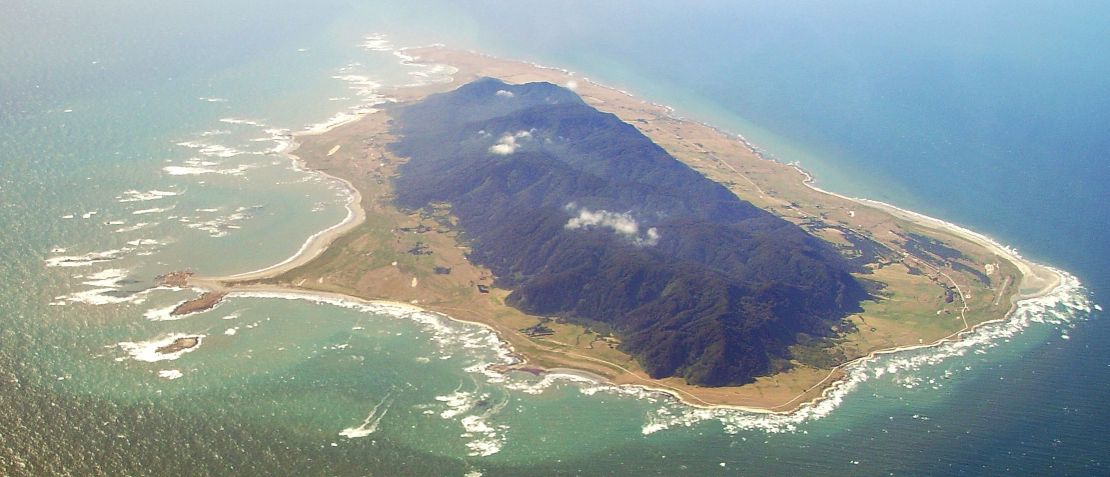
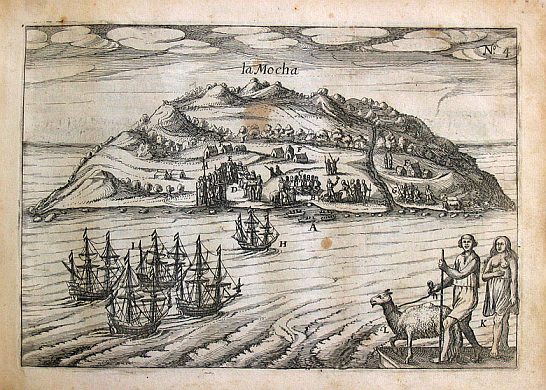
Mocha Island is a historically significant site located off the coast of Chile, known for its association with European explorers and indigenous Mapuche culture. First documented by European explorer Juan Bautista Pastene in 1544, the island served as a crucial point of interest during the age of exploration, with notable visits from figures such as Francis Drake and Olivier van Noort. Archaeologically, the island provides insights into the Mapuche use of chilihueques as plough animals, as observed by Dutch captain Joris van Spilbergen in 1614. The island also holds historical significance due to the relocation of its Mapuche inhabitants in the late 17th century. Additionally, the discovery of Polynesian-featured skulls suggests broader cultural interactions. Mocha Island serves as a vibrant testament to the region's complex historical narrative and its role as a cultural crossroads.
Gallery
Explore photographs of ancient structures, artifacts, and archaeological excavations at Mocha Island
Archaeological Features
Explore the unique architectural and cultural elements found at this historical site
Burial and Funerary Structures
Historical Timeline
Journey through time and discover key events in this site's archaeological history
Plan Your Visit
Details
- Country
- Chile
- Source
- Wikipedia
More Sites in Chile
Salar de Punta Negra
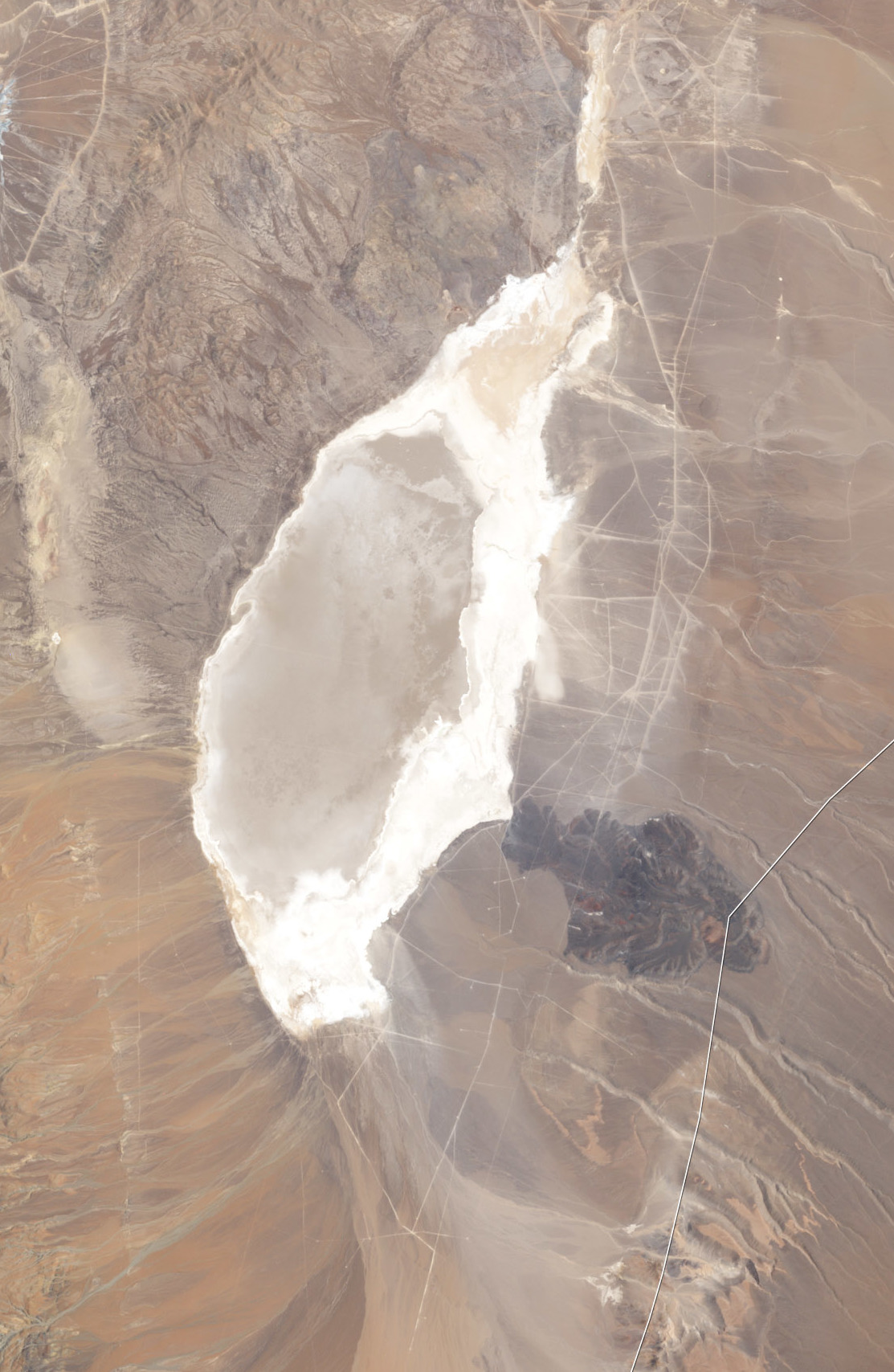
Saltpan with archaeological finds and historical significance
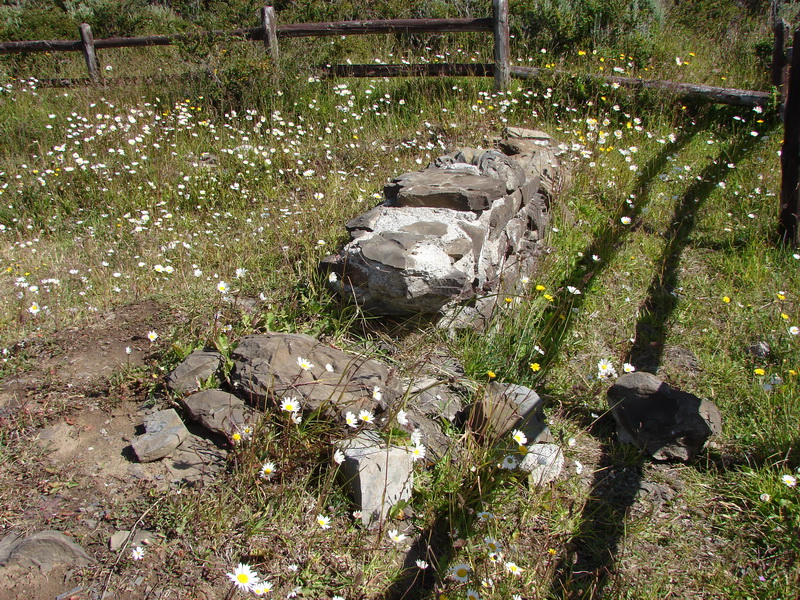
Puerto del Hambre
Historic settlement site in Patagonia, Chile.
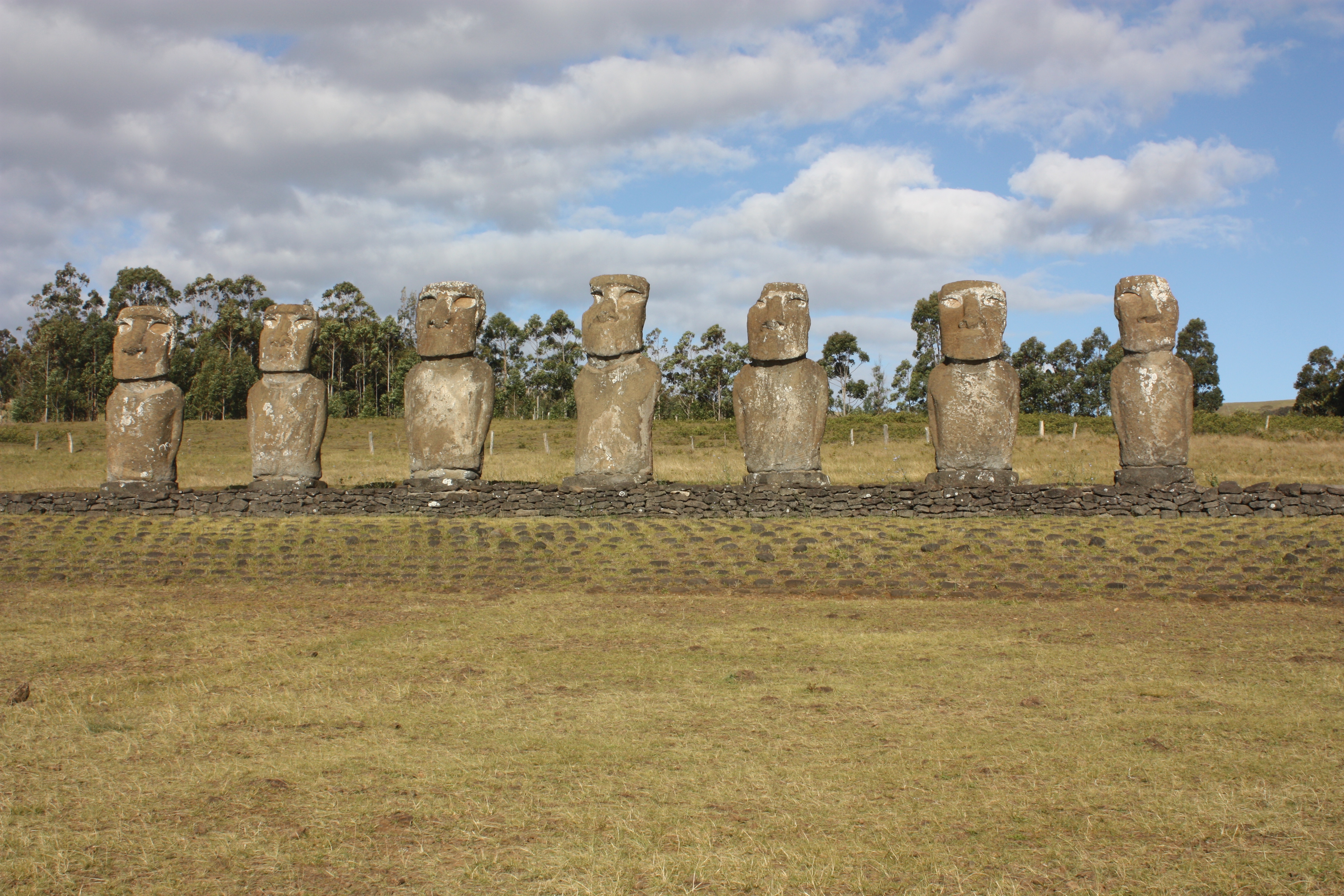
Ahu Akivi
Astronomically aligned moai on Easter Island
Cuz Cuz
Ancient village with significant petroglyphs.
Purén
Explore this archaeological site.
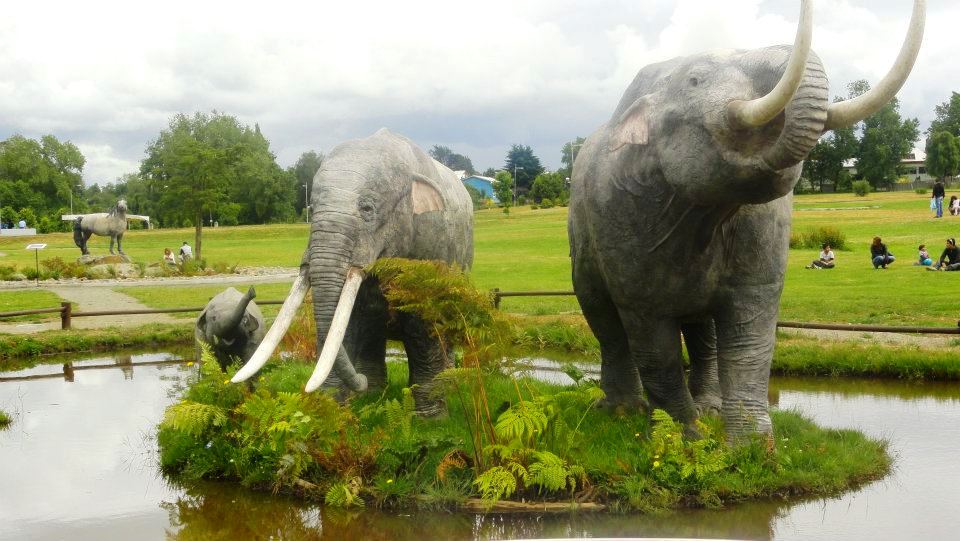
Pilauco Bajo
Pleistocene site with lithic artifacts and megafauna