Explore the Map
Anakena
-27.0739° N, -109.3228° E
About
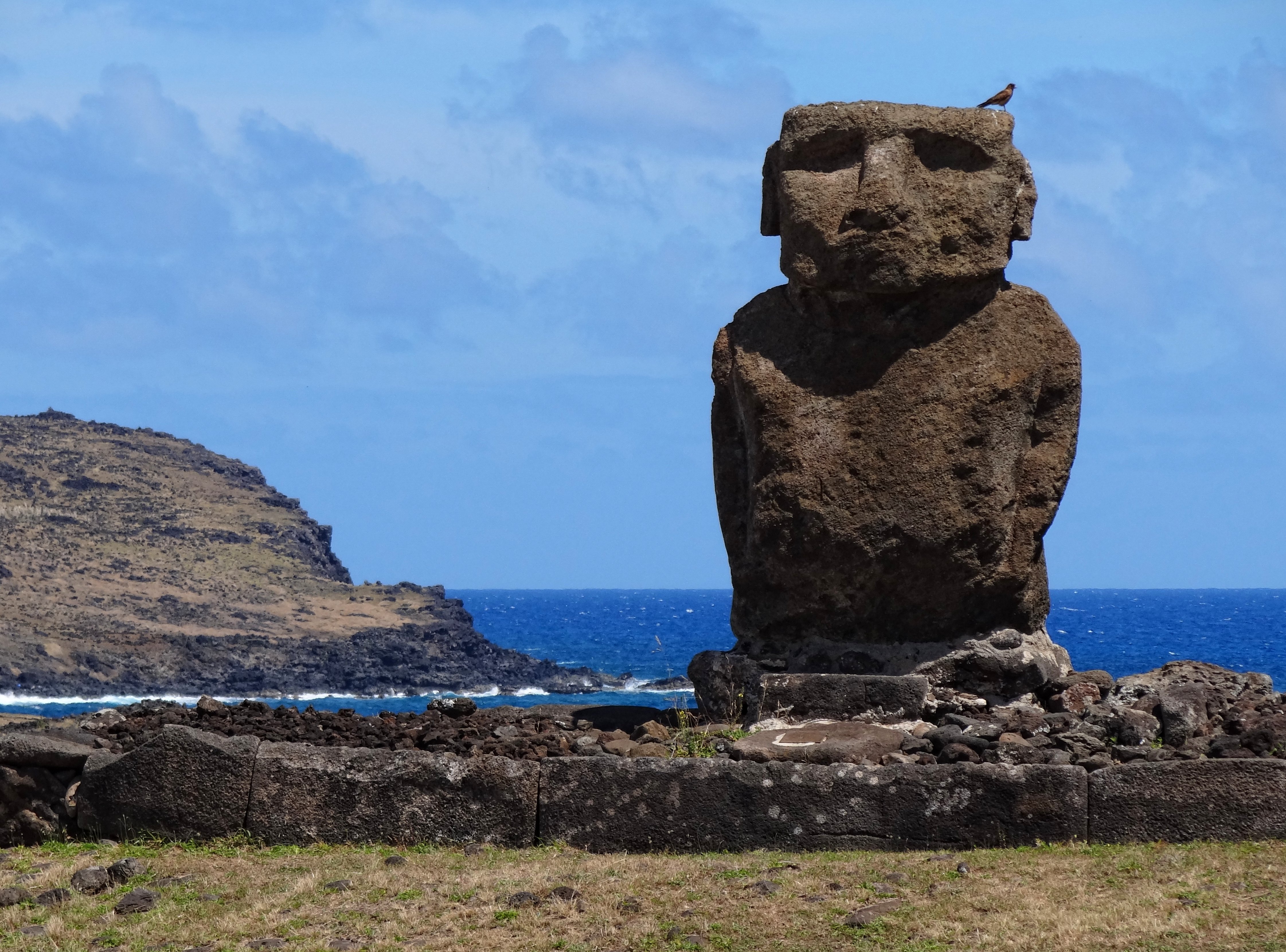
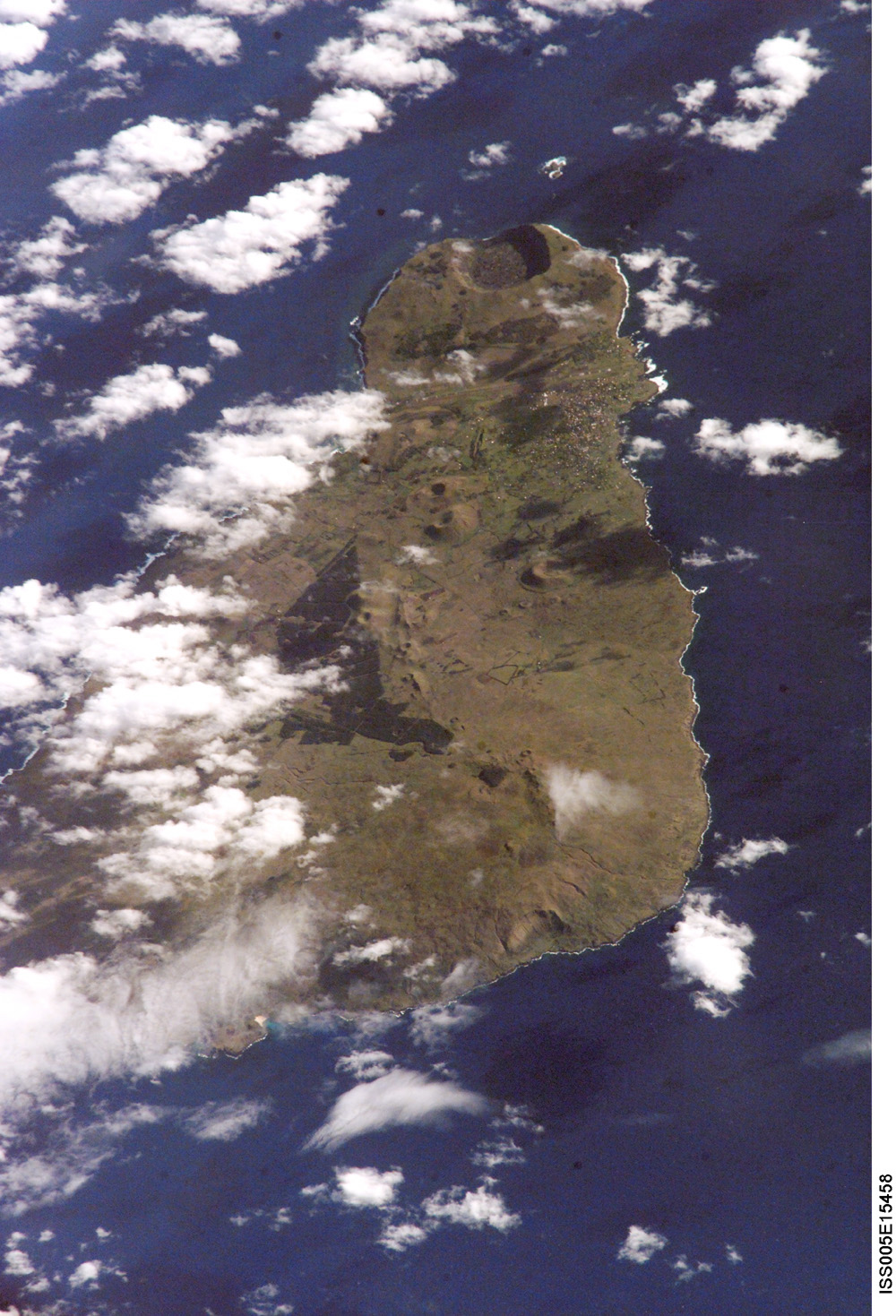
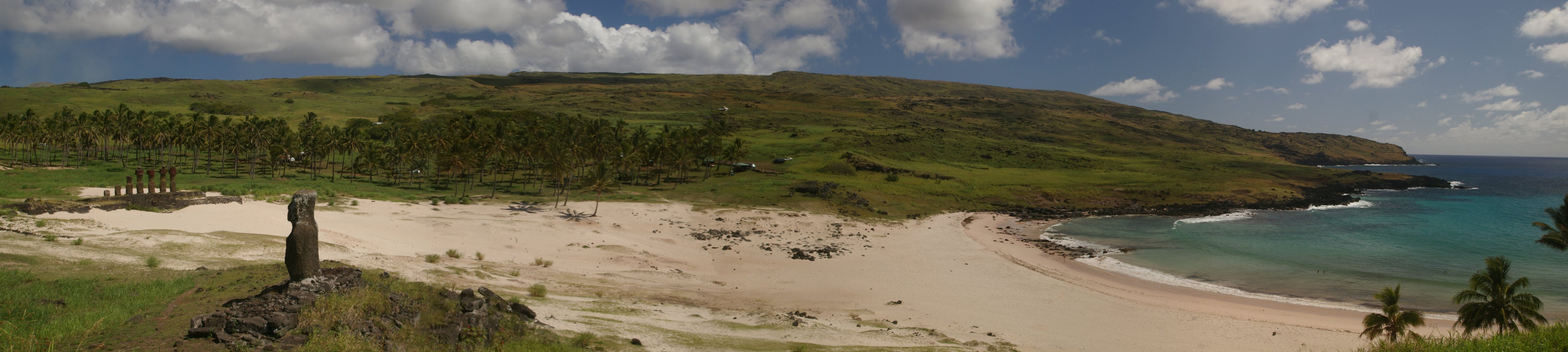
Anakena is a significant archaeological site located on Rapa Nui (Easter Island), known for its white coral sand beach and its historical importance as a potential landing site for the first Polynesian settlers led by Hotu Matu'a. This site features two ahu platforms: Ahu-Ature, which hosts a single moai, and Ahu Nao-Nao, which originally had seven moai, though two have deteriorated over time. Archaeological evidence suggests human settlement at Anakena as early as 1200 CE, with some analyses proposing a broader range from 300 to 1200 CE. Notably, this site served as a ceremonial center where islanders engaged with the Rongorongo script and participated in the Tangata manu or Birdman cult. Anakena's archaeological significance is amplified by its restored ceremonial platforms and moai statues, providing insight into the island's cultural and religious practices.
Gallery
Explore photographs of ancient structures, artifacts, and archaeological excavations
Historical Timeline
Journey through time and discover key events in this site's history
Possible earlier settlement range
300 CE, 1200 CE
First human settlement traces
1200 CE
Archaeological Features
Unique architectural and cultural elements found at this historical site
Religious and Ritual Structures
Artistic and Decorative Features
Frequently Asked Questions
Plan Your Visit
Tours, travel arrangements, and practical information


More Sites in Chile
Tulor
Mud-built circular village with stratigraphy insights
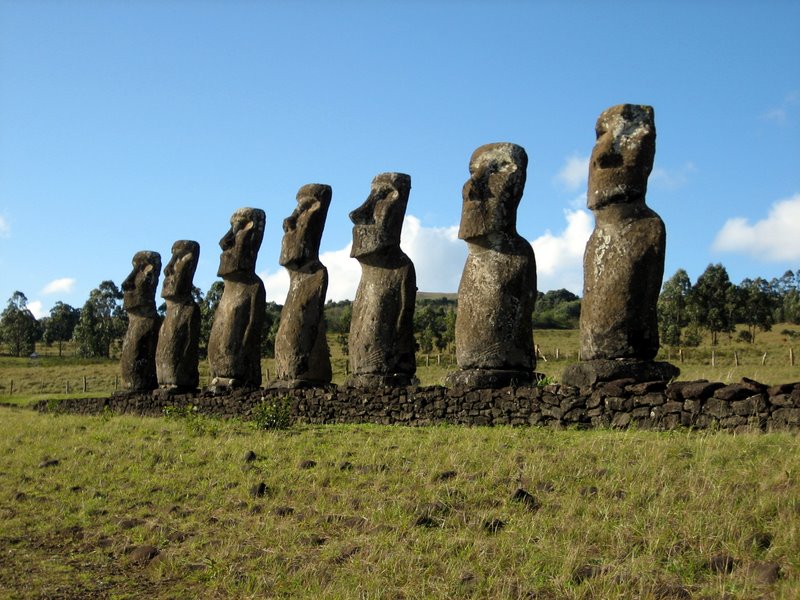
Rapa Nui National Park
Moai statues on remote Easter Island.
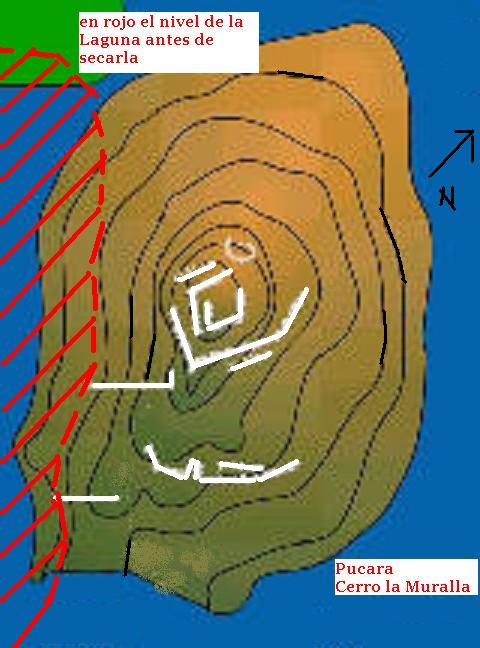
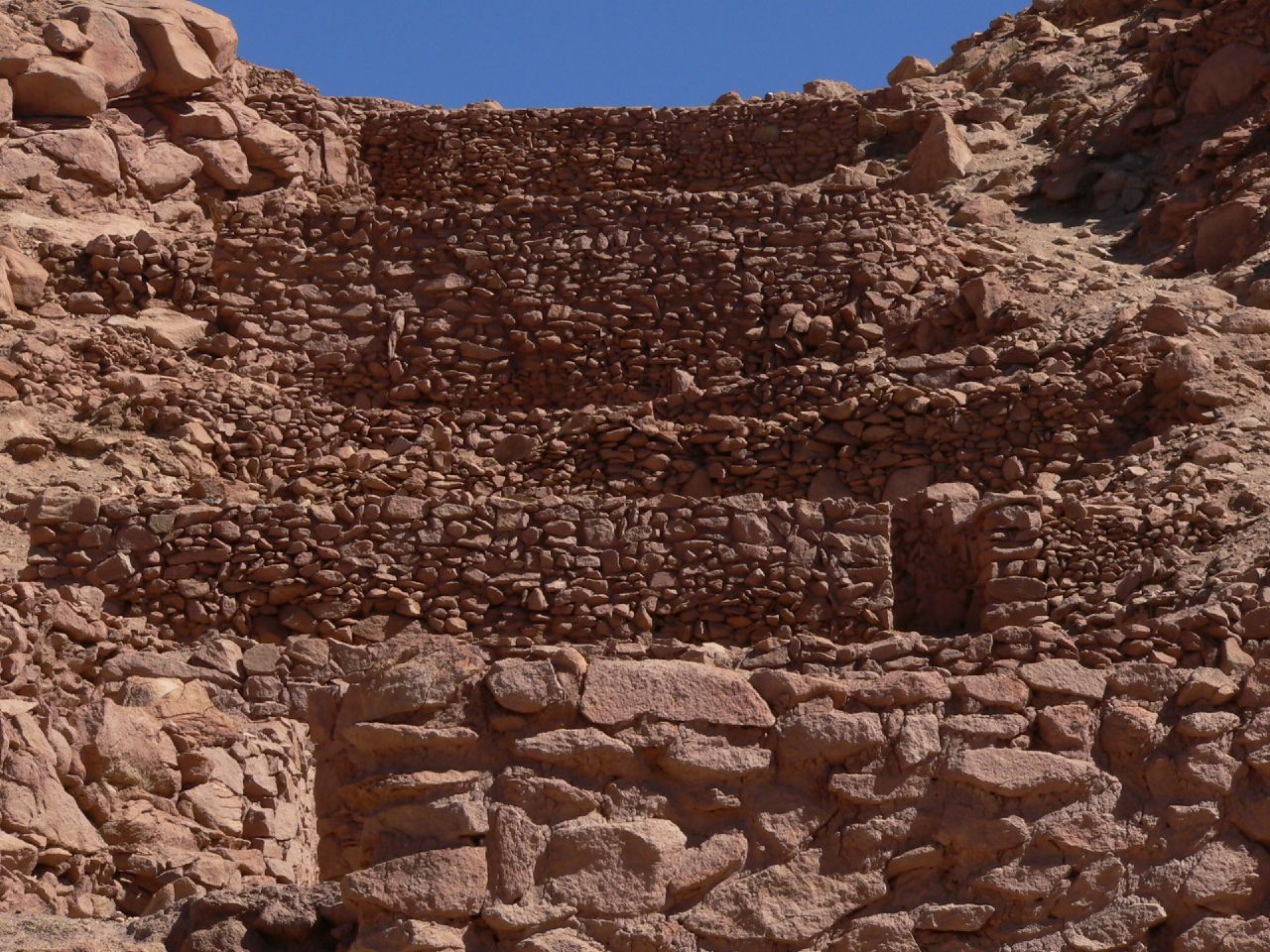
Pucara del Cerro La Muralla
Inca fortress with defensive walls and ceramics.
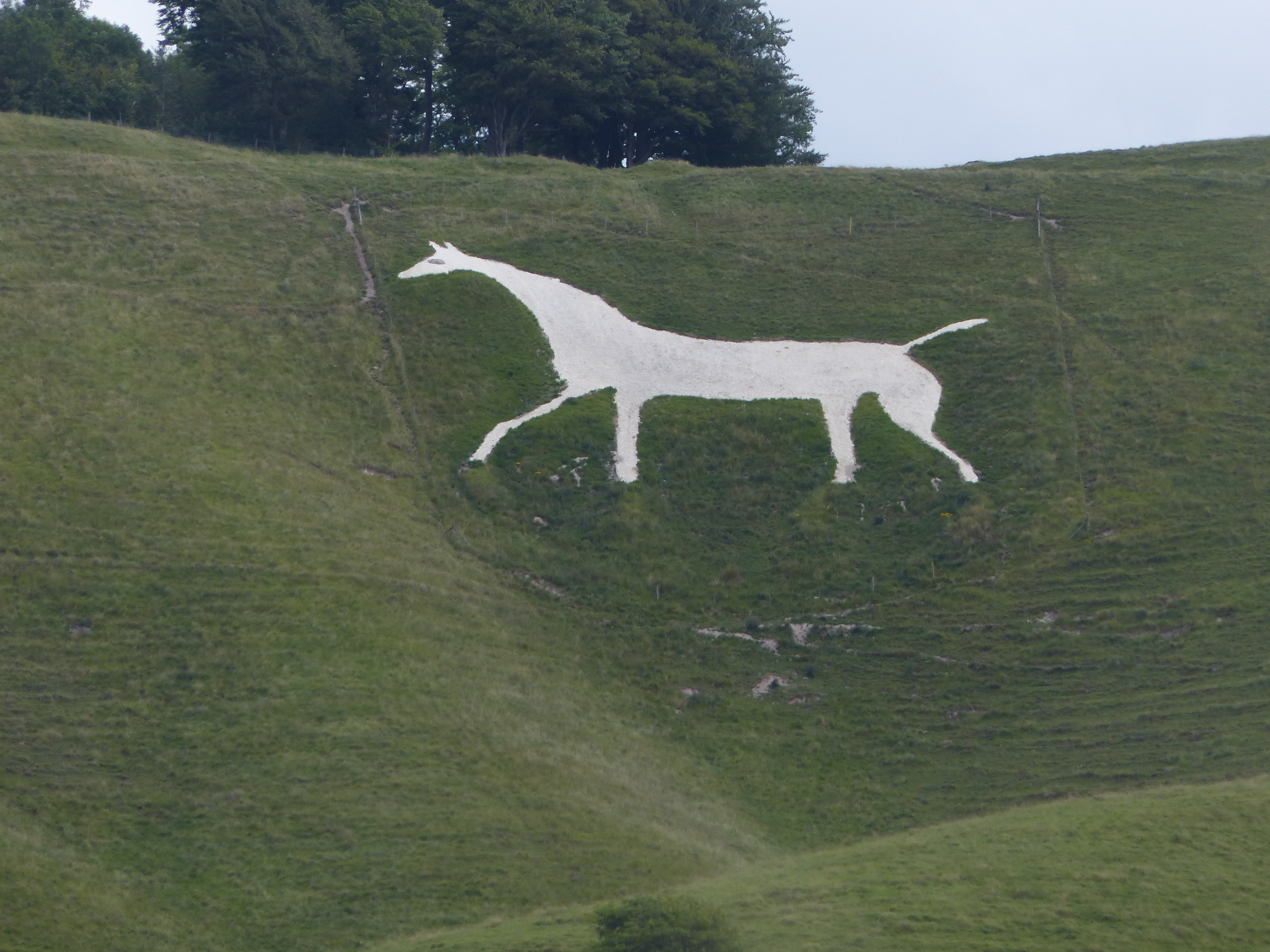
Atacama Giant
Large prehistoric anthropomorphic geoglyph in Chile.
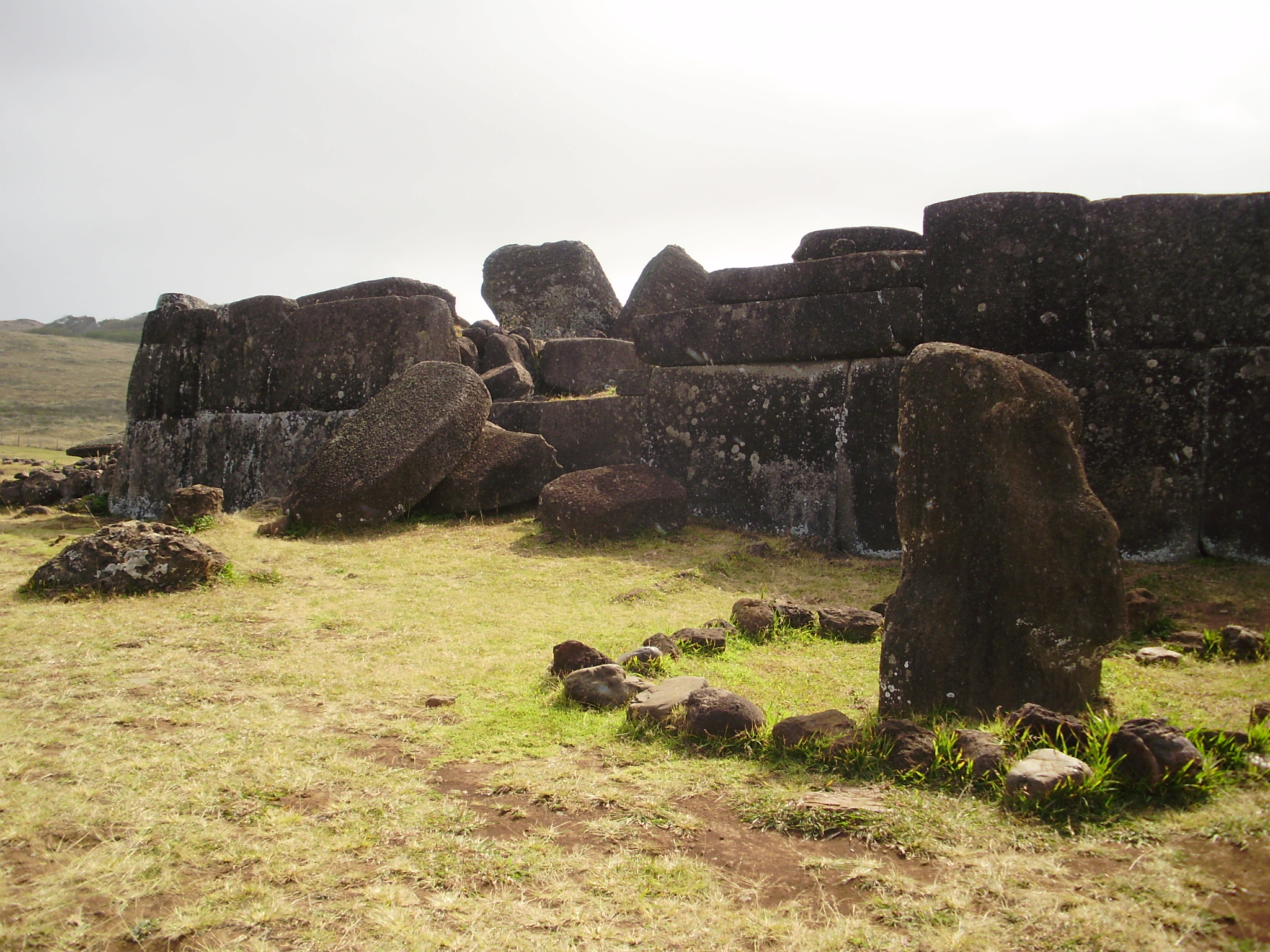
Ahu Vinapu
Extraordinary basalt slab stonemasonry ahu.
Cuz Cuz
Ancient village with significant petroglyphs.