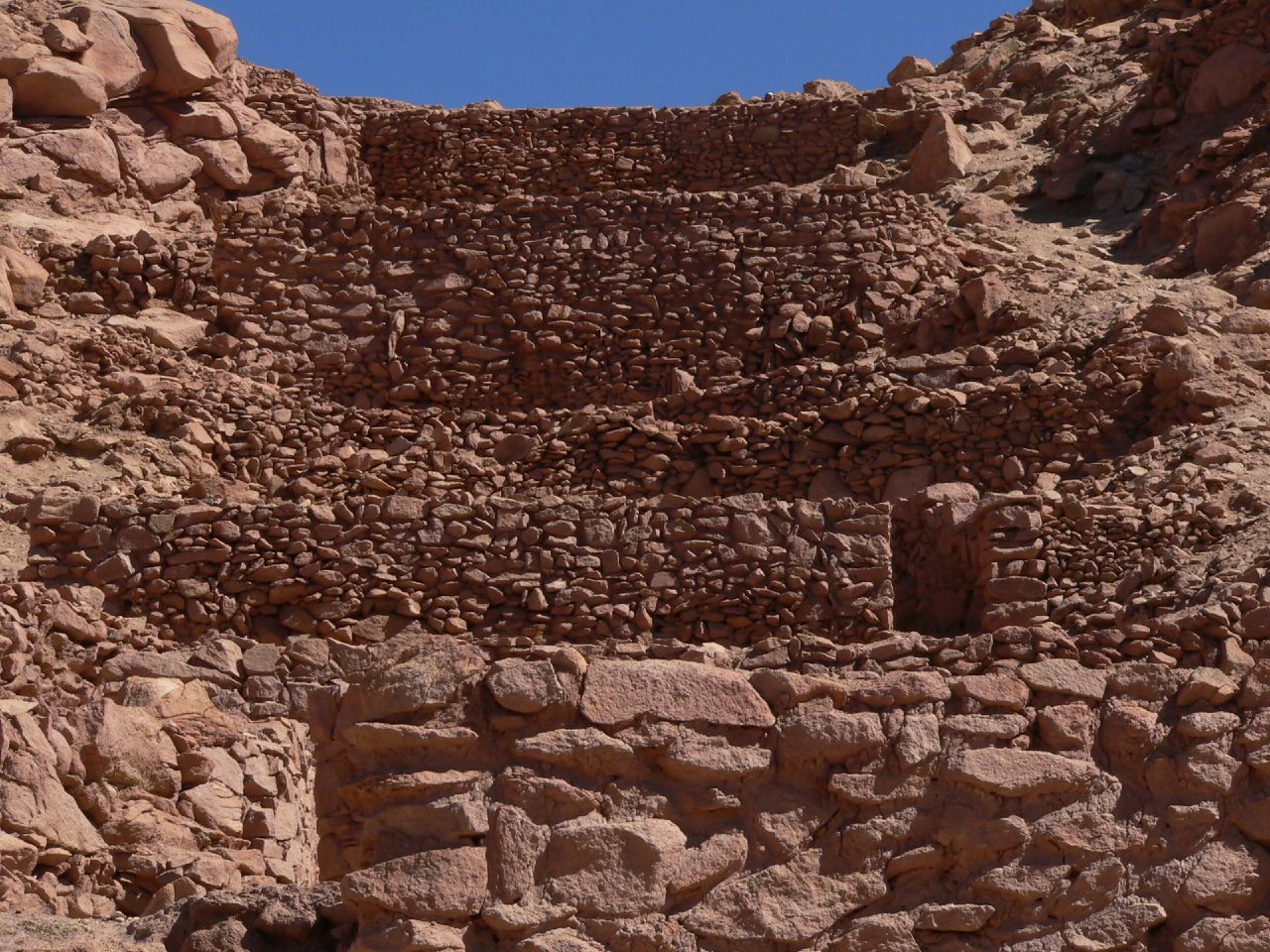
Explore the Map
Tulor
-22.9681° N, -68.2425° E
About
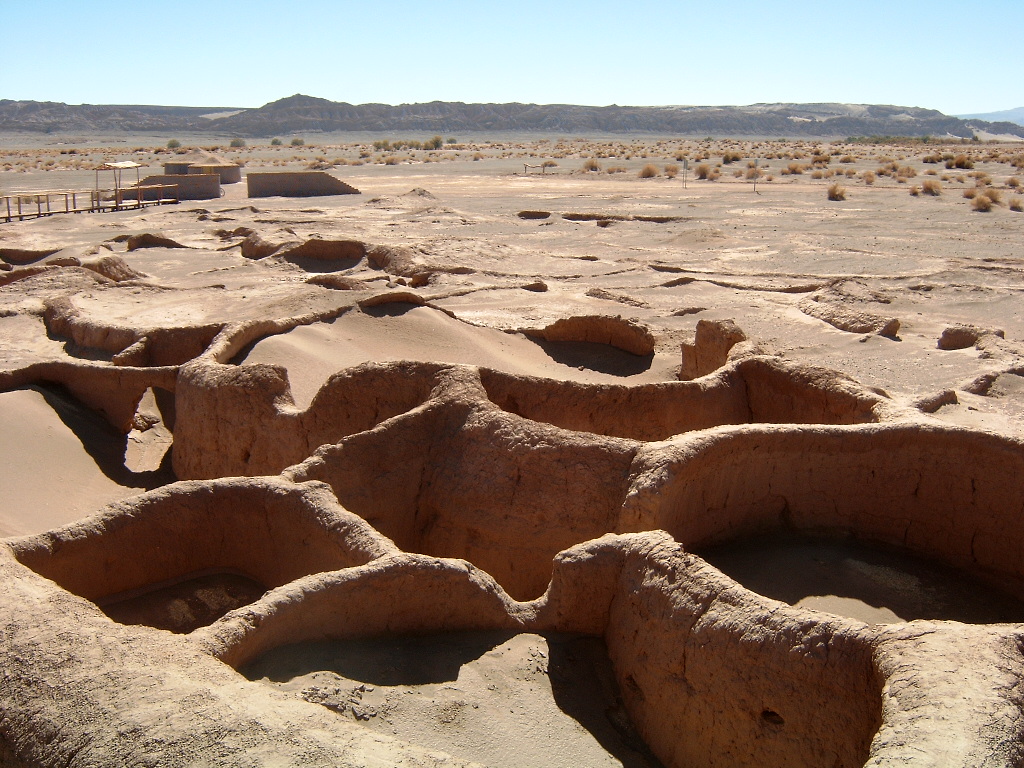
Tulor is an archaeological site located in the Antofagasta Region of Chile, near San Pedro de Atacama. It encompasses a former village complex spread over 5,200 square meters with 22 outlying edifices. The village is characterized by its distinctive circular mud walls, a hallmark of its architectural design. Dating from as early as 380 BCE, the site saw its most significant structural developments between 800 CE and 1200 CE. Archaeological excavations have unearthed a variety of artifacts, including lithic tools, human and animal bones, ceramics, and seashells, providing insights into the daily life and environmental challenges faced by its ancient inhabitants. The site has been recognized for its historical significance, appearing on the World Monuments Watch List of 100 Most Endangered Sites in both 1998 and 2006.
Gallery
Explore photographs of ancient structures, artifacts, and archaeological excavations
Historical Timeline
Journey through time and discover key events in this site's history
Settlement Origin
380 BCE
Main Construction Phase
800 CE - 1200 CE
Archaeological Features
Unique architectural and cultural elements found at this historical site
Water Management Features
Burial and Funerary Structures
Domestic and Habitation Structures
Frequently Asked Questions
Plan Your Visit
Tours, travel arrangements, and practical information
More Sites in Chile
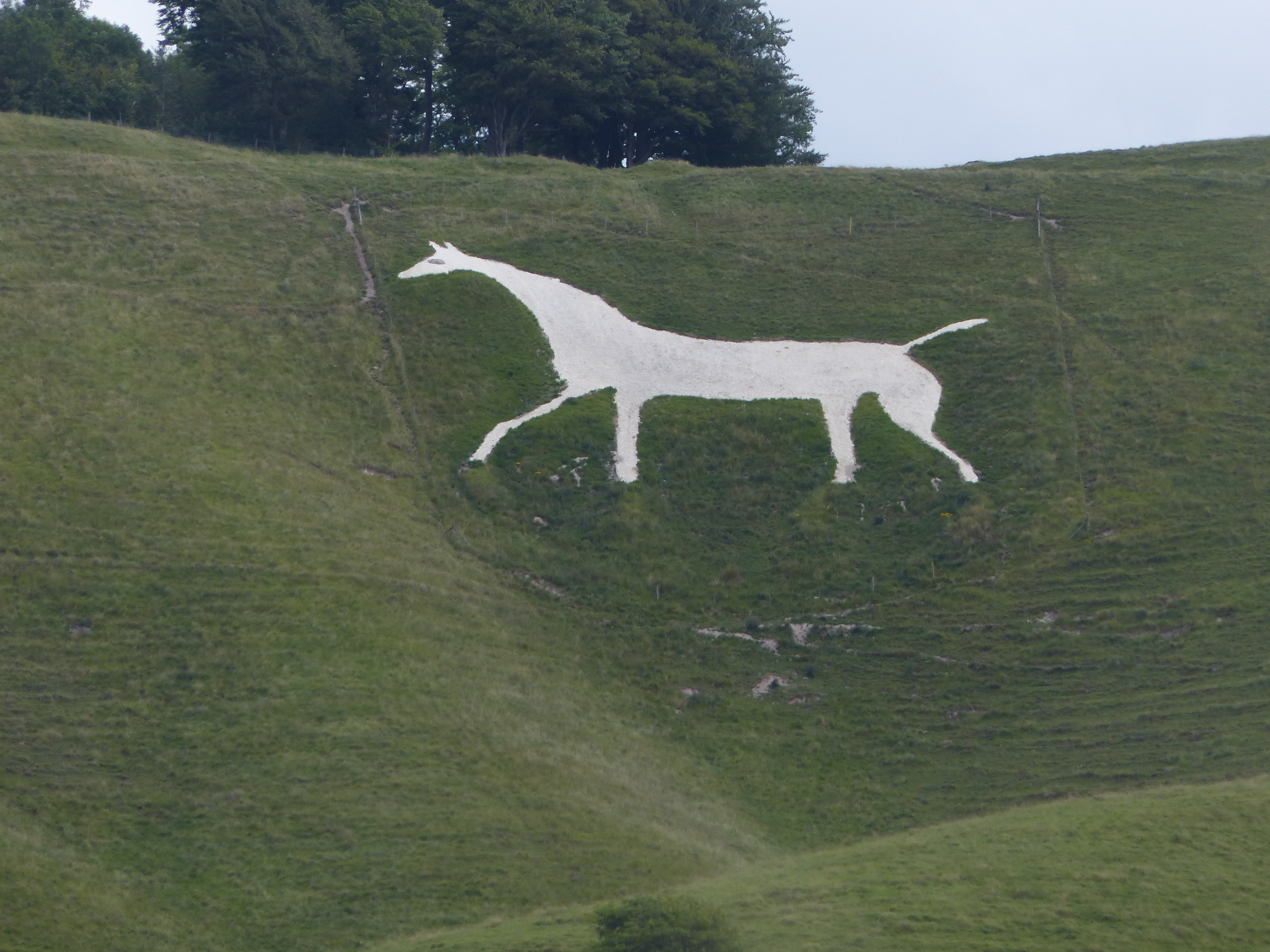
Atacama Giant
Large prehistoric anthropomorphic geoglyph in Chile.
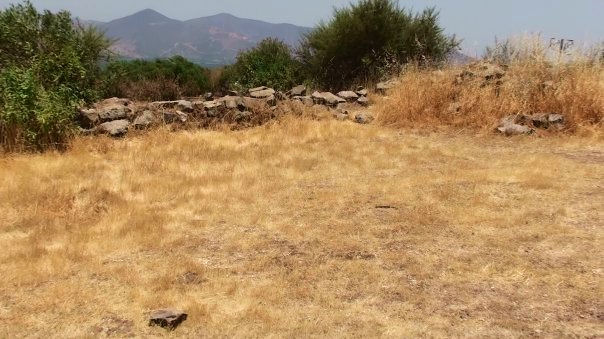
Huaca de Chena
Inca fortress and astronomical observatory in Chile
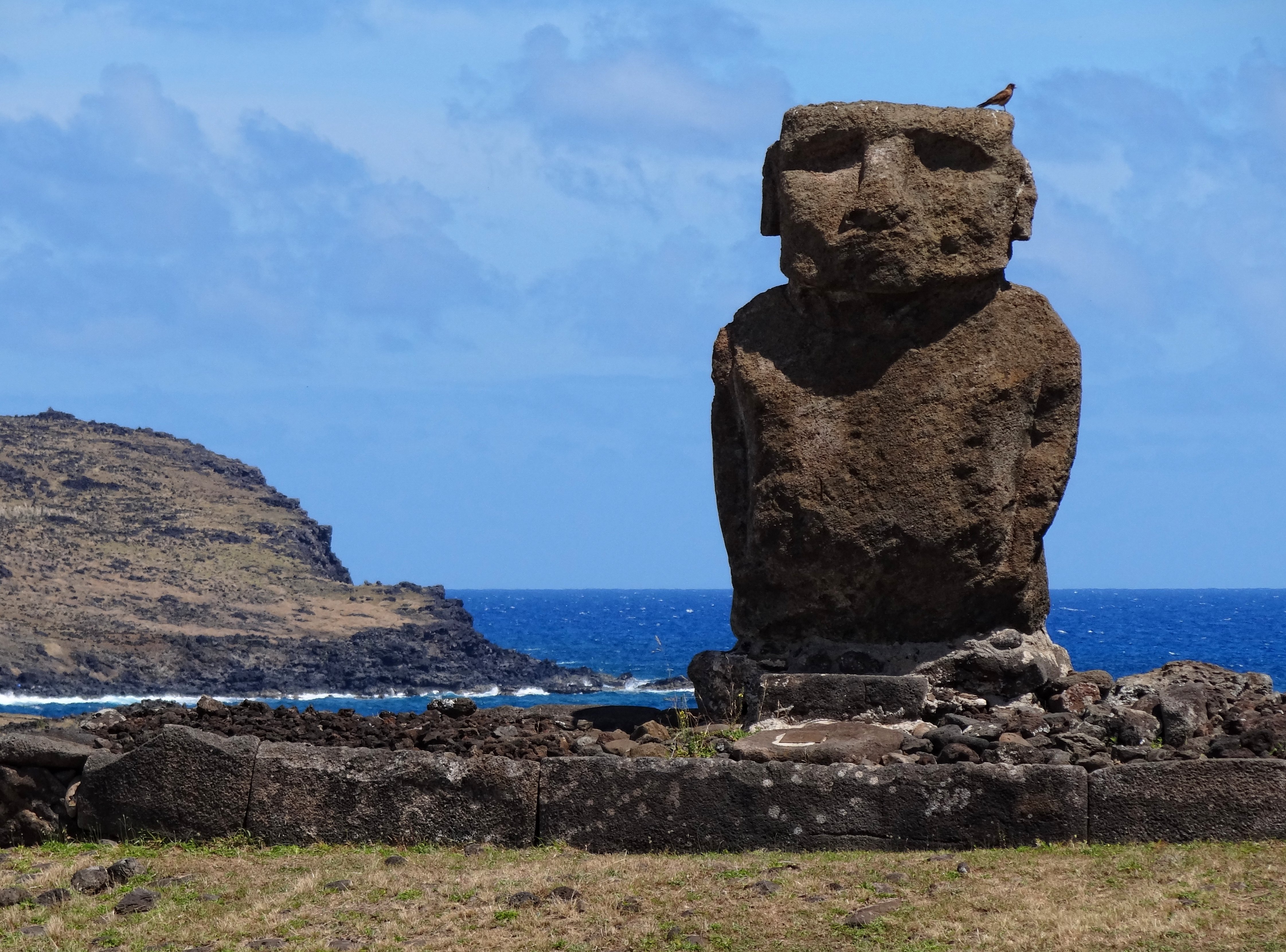
Anakena
White coral sand beach with ahu platforms.
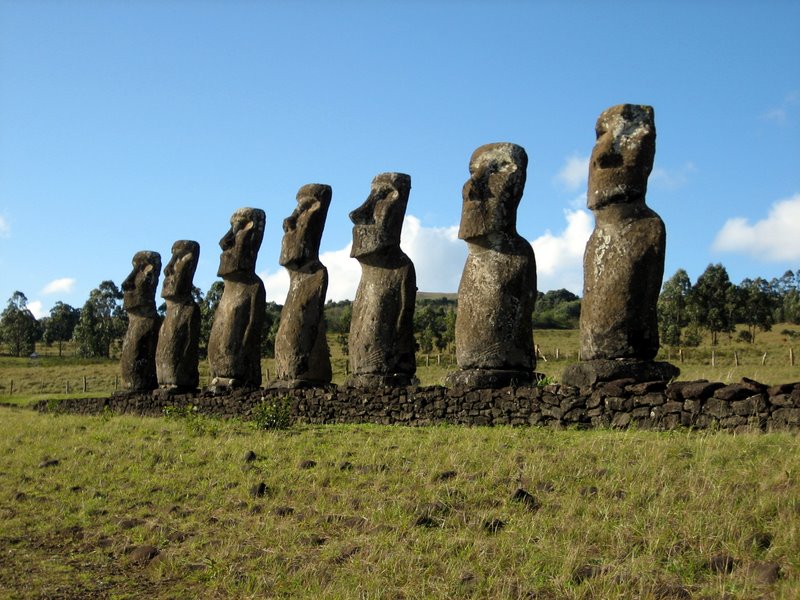
Rapa Nui National Park
Moai statues on remote Easter Island.
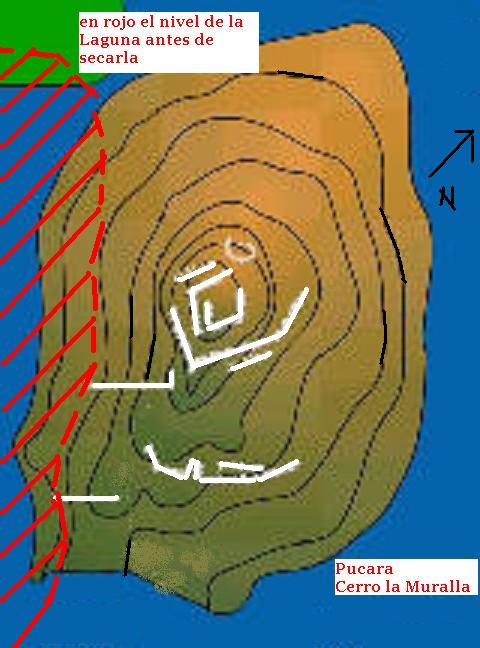
Pucara del Cerro La Muralla
Inca fortress with defensive walls and ceramics.
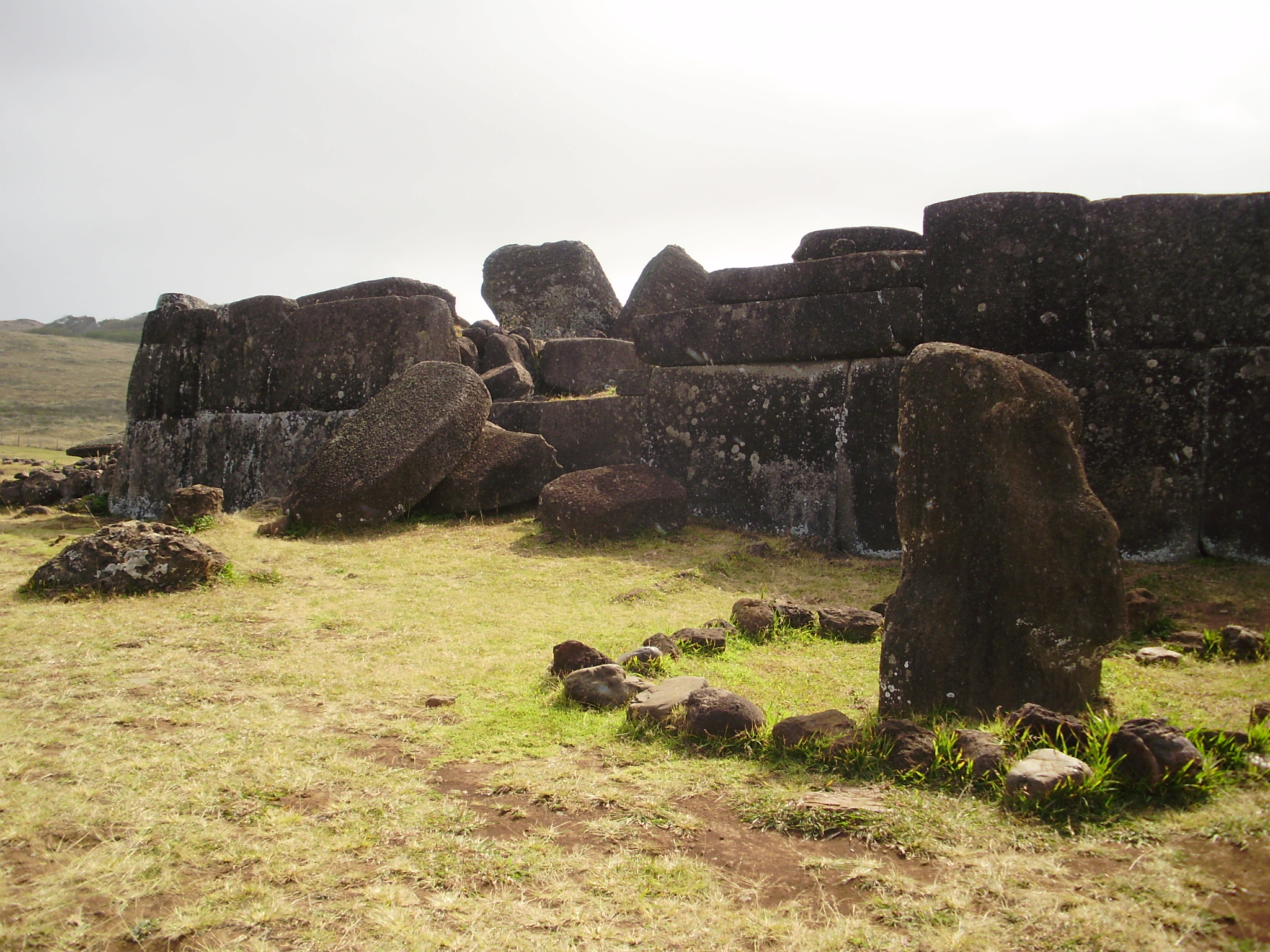
Ahu Vinapu
Extraordinary basalt slab stonemasonry ahu.