Explore the Map
Madre de Dios Island
-50.1028° N, -75.2439° E
About
Madre de Dios Island, located in the Magallanes Region of Chile, is a significant archaeological site characterized by its limestone composition, hosting numerous natural caves. These caves have revealed a trove of archaeological treasures, including whale skeletons dating back to between 2600 and 3500 years ago, found well above current sea levels, indicating changes in sea levels and human interaction with their environment. Additionally, in 2006, rock art was discovered in Cueva del Pacifico, adding to the cultural significance of the island. Indigenous Kaweskar people used some caves for burial purposes, with remains dating back approximately 4500 years, providing insights into their funerary practices. The island, now a protected nature reserve, offers a glimpse into both natural and human history, illustrating the complex interplay between the environment and human settlement over millennia.
Gallery
Explore photographs of ancient structures, artifacts, and archaeological excavations
Historical Timeline
Journey through time and discover key events in this site's history
Whale Skeletons Deposition
2600 BCE
Human Burial
4500 years ago
Archaeological Features
Unique architectural and cultural elements found at this historical site
Burial and Funerary Structures
Artistic and Decorative Features
Domestic and Habitation Structures
Environmental and Natural Features
Frequently Asked Questions
Plan Your Visit
Tours, travel arrangements, and practical information
More Sites in Chile
Cuz Cuz
Ancient village with significant petroglyphs.
Settlement and Artificial Mummification of the Chinchorro Culture in the Arica and Parinacota Region
<p>The property consists of three component parts: Faldeo Norte del Morro de Arica, Colón 10, both in the city of Arica, and Desembocadura de Camarones, in…
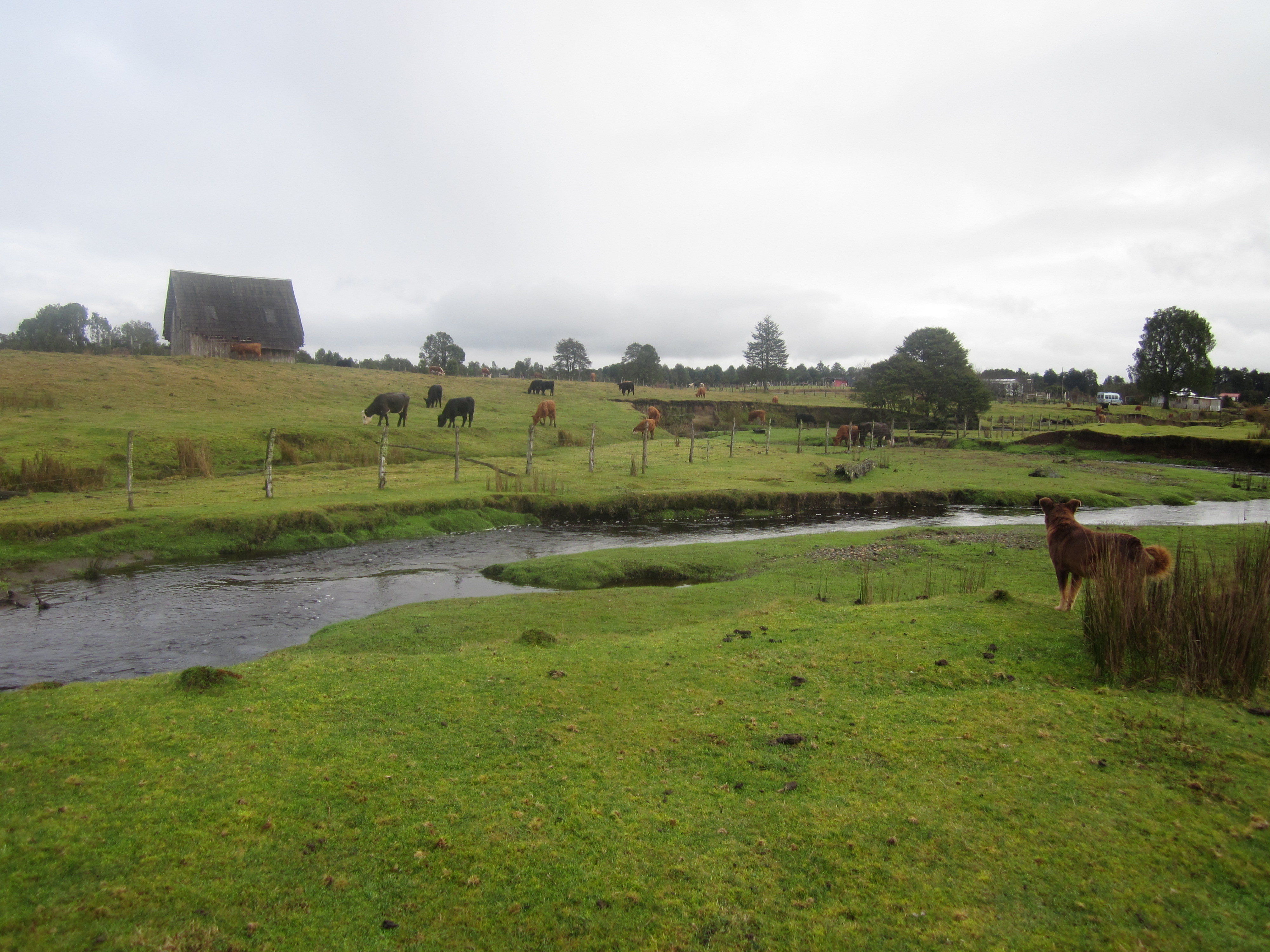
Monte Verde
Pre-Clovis campsite with organic preservation
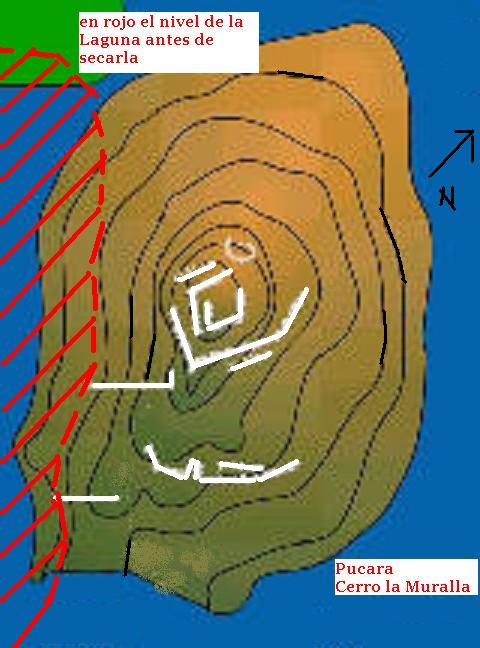
Pucara del Cerro La Muralla
Inca fortress with defensive walls and ceramics.
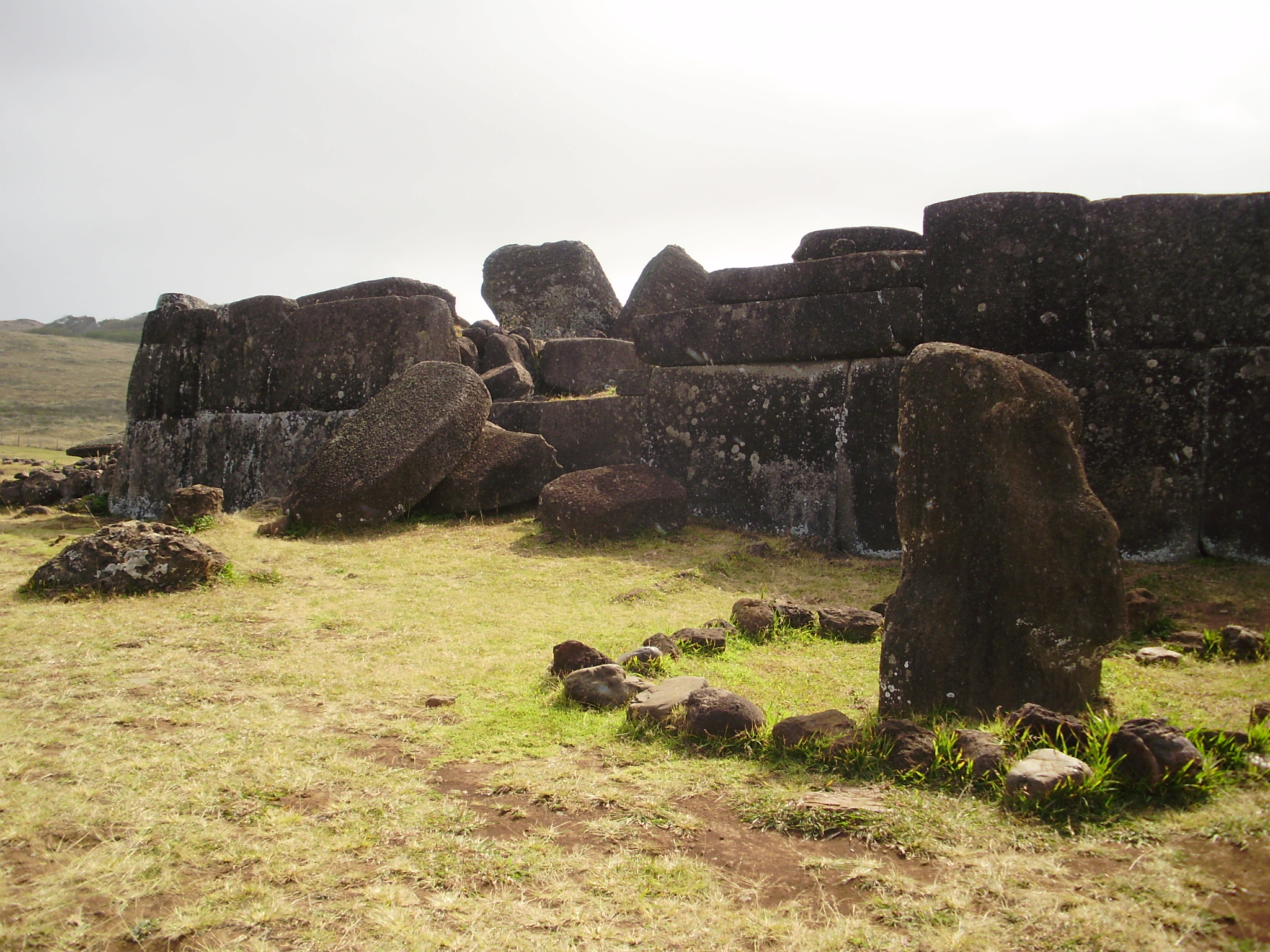
Ahu Vinapu
Extraordinary basalt slab stonemasonry ahu.
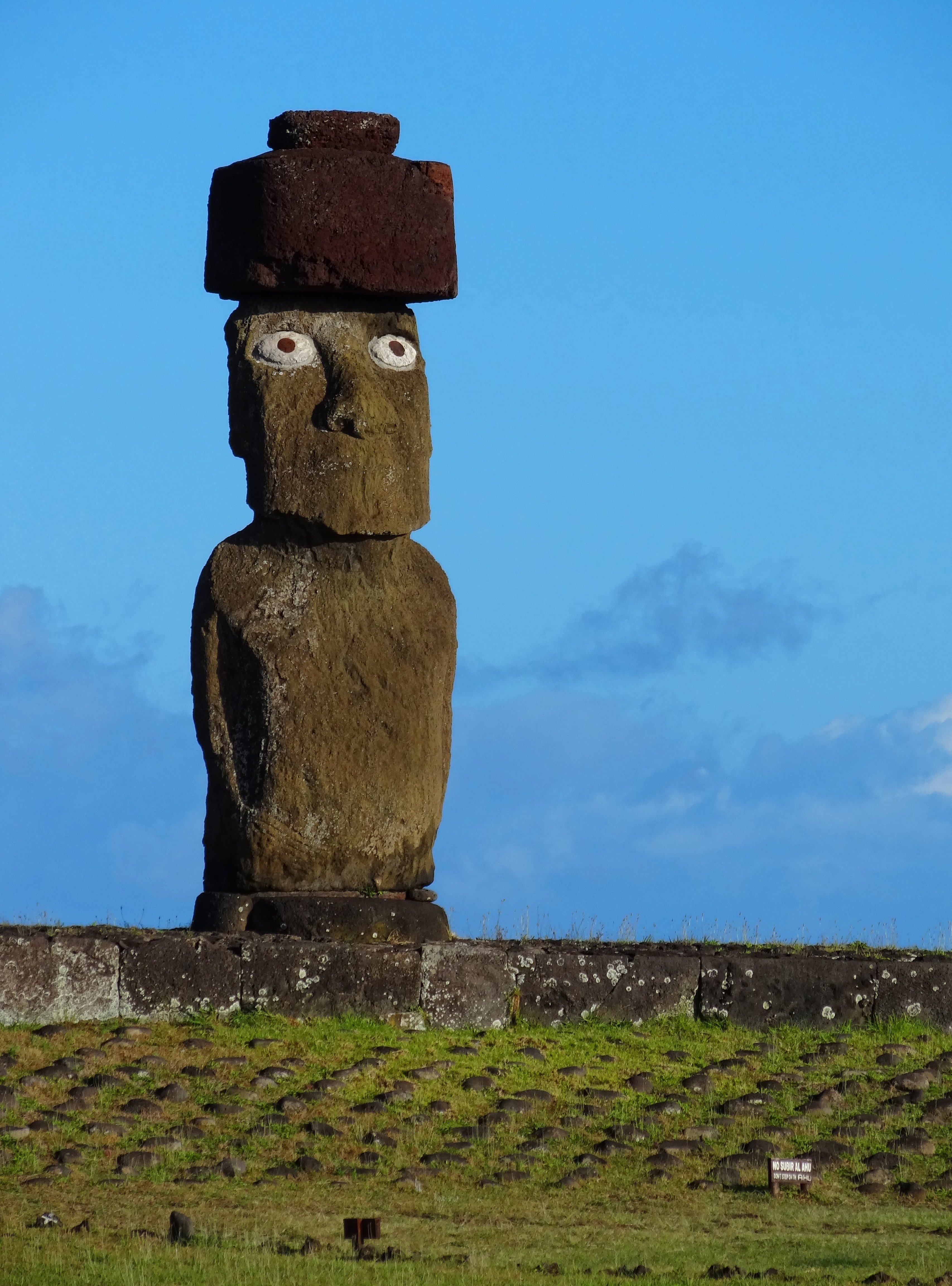
Tahai
Rapa Nui ceremonial complex (ahu) on Easter Island, Chile