Explore the Map
Dingjiazha Tomb No. 5
39.8547° N, 98.4352° E
About
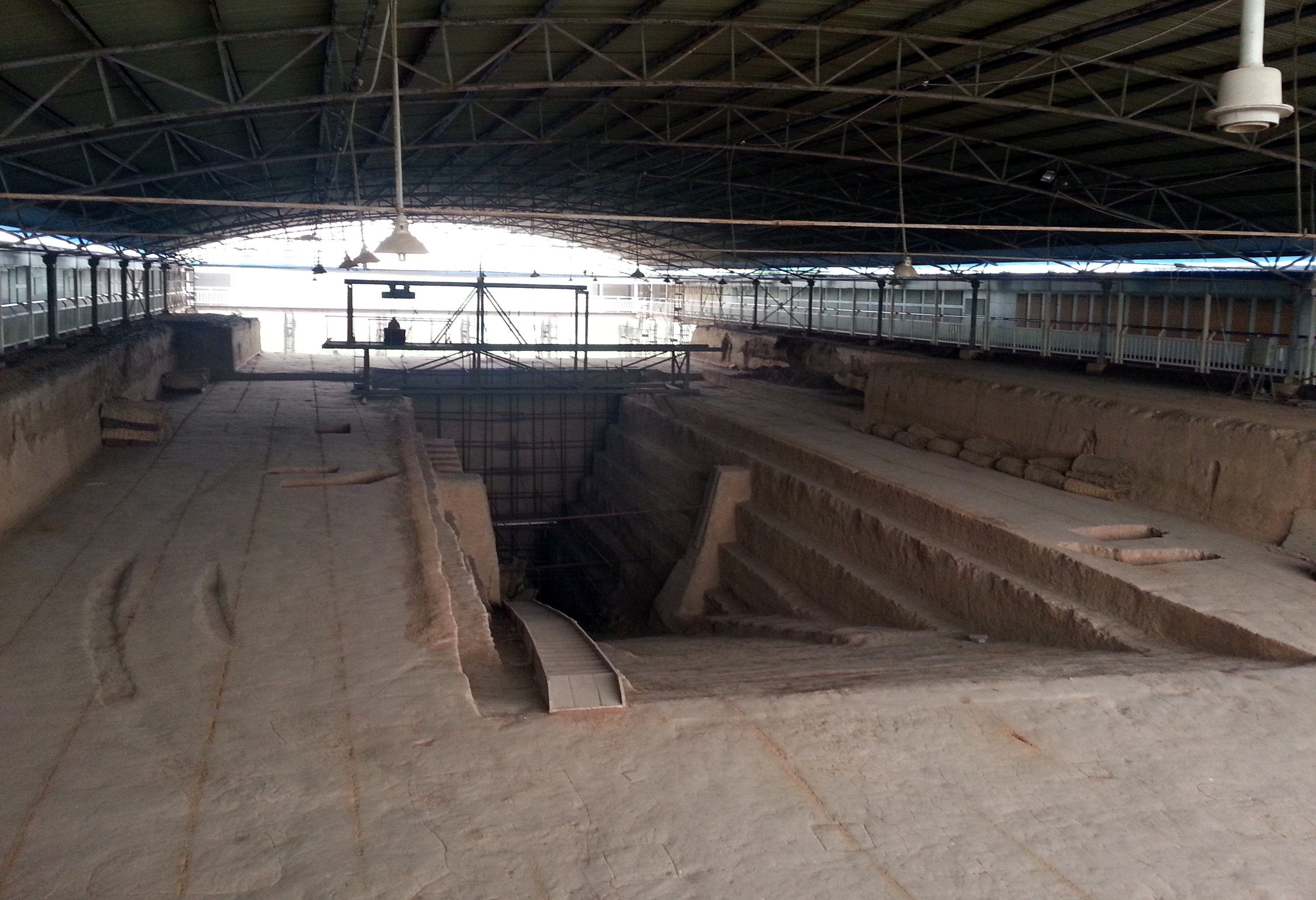
The Dingjiazha Tomb No. 5 is a mural tomb located in Jiuquan, Gansu Province, China, associated with the Northern Liang kingdom. Constructed approximately between 384 and 441 CE, it marks a transitional period as the Sixteen Kingdoms ended and the Northern Wei Dynasty began. The tomb is notable for its intricate murals that adorn the walls and ceilings, depicting a layered representation of the universe, featuring celestial beings like nine-tail foxes and apsaras, as well as scenes of the lord and his household. The artistic style reflects influences from the Eastern Han, Northern Wei, and Jin dynasties, as well as the Mogao Caves. Of particular interest is the depiction of musical instruments, including some of the earliest representations of the lute in China, illustrating cultural exchanges during this period.
Historical Timeline
Journey through time and discover key events in this site's history
Construction and Artwork
384 CE
Archaeological Features
Unique architectural and cultural elements found at this historical site
Burial and Funerary Structures
Artistic and Decorative Features
Frequently Asked Questions
Plan Your Visit
Tours, travel arrangements, and practical information

More Sites in China
Cao Cao Mausoleum
Brick tomb with multiple chambers
Endere
Ancient military post and Buddhist center
Ye (Hebei)
Ancient Chinese city, significant historical capital
Capital Cities and Tombs of the Ancient Koguryo Kingdom
Goguryeo fortress-cities and tombs, 1st century BCE–7th century CE
Yangling Mausoleum of Han
Western Han imperial mausoleum, 2nd century BCE
Yunju Temple
Buddhist temple complex with vast stone sutra steles, China