
Explore the Map
Fugan Temple
30.6665° N, 104.0525° E
About
Fugan Temple, located in Chengdu, Sichuan province, China, is a historically significant Buddhist temple established during the Eastern Jin dynasty (317–420 CE). The temple remained active through the Southern Song dynasty (1127–1279 CE), after which it fell into disrepair and was eventually lost. Recent archaeological excavations have uncovered the foundations of the temple's structures, including its pagodas, as well as a wealth of artifacts. Among these are over a thousand stone tablets inscribed with Buddhist texts and hundreds of stone sculptures, providing insight into the religious practices and artistic expressions of the time. The discovery of Fugan Temple's ruins offers a valuable glimpse into the cultural and religious landscape of early medieval China.
Gallery
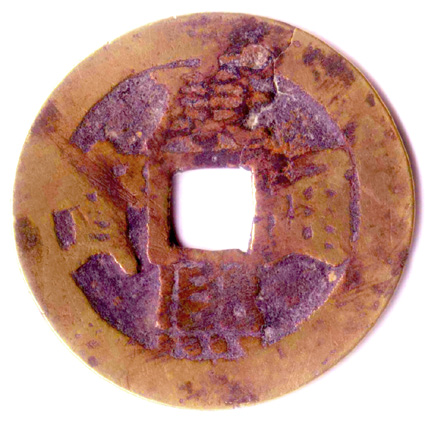
Explore photographs of ancient structures, artifacts, and archaeological excavations
Historical Timeline
Journey through time and discover key events in this site's history
Establishment of Fugan Temple
317 CE
Temple in Use
1127 CE
Archaeological Features
Unique architectural and cultural elements found at this historical site
Religious and Ritual Structures
Artistic and Decorative Features
Frequently Asked Questions
Plan Your Visit
Tours, travel arrangements, and practical information
More Sites in China
Ye (Hebei)
Ancient Chinese city, significant historical capital
Endere
Ancient military post and Buddhist center
Capital Cities and Tombs of the Ancient Koguryo Kingdom
Goguryeo fortress-cities and tombs, 1st century BCE–7th century CE
Lingyin Temple
Chan Buddhist temple in Hangzhou, China
Yunju Temple
Buddhist temple complex with vast stone sutra steles, China
Laosicheng
Largest, best-preserved ancient Tusi city