Explore the Map
Gwanggaeto Stele
41.1449° N, 126.2140° E
About
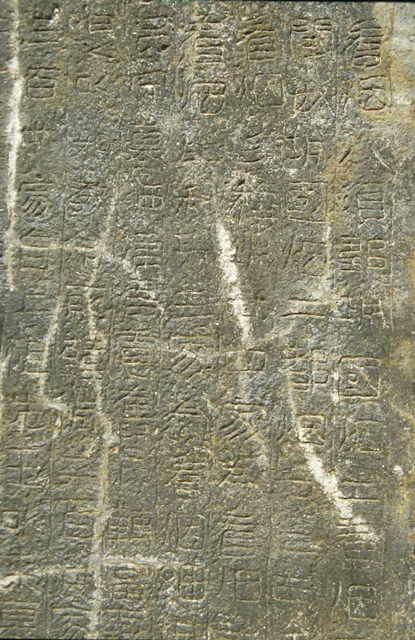
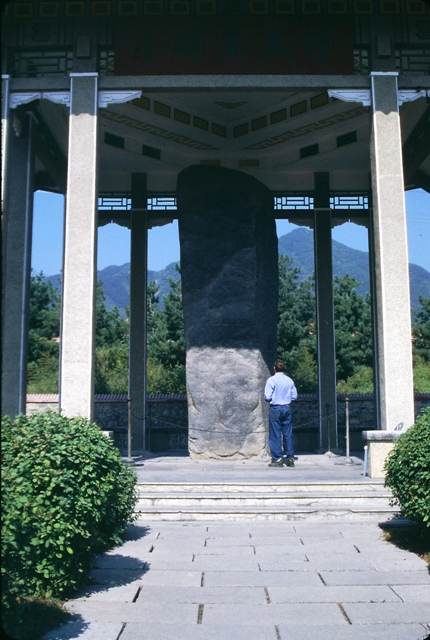
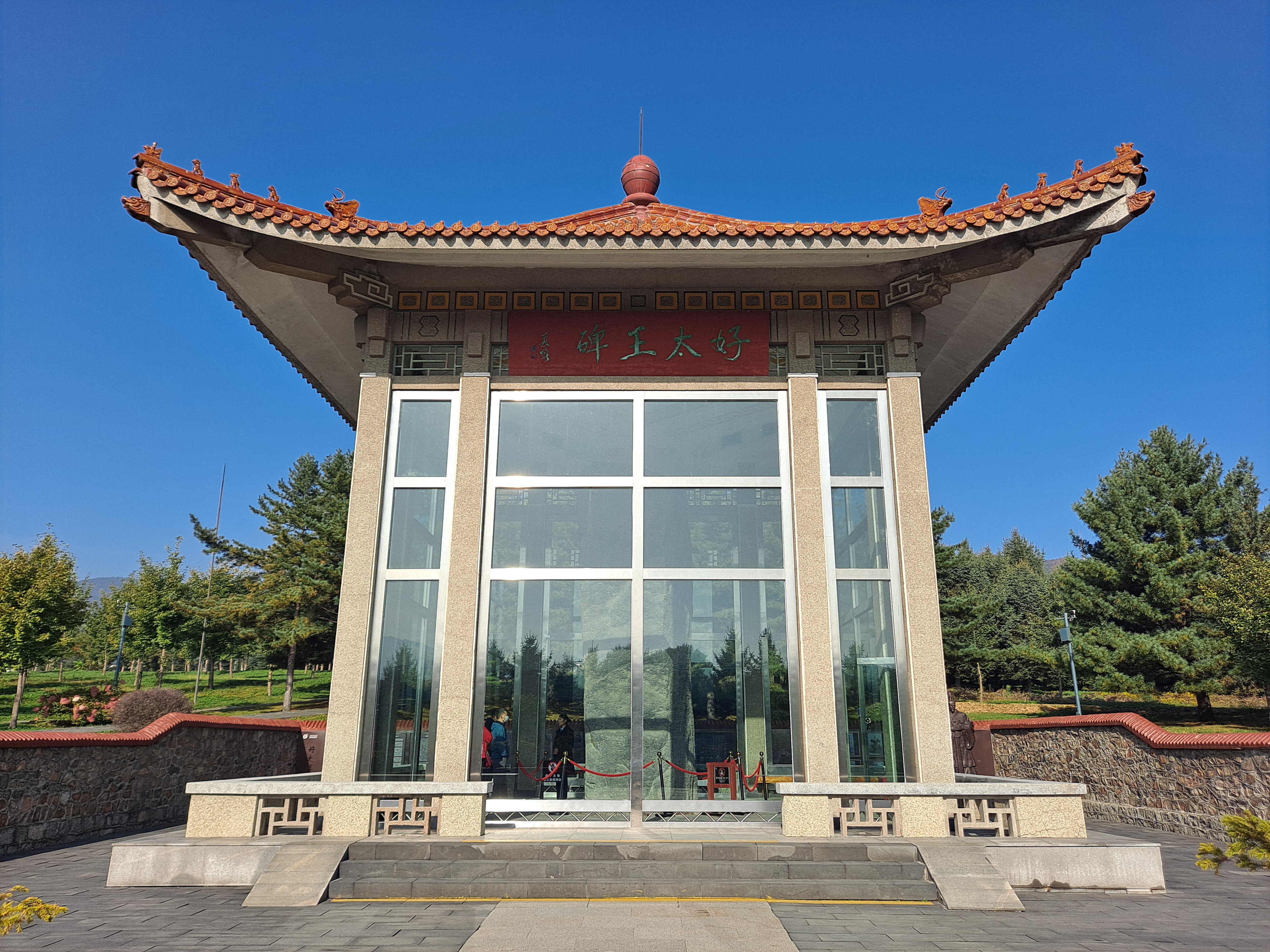
The Gwanggaeto Stele is a memorial stele for the tomb of Gwanggaeto the Great of Goguryeo, erected in 414 by his son Jangsu. This monument to Gwanggaeto the Great is the largest engraved stele in the world. It stands near the tomb of Gwanggaeto in the present-day city of Ji'an along the Yalu River in Jilin Province, Northeast China, which was the capital of Goguryeo at that time. It is carved out of a single mass of granite, stands approximately 6.39m tall and has a girth of almost four meters. The inscription is written exclusively in Classical Chinese. The stele is one of the major primary sources for the history of Goguryeo, and supplies invaluable historical detail on Gwanggaeto's reign as well as insights into Goguryeo mythology. It has also become a focal point of national rivalries in East Asia manifested in the interpretations of the stele's inscription and the place of Goguryeo in modern historical narratives. An exact replica of the Gwanggaeto Stele stands on the grounds of the War Memorial of Seoul and the rubbed copies made in 1881 and 1883 are in the custody of China and Japan.
Gallery
Explore photographs of ancient structures, artifacts, and archaeological excavations
Historical Timeline
Journey through time and discover key events in this site's history
Sakō tracing visit
April–July 1883 CE
Gwanggaeto reign
391–413 CE
Conquest of Paeryo
395 CE
Baekche surrender
396 CE
Stele erected
414 CE
Fall of Goguryeo
668 CE
Fall of Balhae
926 CE
Qing dynasty founded
1644 CE
Huairen County established
1876 CE
Early rubbings and tracings
1881 and 1883 CE
Vegetation cleared causing damage
1882 CE
First authentic rubbings
1887 CE
Kaiyoroku publication
1889 CE
Wang Zhixiu paper
1895 CE
Archaeological Features
Unique architectural and cultural elements found at this historical site
Burial and Funerary Structures
Religious and Ritual Structures
Artistic and Decorative Features
Frequently Asked Questions
Plan Your Visit
Tours, travel arrangements, and practical information
More Sites in China
Yunju Temple
Buddhist temple complex with vast stone sutra steles, China
Lingshan Islamic Cemetery
Ancient Islamic cemetery with venerated graves
Ye (Hebei)
Ancient Chinese city, significant historical capital
Lingyin Temple
Chan Buddhist temple in Hangzhou, China
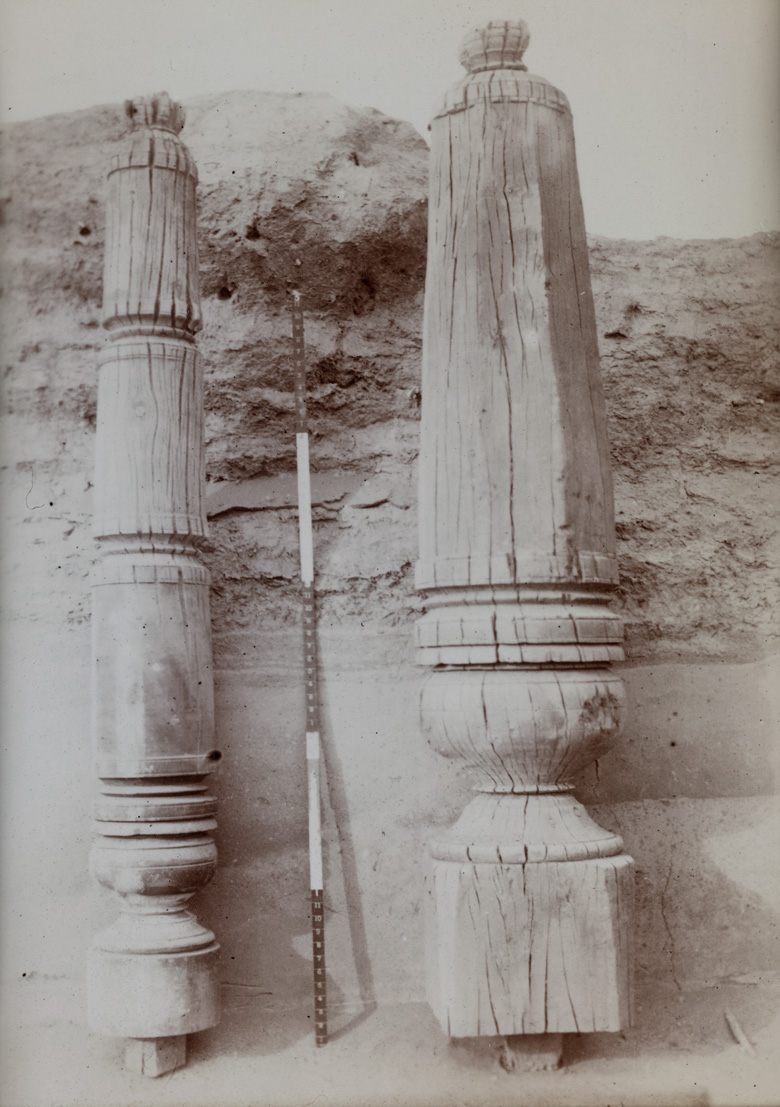
Endere
Ancient military post and Buddhist center
Laosicheng
Largest, best-preserved ancient Tusi city