Explore the Map
Qingzhou Longxing Temple
36.6841° N, 118.4625° E
About
The Qingzhou Longxing Temple, located in Shandong, China, is a significant archaeological site from the Northern and Southern dynasties period. Constructed in the 5th century CE, the temple served as a prominent Buddhist religious site. It became one of China's top 100 archaeological discoveries of the 20th century due to the unearthing of over 400 Buddhist statues during excavations in 1996. These statues, primarily housed in the Shenzhen Museum, highlight the artistic and religious significance of the temple. The site illustrates the rich religious history and cultural practices of early post-classical China before its destruction in the 13th century CE.
Historical Timeline
Journey through time and discover key events in this site's history
Construction of temple
5th century CE
Destruction of temple
13th century CE
Archaeological Features
Unique architectural and cultural elements found at this historical site
Religious and Ritual Structures
Artistic and Decorative Features
Frequently Asked Questions
Plan Your Visit
Tours, travel arrangements, and practical information


More Sites in China
Laosicheng
Largest, best-preserved ancient Tusi city
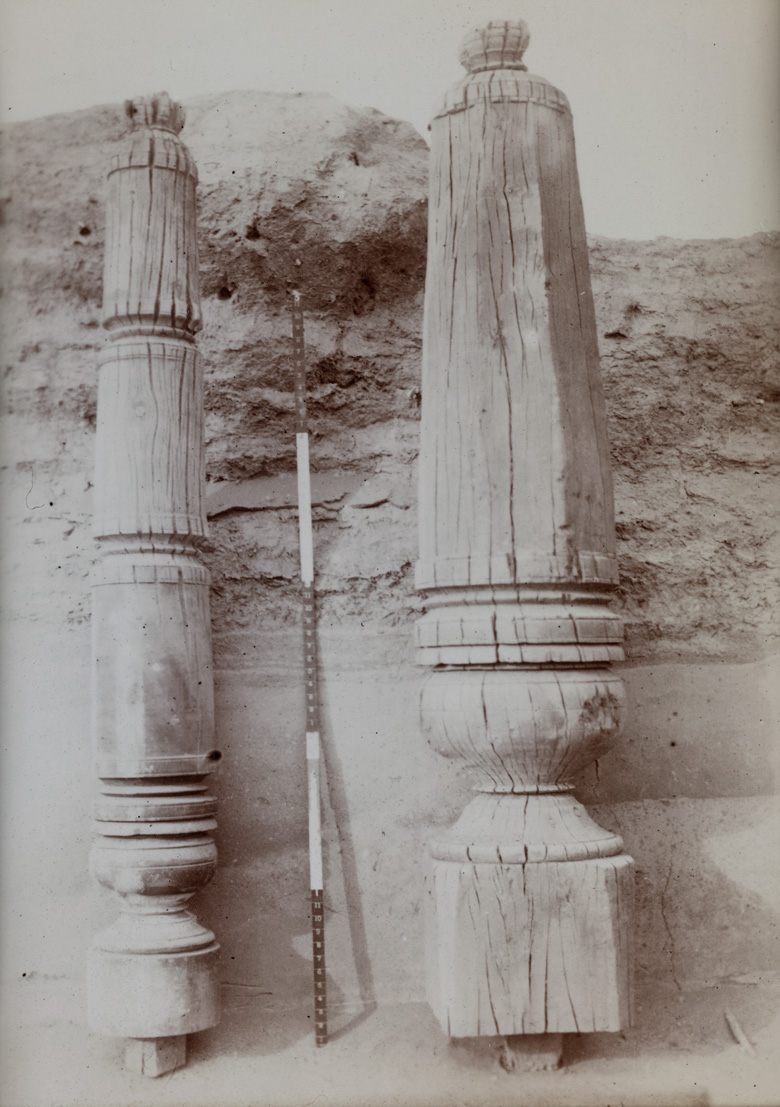
Endere
Ancient military post and Buddhist center
Capital Cities and Tombs of the Ancient Koguryo Kingdom
Goguryeo fortress-cities and tombs, 1st century BCE–7th century CE
Yunju Temple
Buddhist temple complex with vast stone sutra steles, China
Yangling Mausoleum of Han
Western Han imperial mausoleum, 2nd century BCE
Lingyin Temple
Chan Buddhist temple in Hangzhou, China