Explore the Map
Tongtiandong
47.0061° N, 85.9801° E
About
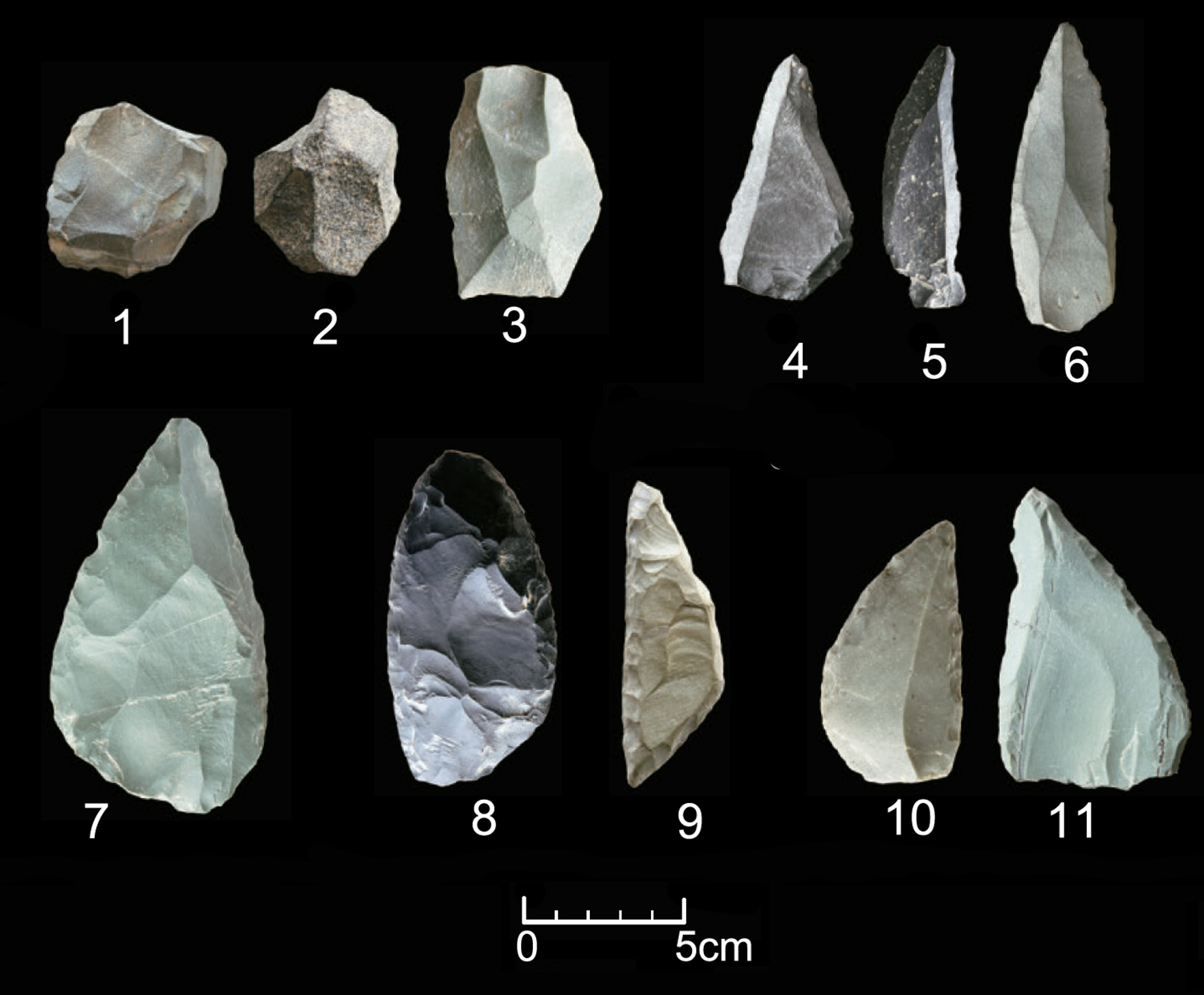
Tongtiandong is an archaeological site located in the Xinjiang Autonomous Region of China, near the Altai Mountains. This site is significant due to its evidence of Middle to Upper Paleolithic human activity, particularly the presence of a Mousterian cultural layer. The Mousterian techno-complex, typically associated with Neanderthal populations in Europe, had not been previously identified in China until the discovery at Tongtiandong. Radiocarbon dating places the Mousterian layer at approximately 46,000 to 44,000 years ago, offering critical insights into the spread and adaptation of early human technologies across Asia. The site's artifacts contribute to understanding the distribution of different techno-complexes between Mongolia-Siberia and northern China during the late Pleistocene. Tongtiandong's findings are crucial for reconstructing the prehistoric human occupation and technological development in this region.
Gallery
Explore photographs of ancient structures, artifacts, and archaeological excavations
Historical Timeline
Journey through time and discover key events in this site's history
Mousterian Cultural Layer
46,000 - 44,000 BCE
Archaeological Features
Unique architectural and cultural elements found at this historical site
Domestic and Habitation Structures
Frequently Asked Questions
Plan Your Visit
Tours, travel arrangements, and practical information
More Sites in China
Luobi Cave
Karst cave with Yuan Dynasty inscriptions
Endere
Ancient military post and Buddhist center
Tomb of An Jia
Sogdian funerary monument in Xi'an, Northern Zhou (6th century)
Lingshan Islamic Cemetery
Ancient Islamic cemetery with venerated graves
Laosicheng
Largest, best-preserved ancient Tusi city

Kizil Caves
Buddhist rock-cut cave complex in China