Explore the Map
Tuoshan
36.6486° N, 118.4576° E
About
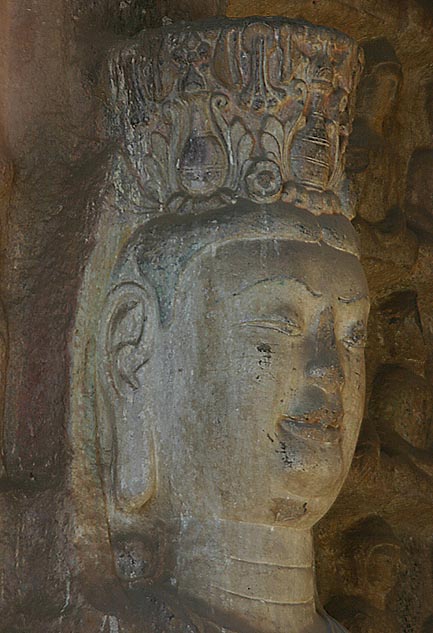
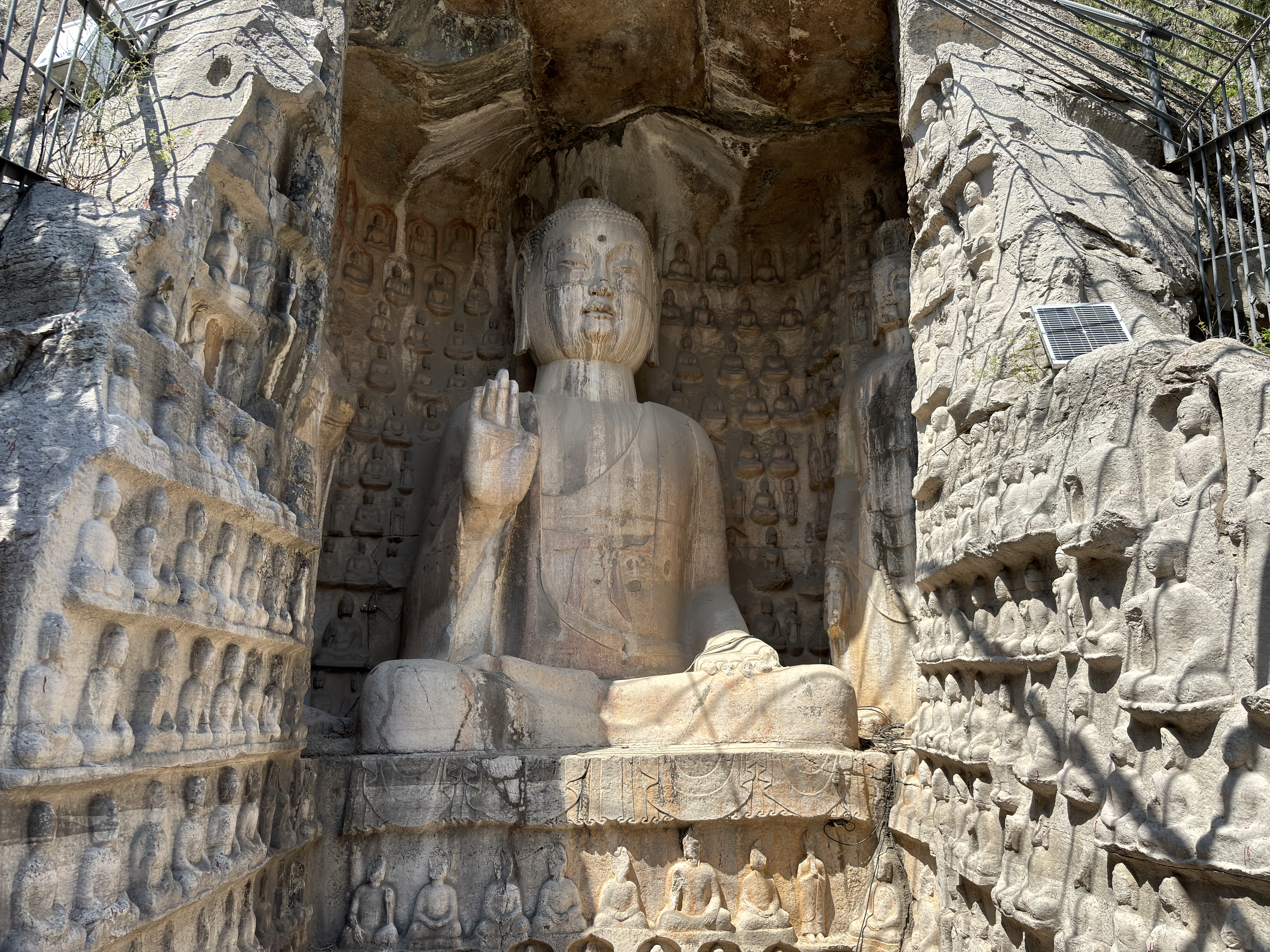
Tuoshan, or Camel Mountain, is a significant archaeological site located in Shandong Province, China, just southwest of Qingzhou city. This mountain is home to several historical and cultural landmarks, including the Haotian Temple, which has origins dating back to the Yuan dynasty. The temple complex features a unique architectural style, with structures like the non-beam Qibao Cabinet. Additionally, the site hosts Buddhist grottoes from the Northern Zhou and Tang dynasties, showcasing numerous stone Buddha statues, the largest standing over 7 meters tall. These artifacts reflect the artistic and religious practices of the period. The site is protected and recognized for its cultural and historical value, attracting both researchers and visitors alike.
Gallery
Explore photographs of ancient structures, artifacts, and archaeological excavations
Historical Timeline
Journey through time and discover key events in this site's history
Northern Zhou and Tang grottoes chiselling
577–907 CE
Yuan dynasty temple rebuilding
1271–1368 CE
Archaeological Features
Unique architectural and cultural elements found at this historical site
Religious and Ritual Structures
Artistic and Decorative Features
Transportation and Communication Structures
Frequently Asked Questions
Plan Your Visit
Tours, travel arrangements, and practical information
More Sites in China
Yunju Temple
Buddhist temple complex with vast stone sutra steles, China
Shangjing Longquanfu
Balhae capital city ruins, 8th–10th centuries
Laosicheng
Largest, best-preserved ancient Tusi city
Capital Cities and Tombs of the Ancient Koguryo Kingdom
Goguryeo fortress-cities and tombs, 1st century BCE–7th century CE
Endere
Ancient military post and Buddhist center
Luobi Cave
Karst cave with Yuan Dynasty inscriptions