Explore the Map
Xumishan Grottoes
36.2744° N, 105.9853° E
About
The Xumishan Grottoes (Chinese: 须弥山石窟) are a collection of more than 130 Buddhist cave temples, built between the fifth century until the tenth century, on the eastern edge of Mount Xumi in the Ningxia Hui Autonomous Region of China.
Historical Timeline
Journey through time and discover key events in this site's history
Northern Wei dynasty
368–534 CE
Construction begins
5th century
Reconstruction through Tang
618–906 CE
Cement applied to seated Buddha
1982
National protection established
1982
Archaeological Features
Unique architectural and cultural elements found at this historical site
Religious and Ritual Structures
Artistic and Decorative Features
Domestic and Habitation Structures
Environmental and Natural Features
Frequently Asked Questions
Plan Your Visit
Tours, travel arrangements, and practical information
More Sites in China
Tomb of An Jia
Sogdian funerary monument in Xi'an, Northern Zhou (6th century)
Laosicheng
Largest, best-preserved ancient Tusi city
Yunju Temple
Buddhist temple complex with vast stone sutra steles, China
Luobi Cave
Karst cave with Yuan Dynasty inscriptions
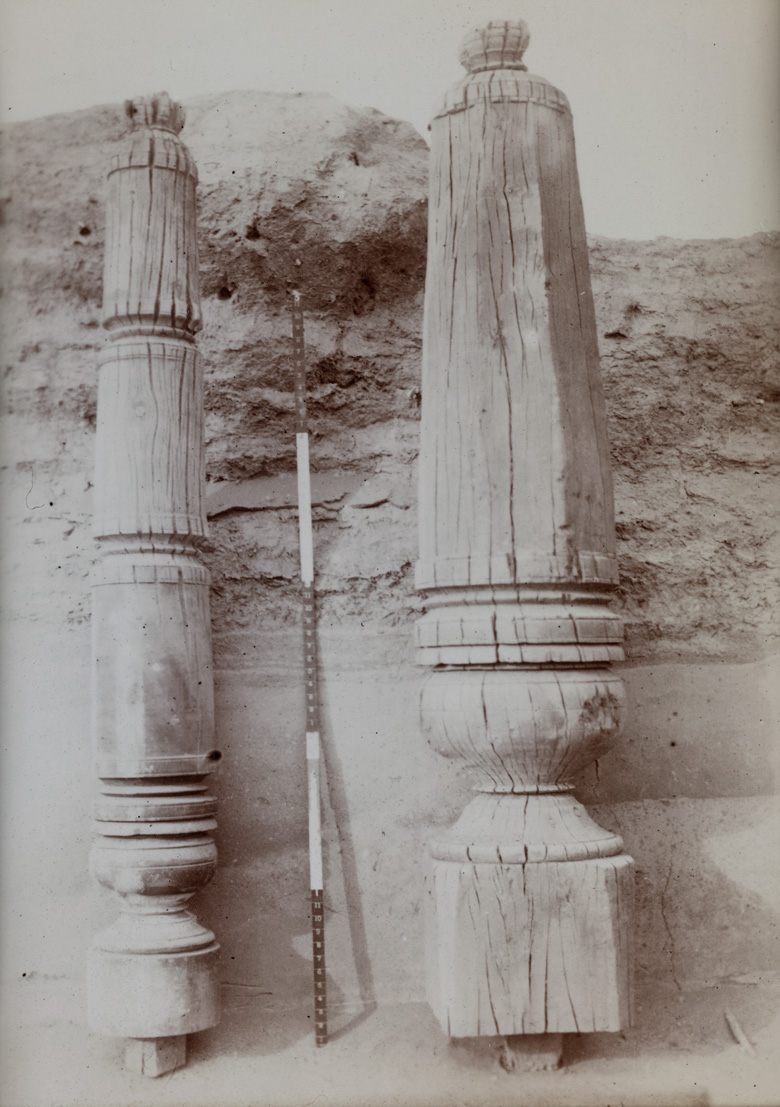
Endere
Ancient military post and Buddhist center
Ye (Hebei)
Ancient Chinese city, significant historical capital