Explore the Map
Aguazuque
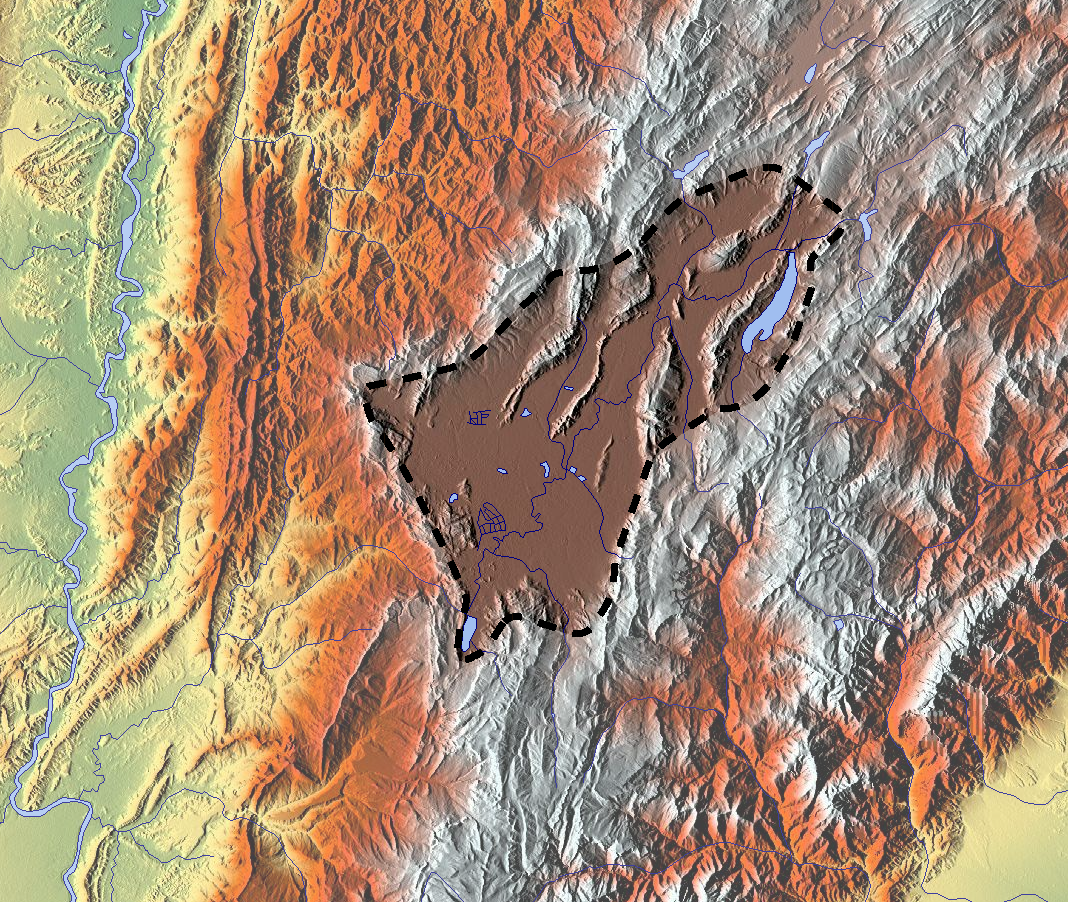
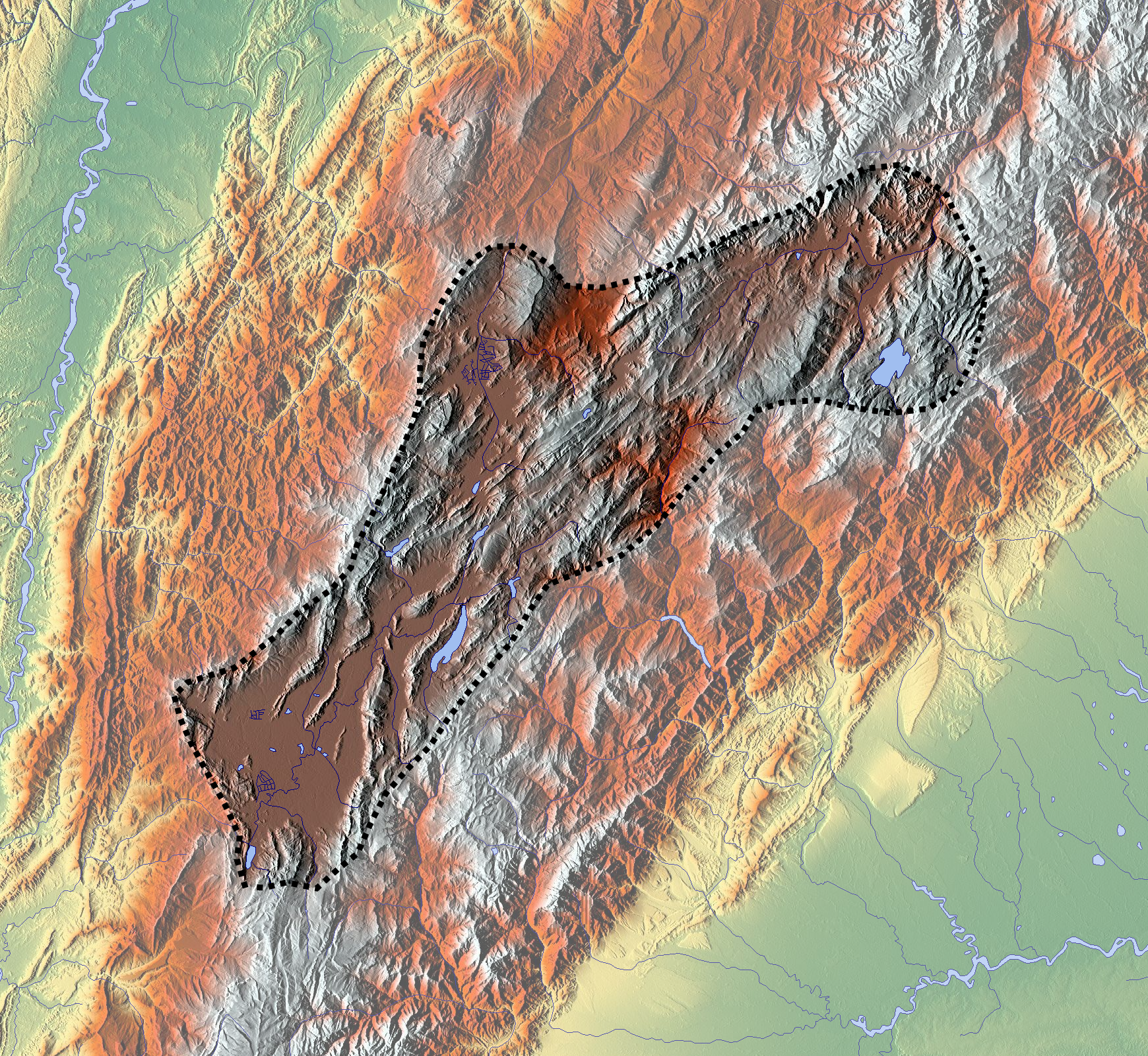
4.6022° N, -74.2764° E
About
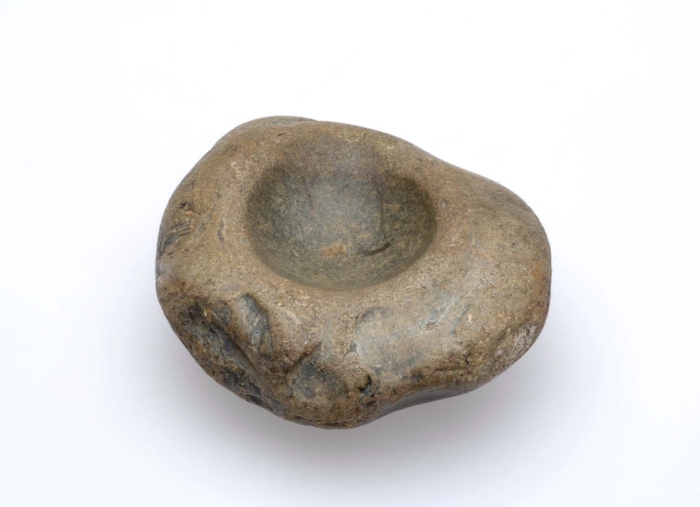
Aguazuque is a significant pre-Columbian archaeological site located on the Bogotá savanna in Colombia. It showcases a transition from a hunter-gatherer lifestyle to early agriculture, marked by the presence of stone and bone tools, primitive circular housing, and burial sites. The site, dating from approximately 3000 BCE to 700 BCE, offers insights into the preceramic period and later the ceramic Herrera Period. Notably, Aguazuque provides evidence of early farming activities, with domesticated guinea pigs and cultivation of plant species like Cucurbita pepo. The burial practices, including individual and mass graves with ritual offerings, highlight the cultural and spiritual beliefs of its inhabitants. Overall, Aguazuque offers a comprehensive view of early human adaptation and cultural development in the Andean region.
Gallery
Explore photographs of ancient structures, artifacts, and archaeological excavations
Historical Timeline
Journey through time and discover key events in this site's history
Hunter-gatherer settlement
3000 BCE
Transition to agriculture
2800 BCE
Introduction of ceramics and burial practices
800 BCE
Archaeological Features
Unique architectural and cultural elements found at this historical site
Burial and Funerary Structures
Domestic and Habitation Structures
Environmental and Natural Features
Food Production and Processing Features
Frequently Asked Questions
Plan Your Visit
Tours, travel arrangements, and practical information


More Sites in Colombia
Checua
Preceramic open settlement with stone tools.
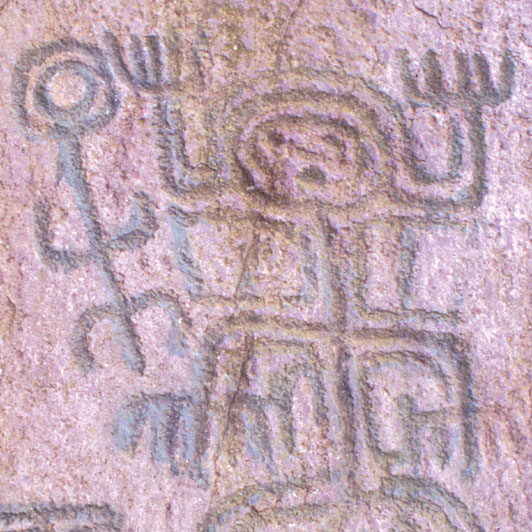
El Abra
Extensive rock shelters in Colombian Andes
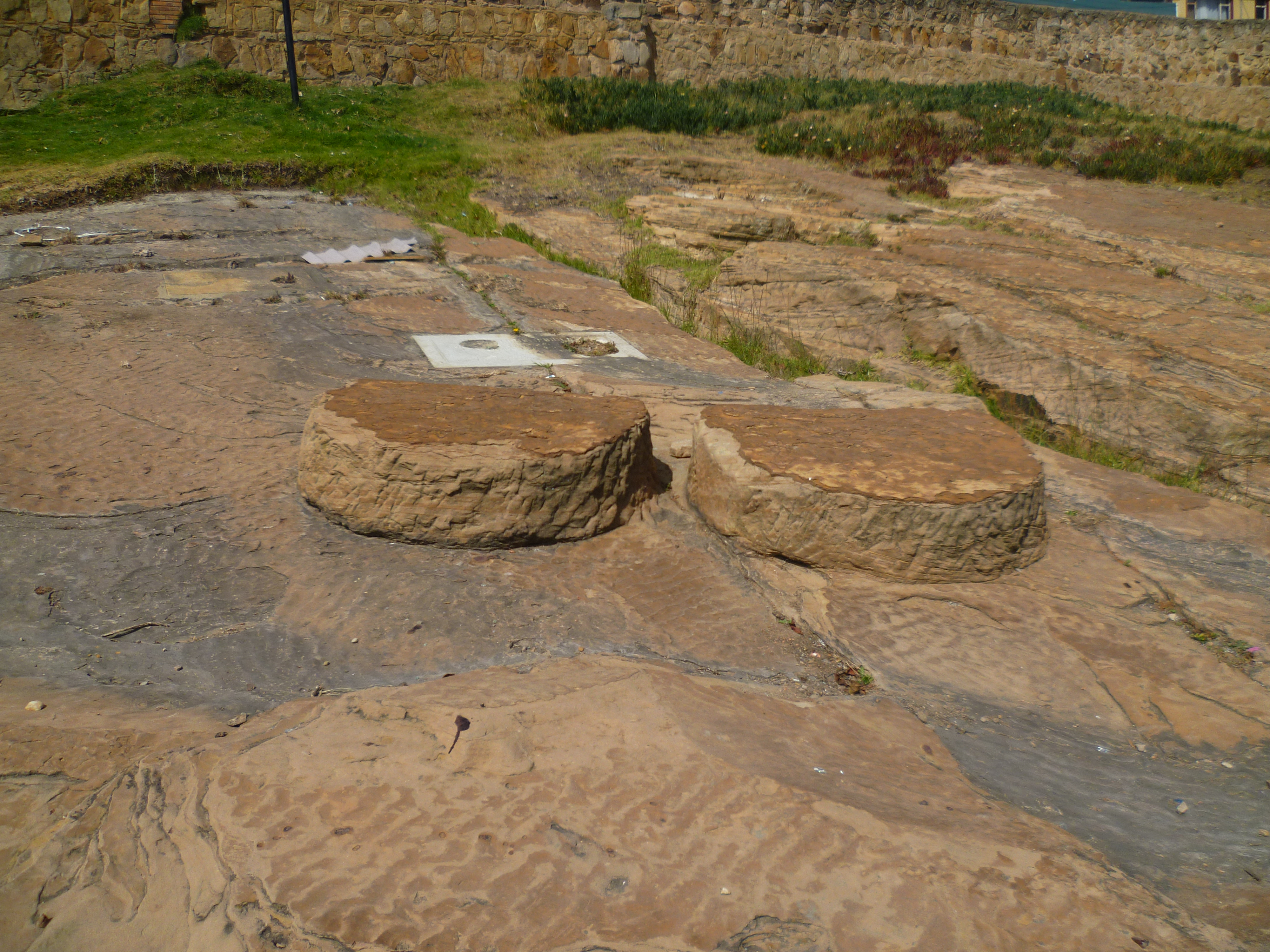
Cojines del Zaque
Two sandstone ritual stones in Tunja.
Morro del Tulcán
Indigenous pyramid in Popayán, Colombia
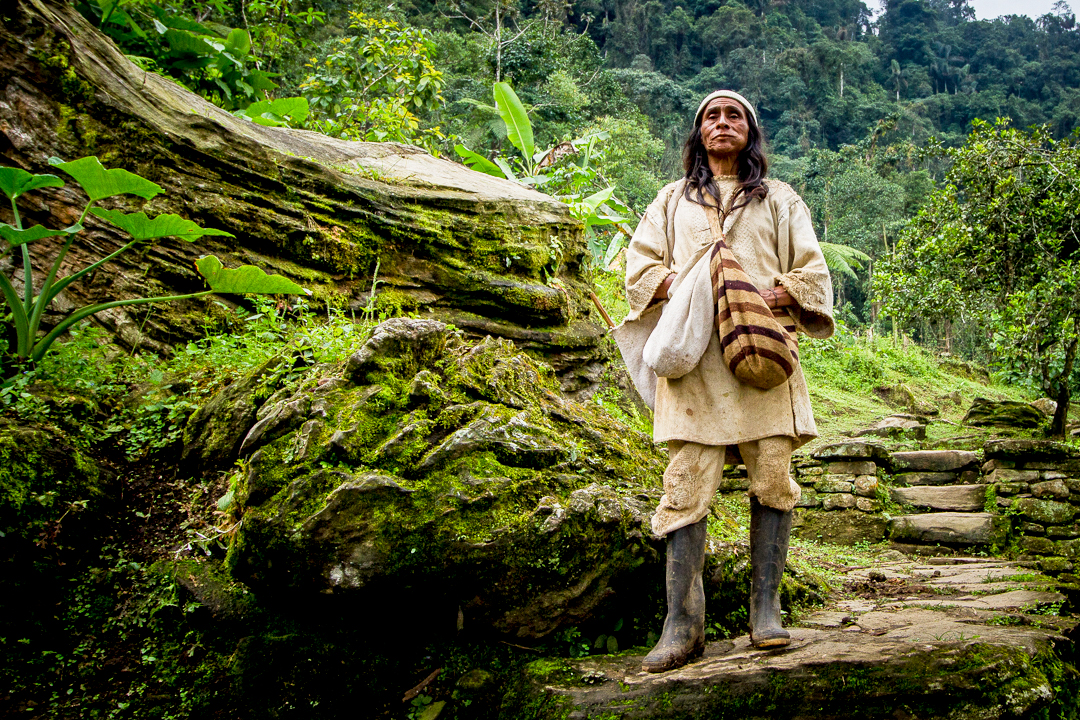
Ciudad Perdida
Terraced ancient city in dense jungle
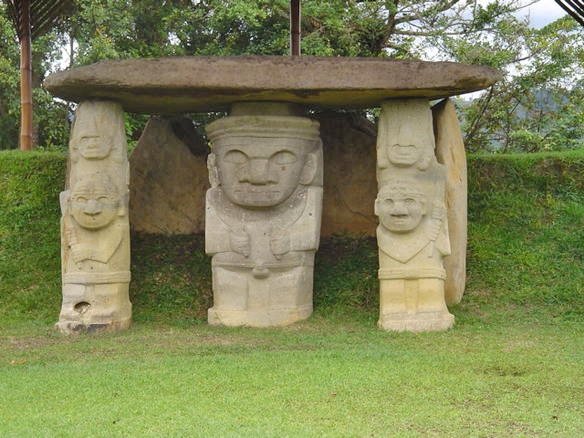
San Agustín Archaeological Park
Megalithic necropolis and statue complex, Colombia