Time Periods
Paleolithic
Mesolithic
Neolithic
Chalcolithic
Bronze Age
Iron Age
Classical Period
Post-Classical Period
Early Modern Period
Industrial Period
Contemporary Period
Time Periods
Paleolithic
Mesolithic
Neolithic
Chalcolithic
Bronze Age
Iron Age
Classical Period
Post-Classical Period
Early Modern Period
Industrial Period
Contemporary Period
Location
About
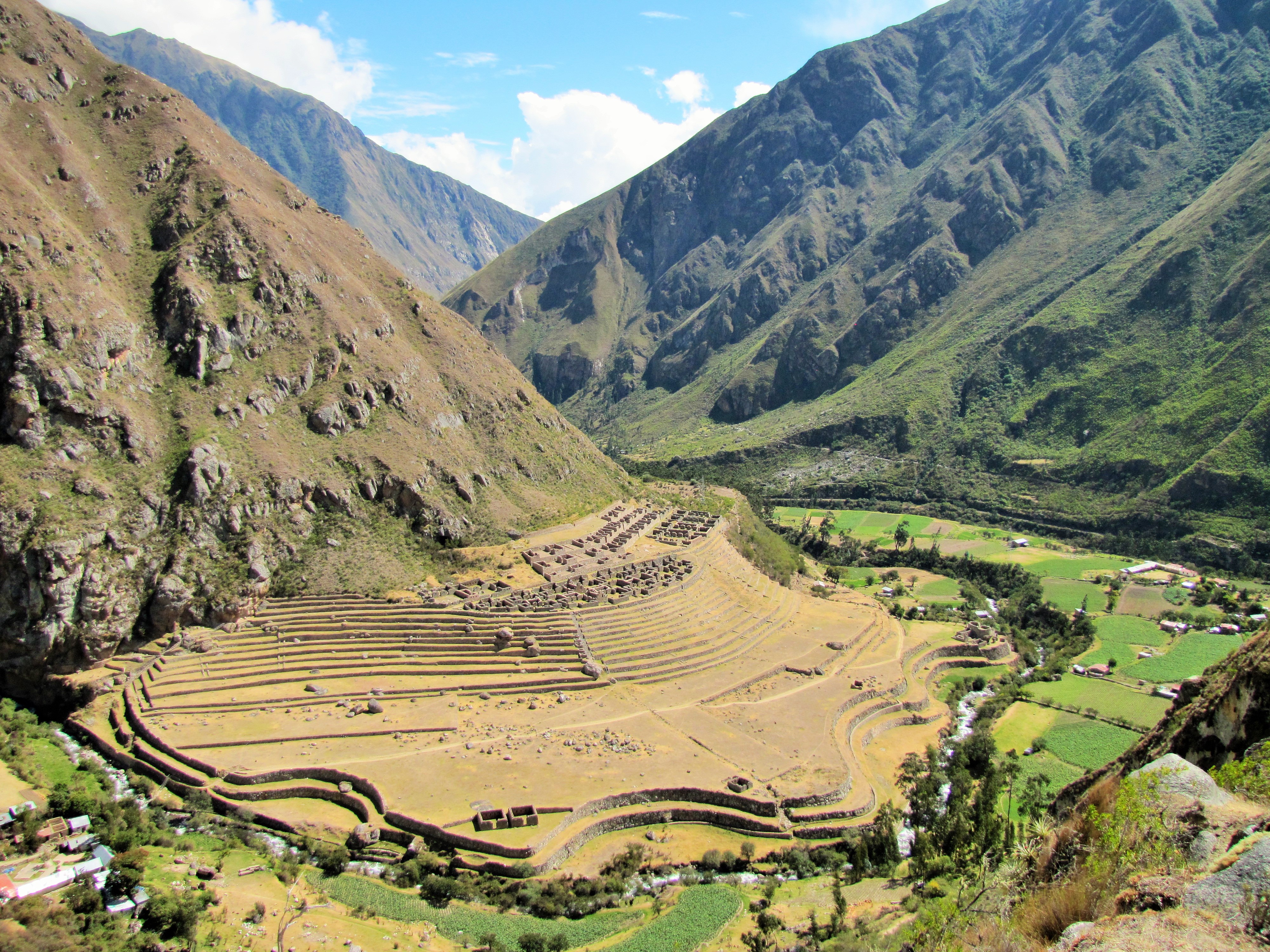
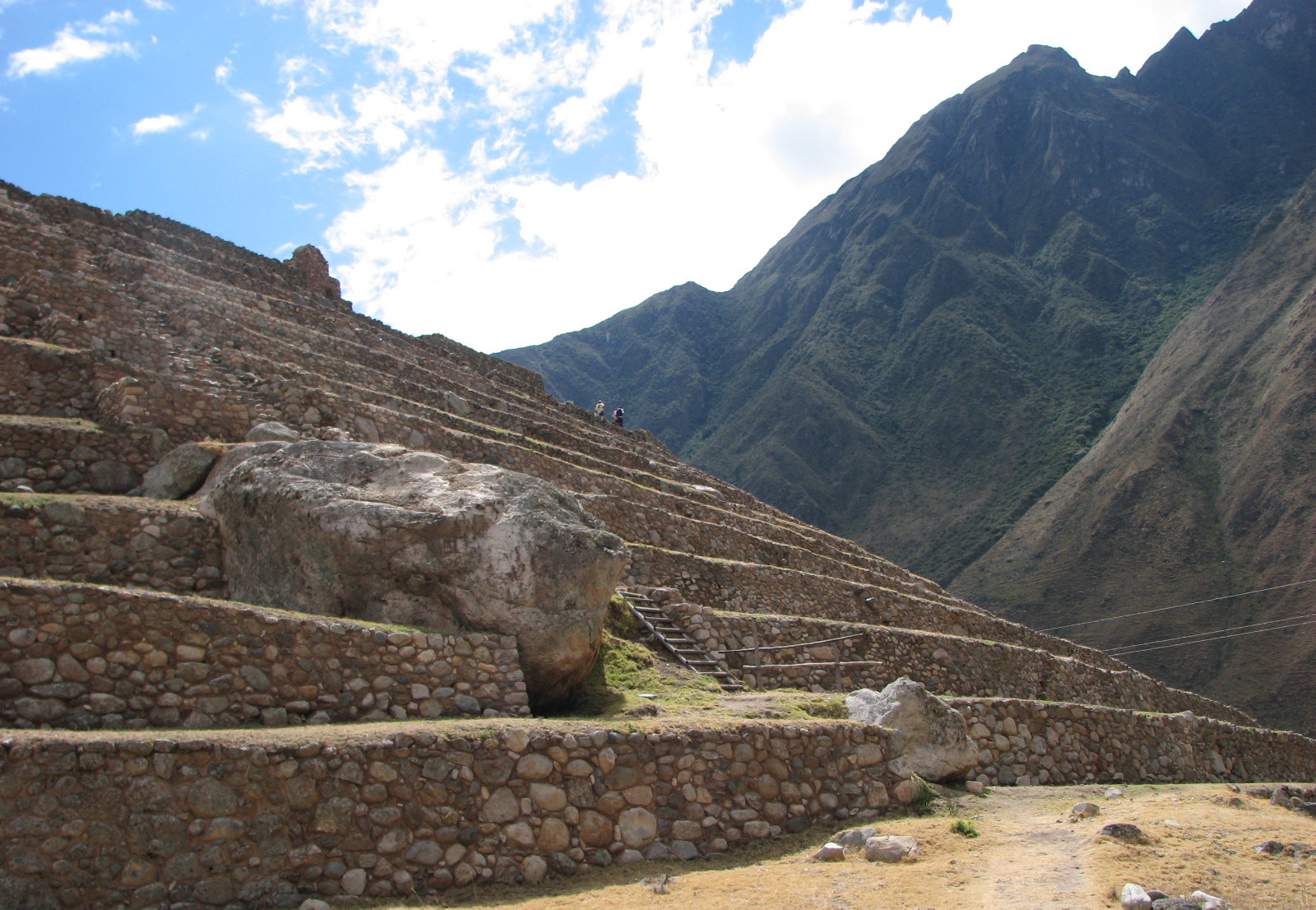
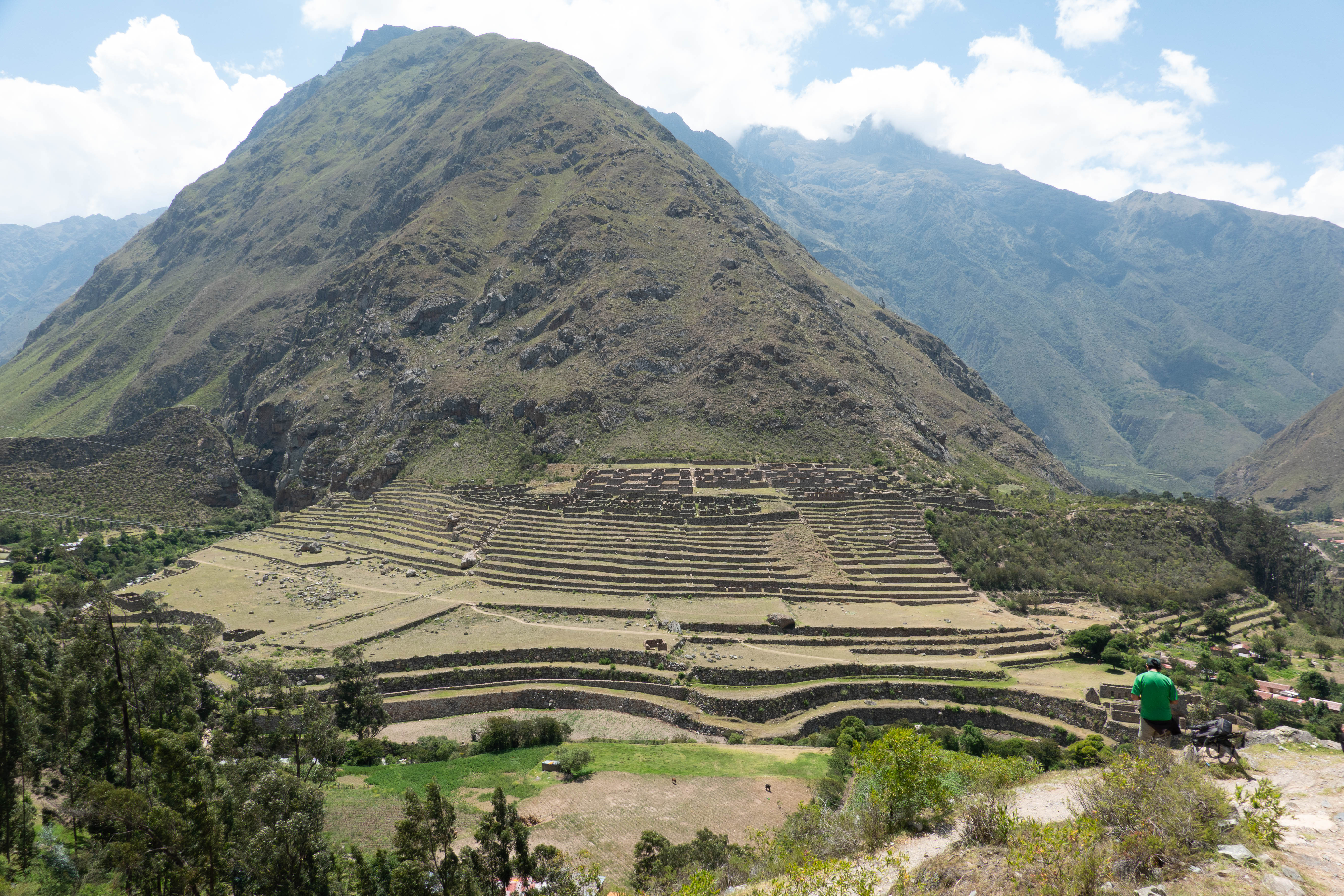
Patallacta is an archaeological site located in the Cusco Region of Peru, near the famous Machu Picchu. This site, known as a settlement on a platform, played a vital role during the Inca period. It served as a hub for travelers and soldiers who guarded the nearby Willkaraqay hill fort and included a ceremonial site with rounded walls known as Pulpituyuq. The site was strategically positioned at the confluence of the Cusichaca and Vilcanota rivers, providing an advantageous location for both habitation and defense. Patallacta was significant during the 16th century, as it was deliberately burned by Manco Inca Yupanqui in 1536 to obstruct Spanish forces. This action contributed to the Spanish's failure to discover the Inca Trail to Machu Picchu, preserving the secret of the Inca's mountain sanctuary for centuries.
Gallery
Explore photographs of ancient structures, artifacts, and archaeological excavations at Patallacta
Archaeological Features
Explore the unique architectural and cultural elements found at this historical site
Defensive Structures
Religious and Ritual Structures
Domestic and Habitation Structures
Historical Timeline
Journey through time and discover key events in this site's archaeological history
Plan Your Visit
Details
- Country
- Cusco Region
- Source
- Wikipedia
More Sites in Cusco Region
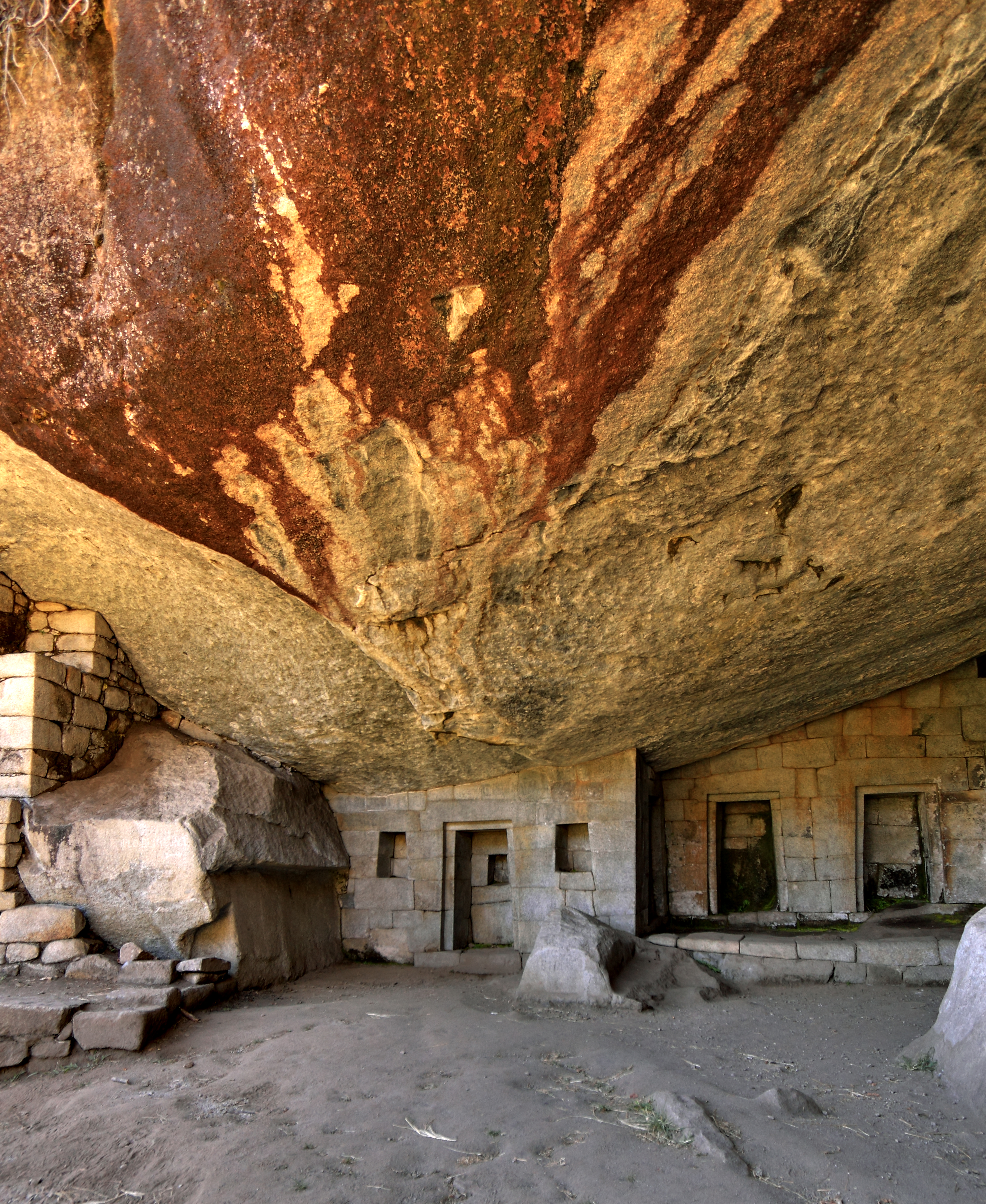
Temple of the Moon (Peru)
Incan stone temple with cave and niches
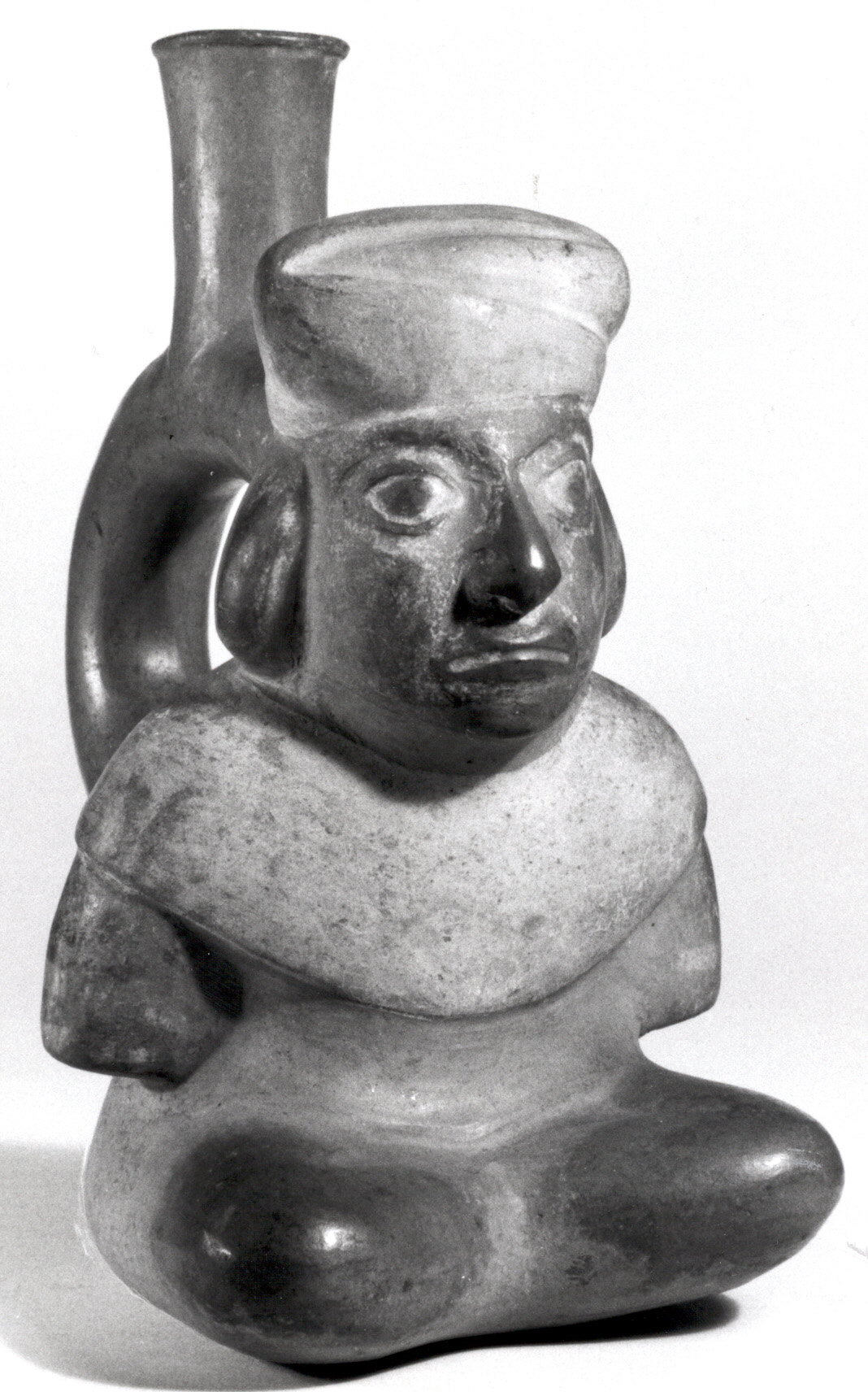
Colcampata
Elevated archaeological site in Cusco, Peru.
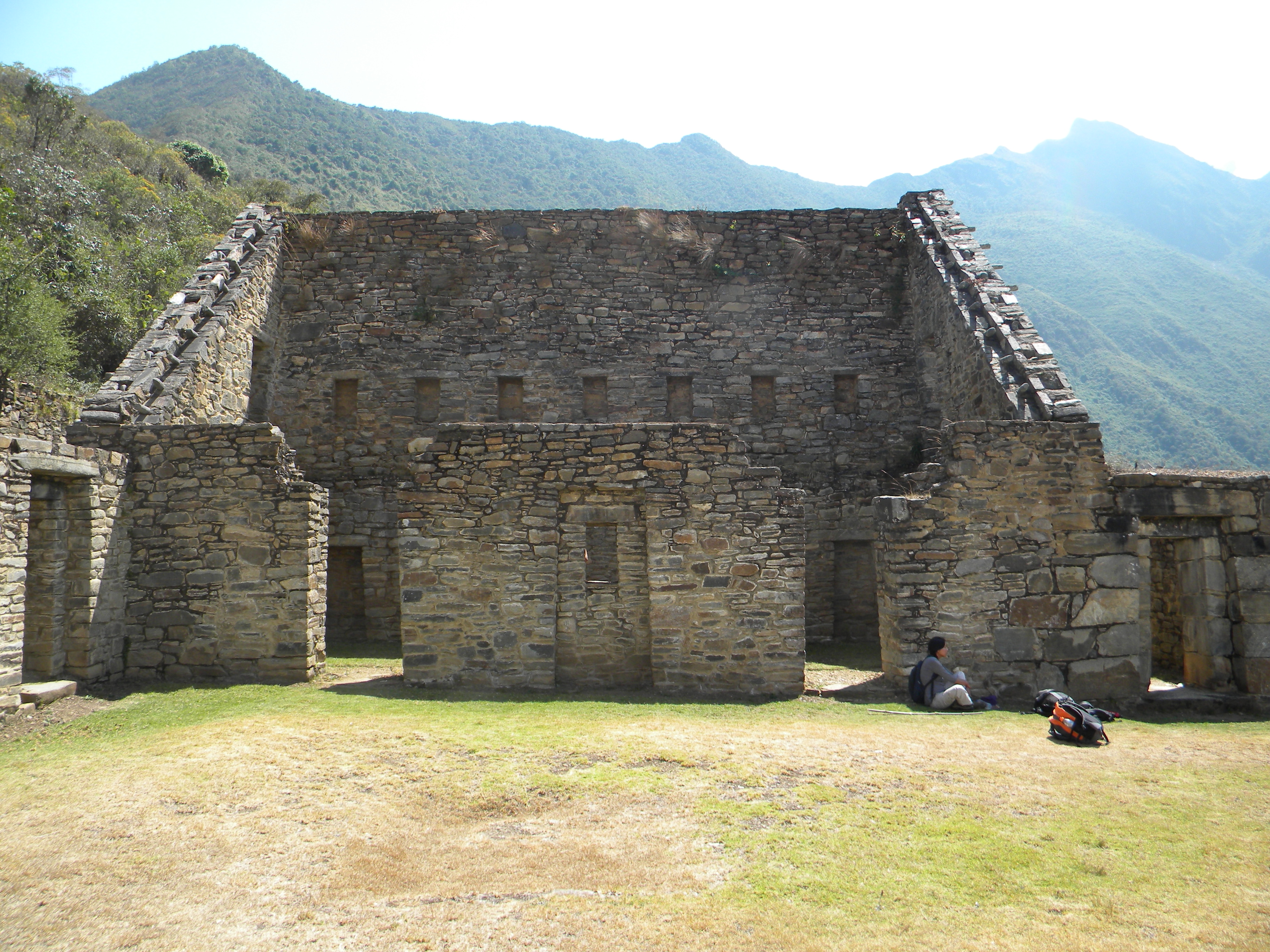
Choquequirao
Inca ceremonial and administrative complex in Peru
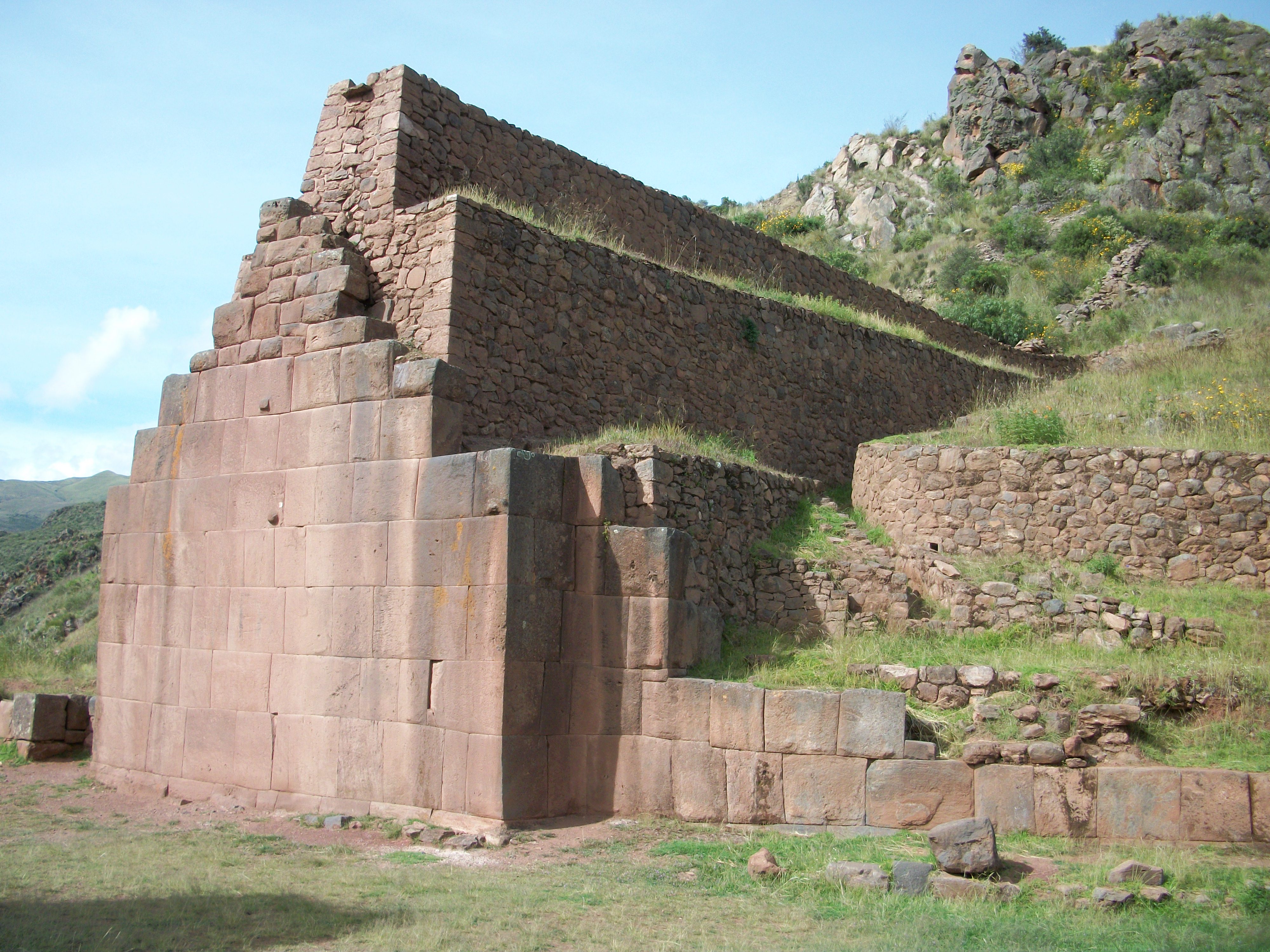
Rumicolca
Stone gate near Cusco, Peru.
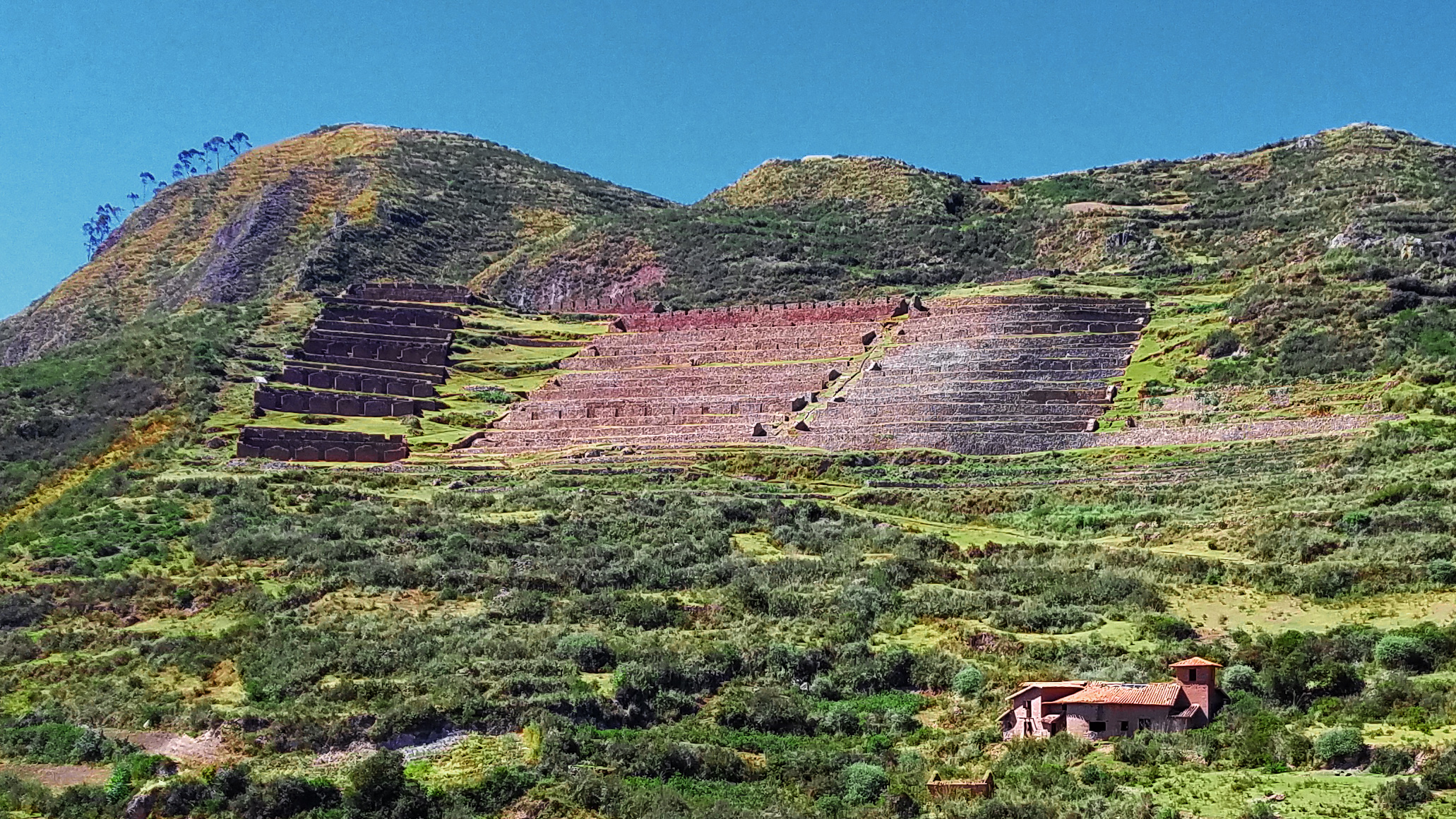
Machu Colca
High-altitude terraces with partial buildings.
Wiraqucha (Cusco)
Mountain with rock formations resembling toads.