
Explore the Map
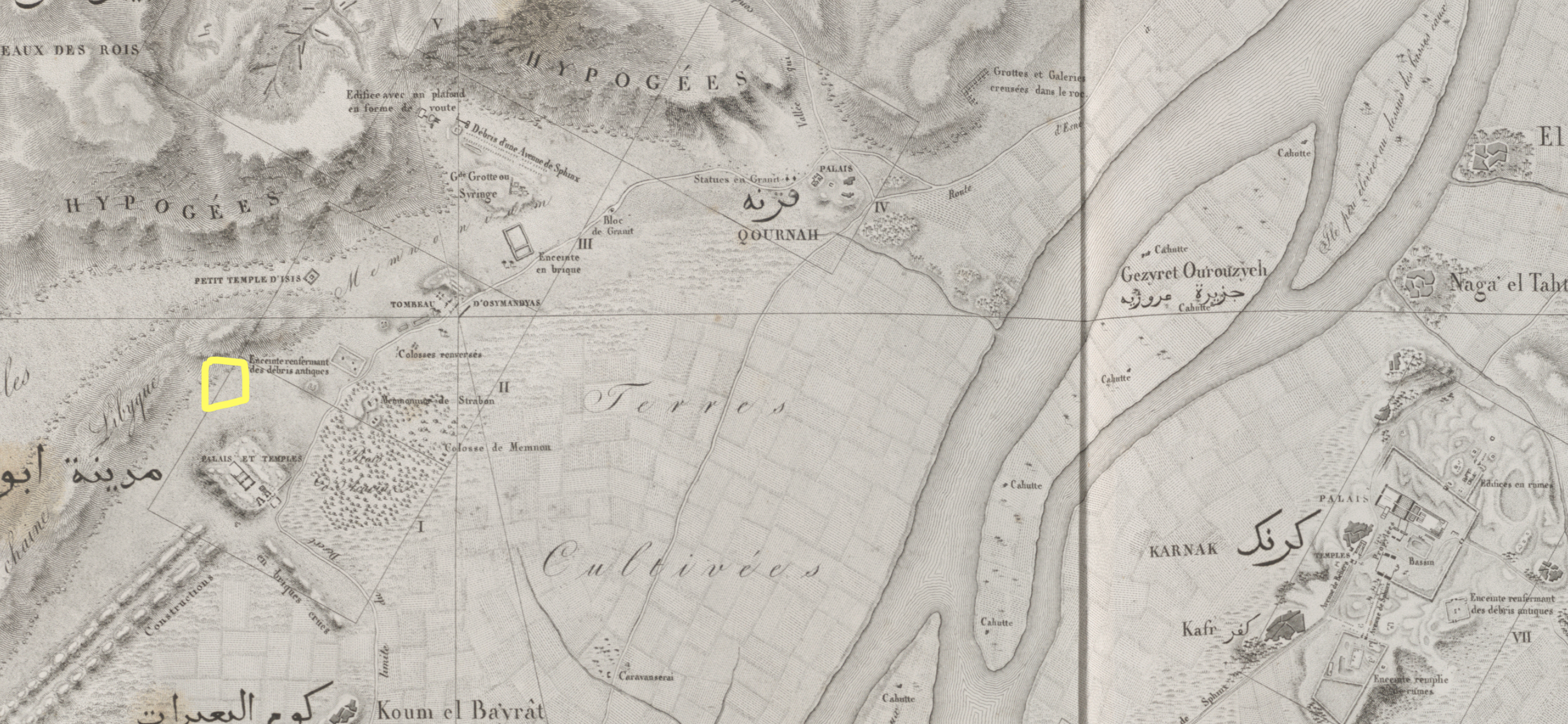
Aten (city)
25.7225° N, 32.6017° E
About
Aten, an ancient Egyptian city near Luxor, remains remarkably intact after over three millennia, leading to its comparison with Pompeii. Founded during Amenhotep III's reign in the 14th century BCE, it flourished as a significant administrative and industrial hub. The city continued to thrive under the reigns of Akhenaten, Tutankhamun, and Ay, showcasing its historical significance within the Eighteenth Dynasty. Excavations reveal distinct neighborhoods with zigzagging mudbrick walls, workshops, and ovens, providing insights into its domestic, industrial, and artistic life. Aten's historical layers extend into the Coptic Byzantine era, indicating its continued relevance into the Early Classical and Late Classical periods. This archaeological site offers a unique glimpse into ancient Egyptian urban life and remains a crucial discovery in Egyptology.
Gallery
Explore photographs of ancient structures, artifacts, and archaeological excavations
Historical Timeline
Journey through time and discover key events in this site's history
Use by Ay
14th century BCE
Reign of Akhenaten
1337 BCE
Coptic Byzantine Era Habitation
3rd-7th century CE
Rule by Tutankhamun
1336-1327 BCE
Foundation of Aten City
1386-1353 BCE
Archaeological Features
Unique architectural and cultural elements found at this historical site
Burial and Funerary Structures
Industrial and Craft Structures
Domestic and Habitation Structures
Food Production and Processing Features
Frequently Asked Questions
Plan Your Visit
Tours, travel arrangements, and practical information
![[Private]Valley of The Kings, Hatshepsut, Habu & Lunch](/_next/image?url=https%3A%2F%2Fmedia-cdn.tripadvisor.com%2Fmedia%2Fattractions-splice-spp-720x480%2F06%2Ff9%2Fd9%2F65.jpg&w=828&q=75)


More Sites in Egypt

Leontopolis (Heliopolis)
Ancient city with fortifications and a temple.
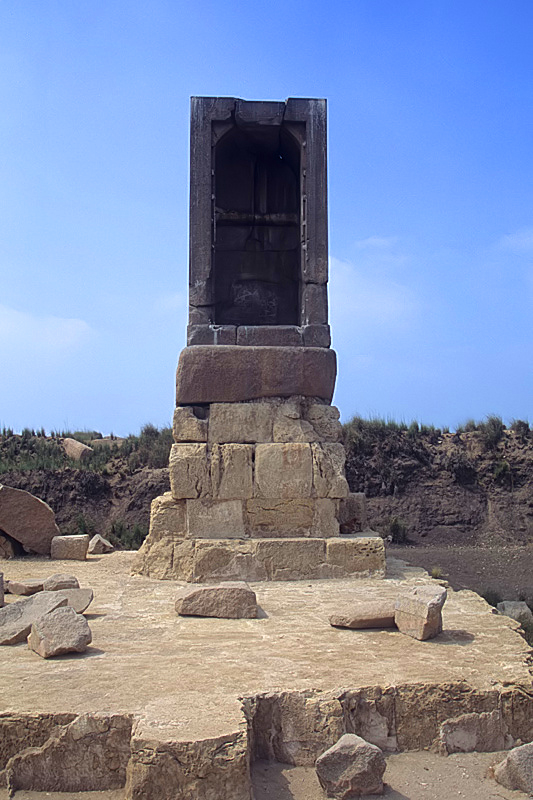
Mendes
Ancient city with significant religious structures.
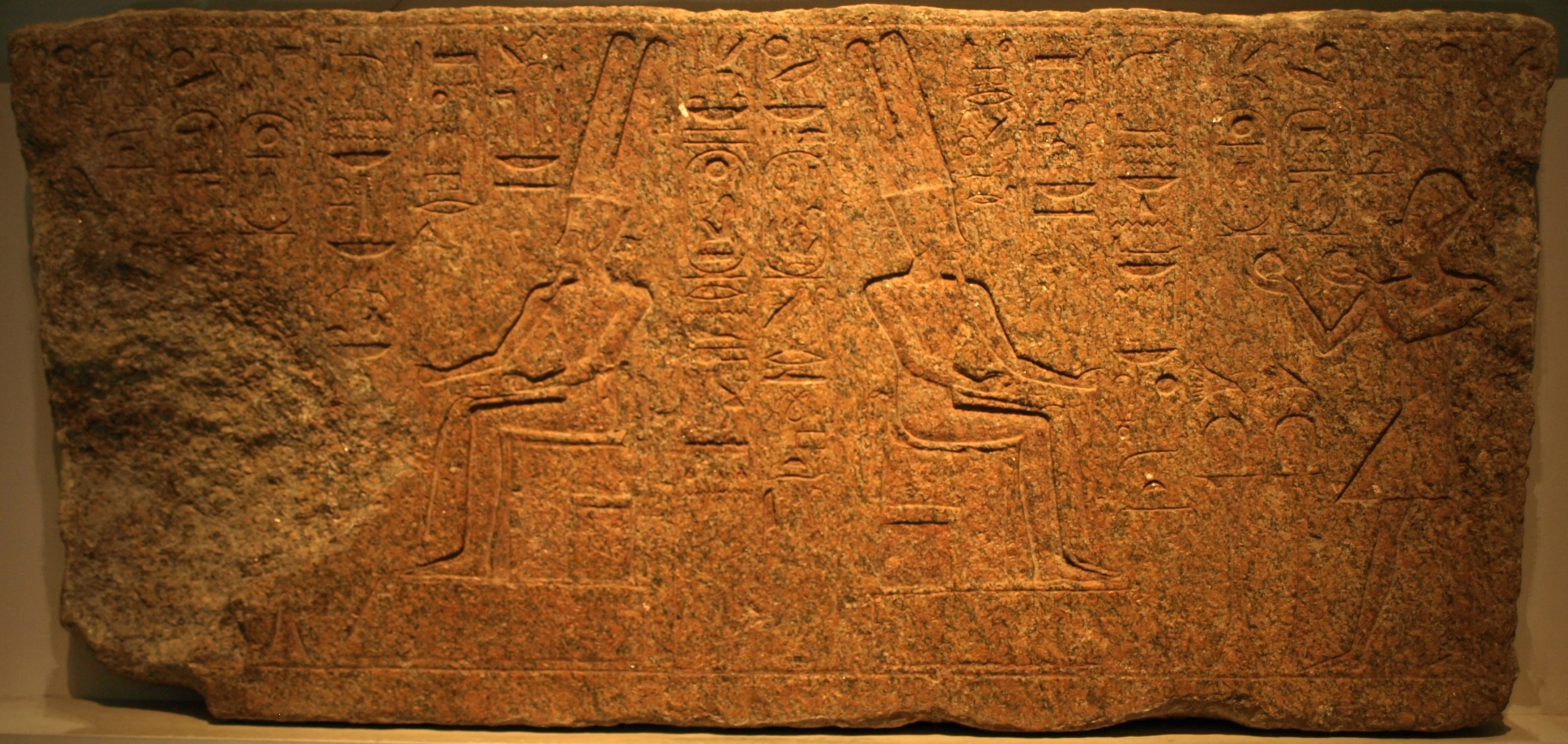
Bubastis
Ancient Egyptian city with Bastet temple
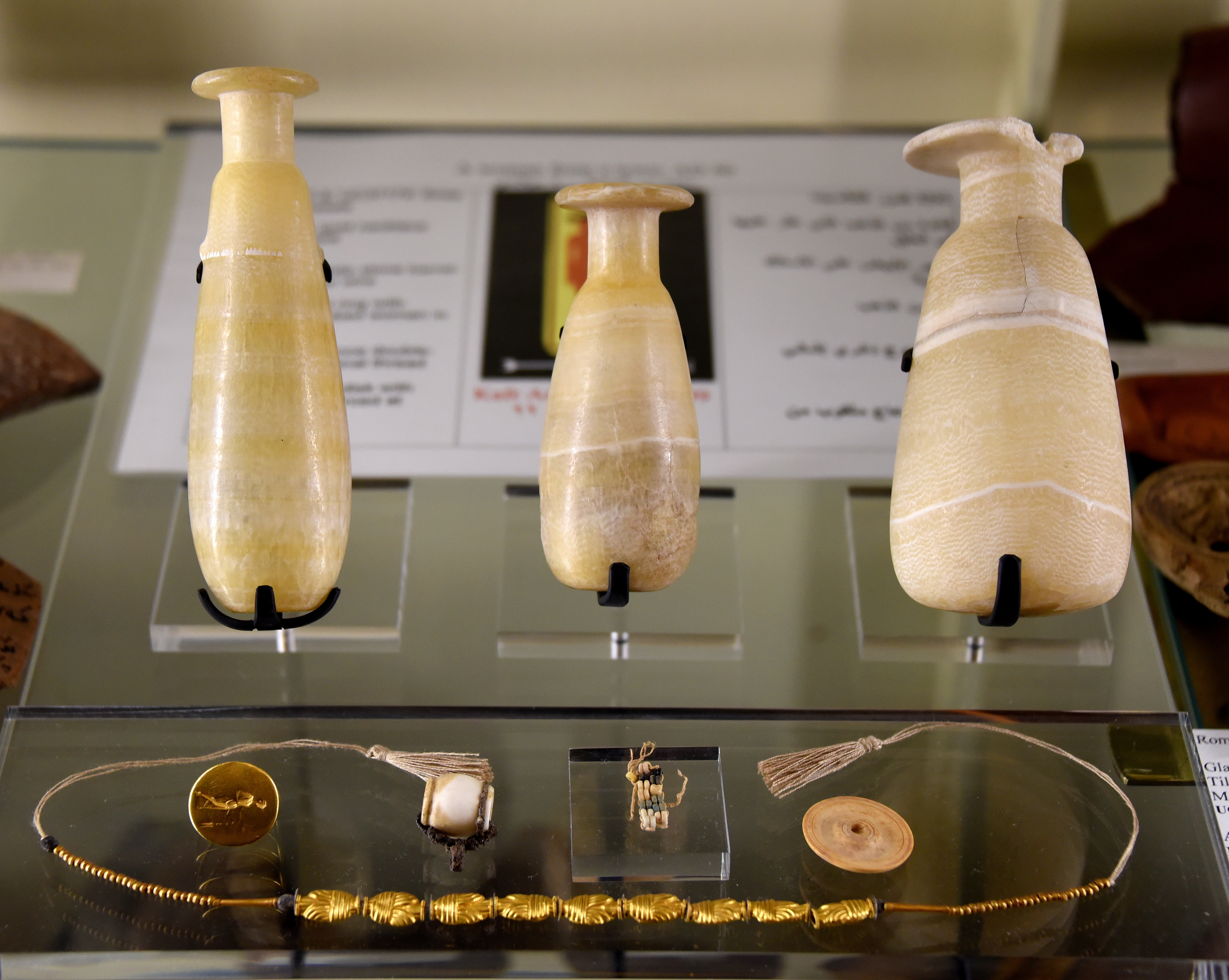
Tarkhan (Egypt)
Ancient Egyptian necropolis with mastabas and tombs.
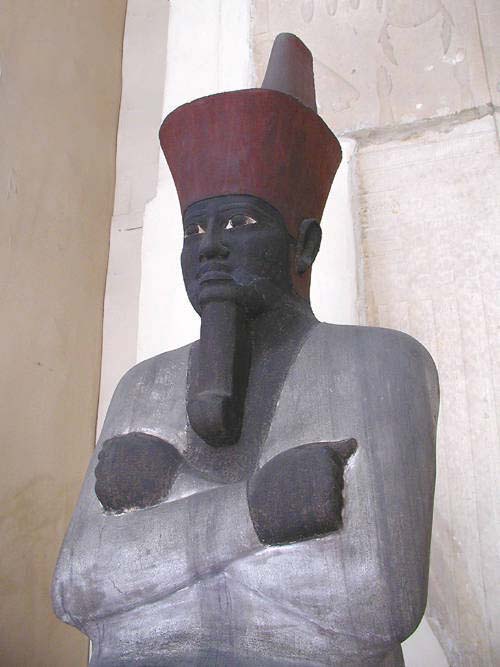
Thinis
Ancient Upper Egypt's undiscovered capital city.
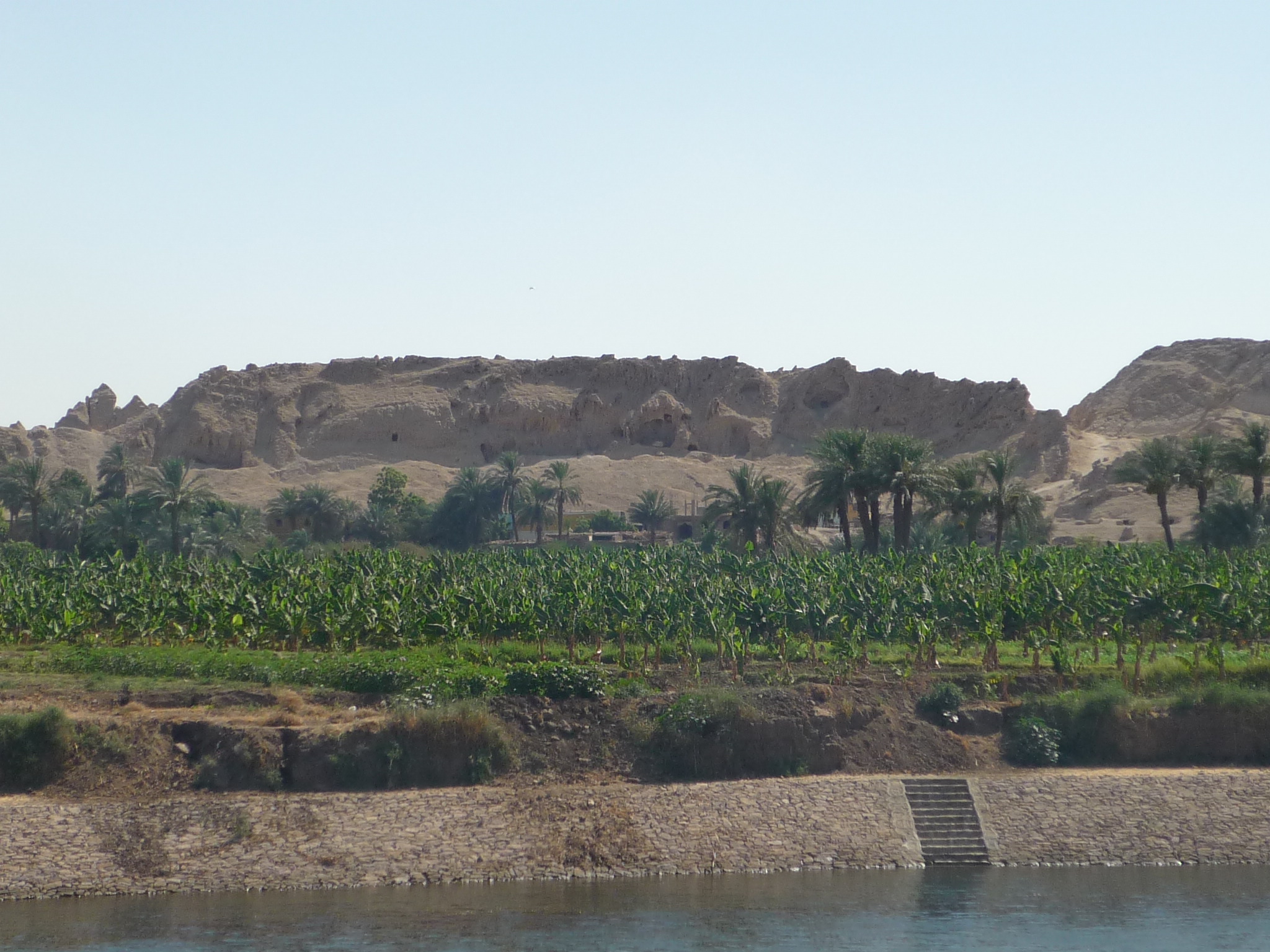
Gebelein
Archaeological site with mummies and temple ruins