Explore the Map
Hawara
29.2742° N, 30.8989° E
About
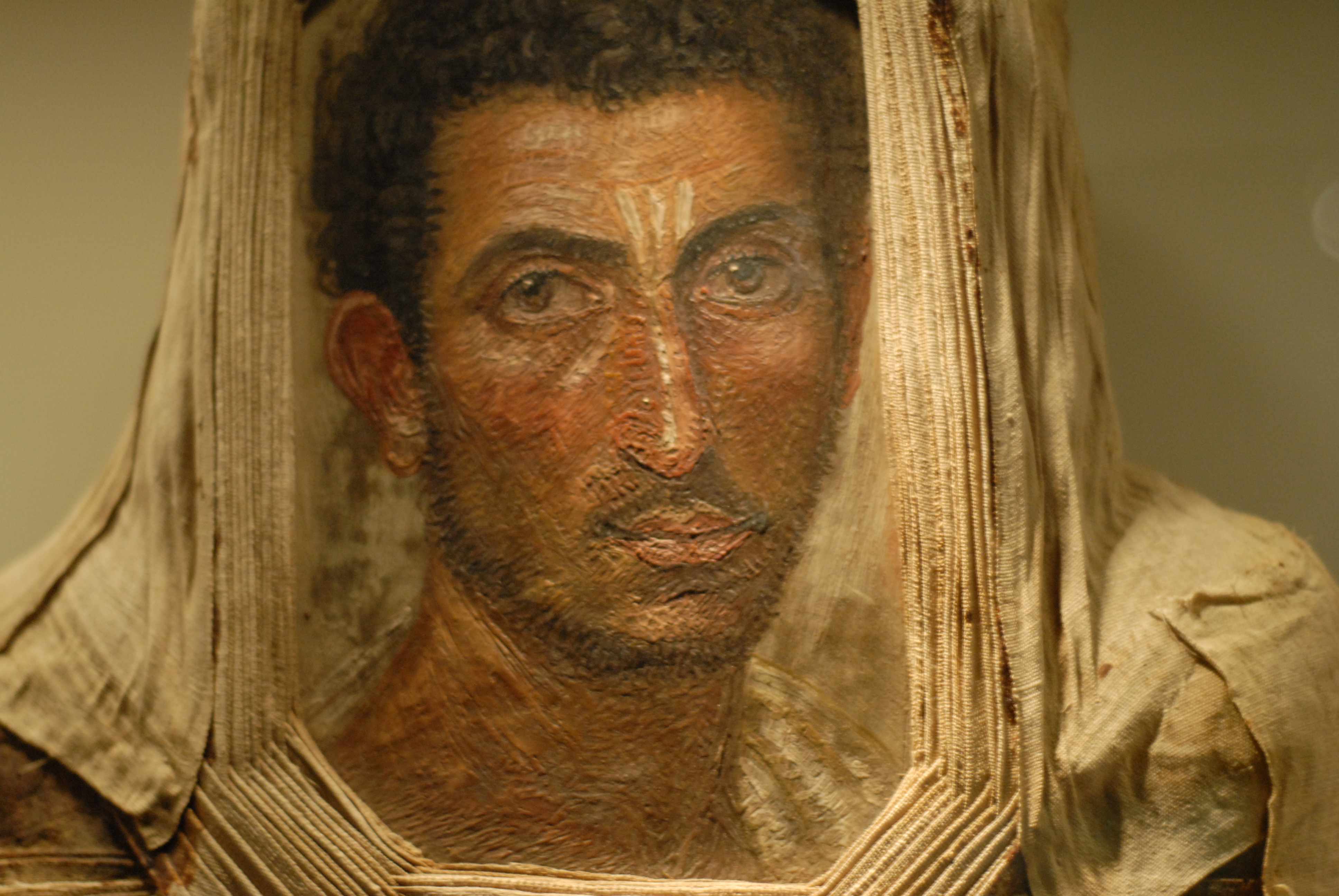
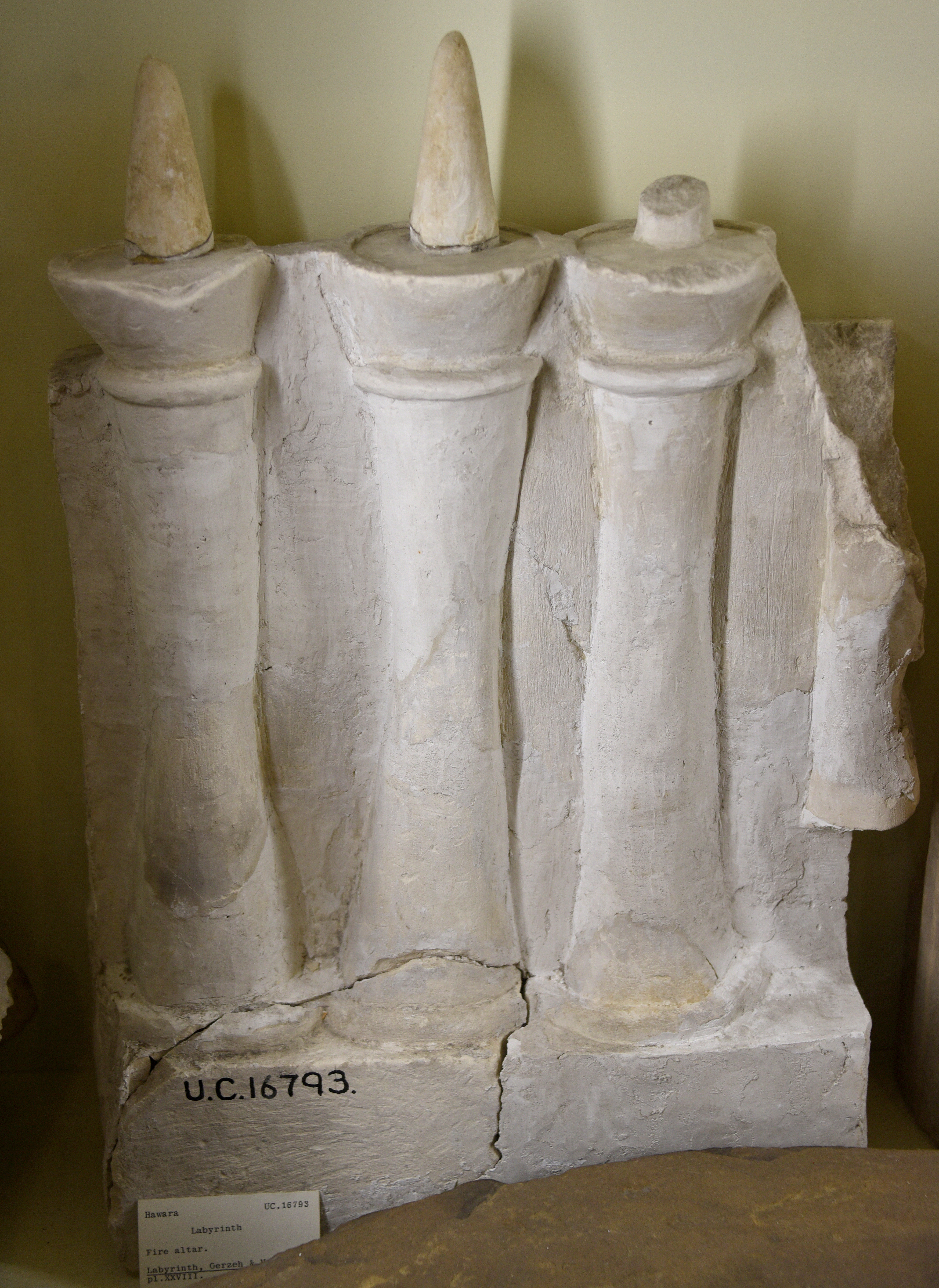
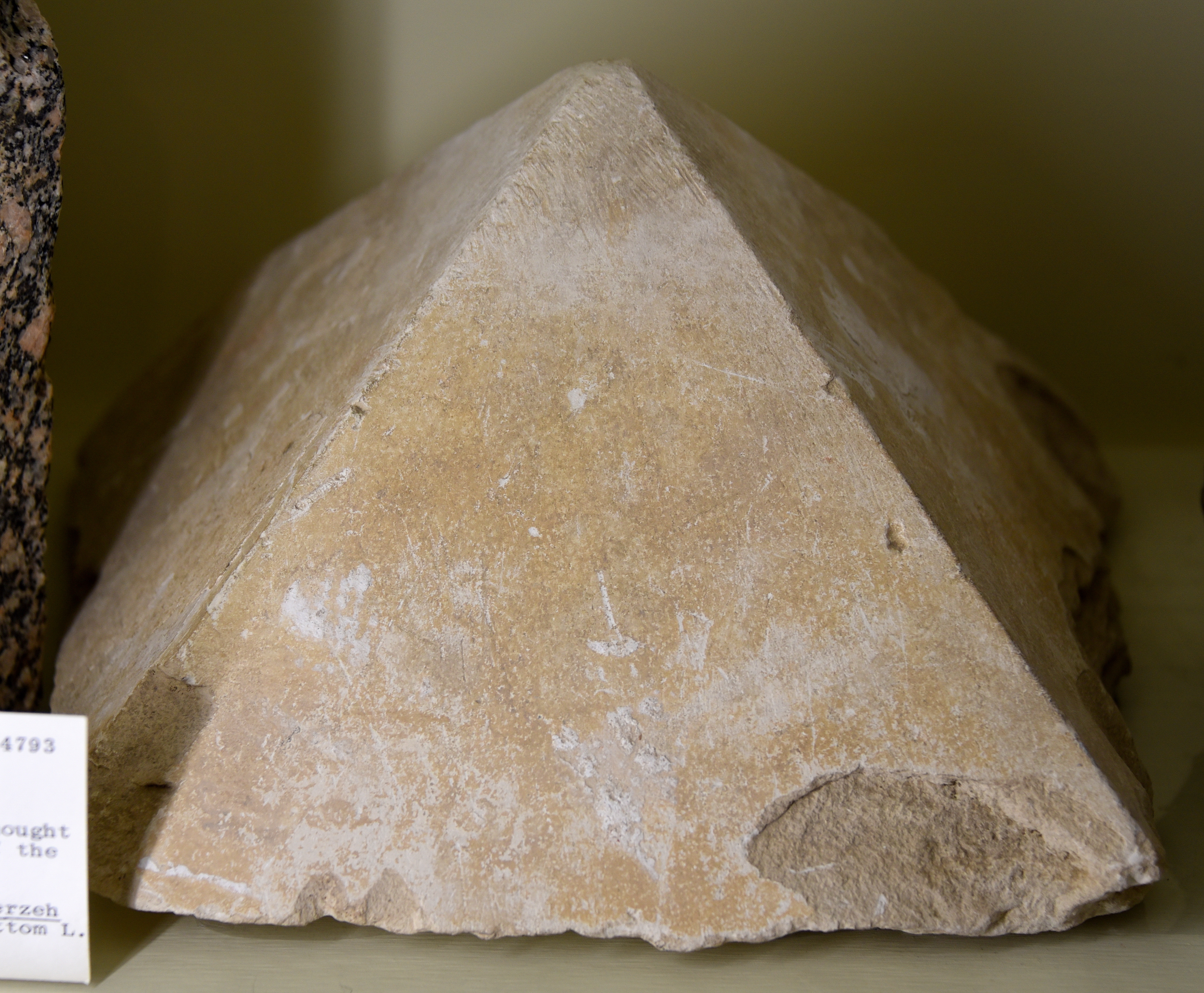
The archaeological site of Hawara, located at the entrance to the Fayyum oasis in Egypt, features the remains of a pyramid built by Pharaoh Amenemhat III of the 12th Dynasty. This Middle Bronze Age site includes the pyramid, the tomb of Neferuptah, and the remnants of a vast mortuary temple complex, often referred to as the 'Labyrinth' by ancient historians. The pyramid, originally constructed with a limestone core and mudbrick exterior, has suffered significant erosion over the millennia, leaving a mound of mudbrick and some foundational stonework. The site also holds significance for its connection to the Ptolemaic period, during which renovations were made. The discovery of Roman-era Fayum mummy portraits adds a layer of cultural richness to the site.
Gallery
Explore photographs of ancient structures, artifacts, and archaeological excavations
Historical Timeline
Journey through time and discover key events in this site's history
Mortuary temple and labyrinth
1800 BCE
Neferuptah's tomb construction
1800 BCE
Amenemhat III pyramid construction
1800 BCE
Ptolemaic renovations
280 BCE
Archaeological Features
Unique architectural and cultural elements found at this historical site
Public and Civic Structures
Burial and Funerary Structures
Religious and Ritual Structures
Artistic and Decorative Features
Frequently Asked Questions
Plan Your Visit
Tours, travel arrangements, and practical information


More Sites in Egypt
Gebelein
Archaeological site with mummies and temple ruins
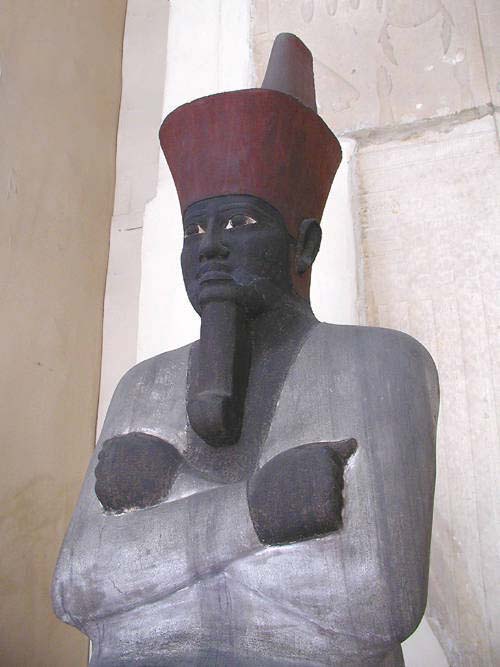
Thinis
Ancient Upper Egypt's undiscovered capital city.
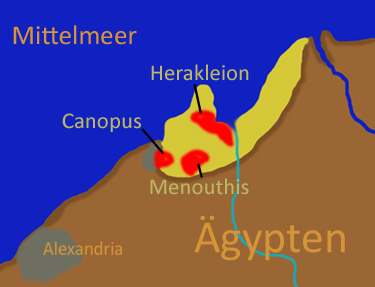
Canopus, Egypt
Submerged ancient Egyptian coastal town ruins
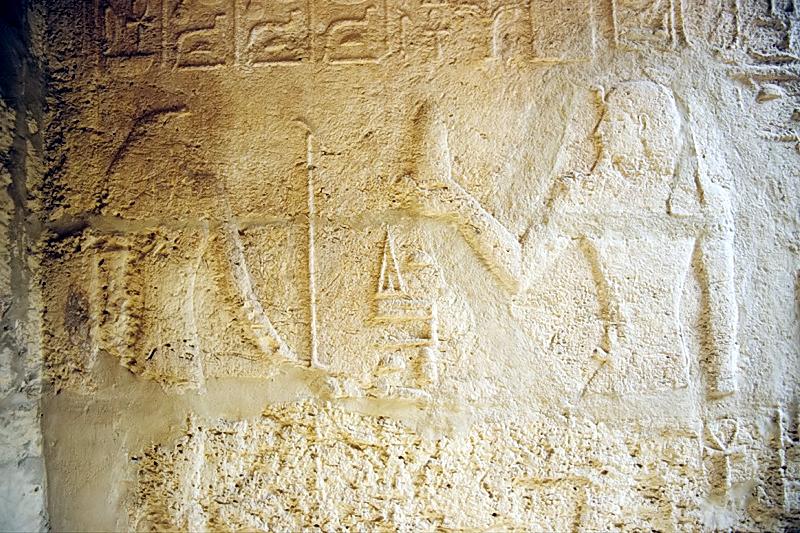
Medinet Madi
Greco-Roman town with Middle Kingdom temple

Leontopolis (Heliopolis)
Ancient city with fortifications and a temple.
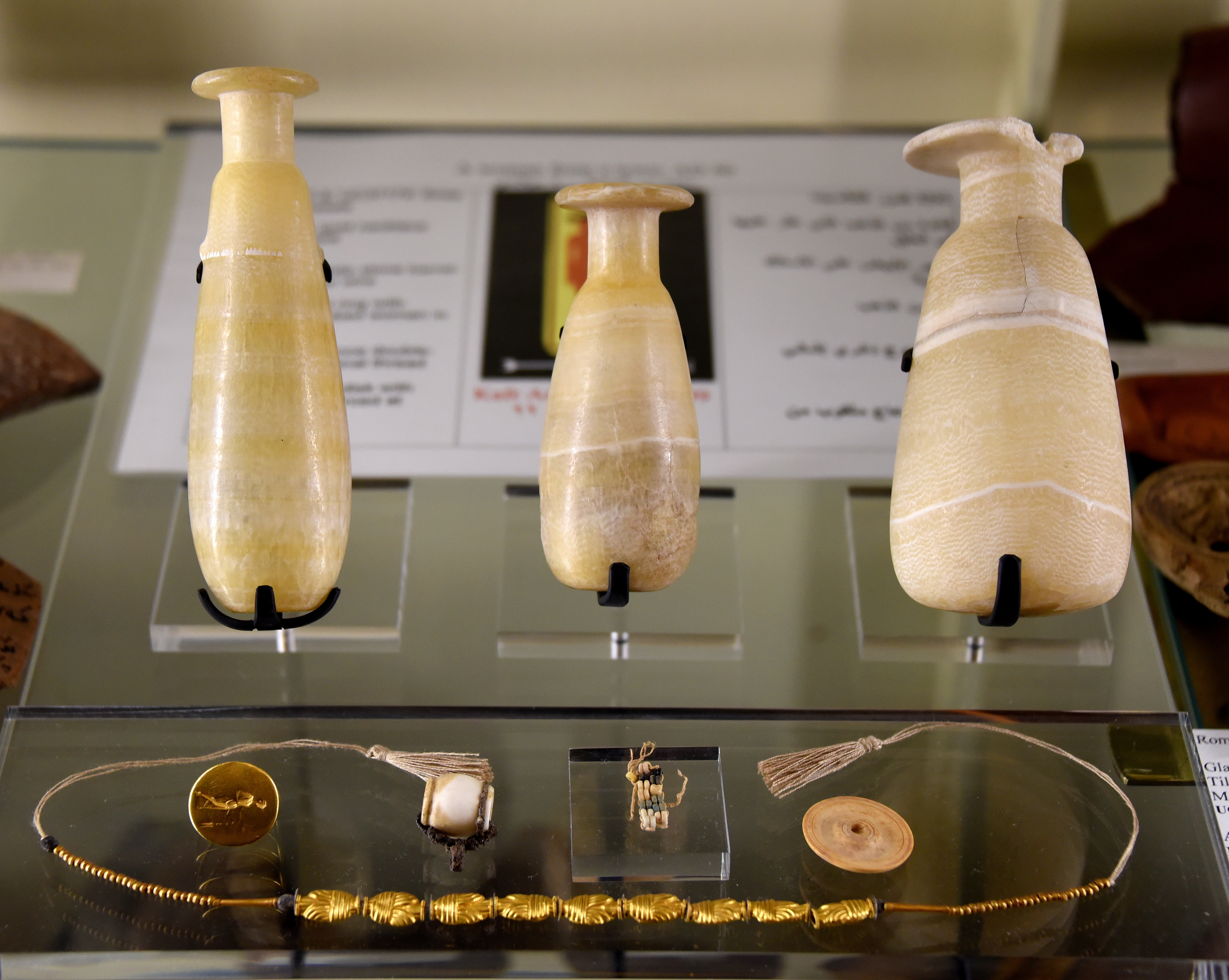
Tarkhan (Egypt)
Ancient Egyptian necropolis with mastabas and tombs.