Explore the Map
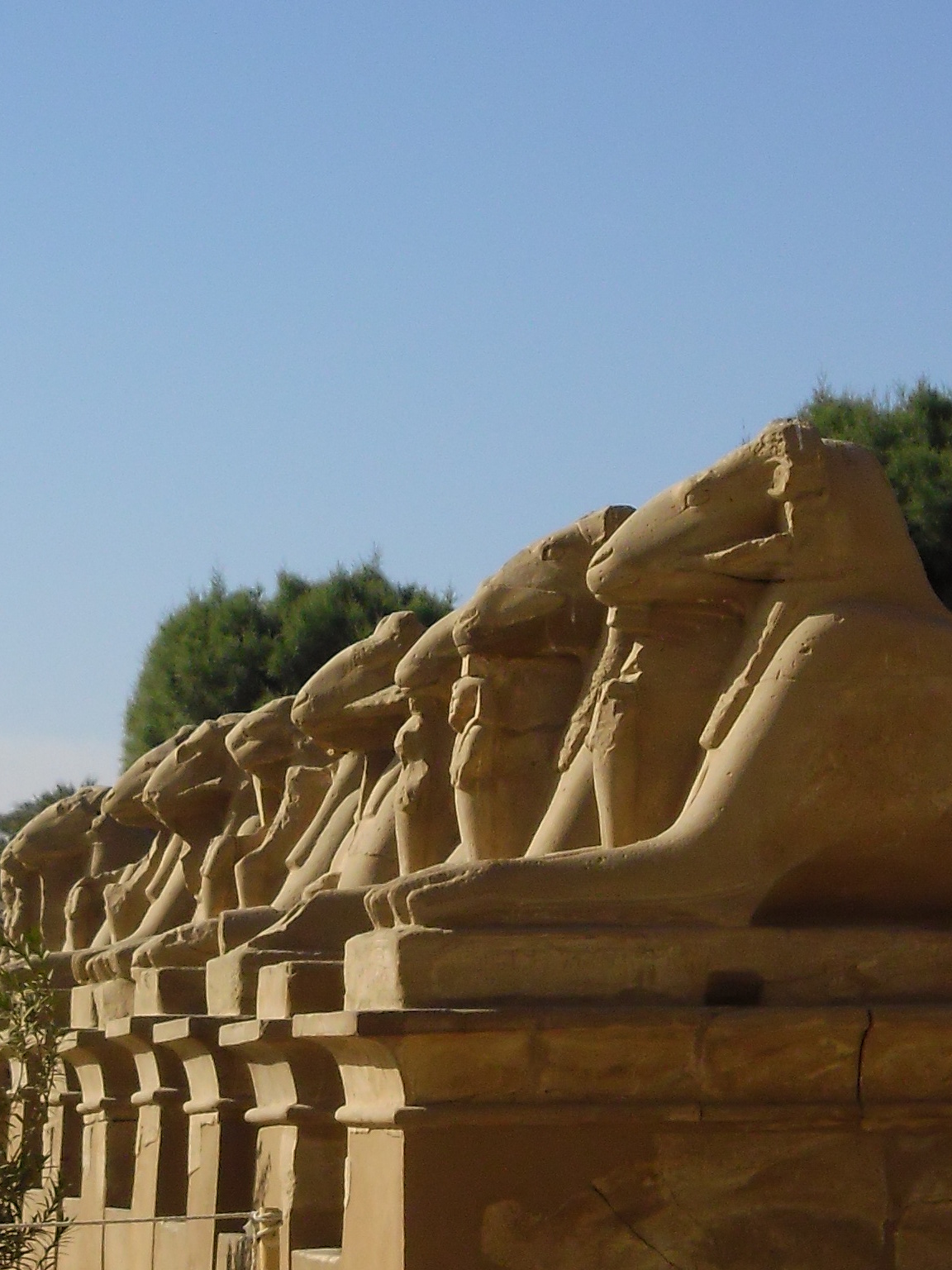
Avenue of Sphinxes
25.7078° N, 32.6483° E
About
The Avenue of Sphinxes, also known as the King's Festivities Road, is a remarkable archaeological site in modern Luxor, Egypt. This ancient processional road, approximately 2.7 kilometers long, connects the Karnak and Luxor Temples. It is adorned with over a thousand statues, including 807 sphinx-shaped and 250 ram-headed figures, showcasing the artistic prowess of ancient Egyptian civilization. The avenue's construction began during the New Kingdom era and reached completion in the 4th century BCE under Pharaoh Nectanebo I of the 30th Dynasty. This ceremonial road represents a significant architectural and religious feat, serving as a grand passageway for religious processions and festivals dedicated to the deities Amun Ra, Khonsu, and Mut. Its restoration and reopening in 2021 highlight its enduring historical and cultural importance.
Gallery
Explore photographs of ancient structures, artifacts, and archaeological excavations
Historical Timeline
Journey through time and discover key events in this site's history
Completion under Nectanebo I
380 BCE - 362 BCE
Construction Begins
New Kingdom era
Archaeological Features
Unique architectural and cultural elements found at this historical site
Religious and Ritual Structures
Artistic and Decorative Features
Transportation and Communication Structures
Frequently Asked Questions
Plan Your Visit
Tours, travel arrangements, and practical information


More Sites in Egypt

Leontopolis (Heliopolis)
Ancient city with fortifications and a temple.
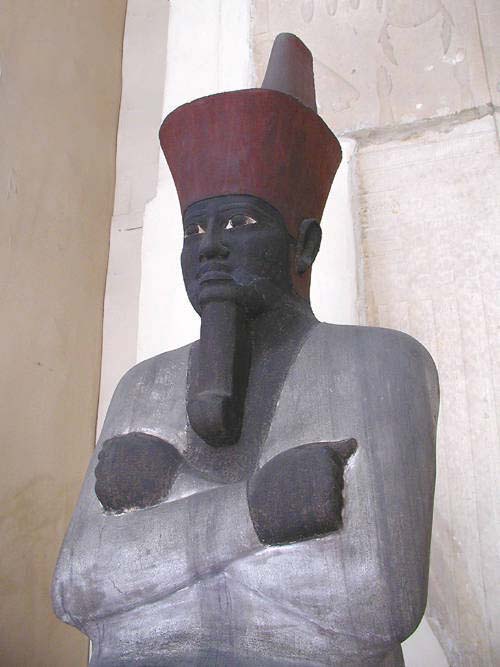
Thinis
Ancient Upper Egypt's undiscovered capital city.
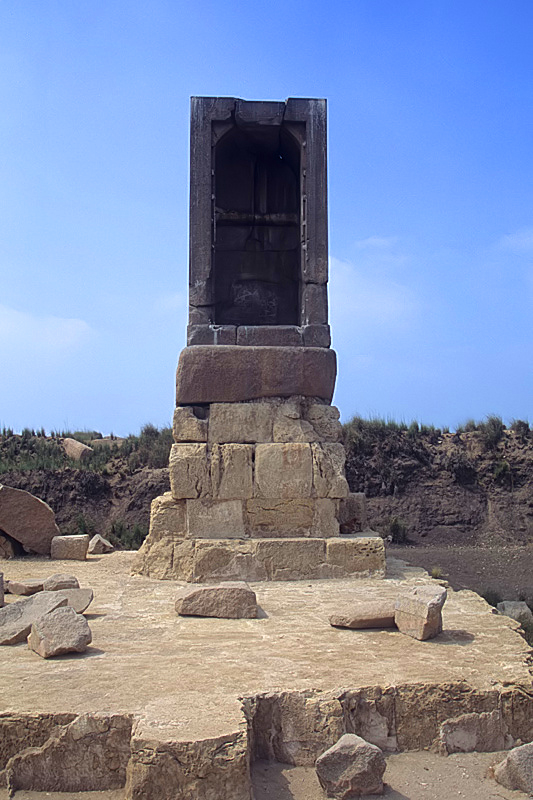
Mendes
Ancient city with significant religious structures.
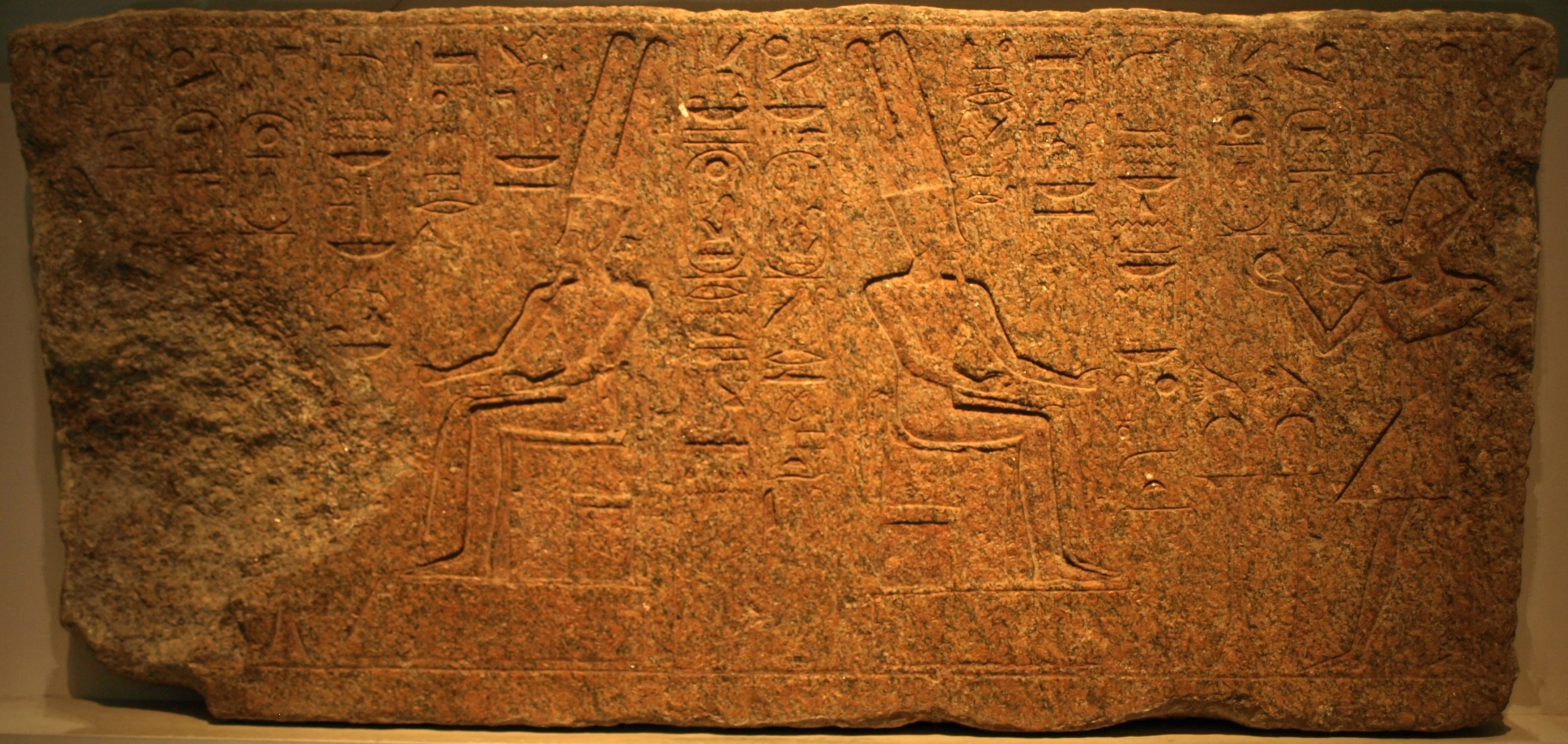
Bubastis
Ancient Egyptian city with Bastet temple
Medinet Madi
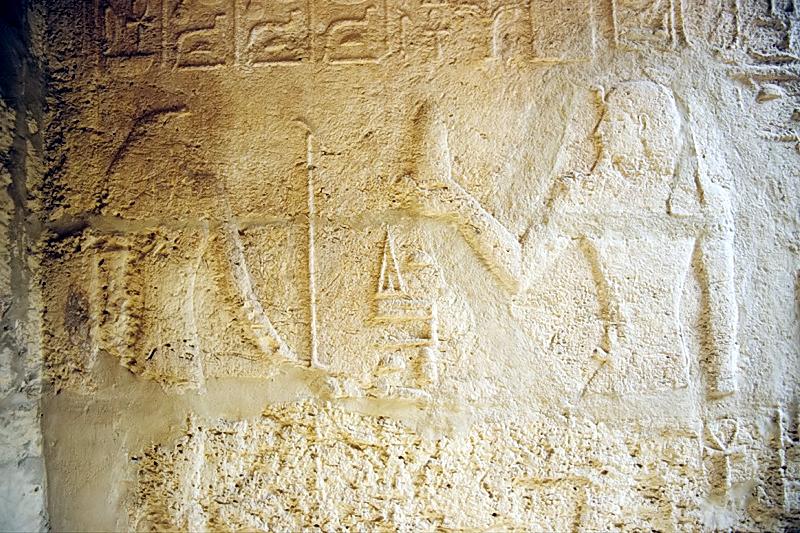
Greco-Roman town with Middle Kingdom temple
Canopus, Egypt
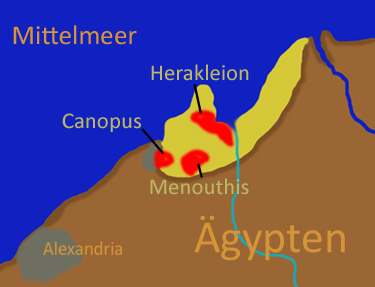
Submerged ancient Egyptian coastal town ruins