Explore the Map
Ballana
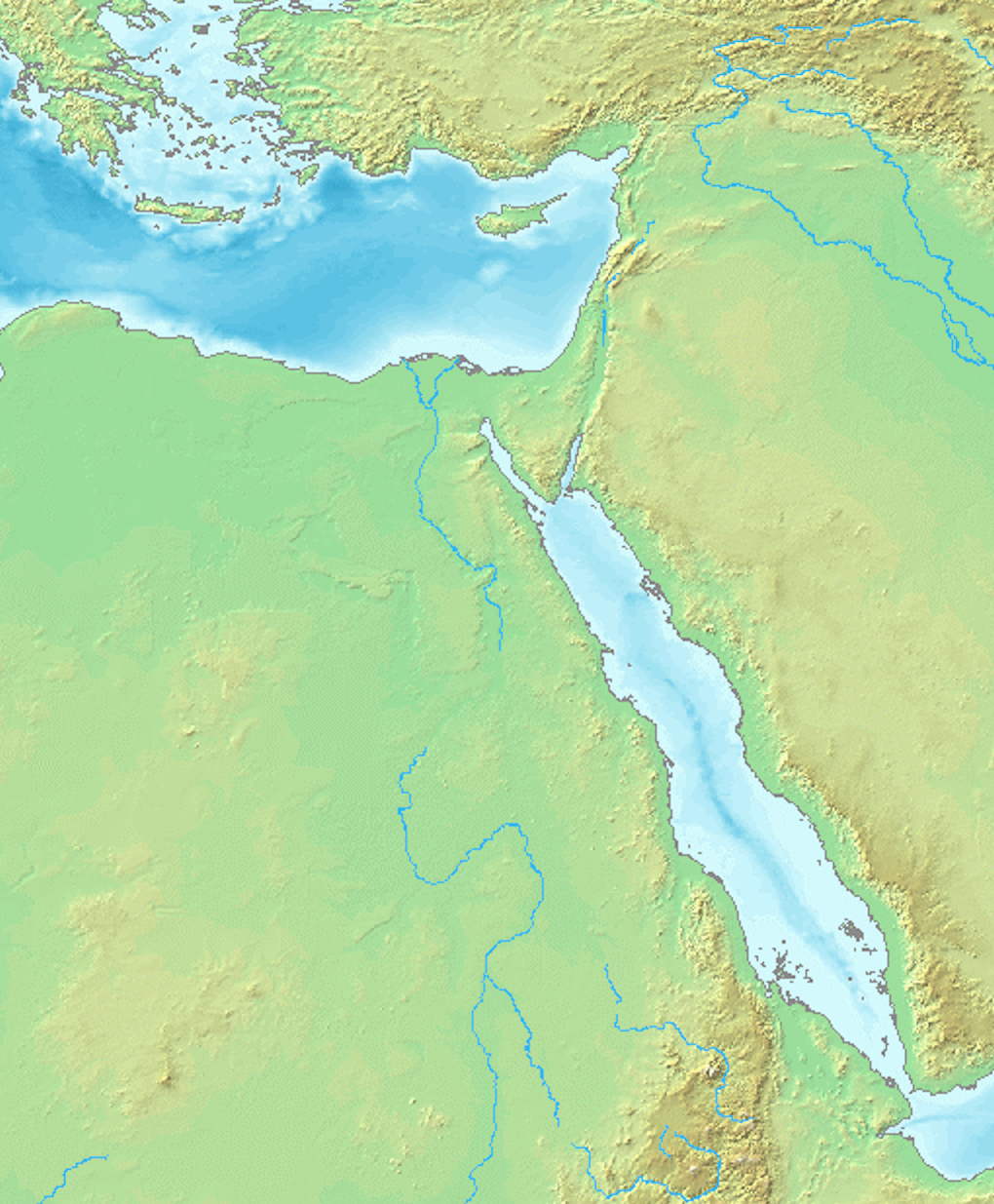
22.2667° N, 31.5667° E
About
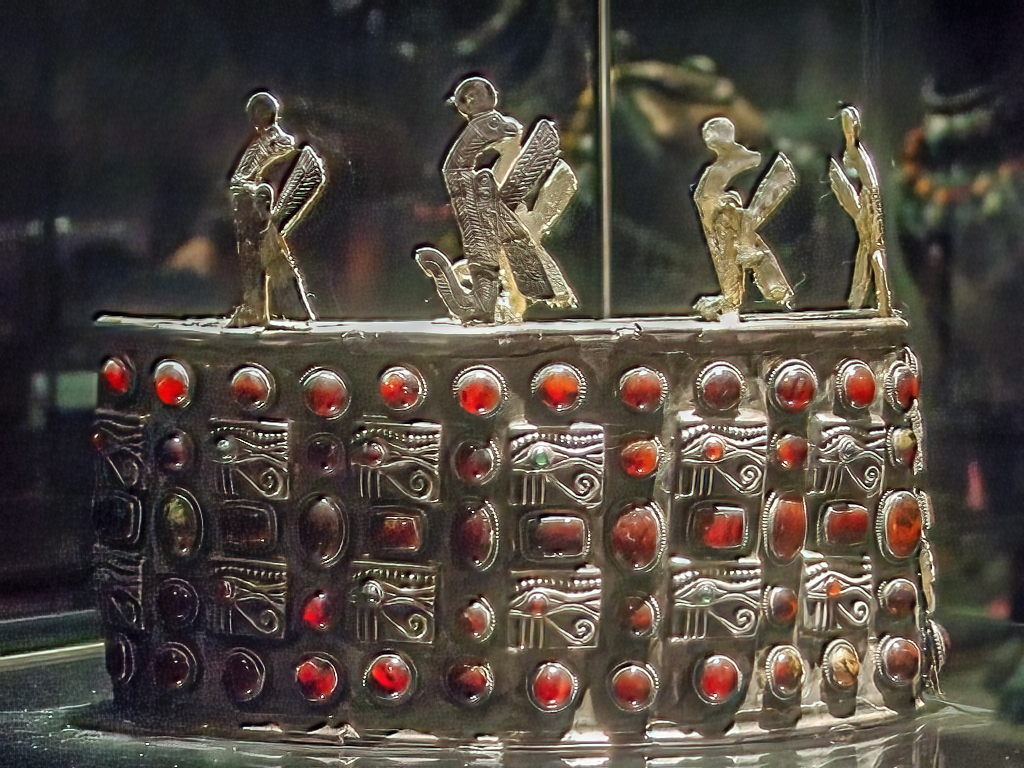
Ballana is an archaeological site in Lower Nubia that features a cemetery with 122 tombs, predominantly from the post-Meroitic period, around 350 to 600 CE. The site includes large artificial mounds covering the tombs, some of which remain unlooted, providing valuable insights into the burial practices of the time. The tombs generally contain one or more underground chambers, and many are attributed to the local ruling class, indicated by the presence of crowns and other significant burial goods. The artifacts unearthed, including imports from Byzantine Egypt, underscore the cultural interactions and wealth of the Nubian elite. The discovery of Tomb 118, a likely royal burial, further highlights the site's significance in understanding the X-Group, or Ballana Culture, which bridges the transition from the Meroitic state to the Christian Nubian kingdoms.
Gallery
Explore photographs of ancient structures, artifacts, and archaeological excavations
Historical Timeline
Journey through time and discover key events in this site's history
Ballana Culture burials
350 to 600 CE
Collapse of Meroitic state
350 CE
Archaeological Features
Unique architectural and cultural elements found at this historical site
Burial and Funerary Structures
Environmental and Natural Features
Frequently Asked Questions
Plan Your Visit
Tours, travel arrangements, and practical information
More Sites in Egypt
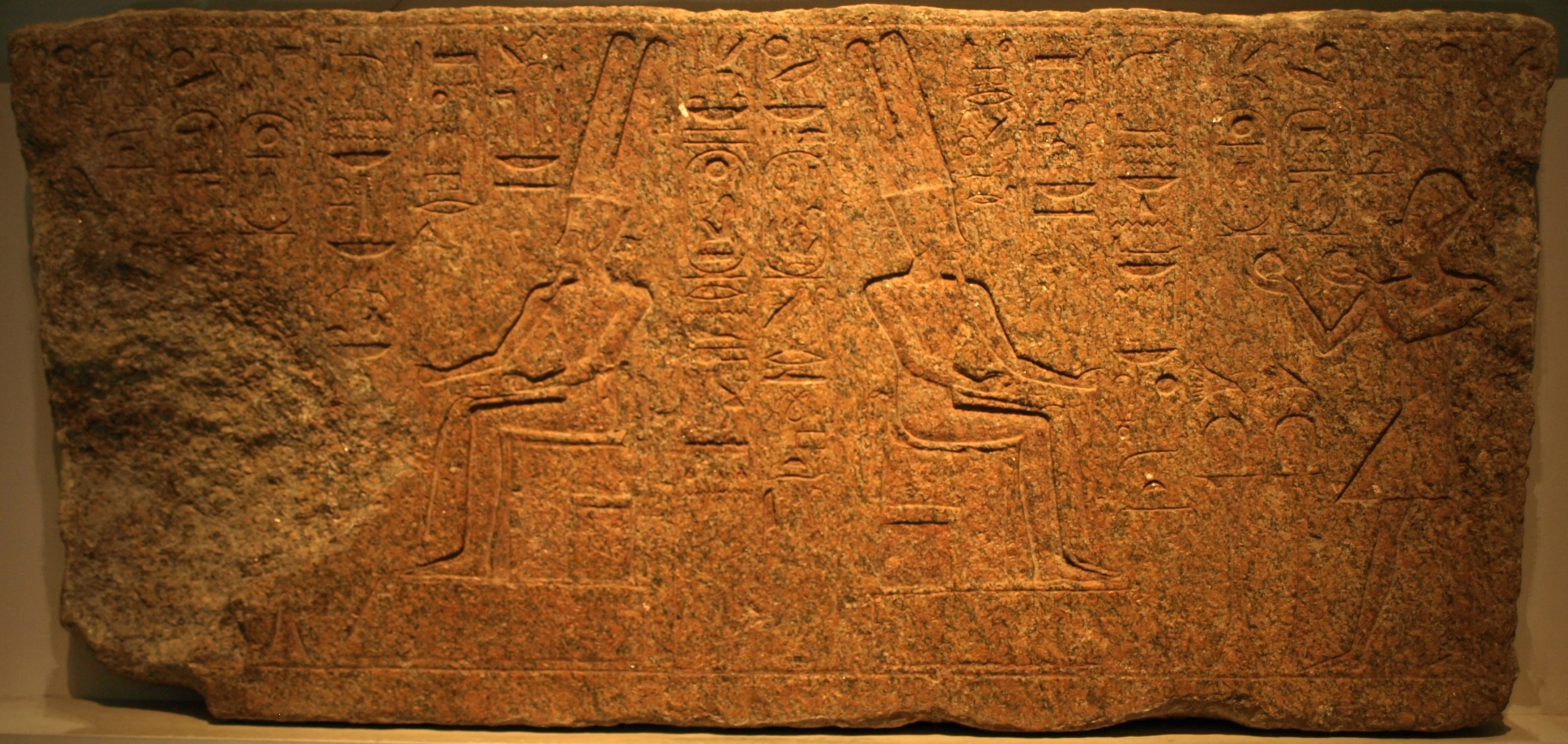
Bubastis
Ancient Egyptian city with Bastet temple

Leontopolis (Heliopolis)
Ancient city with fortifications and a temple.
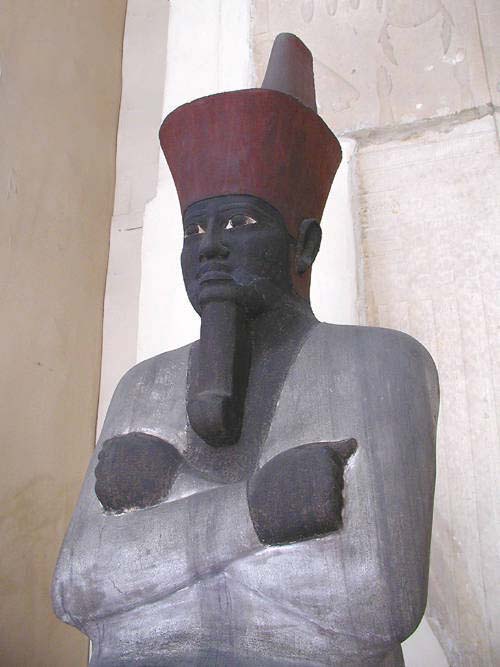
Thinis
Ancient Upper Egypt's undiscovered capital city.
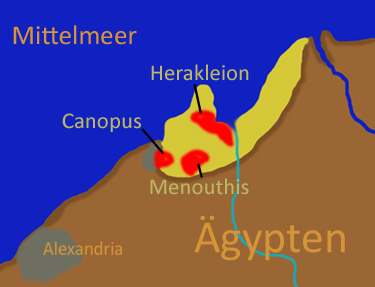
Canopus, Egypt
Submerged ancient Egyptian coastal town ruins
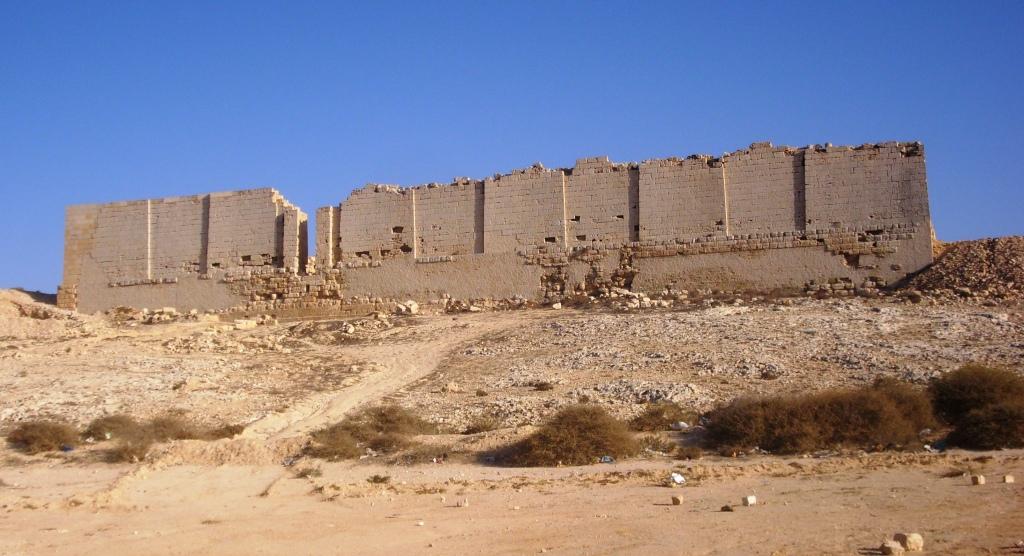
Taposiris Magna
Ancient city with temple and tombs
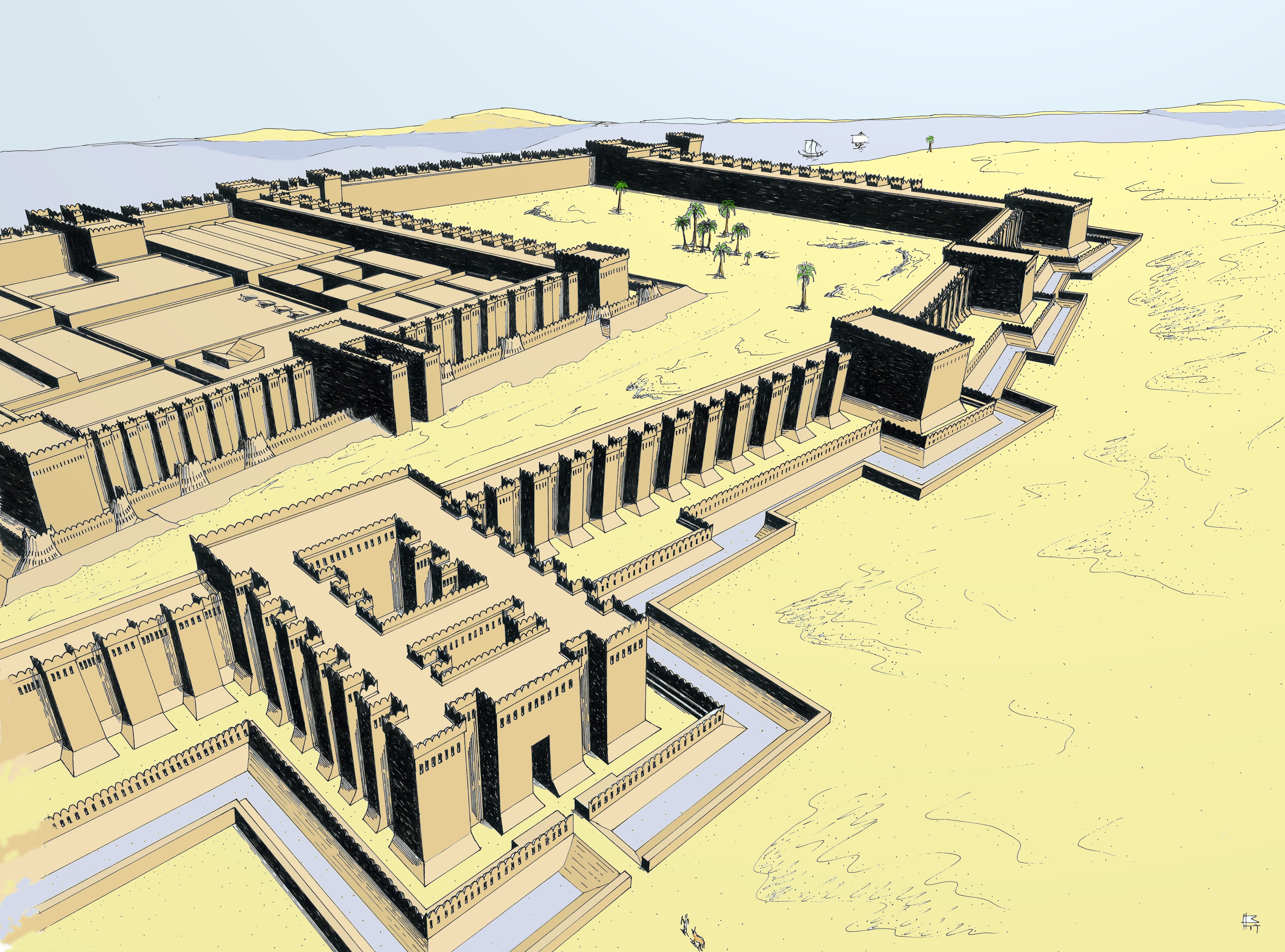
Buhen
Ancient Egyptian fortress with copper smelting.