Explore the Map
Taposiris Magna
30.9462° N, 29.5187° E
About
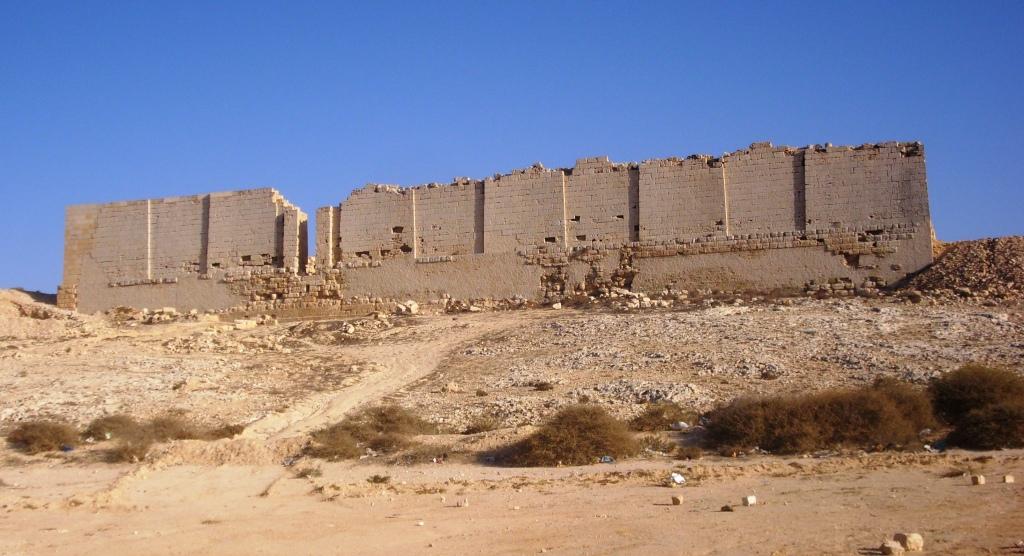
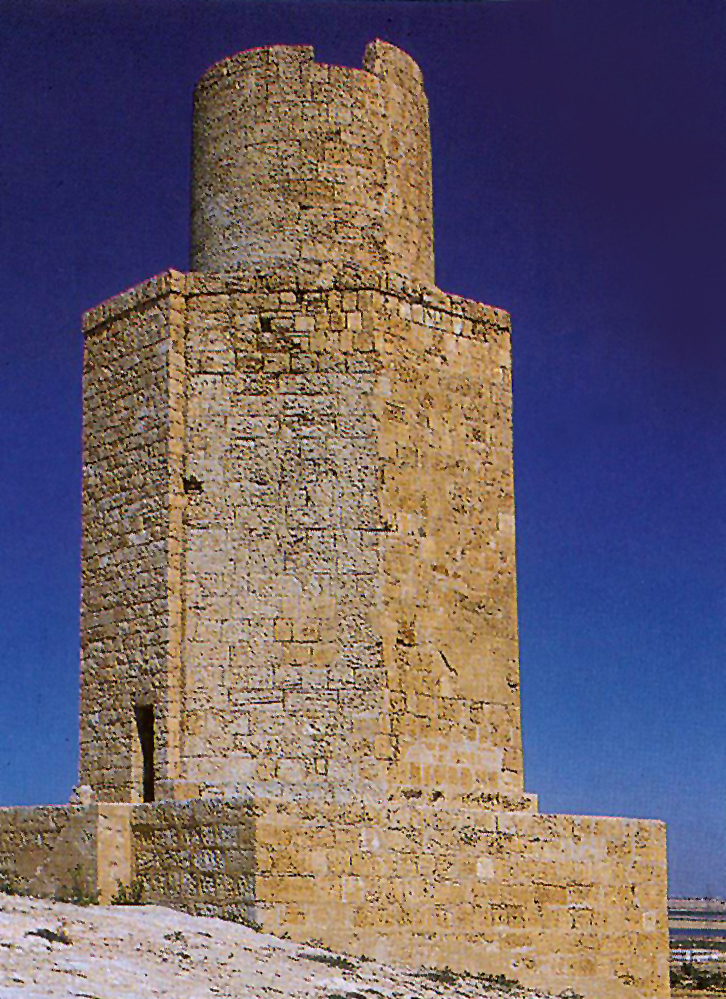
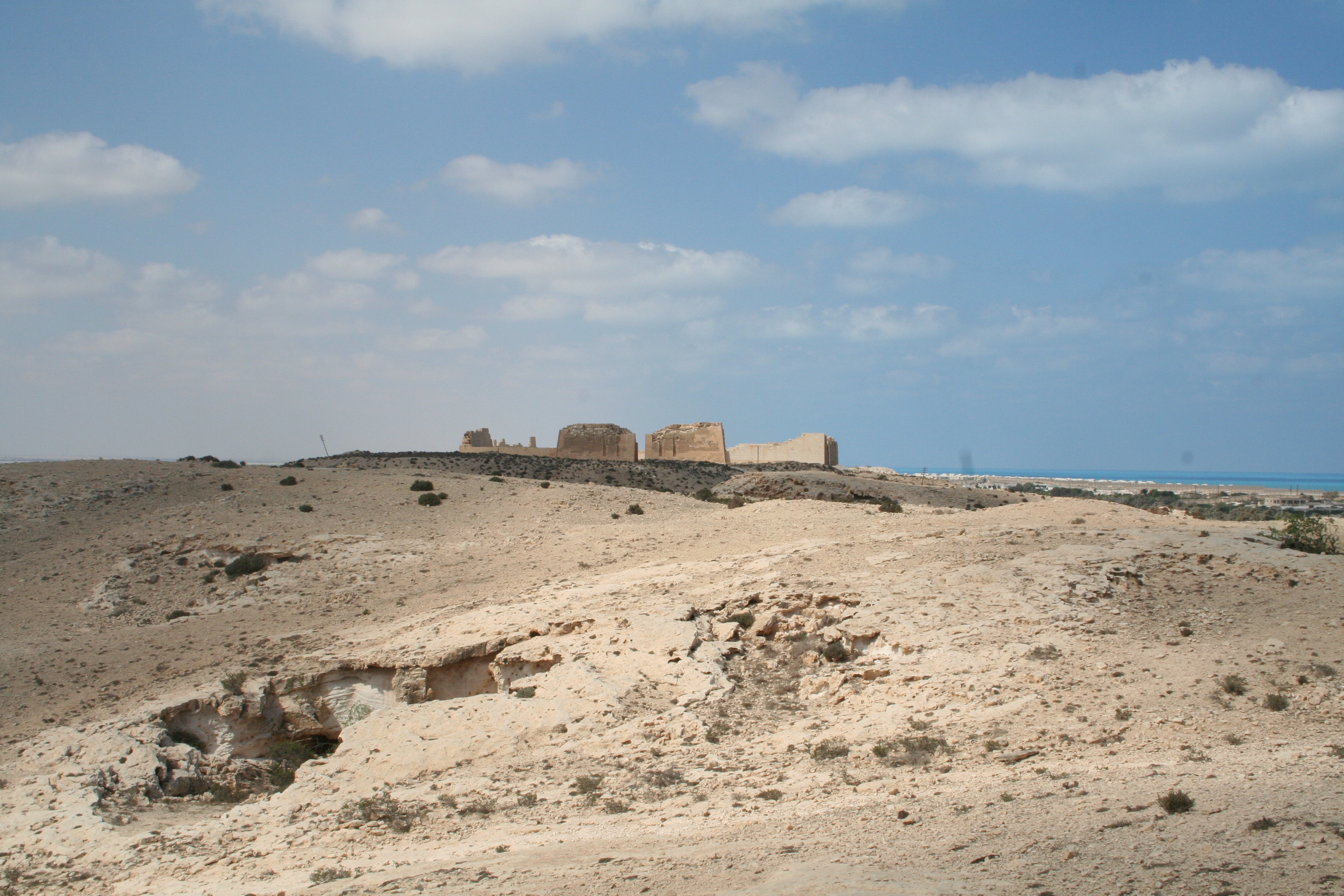
Taposiris Magna, established by Ptolemy II Philadelphus in the 3rd century BCE, is a significant archaeological site located in Egypt. Known for its religious importance, the city became a center for the Khoiak festival, dedicated to Osiris. The site features a temple, which may be the final resting place of Cleopatra VII, and a necropolis with Greco-Roman style mummies. The city was strategically positioned on an ancient trade route, facilitated by its harbor. Among its notable structures are a monumental tower and a recently discovered water tunnel, mirroring the Tunnel of Eupalinos in Greece. These attributes highlight Taposiris Magna's role in the cultural and trade exchanges during the Hellenistic period.
Gallery
Explore photographs of ancient structures, artifacts, and archaeological excavations
Historical Timeline
Journey through time and discover key events in this site's history
Greco-Roman occupation
200 BCE
Temple construction
200-100 BCE
City establishment
280-270 BCE
Religious festival center
280-270 BCE
Water tunnel construction
300-100 BCE
Archaeological Features
Unique architectural and cultural elements found at this historical site
Water Management Features
Burial and Funerary Structures
Religious and Ritual Structures
Artistic and Decorative Features
Domestic and Habitation Structures
Frequently Asked Questions
Plan Your Visit
Tours, travel arrangements, and practical information
More Sites in Egypt
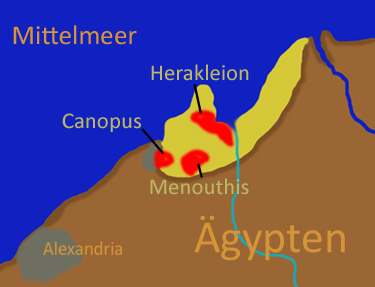
Canopus, Egypt
Submerged ancient Egyptian coastal town ruins
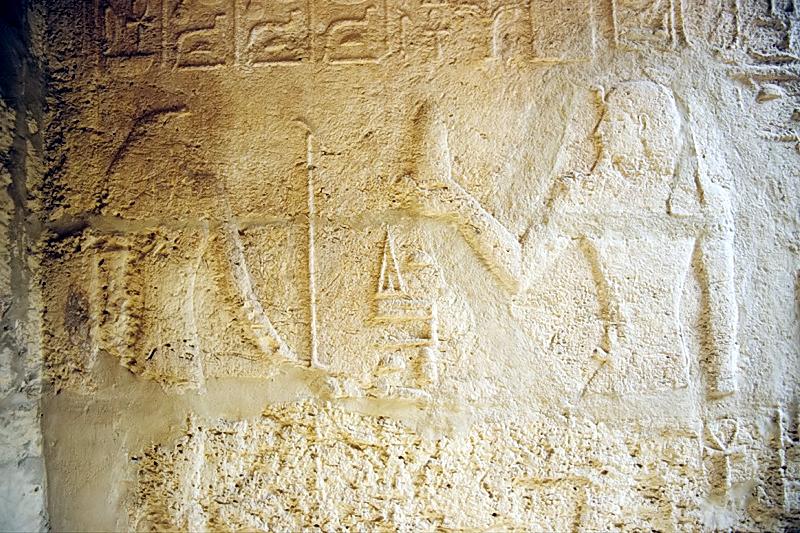
Medinet Madi
Greco-Roman town with Middle Kingdom temple
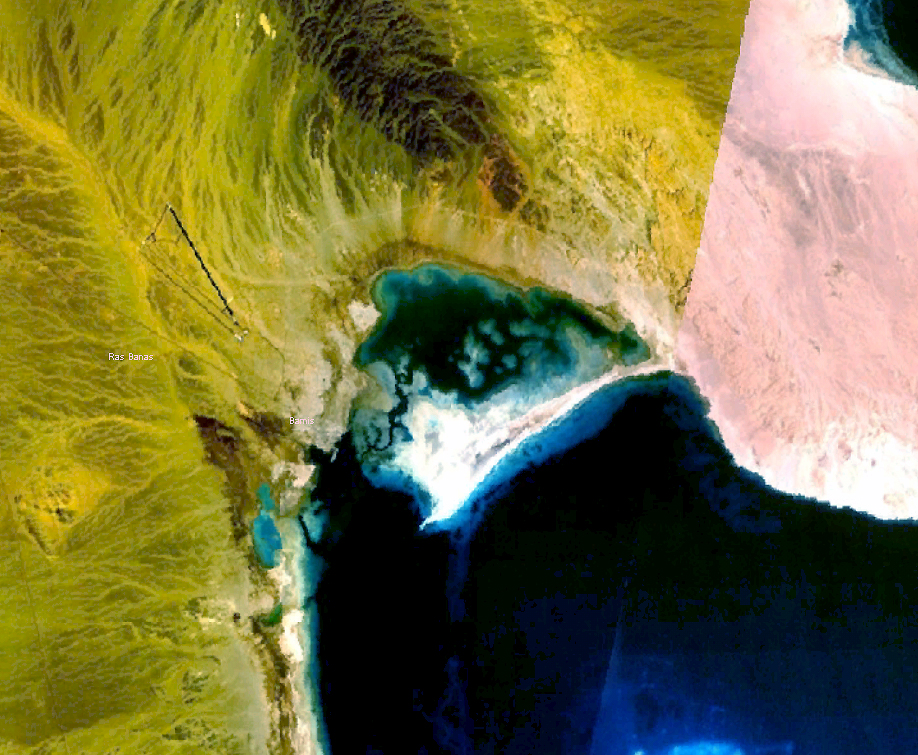
Berenice Troglodytica
Ancient Egyptian seaport with trade connections
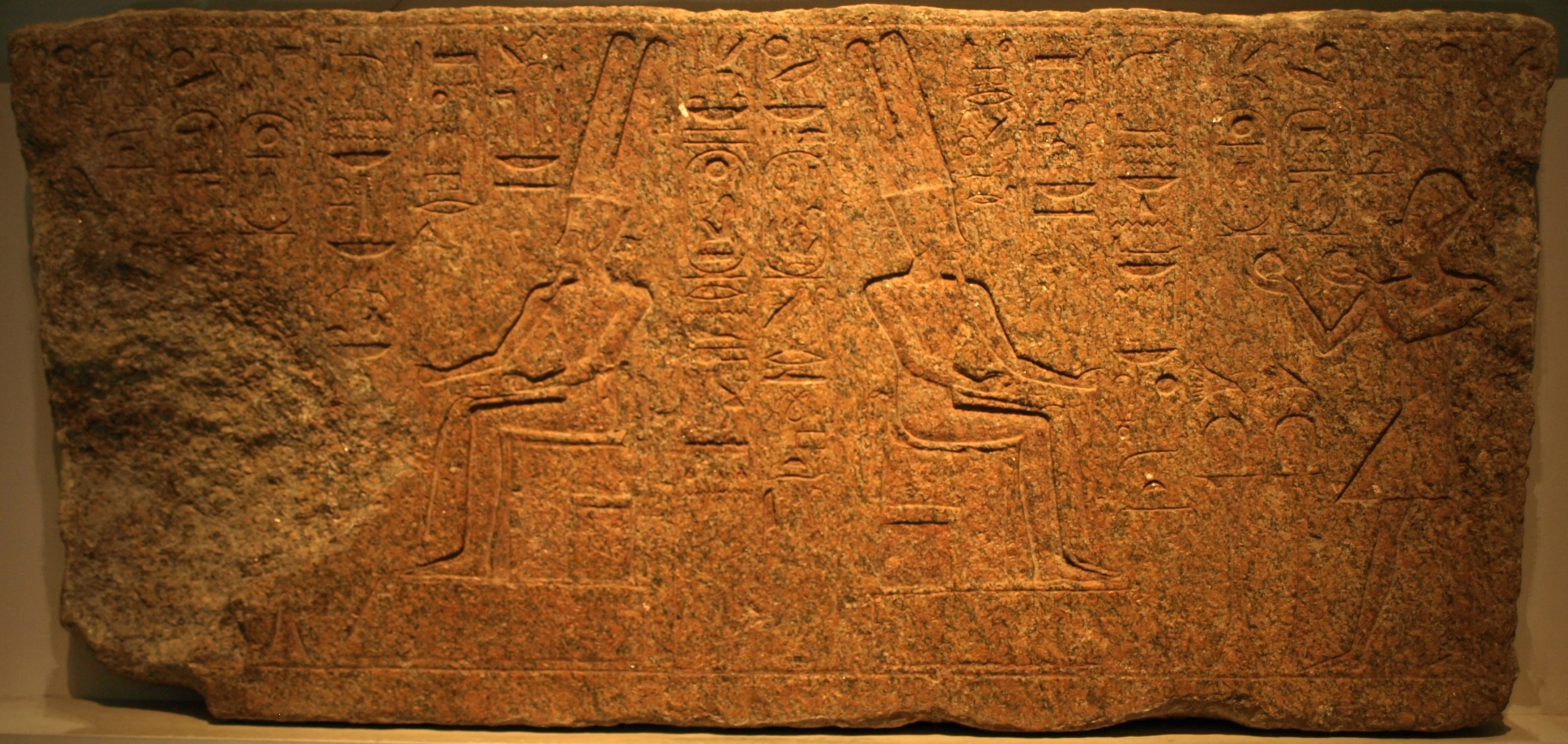
Bubastis
Ancient Egyptian city with Bastet temple
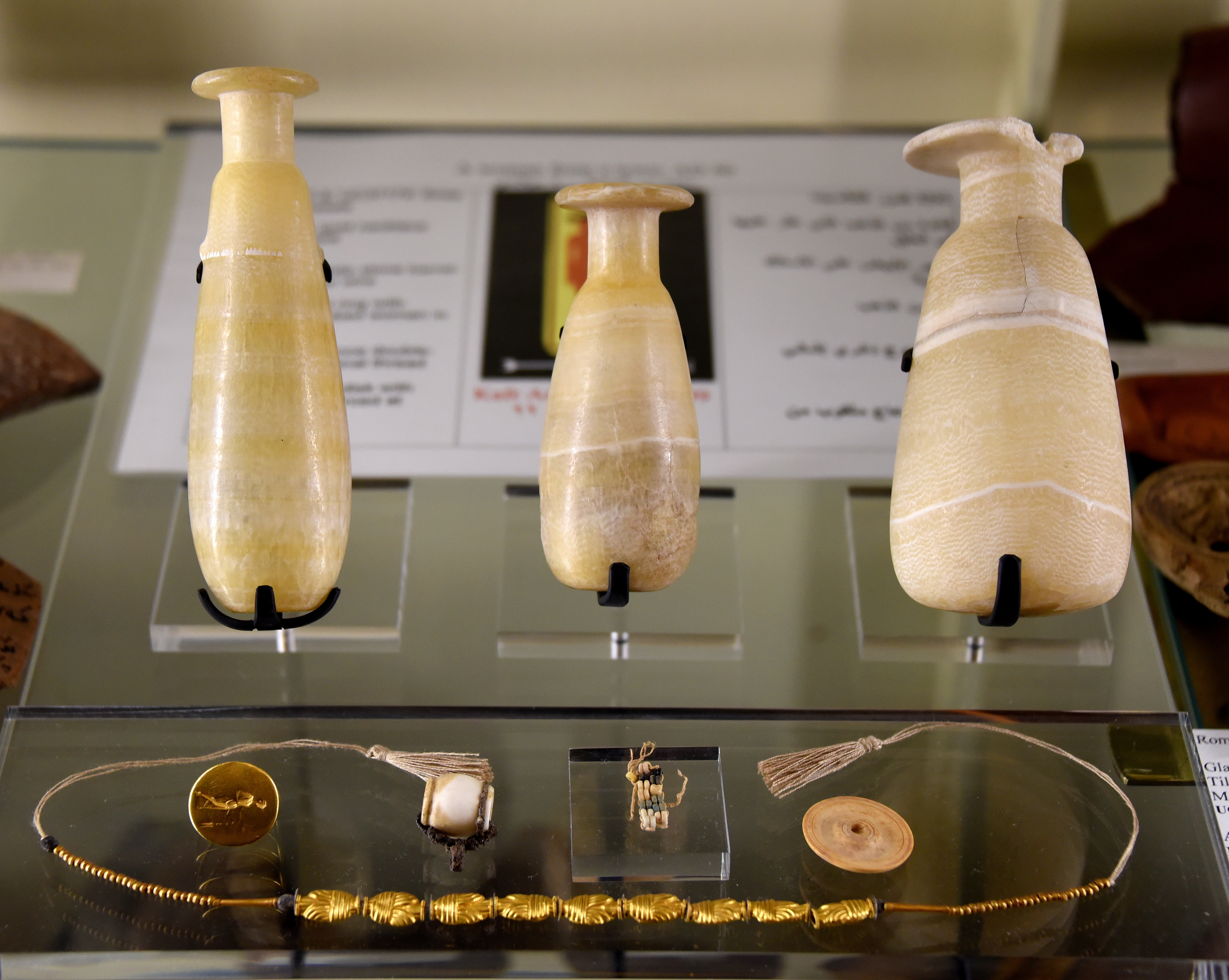
Tarkhan (Egypt)
Ancient Egyptian necropolis with mastabas and tombs.

Leontopolis (Heliopolis)
Ancient city with fortifications and a temple.