Explore the Map
Kellia
30.7760° N, 30.3689° E
About
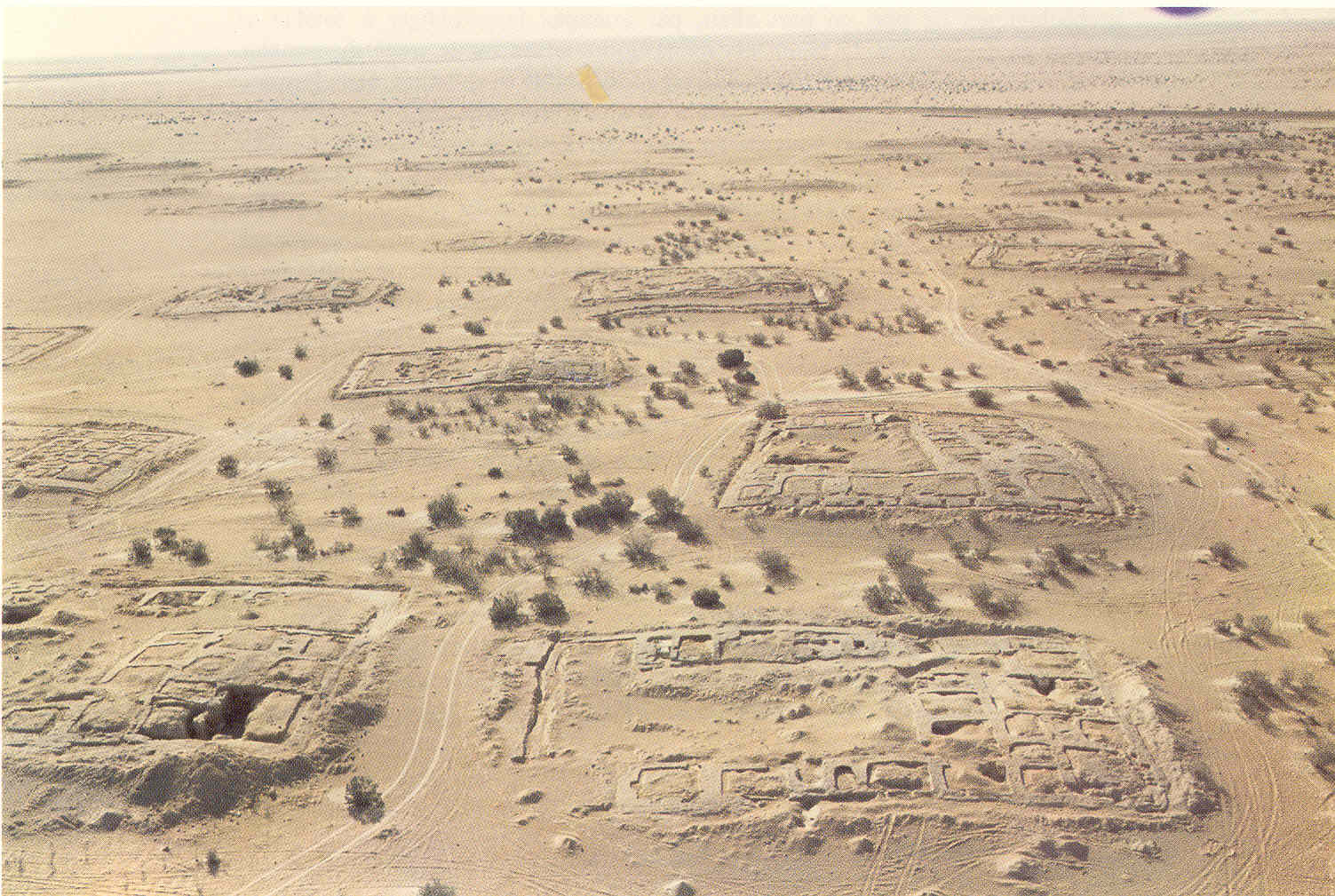
Kellia, also known as 'the Cells,' was a significant Egyptian Christian monastic community founded in 338 CE by Saint Amun under the guidance of Saint Anthony. Located in the Nitrian Desert south of Alexandria, the site spanned over 125 square kilometers and was designed for advanced monks who sought a semi-anchoritic lifestyle away from the bustling Nitria. The monastic community flourished between the 5th and 6th centuries, eventually declining in the 7th and 8th centuries due to doctrinal disputes and desert raids. Archaeological excavations have revealed over 1500 structures, including individual cells, communal churches, and inscriptions. By the 9th century, Kellia was abandoned, leaving behind an archaeological record of its once-thriving monastic life.
Gallery
Explore photographs of ancient structures, artifacts, and archaeological excavations
Historical Timeline
Journey through time and discover key events in this site's history
Founding of Kellia
338 CE
Monastic Expansion
5th century CE
Decline Due to Disputes
7th century CE
Schismatic Groups Present
8th century CE
Abandonment of Kellia
9th century CE
Archaeological Features
Unique architectural and cultural elements found at this historical site
Storage Structures
Religious and Ritual Structures
Artistic and Decorative Features
Domestic and Habitation Structures
Frequently Asked Questions
Plan Your Visit
Tours, travel arrangements, and practical information


More Sites in Egypt
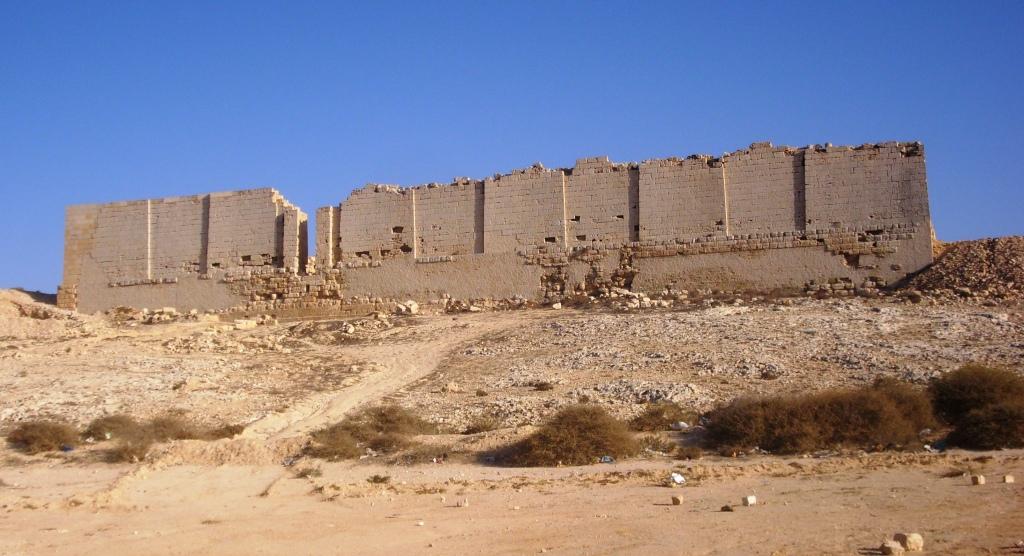
Taposiris Magna
Ancient city with temple and tombs
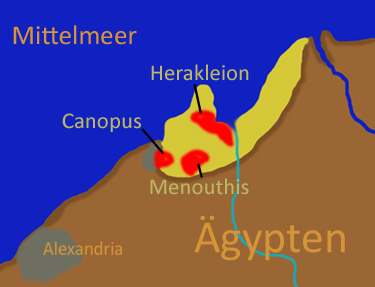
Canopus, Egypt
Submerged ancient Egyptian coastal town ruins
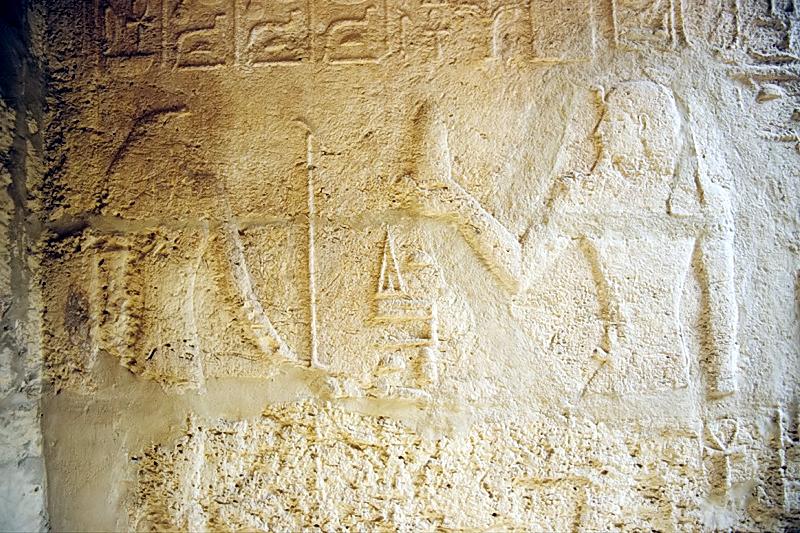
Medinet Madi
Greco-Roman town with Middle Kingdom temple
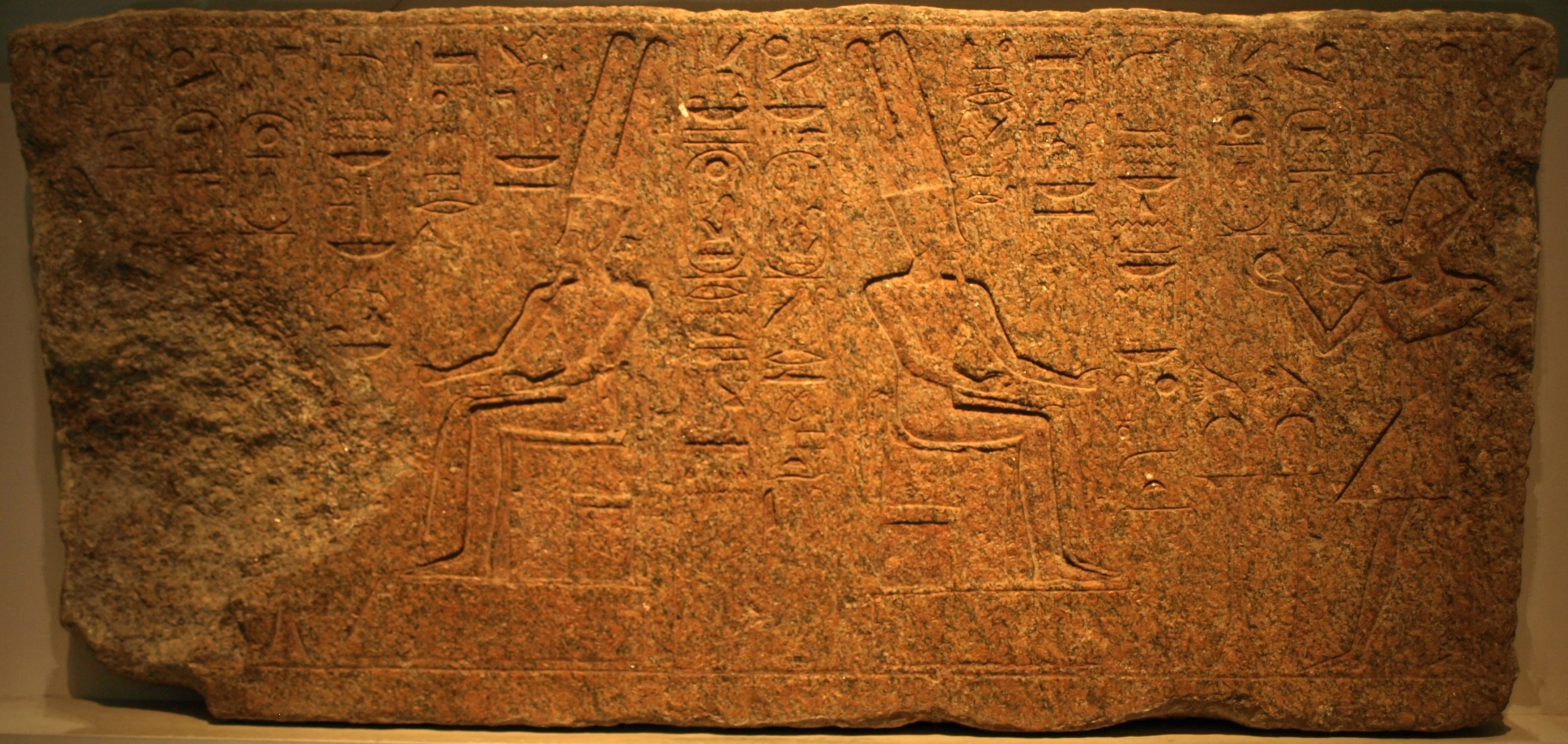
Bubastis
Ancient Egyptian city with Bastet temple
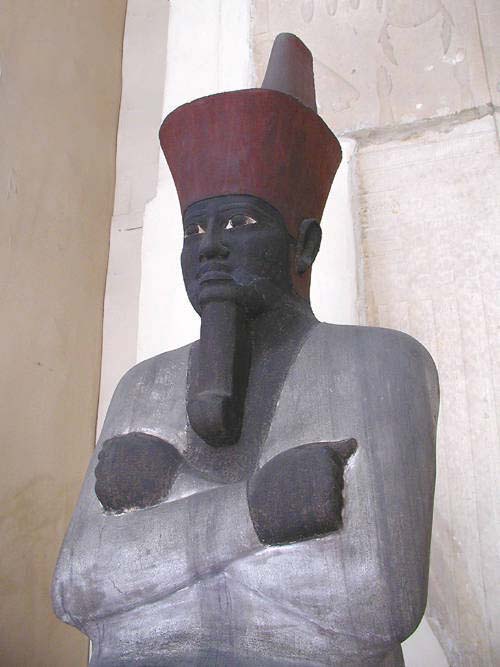
Thinis
Ancient Upper Egypt's undiscovered capital city.
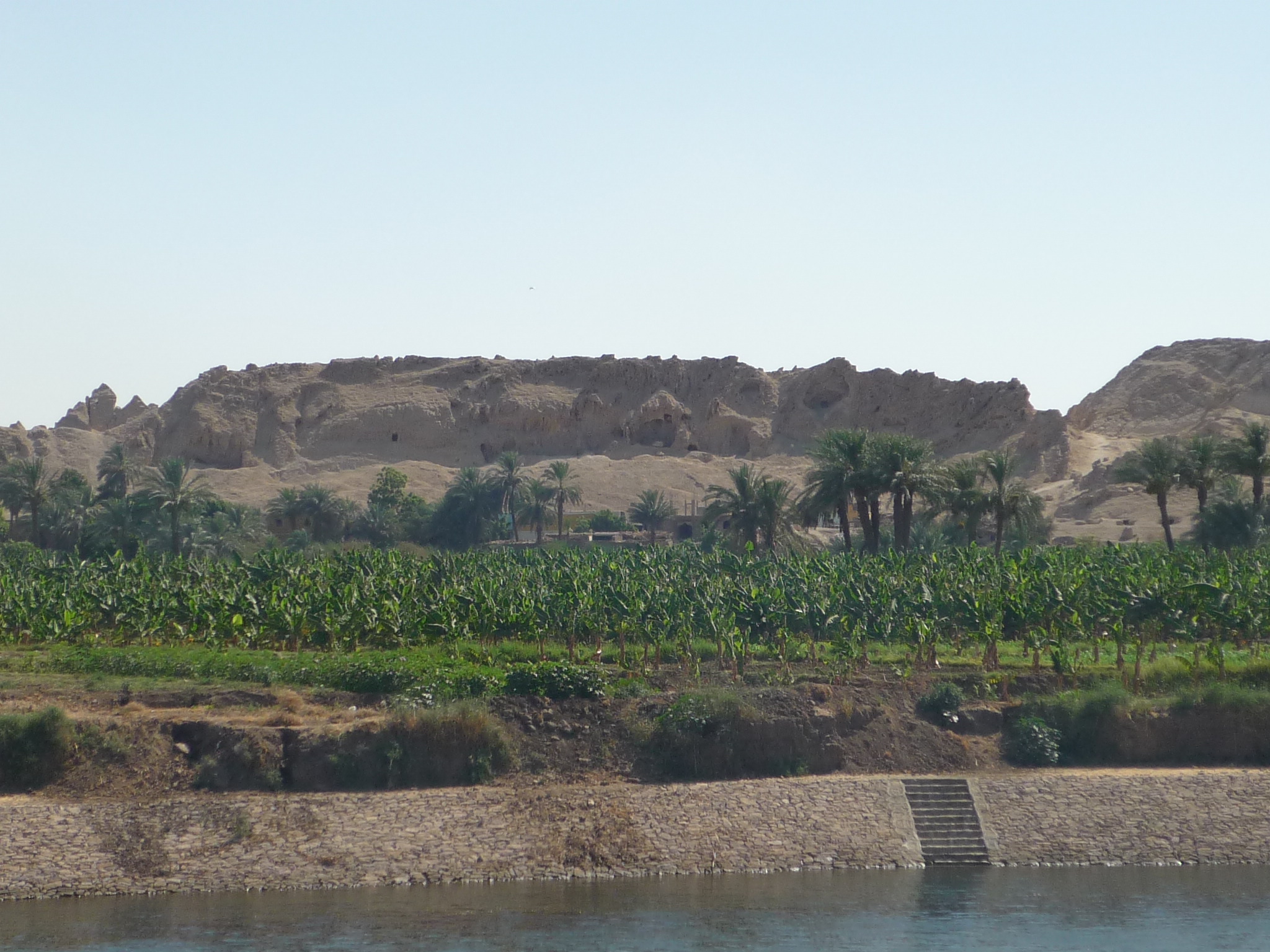
Gebelein
Archaeological site with mummies and temple ruins