Explore the Map
Nitria (monastic site)
30.9287° N, 30.3856° E
About
Nitria, an early Christian monastic settlement founded around 325-330 CE by Amoun of Nitria, is located in the Nitrian Desert of Lower Egypt. It quickly became a major center of monastic life, attracting thousands of monks by the late 4th century. The site evolved from a collection of solitary monks to a structured community with multiple cenobitic monasteries, serving Christian pilgrims from Alexandria. Nitria was noted for its large monastic population, with estimates of over five-thousand monks during Jerome's visit in 386 CE. However, the monastic population began to decline in the 5th and 6th centuries, leading to the site's abandonment by the mid-7th century. Nitria's significance lies in its role as a pioneering monastic community, contributing to the spread of Christian monasticism.
Historical Timeline
Journey through time and discover key events in this site's history
Decline of Monastic Population
Founding of Nitria
c. 325-330 CE
Visit by Jerome
386 CE
Palladius of Galatia's Account
390 CE
Abandonment of Nitria
Archaeological Features
Unique architectural and cultural elements found at this historical site
Religious and Ritual Structures
Frequently Asked Questions
Plan Your Visit
Tours, travel arrangements, and practical information
More Sites in Egypt
Medinet Madi
Greco-Roman town with Middle Kingdom temple
Taposiris Magna
Ancient city with temple and tombs
Canopus, Egypt
Submerged ancient Egyptian coastal town ruins
Bubastis
Ancient Egyptian city with Bastet temple
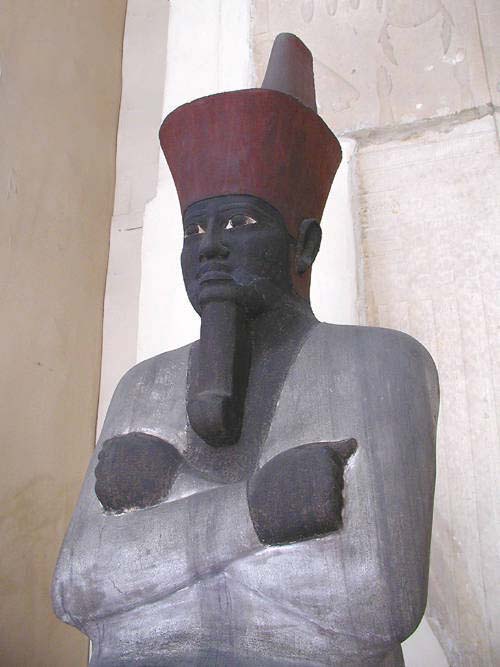
Thinis
Ancient Upper Egypt's undiscovered capital city.
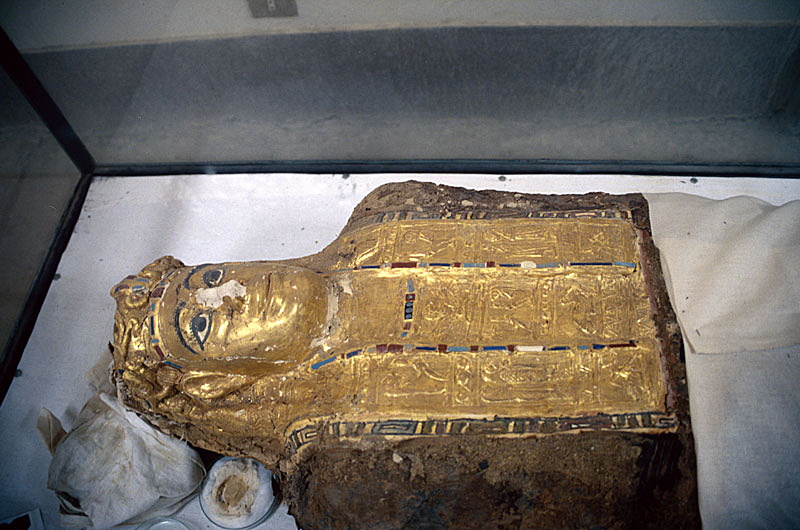
Valley of the Golden Mummies
Greco-Roman burial site with decorated mummies