
Explore the Map
Philae Island
24.0219° N, 32.8889° E
About
Philae Island, once a prominent site near the First Cataract of the Nile in Upper Egypt, is renowned for its Philae temple complex, particularly the Temple of Isis. This temple, among the best preserved in ancient Egypt, stood as one of the final bastions of the ancient Egyptian religion until it was closed in 550 CE. The construction and subsequent flooding by the Aswan High Dam submerged the island, prompting the relocation of its temples to nearby Agilkia Island between 1974 and 1976. Today, only the highest point of Philae remains visible above Lake Nasser. The site, once a thriving center of ancient Egyptian culture and religion, continues to attract tourists eager to witness its preserved legacy.
Historical Timeline
Journey through time and discover key events in this site's history
Closure of Temple of Isis
550 CE
Relocation of Philae Temples
1974-1976 CE
Archaeological Features
Unique architectural and cultural elements found at this historical site
Religious and Ritual Structures
Frequently Asked Questions
Plan Your Visit
Tours, travel arrangements, and practical information


More Sites in Egypt
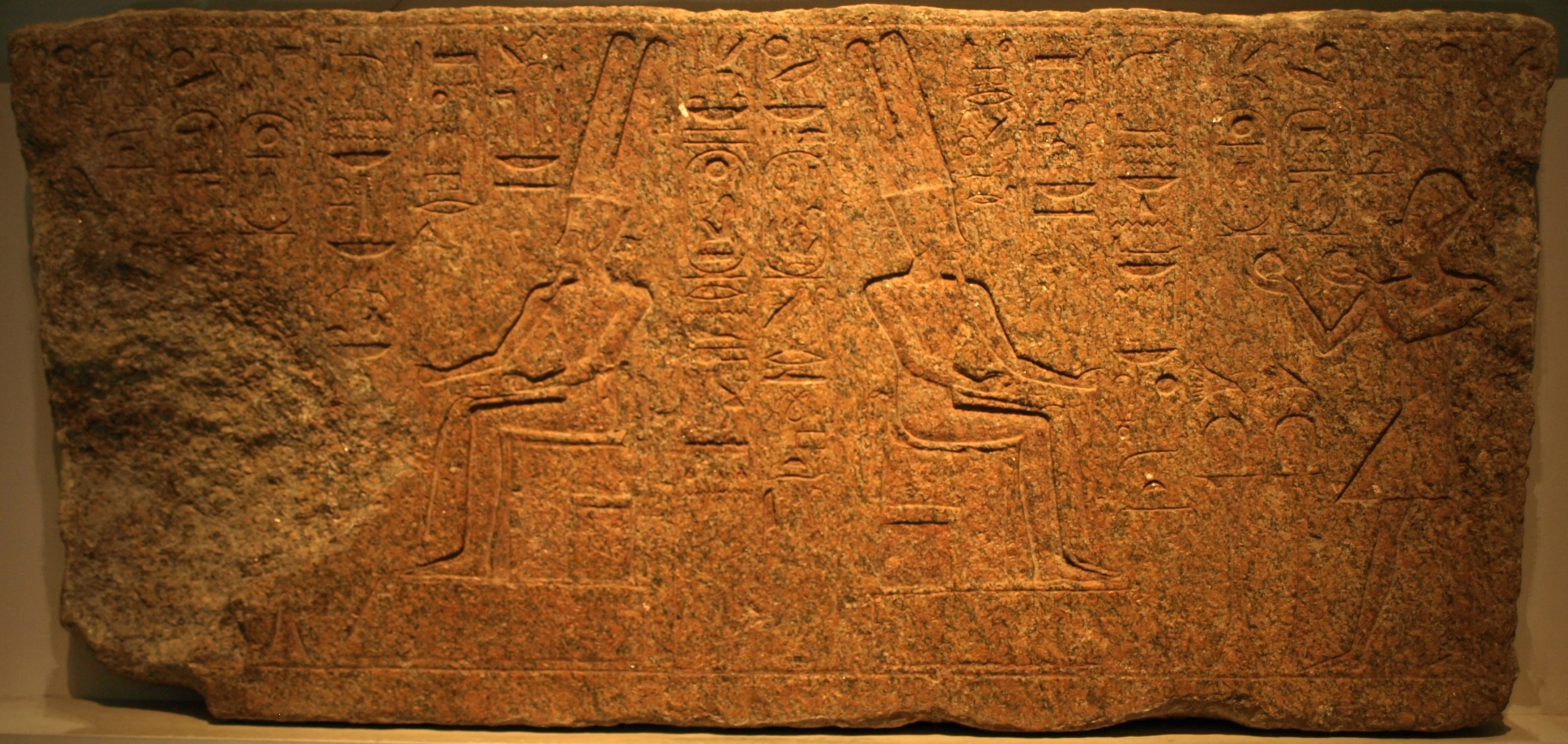
Bubastis
Ancient Egyptian city with Bastet temple
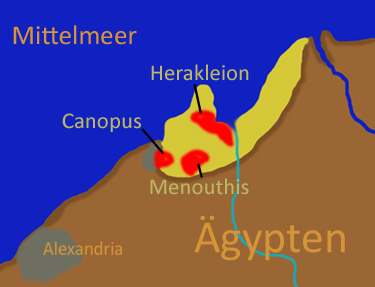
Canopus, Egypt
Submerged ancient Egyptian coastal town ruins
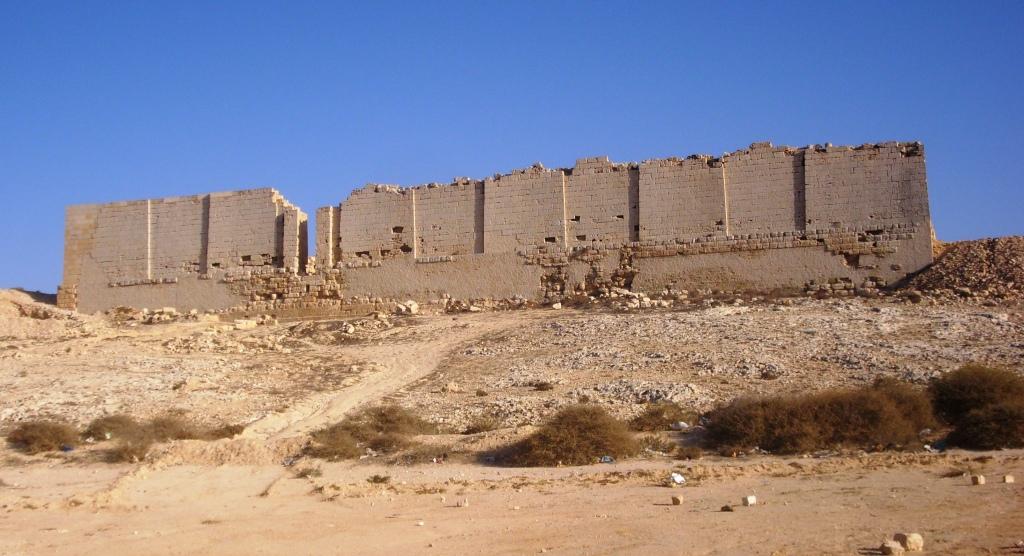
Taposiris Magna
Ancient city with temple and tombs
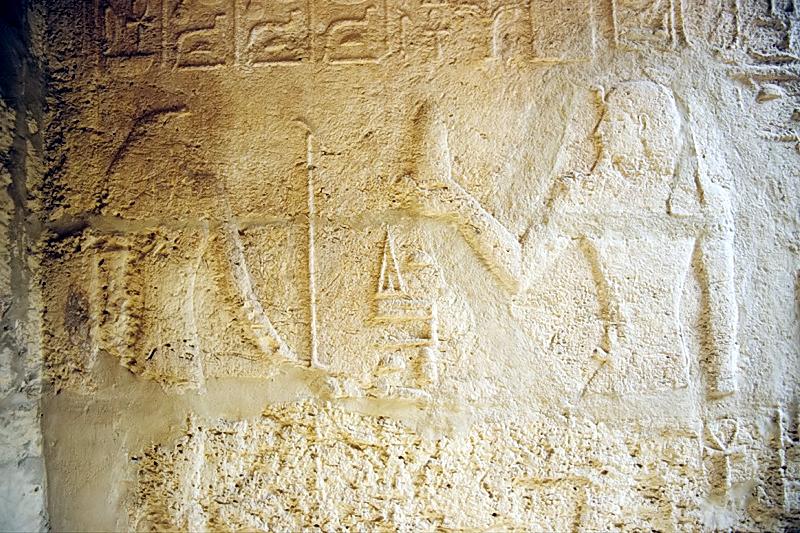
Medinet Madi
Greco-Roman town with Middle Kingdom temple
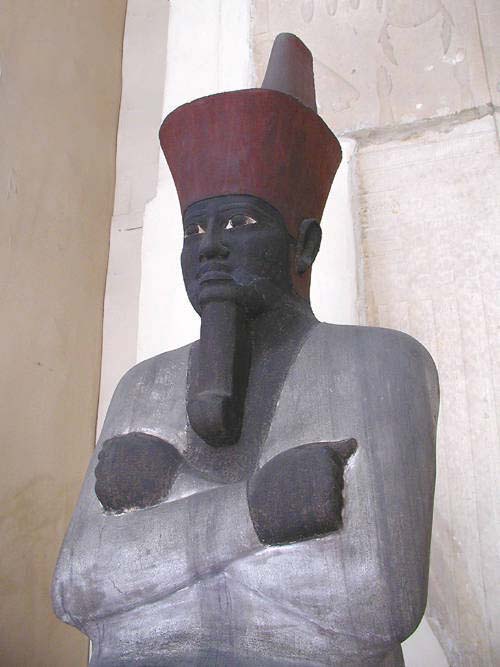
Thinis
Ancient Upper Egypt's undiscovered capital city.
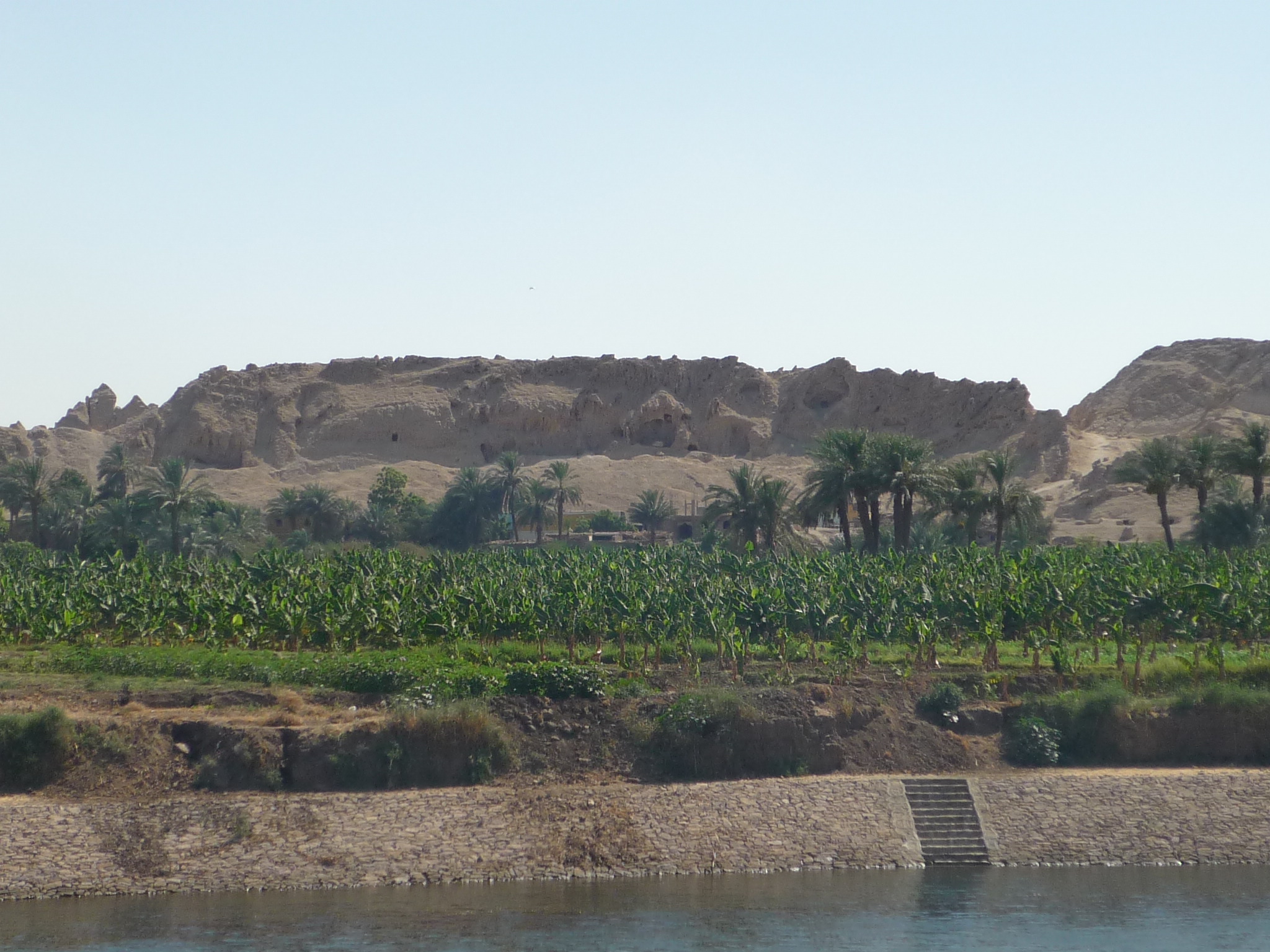
Gebelein
Archaeological site with mummies and temple ruins