Explore the Map
Kom El Deka
31.1967° N, 29.9056° E
About
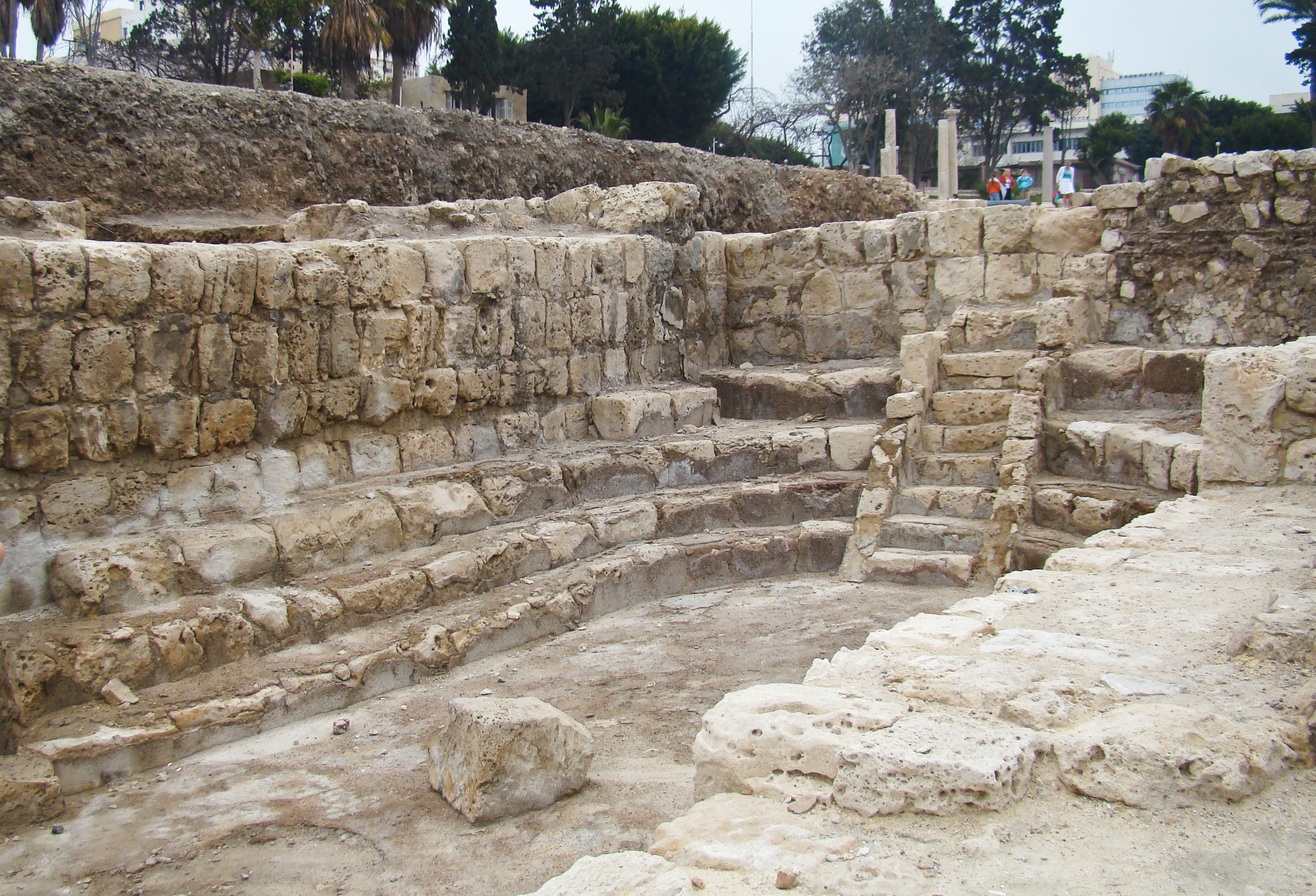
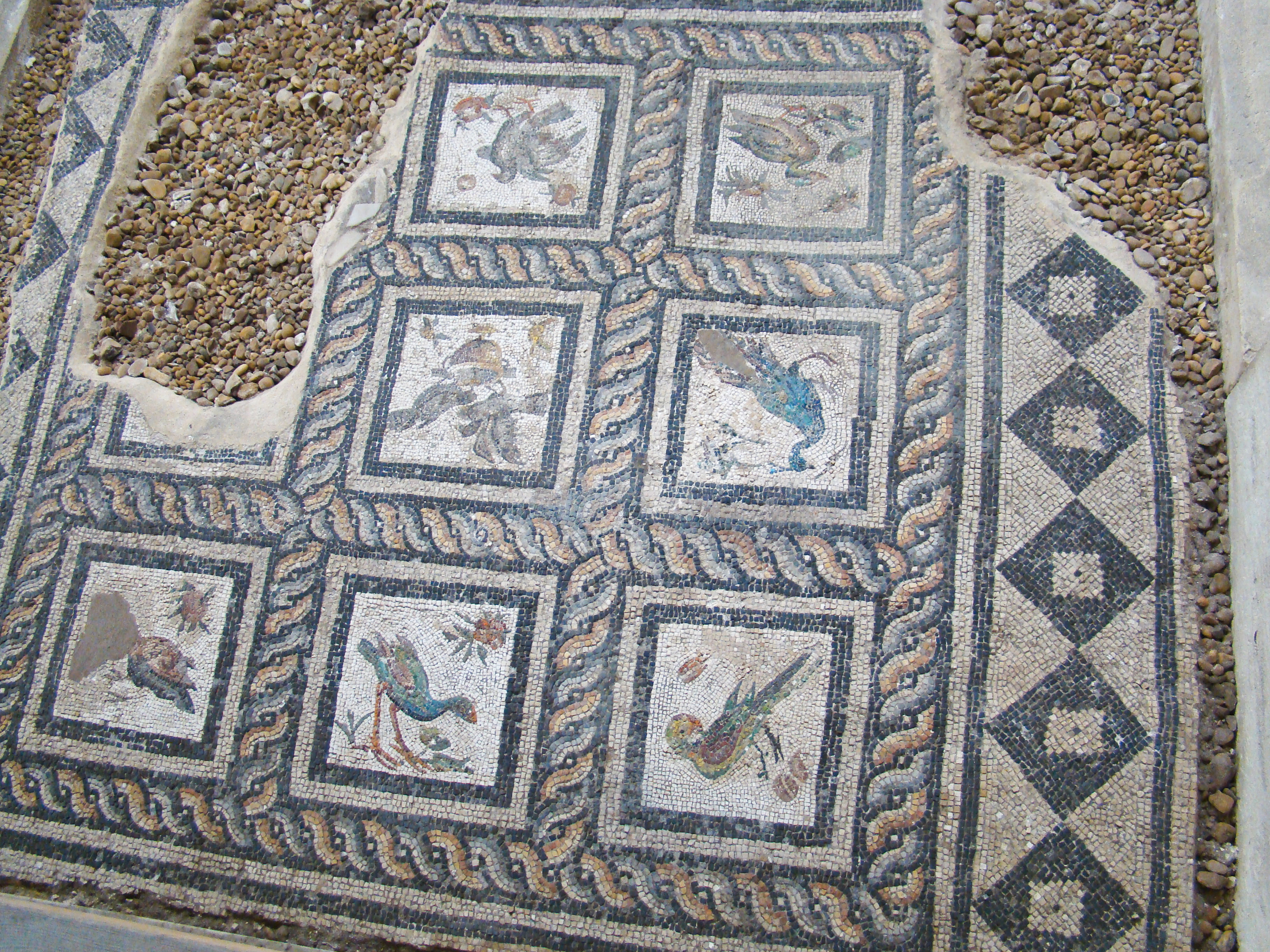
Kom El-Deka, located in Alexandria, Egypt, is a significant archaeological site reflecting Roman urban life and architecture. Initially a residential area in the 1st-3rd centuries CE, known for its large villas with elaborate mosaics, the site underwent significant transformations following destructive events in the late 3rd century CE. By the 4th century CE, Kom El-Deka had evolved into a bustling civic center characterized by public structures, including a large imperial bath complex, a theatre, and a series of auditoria serving as a university. These structures, rebuilt and expanded through the 7th century CE, highlight the architectural and cultural advancements of the Late Roman-Byzantine Period. The site offers invaluable insights into the urban planning and public life of Roman Egypt.
Gallery
Explore photographs of ancient structures, artifacts, and archaeological excavations
Historical Timeline
Journey through time and discover key events in this site's history
Early Roman Period villas
1st-3rd century CE
Destruction by invasion and siege
late 3rd century CE
Late Roman-Byzantine public works
4th century CE
Bath complex rebuilt after earthquake
447 CE, 535 CE
Theatre remodeling
around 500 CE
Archaeological Features
Unique architectural and cultural elements found at this historical site
Water Management Features
Public and Civic Structures
Industrial and Craft Structures
Artistic and Decorative Features
Domestic and Habitation Structures
Frequently Asked Questions
Plan Your Visit
Tours, travel arrangements, and practical information


More Sites in Egypt
Medinet Madi
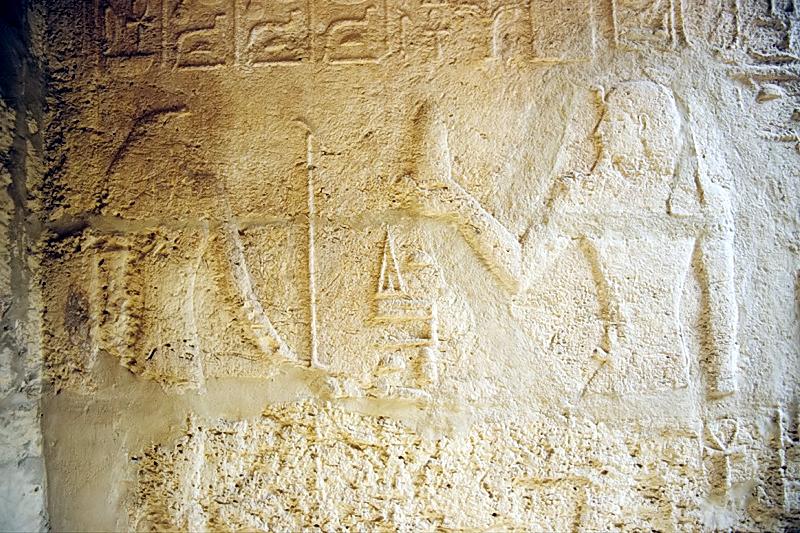
Greco-Roman town with Middle Kingdom temple
Canopus, Egypt
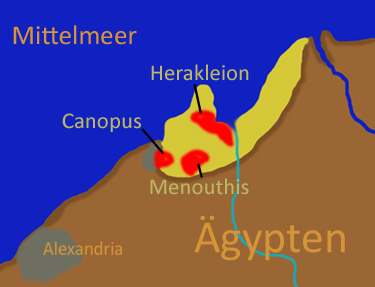
Submerged ancient Egyptian coastal town ruins
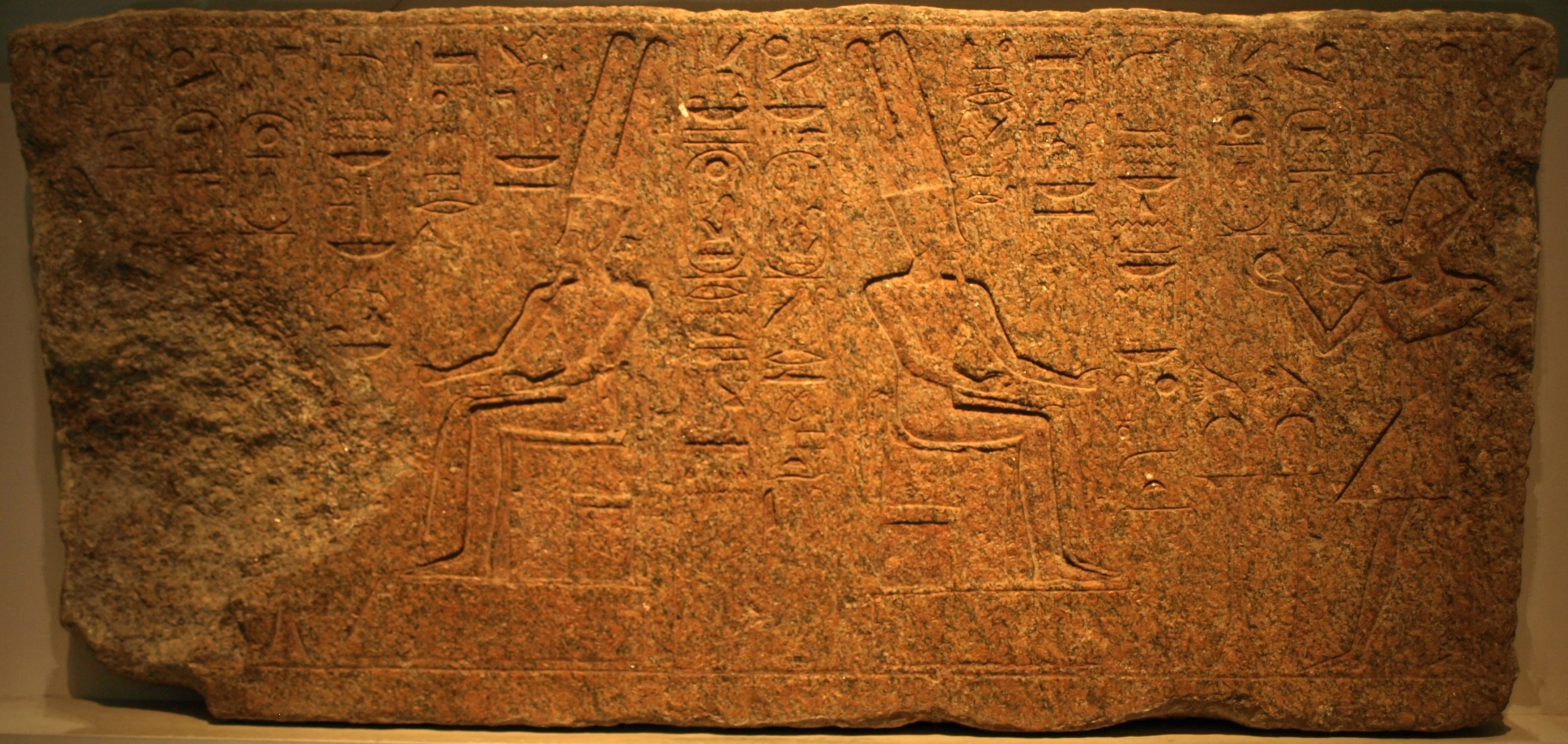
Bubastis
Ancient Egyptian city with Bastet temple
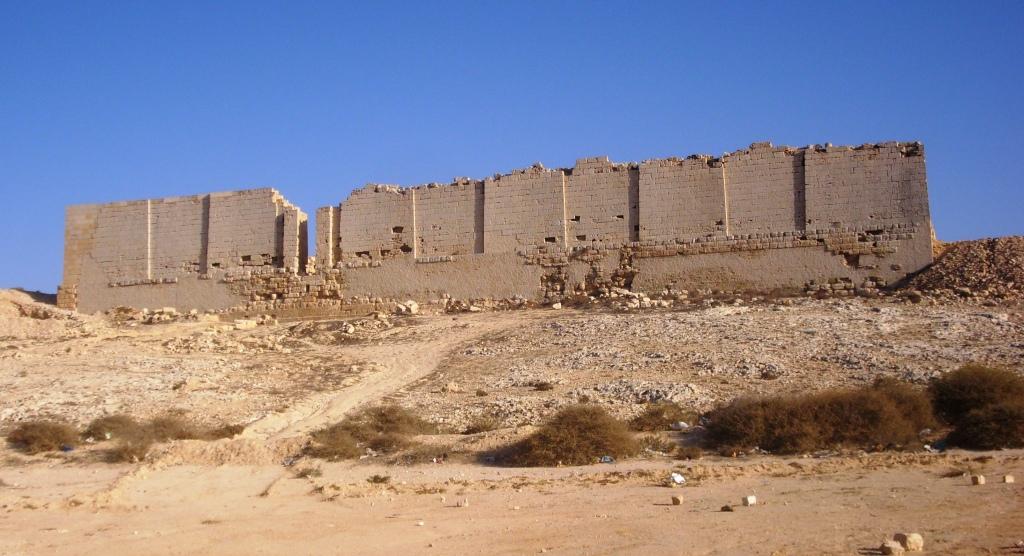
Taposiris Magna
Ancient city with temple and tombs
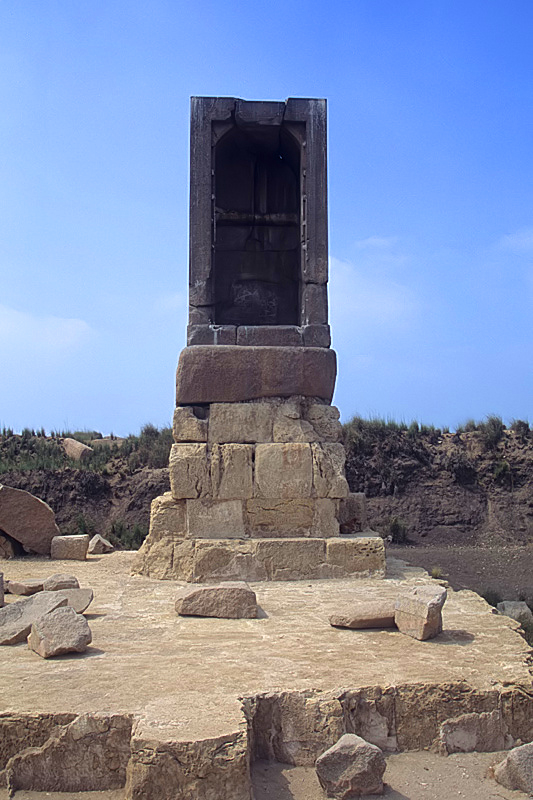
Mendes
Ancient city with significant religious structures.
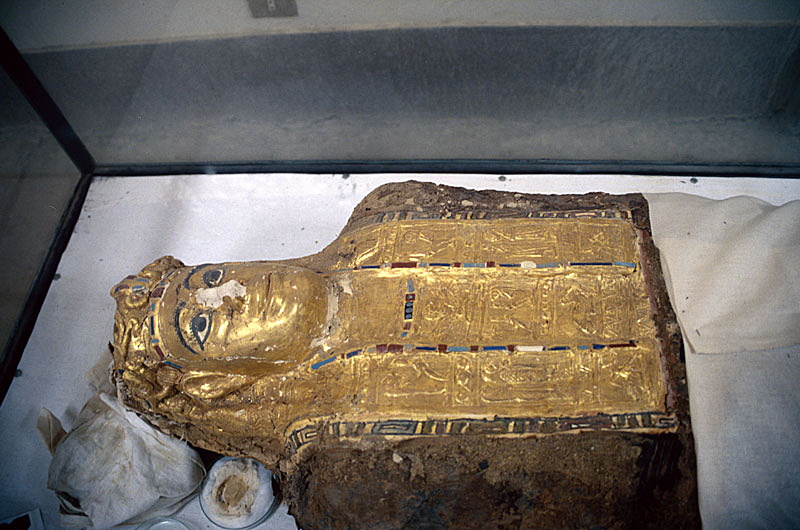
Valley of the Golden Mummies
Greco-Roman burial site with decorated mummies