Explore the Map
Kuntillet Ajrud
30.1861° N, 34.4281° E
About
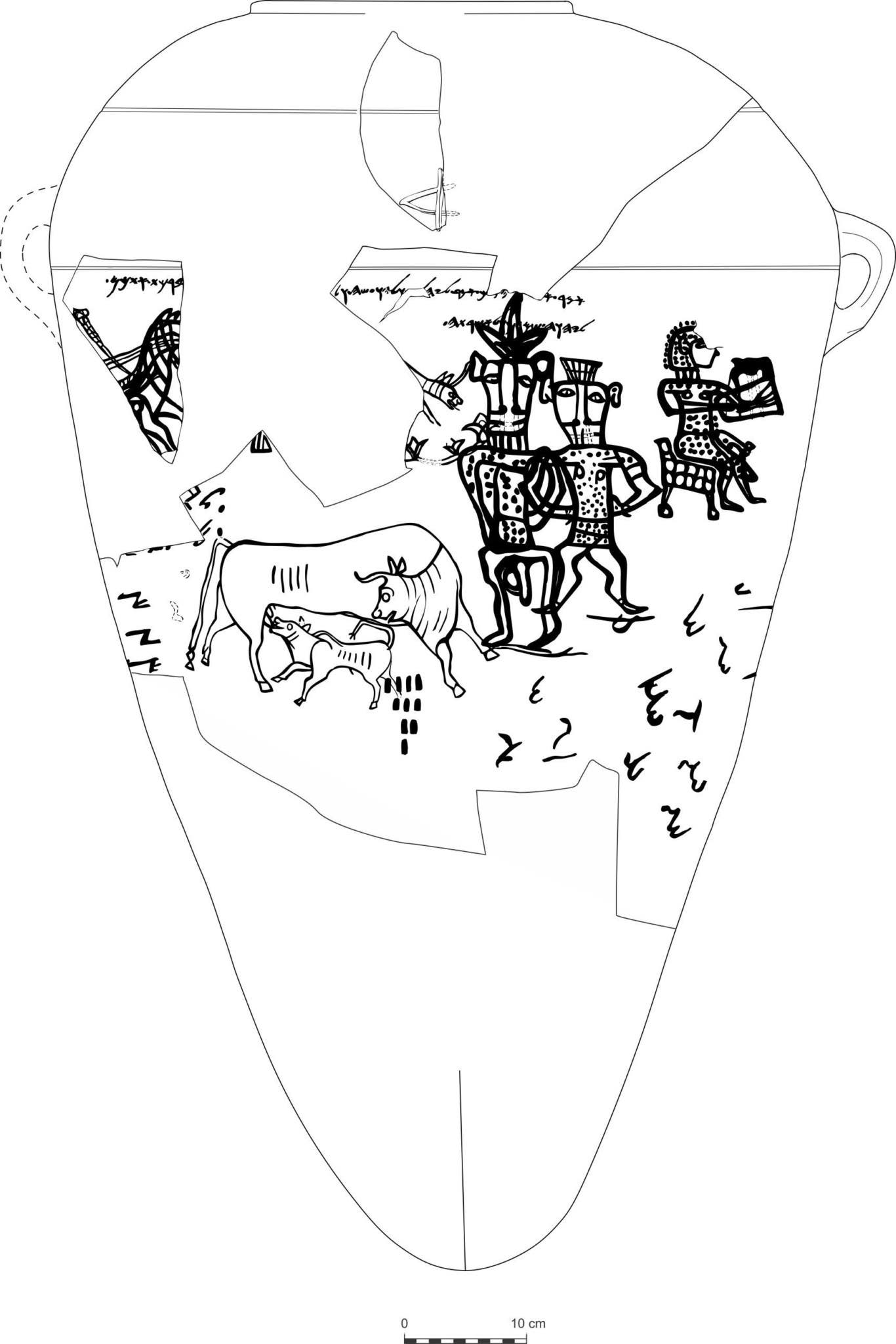
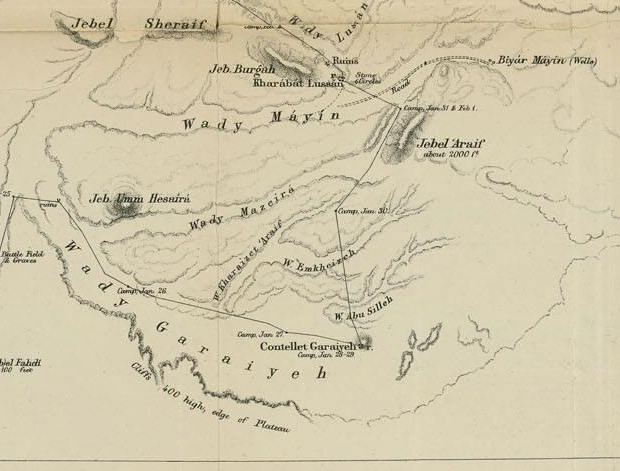
Kuntillet ʿAjrud, also known as Horvat Teman, is an archaeological site located in the northeast part of the Sinai Peninsula, dating back to the late 9th to early 8th centuries BCE. The site is characterized by a fortress-like main building comprised of two rooms containing inscriptions and wall paintings. These inscriptions are significant in biblical archaeology and suggest the site had strong associations with the northern Kingdom of Israel, as indicated by references to YHWH of Samaria and 'northern' orthography. The site served as a crucial station on an ancient trade route, benefiting from a perennial water source. The iconography found at Kuntillet ʿAjrud is distinctive, featuring Syrian/Phoenician styles, and lacks typical Egyptian influences of the time, providing valuable insights into the cultural and religious dynamics of the region during the Early Iron Age.
Gallery
Explore photographs of ancient structures, artifacts, and archaeological excavations
Historical Timeline
Journey through time and discover key events in this site's history
Occupation and Inscriptions
c. 800 BCE
Archaeological Features
Unique architectural and cultural elements found at this historical site
Defensive Structures
Artistic and Decorative Features
Frequently Asked Questions
Plan Your Visit
Tours, travel arrangements, and practical information
More Sites in Egypt
Thinis
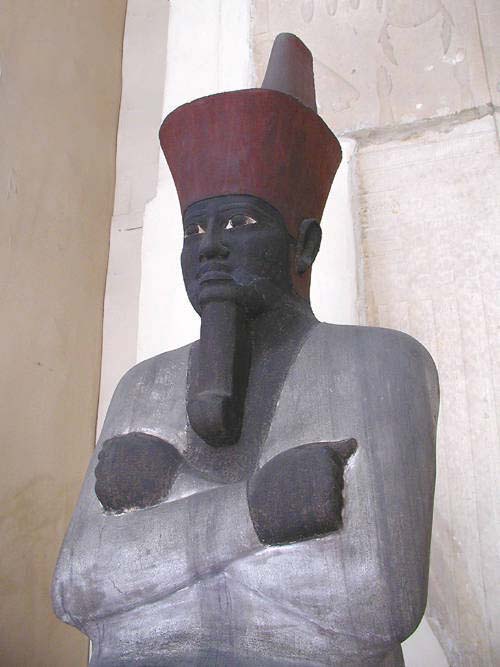
Ancient Upper Egypt's undiscovered capital city.
Bubastis
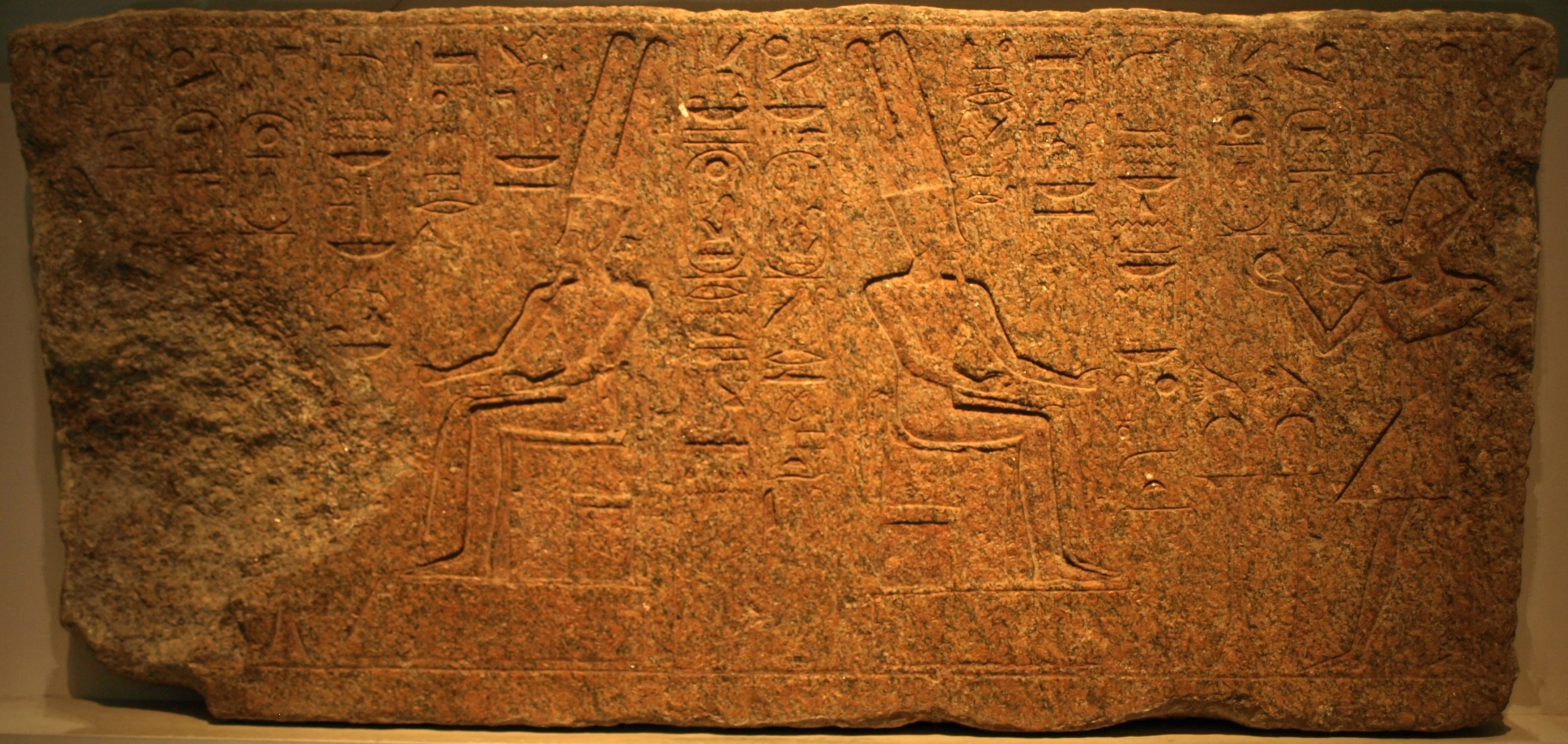
Ancient Egyptian city with Bastet temple

Leontopolis (Heliopolis)
Ancient city with fortifications and a temple.
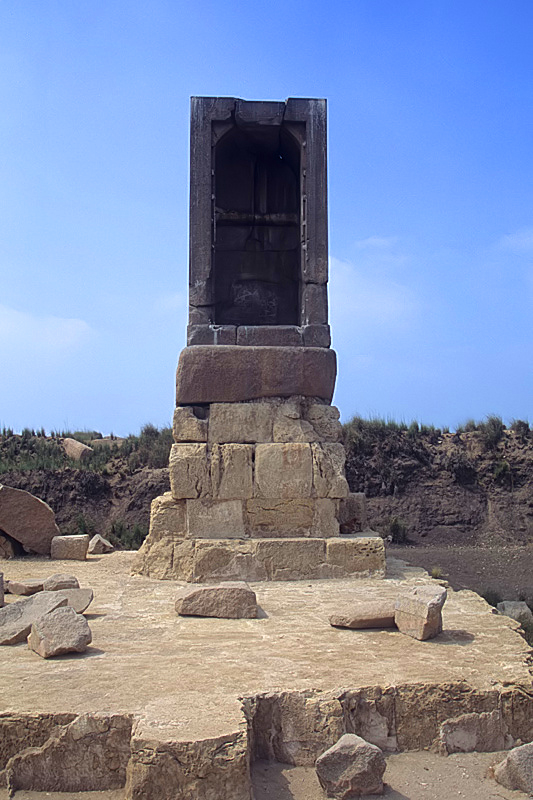
Mendes
Ancient city with significant religious structures.
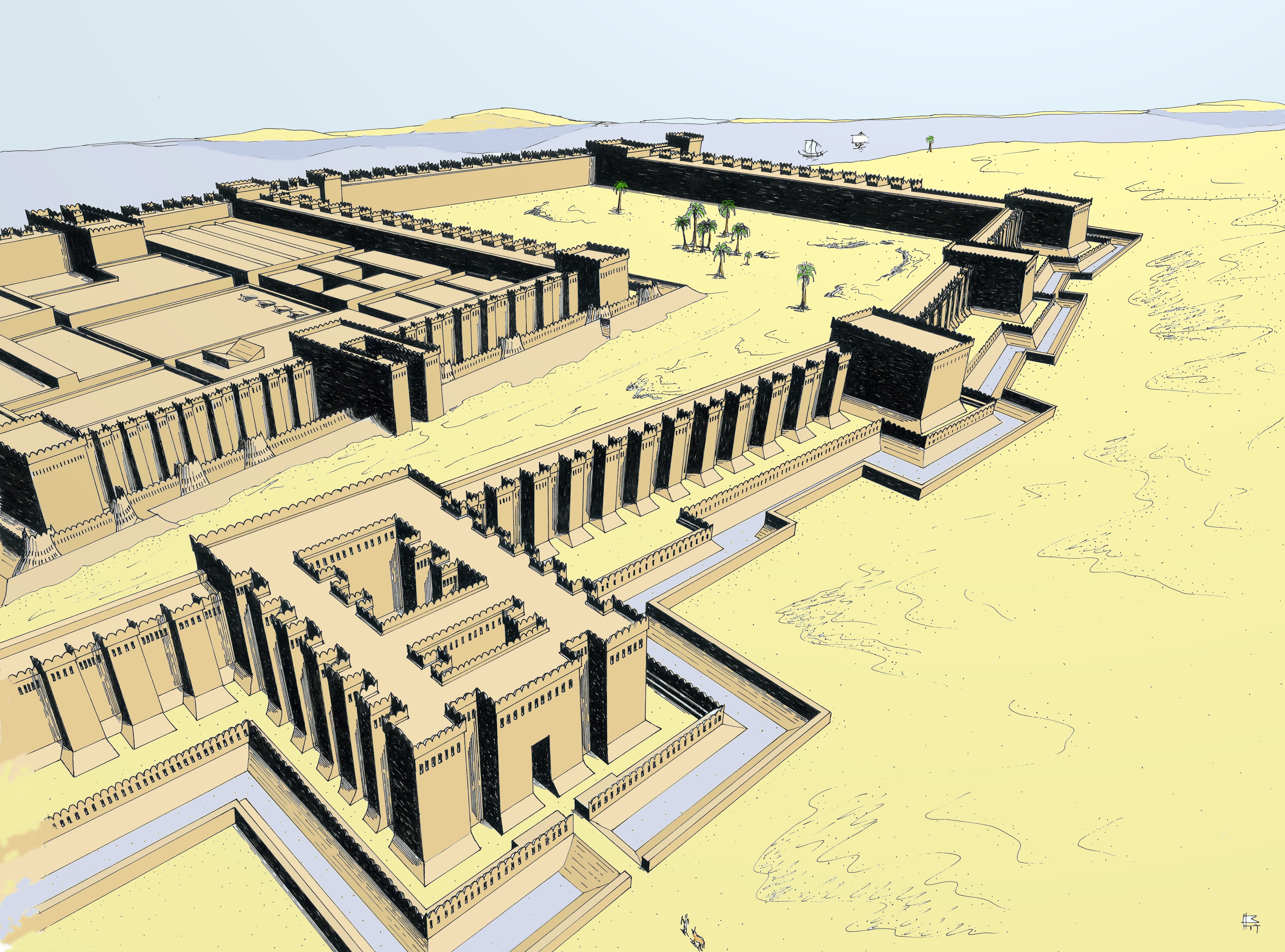
Buhen
Ancient Egyptian fortress with copper smelting.
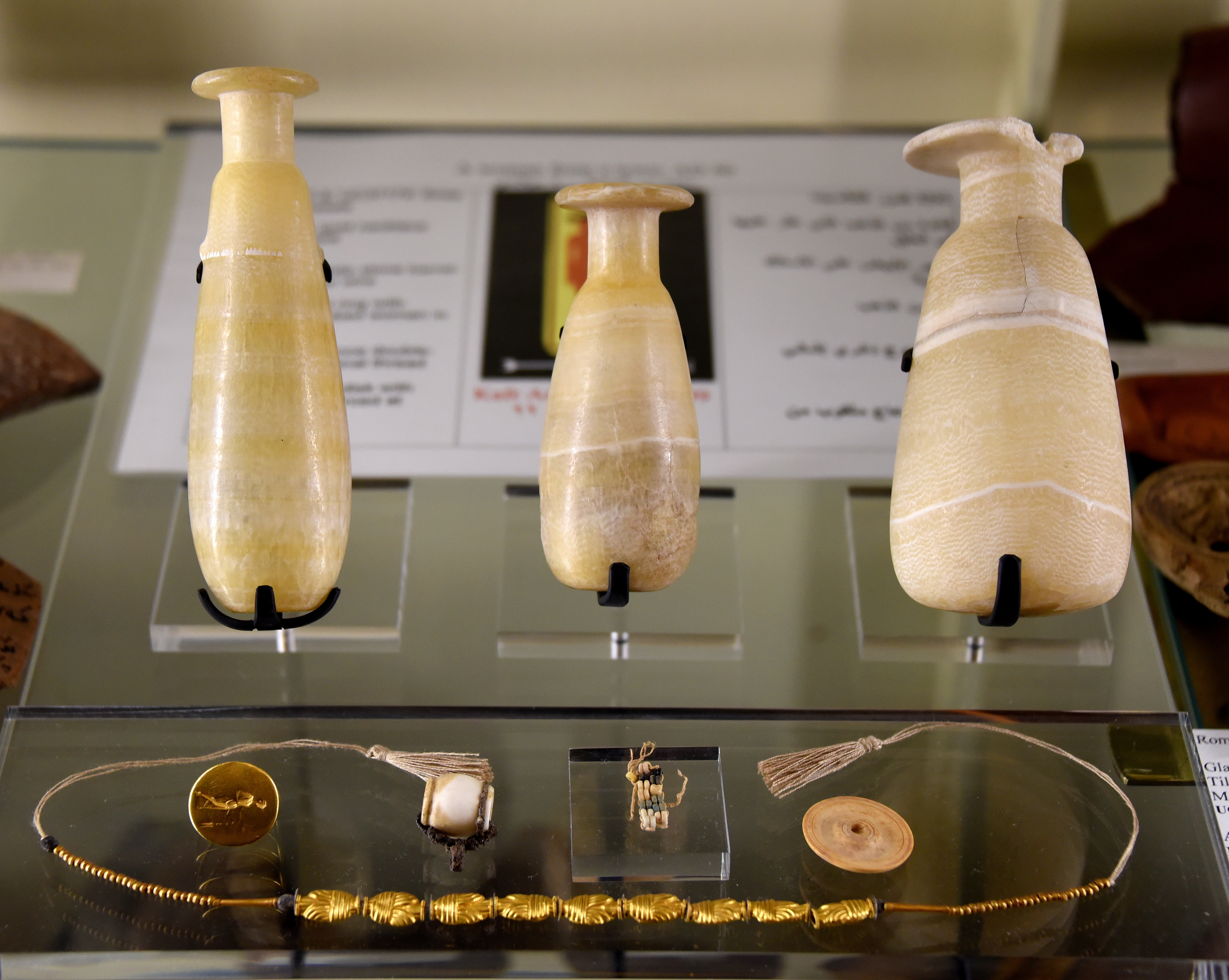
Tarkhan (Egypt)
Ancient Egyptian necropolis with mastabas and tombs.