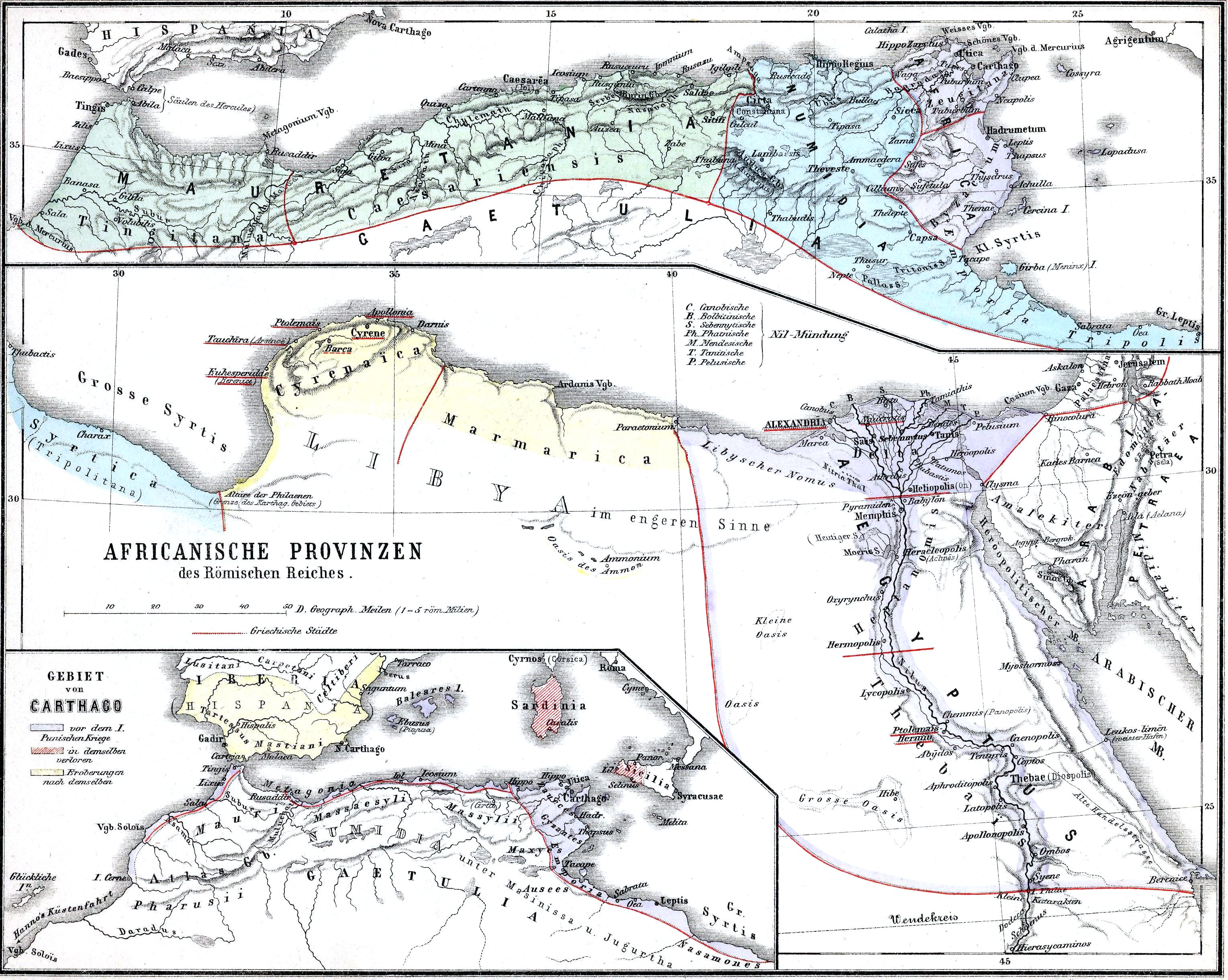
Explore the Map
Myos Hormos
26.1567° N, 34.2417° E
About
Myos Hormos, established by Ptolemy II Philadelphus in the 3rd century BCE, was a prominent trading port on the Red Sea coast of Egypt. Initially chosen over Arsinoe for its strategic location, it became a principal harbor for commerce with India, Africa, and possibly China during the Roman Empire. The port's significance is highlighted by Strabo's account of numerous vessels sailing annually from Myos Hormos to India by the time of Augustus. A Roman road connected the port to the Nile Valley, facilitating trade and communication. Although flourishing under Roman rule, the port was abandoned in the 4th century CE due to the Roman Empire's decline. Excavations at Quseir al-Quadim reveal its historical importance as a major maritime hub.
Gallery
Explore photographs of ancient structures, artifacts, and archaeological excavations
Historical Timeline
Journey through time and discover key events in this site's history
Founding of Myos Hormos
circa 3rd century BCE
Roman Trade Flourishes
1st century CE
Myos Hormos Abandoned
4th century CE
Archaeological Features
Unique architectural and cultural elements found at this historical site
Water Management Features
Transportation and Communication Structures
Frequently Asked Questions
Plan Your Visit
Tours, travel arrangements, and practical information
More Sites in Egypt
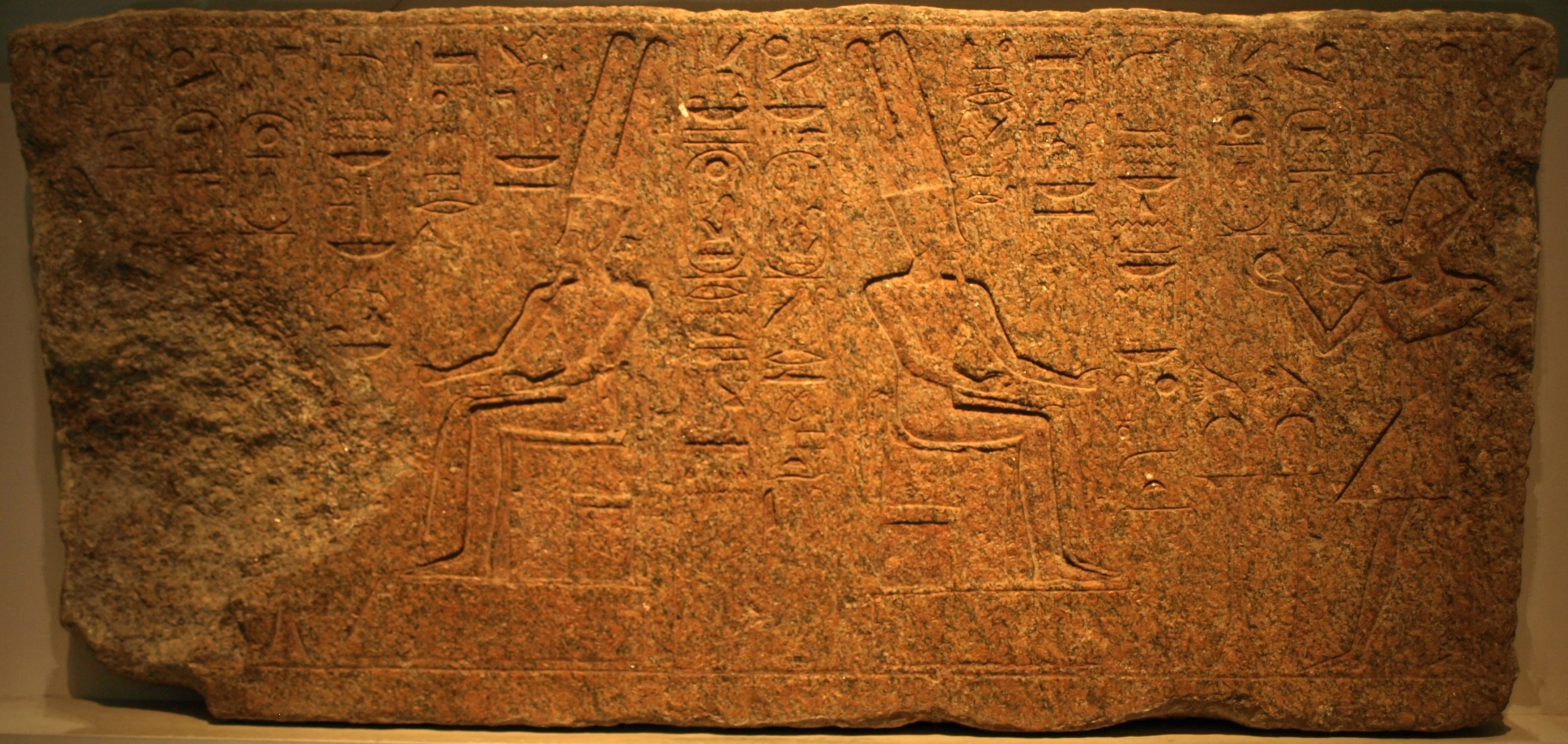
Bubastis
Ancient Egyptian city with Bastet temple
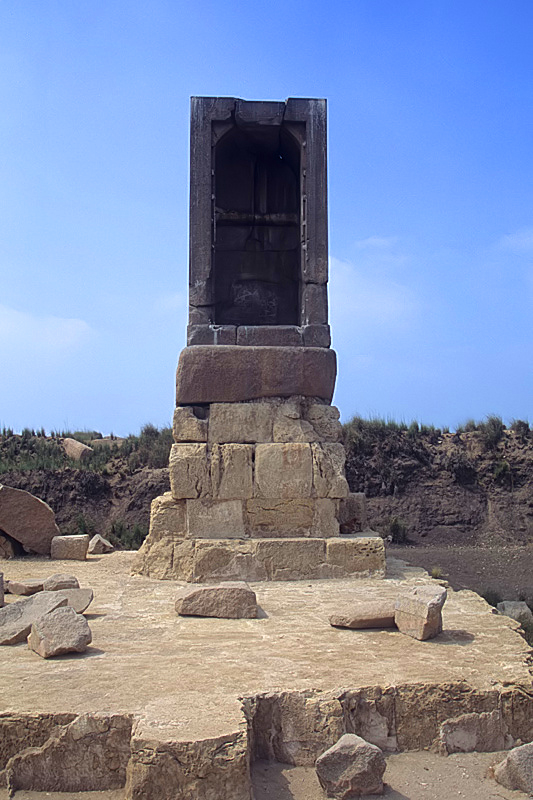
Mendes
Ancient city with significant religious structures.

Leontopolis (Heliopolis)
Ancient city with fortifications and a temple.
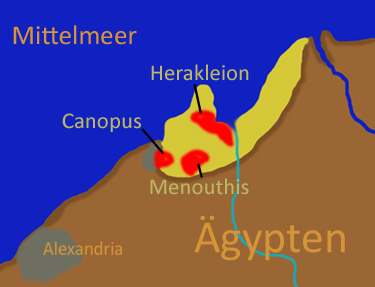
Canopus, Egypt
Submerged ancient Egyptian coastal town ruins
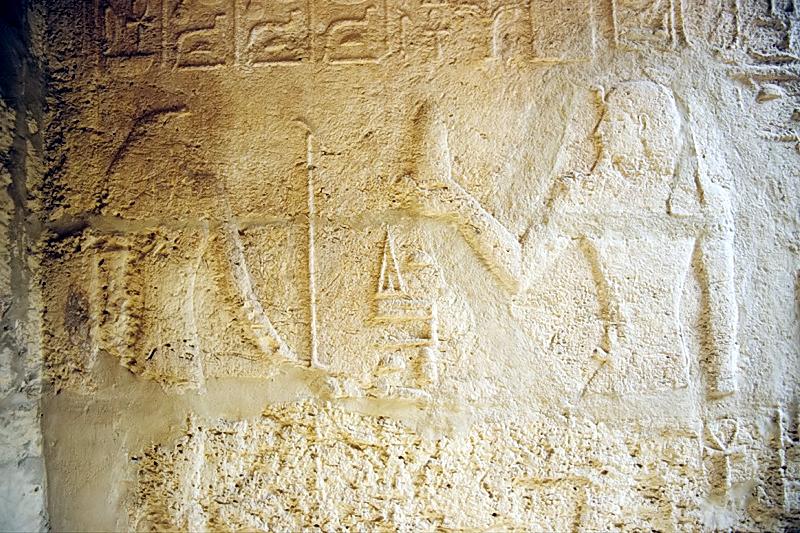
Medinet Madi
Greco-Roman town with Middle Kingdom temple
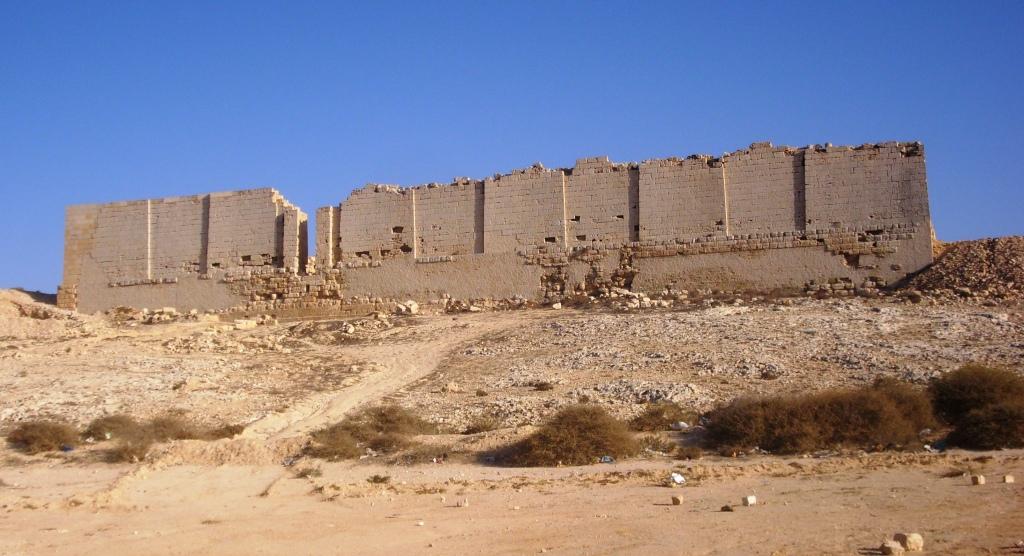
Taposiris Magna
Ancient city with temple and tombs