Explore the Map
Pbow
26.1125° N, 32.4031° E
About
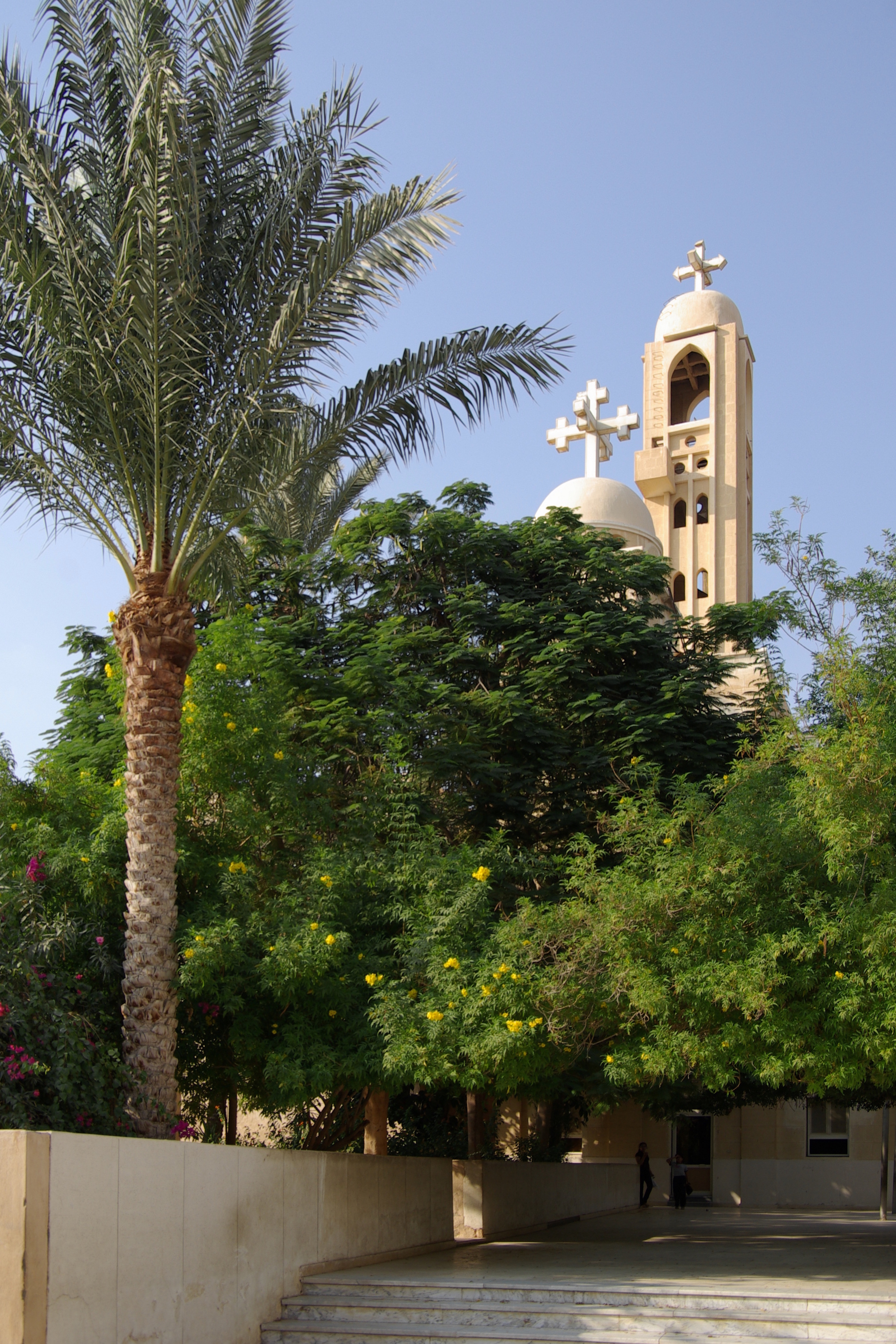
Pbow, a significant cenobitic monastery, was established by St. Pachomius in 336-337 CE in Upper Egypt. The site, known for its religious significance, housed the Basilica of St. Pachomius and served as a central administrative hub for Pachomian monasteries. It was a gathering place for monks and a site for baptisms, especially during Easter. Pbow was the residence of Pachomius until his death in 347 CE. The monastery's historical prominence declined by the 11th century, potentially due to destruction during al-Hakim's reign. Archaeological investigations have revealed that Pbow had three primary superimposed churches, reflecting its enduring religious and communal importance.
Gallery
Explore photographs of ancient structures, artifacts, and archaeological excavations
Historical Timeline
Journey through time and discover key events in this site's history
Decline or destruction of Pbow
during al-Hakim's reign
Pbow monastery establishment
336 CE, 337 CE
Pachomius's death at Pbow
347 CE
Archaeological Features
Unique architectural and cultural elements found at this historical site
Religious and Ritual Structures
Frequently Asked Questions
Plan Your Visit
Tours, travel arrangements, and practical information
![[Private]Valley of The Kings, Hatshepsut, Habu & Lunch](/_next/image?url=https%3A%2F%2Fmedia-cdn.tripadvisor.com%2Fmedia%2Fattractions-splice-spp-720x480%2F06%2Ff9%2Fd9%2F65.jpg&w=828&q=75)


More Sites in Egypt
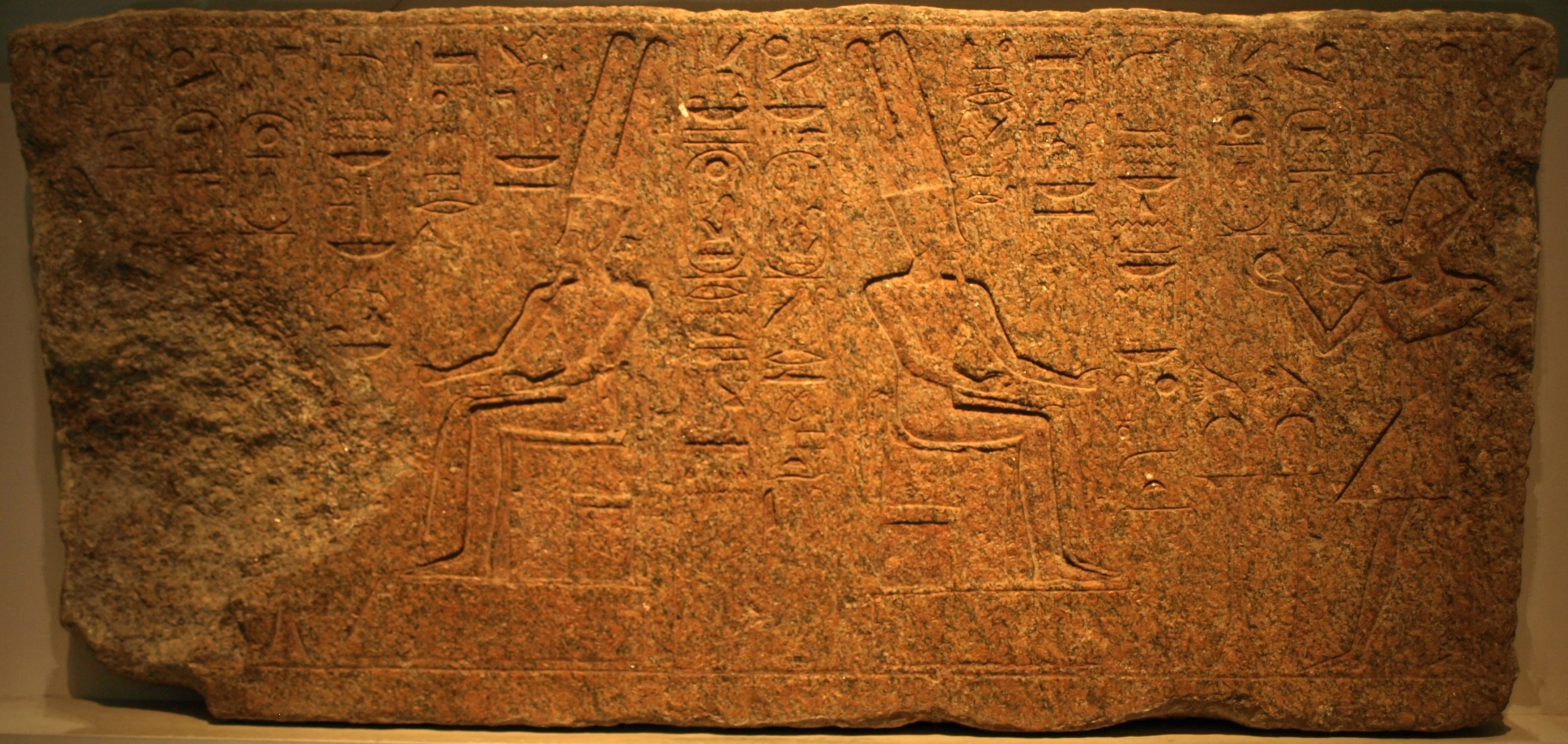
Bubastis
Ancient Egyptian city with Bastet temple
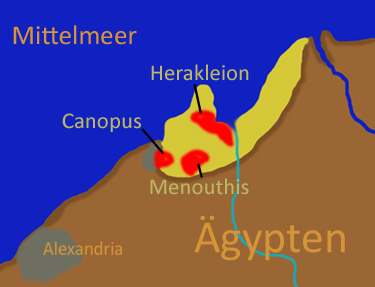
Canopus, Egypt
Submerged ancient Egyptian coastal town ruins
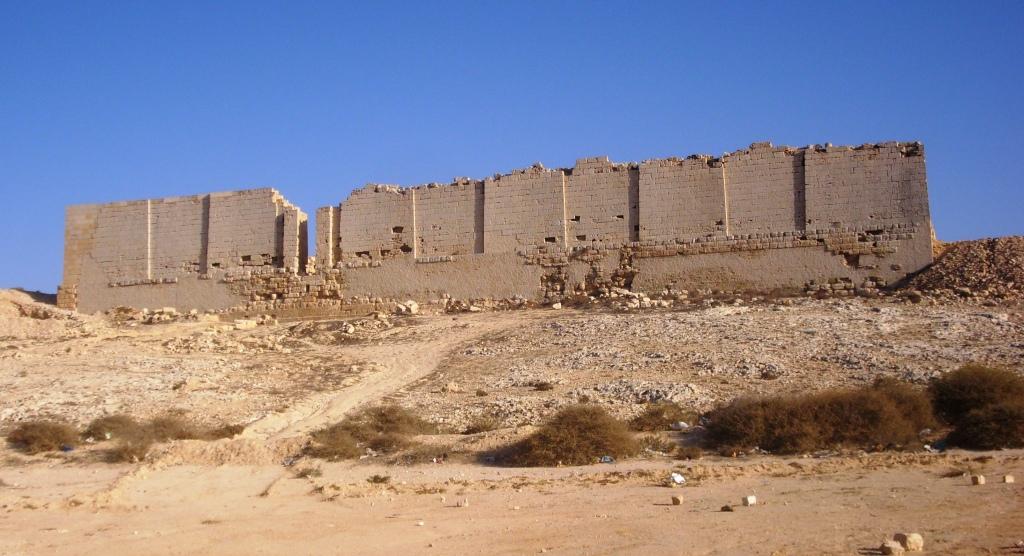
Taposiris Magna
Ancient city with temple and tombs
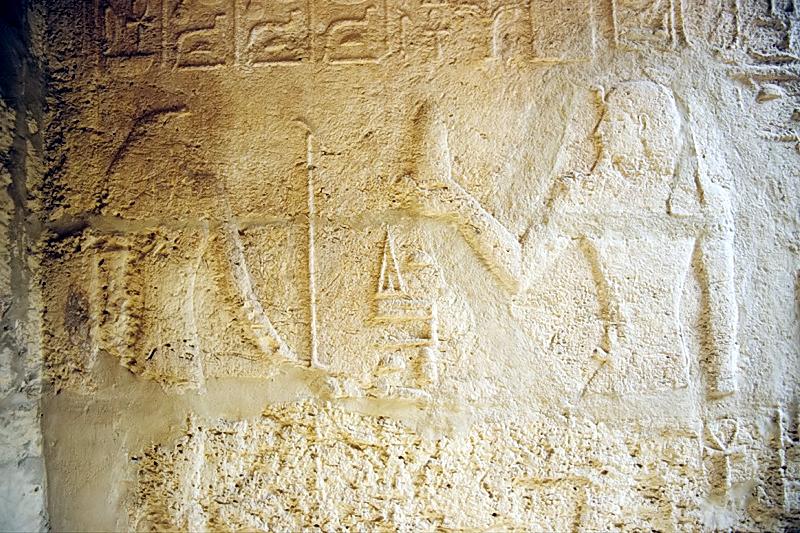
Medinet Madi
Greco-Roman town with Middle Kingdom temple
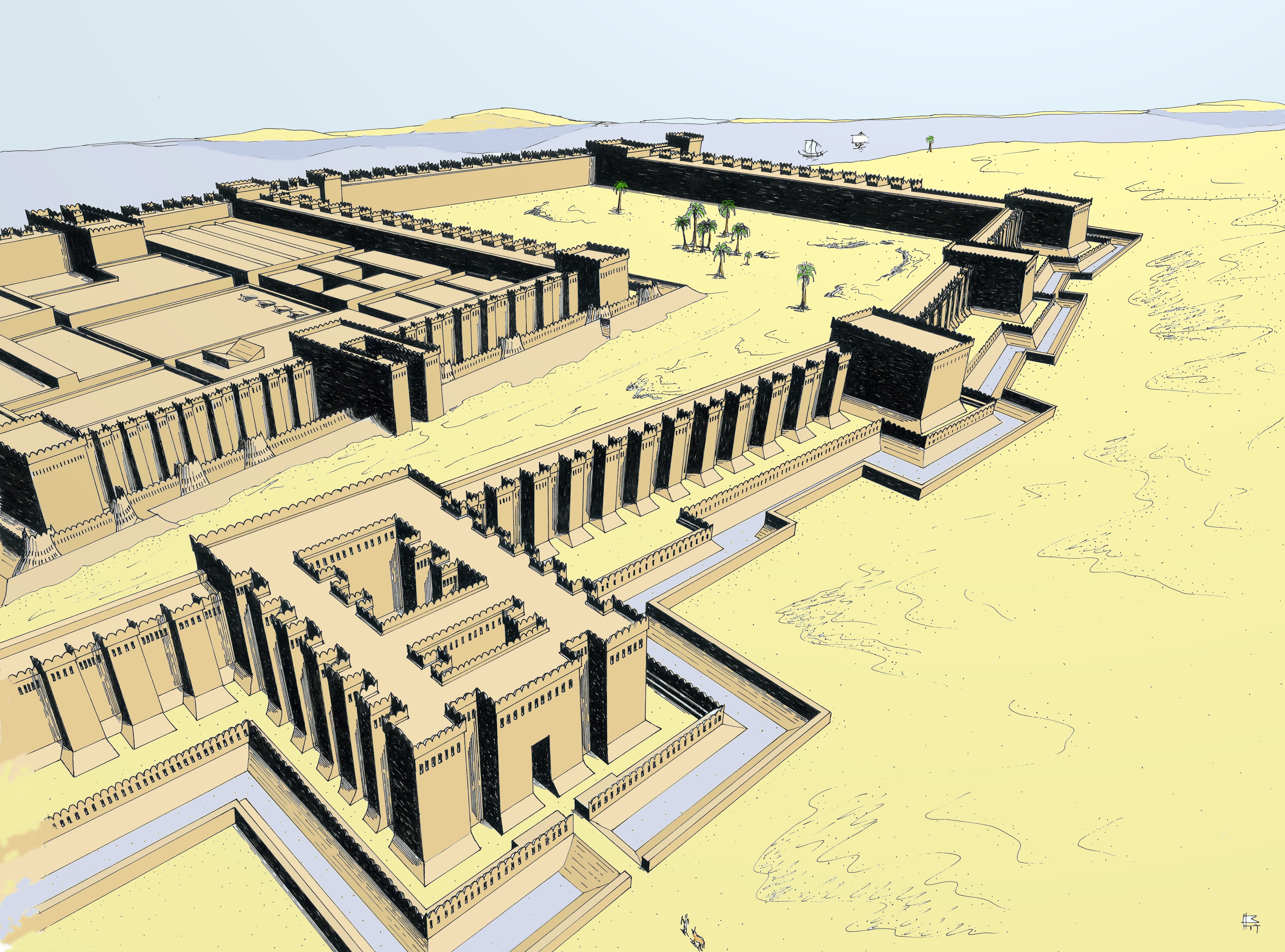
Buhen
Ancient Egyptian fortress with copper smelting.
Cemetery GIS
Stone mastabas in Giza Plateau cemetery